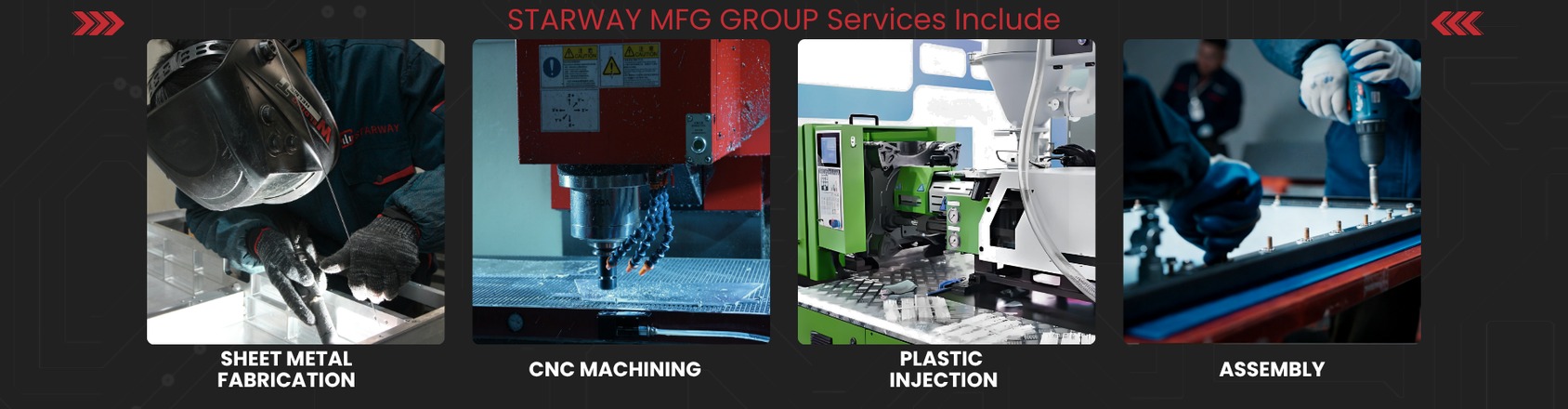

Sheet Metal Fabrication Design Engineering Project management Assembly Rapid Prototyping Packaging Shipping & Delivery
CNC Machining Design Engineering Project management Assembly Rapid Prototyping Packaging Shipping & Delivery
Plastic Injection Molding Design Engineering Project management Assembly Rapid Prototyping Packaging Shipping & Delivery
TECHNICAL BUYER’S GUIDE | STARWAY MFG GROUP
By Alyssa / September 22, 2026
Contents
For OEMs and procurement teams, sheet metal fabrication in China can offer a combination of manufacturing depth, process flexibility, and competitive production economics. But a lower quotation alone does not make a supplier qualified. The real question is whether the factory can repeatedly produce your parts to the required dimensions, finish, quality standard, delivery schedule, and documentation requirements.
A qualified supplier should be evaluated as a manufacturing system—not simply as a machine shop. Buyers need to look at engineering support, process coverage, material control, inspection methods, production capacity, communication, packaging, and the supplier’s ability to move from prototype to stable repeat production.
This guide provides a practical framework for evaluating a China-based sheet metal fabrication supplier before issuing a purchase order or committing to a long-term program.
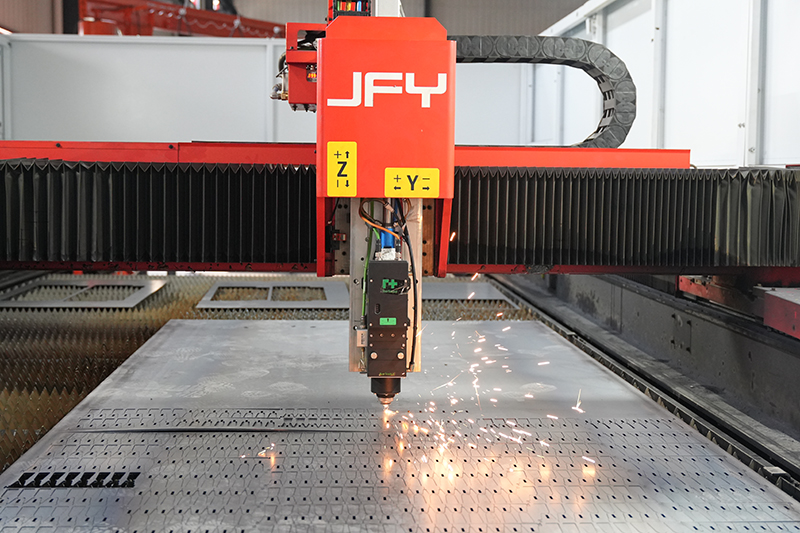
China has a mature manufacturing ecosystem covering laser cutting, tube laser cutting, CNC bending, stamping, welding, grinding, polishing, surface finishing, hardware insertion, assembly, and related processes. For OEM buyers, the potential advantage is not simply unit price. A capable China sheet metal manufacturer can combine multiple operations, coordinate secondary processes, and support production at different volumes.
However, supplier quality varies significantly. Two factories may quote the same drawing at very different prices because they are making different assumptions about material, tolerances, finishing, inspection, tooling, packaging, or production route. A proper qualification process therefore starts before price comparison.
The first qualification question should be: Can the supplier understand the part and control the manufacturing risks before production begins?
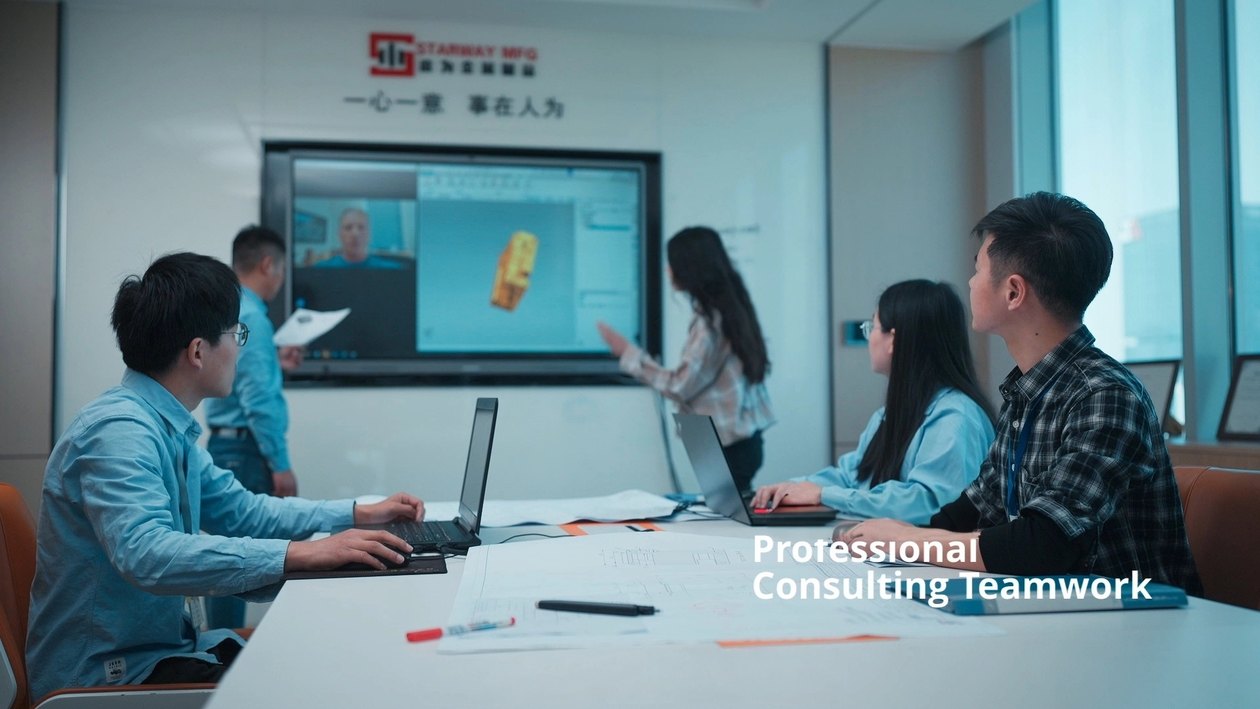
Before RFQ, buyers should also check whether the supplier offers formal DFM and design engineering support. This can identify manufacturability risks before they become production problems.
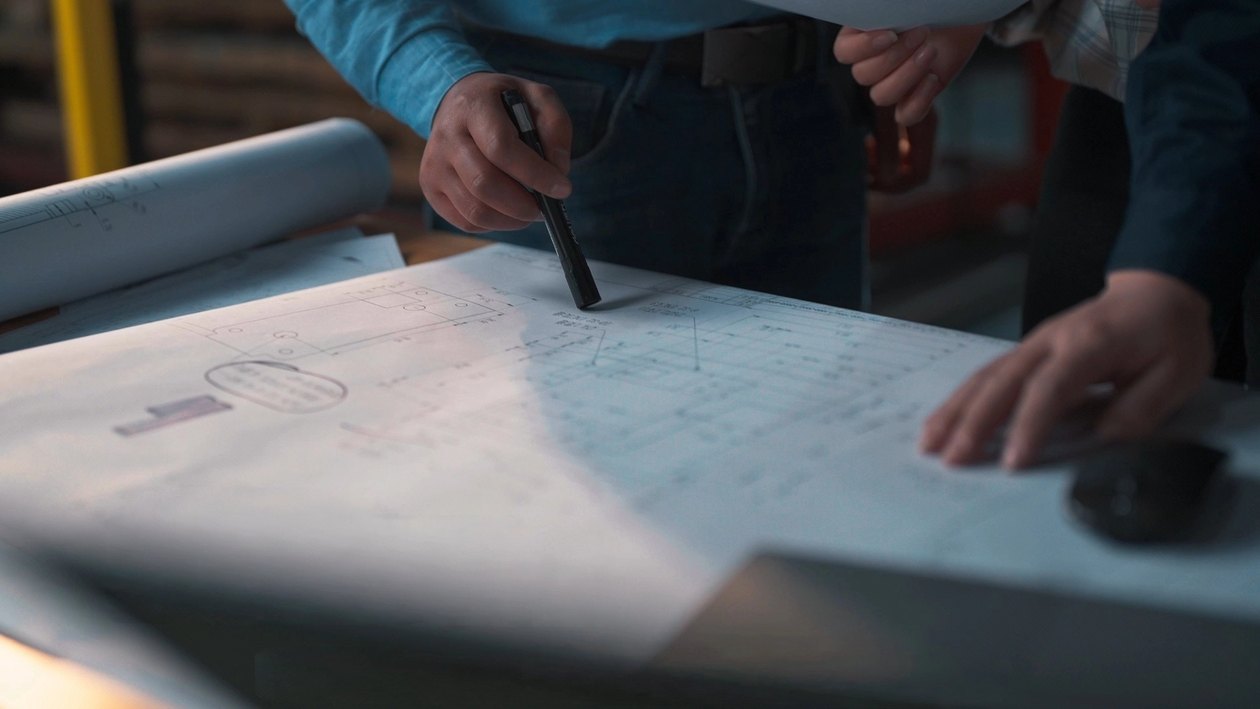
Drawing review before quotation. A supplier that raises questions here is doing the work you are paying for.
A sheet metal fabrication project rarely ends with laser cutting. Finished parts may require cutting, forming, welding, finishing, hardware insertion, inspection, and assembly. The more of these operations a supplier can control internally or through a documented supply chain, the fewer handoffs the buyer has to manage.
| Process | Typical Buyer Requirement |
|---|---|
| Laser cutting | Flat-sheet profiles, holes, slots, and complex 2D geometry |
| Tube laser cutting | Tube and profile components with cutouts and prepared features |
| CNC bending | Repeatable bends for brackets, panels, housings, and structural parts |
| Stamping | Higher-volume parts where dedicated tooling improves productivity |
| MIG/TIG welding | Structural and precision welded assemblies |
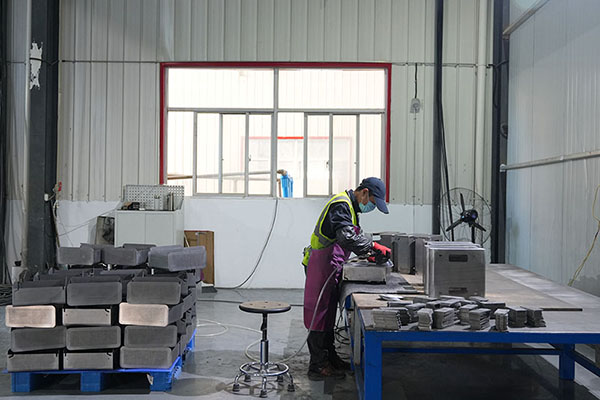
| Grinding & polishing | Deburring, edge treatment, cosmetic preparation, and stainless finishing |
| Hardware insertion & assembly | PEM fasteners, riveting, subassembly, and finished-product preparation |
For detailed process coverage, see STARWAY’s sheet metal fabrication capabilities. Specific process pages include laser cutting and CNC bending.
Quality qualification should go beyond asking whether a supplier is ISO certified. Certification is useful evidence of a management system, but buyers still need to understand how drawings are translated into inspection criteria and how defects are detected during production.
A useful reference is the supplier’s quality control system, including its documented inspection stages and traceability practices.
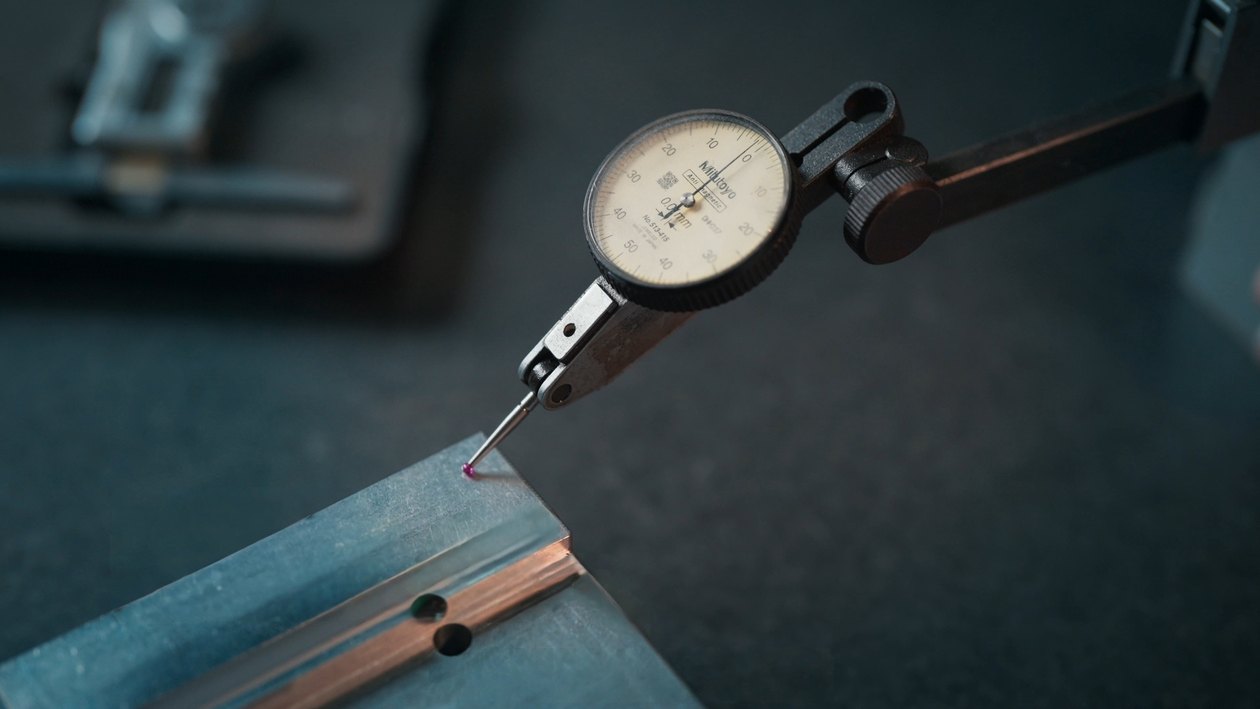
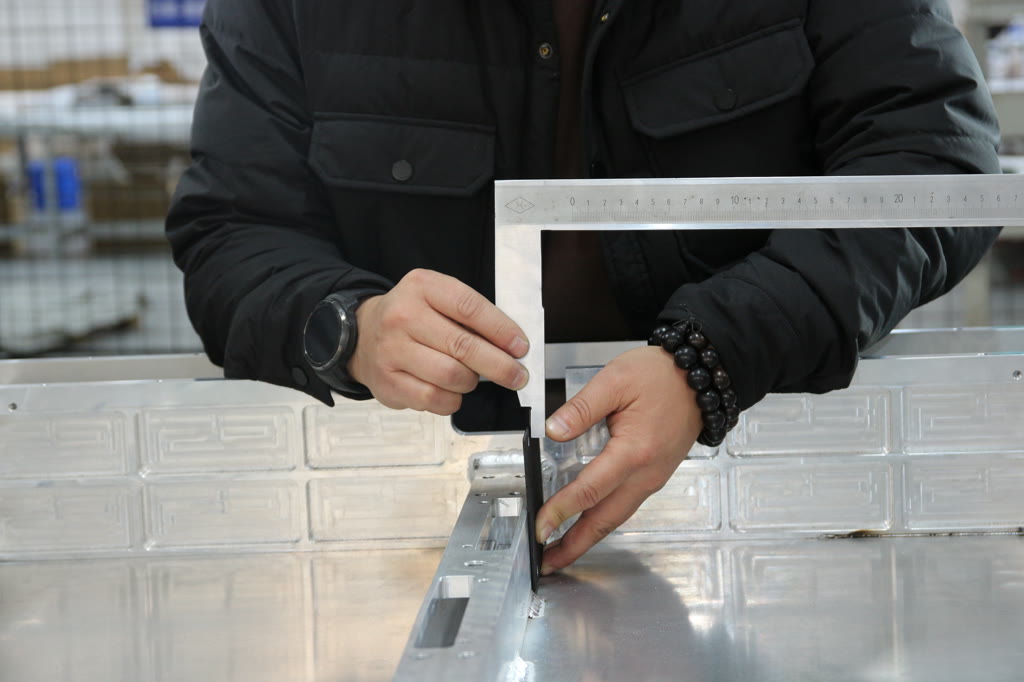
Dimensional check against the drawing. What matters in qualification is whether the record exists on ordinary days.
Material substitution is one of the risks buyers should address before production. “Stainless steel” or “aluminum” is not enough information for many OEM components. The material grade, temper or condition where relevant, thickness, and applicable standard should be defined.
For a China sheet metal fabrication supplier, ask how material is identified after receiving, how certificates are stored, and how the correct material is linked to each production order.
Finishing should be qualified with equal care. Define the required coating or treatment, color reference, coating thickness where applicable, masking zones, cosmetic surfaces, allowable defects, and whether appearance samples are required.
If the final product needs several processes, verify that the supplier can maintain dimensional control after finishing and welding rather than inspecting only the laser-cut blank.
A supplier’s website, factory presentation, and quotation cannot fully demonstrate production consistency. A prototype or controlled pilot order is one of the most practical qualification tools.
When the design is still being validated, rapid prototyping can reduce the risk of moving directly from CAD to mass production.
When evaluating a sheet metal fabrication quote, compare the assumptions behind each quotation. A lower unit price may exclude secondary operations, tooling, inspection, packaging, or specific material grades.
For repeat programs, also evaluate scrap rates, rework, engineering-change responsiveness, delivery performance, and the cost of supplier management. These factors can have a larger impact on total cost than a small difference in quoted piece price.
A supplier audit does not need to be complicated. The objective is to verify that the company’s stated capabilities correspond to real production resources and controlled processes.
Do not judge capacity only by the number of machines. Ask how the supplier handles peak demand, maintenance downtime, urgent orders, and capacity conflicts between customers.
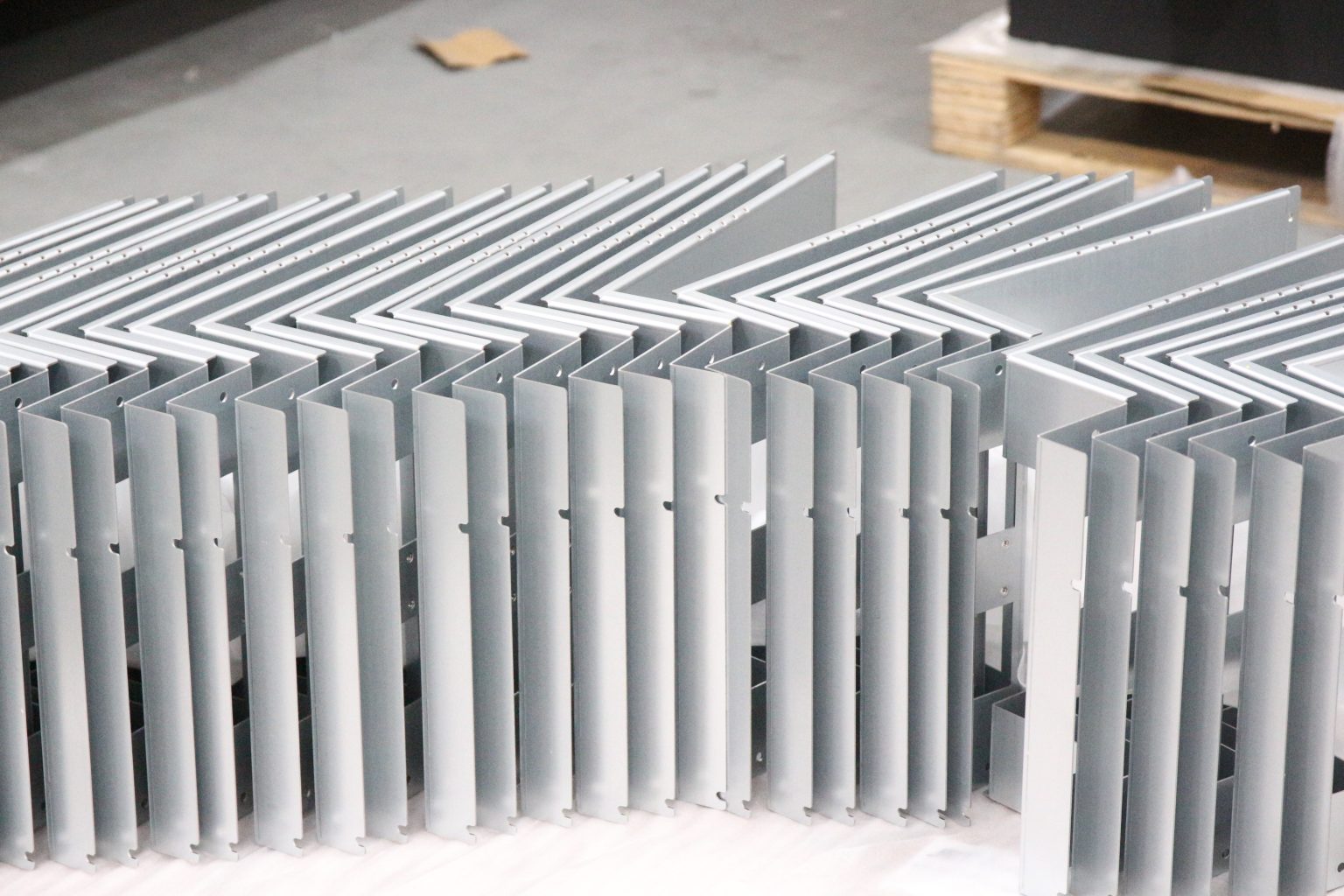
One batch, one bend programme. Real capacity shows up as consistency across the batch, not as the number of machines on the floor.
For overseas buyers, communication is part of supplier quality. A technically capable factory can still become difficult to manage if engineering questions are delayed, revisions are not controlled, or production status is unclear.
A qualified sheet metal fabrication company should have a defined workflow for drawing review, quotation, order confirmation, engineering release, production, inspection, packaging, and shipping.
STARWAY’s project management system describes an integrated workflow connecting order evaluation, engineering, production, quality control, and delivery coordination.
For international OEM buyers, manufacturing ends only when conforming parts arrive safely and in usable condition. Packaging should therefore be qualified as part of the manufacturing process.
| Qualification Stage | What to Verify |
|---|---|
| Step 1 — Pre-screen | Review capabilities, industries served, equipment, certifications, export experience, and communication. |
| Step 2 — Technical RFQ | Send complete drawings, materials, quantities, tolerances, finishes, inspection requirements, and target delivery. |
| Step 3 — Engineering review | Check DFM feedback, manufacturing route, assumptions, risks, and quotation clarity. |
| Step 4 — Prototype or sample | Verify dimensions, fit, finish, welding, and packaging before production scaling. |
| Step 5 — Factory audit | Verify equipment, quality systems, material control, capacity, and actual production conditions. |
| Step 6 — Pilot production | Run a controlled production order and compare results against the agreed quality plan. |
| Step 7 — Supplier approval | Document specifications, approved samples, inspection standards, packaging, and change-control requirements. |
| Step 8 — Ongoing review | Track quality, delivery, responsiveness, corrective actions, and engineering support. |
For OEM buyers evaluating STARWAY as a China sheet metal fabrication supplier, the qualification process can begin with the same technical information used for production: 2D drawings, 3D CAD files, material and thickness, quantities, tolerances, finishing requirements, inspection requirements, and target delivery.
STARWAY combines sheet metal fabrication with laser cutting, tube laser cutting, CNC bending, welding, stamping, grinding and polishing, general sheet metal operations, assembly, and related manufacturing services. This allows projects requiring several operations to be coordinated through one manufacturing partner.
The company also supports engineering and DFM review before production, rapid prototyping, quality inspection, and project coordination. For buyers qualifying a long-term OEM manufacturing partner, this integrated structure can be evaluated through prototypes, pilot orders, quality documentation, and factory audits rather than relying on marketing claims alone.
For a direct overview of the available processes, visit STARWAY’s sheet metal fabrication services. For quality qualification, review the STARWAY Quality Control system.
See the Processes Running
|
Grinding & Weld Finishing |
Laser Cutting Stainless Steel |
Galvanized Steel Bending & FAI |
Sheet Metal Punching |
Look at engineering capability, process coverage, quality control, material traceability, production capacity, communication, export experience, and the ability to support prototypes and repeat production.
Use a staged process: pre-screen the supplier, issue a technical RFQ, review DFM feedback, inspect samples, conduct a factory audit, run a pilot order, and formally approve the supplier.
No. ISO 9001 can indicate a structured quality management system, but buyers should also verify actual inspection methods, traceability, process control, corrective action, and sample results.
Provide 2D drawings and 3D CAD where available, material grade, thickness, quantity, tolerances, surface finish, critical dimensions, inspection requirements, packaging, destination, and target delivery date.
Compare the complete manufacturing scope and assumptions, including material, processes, tooling, finishing, inspection, packaging, shipping terms, lead time, and any exclusions—not just the unit price.
For new or technically important parts, a prototype or pilot order is a practical way to verify manufacturability, fit, finish, inspection, and packaging before scaling production.
Common processes include laser cutting, tube laser cutting, CNC bending, stamping, MIG/TIG welding, grinding, polishing, finishing, hardware insertion, and assembly.
DFM is important because it allows engineers to identify bend, tolerance, material, welding, finishing, and assembly risks before production.
Yes. Some manufacturers provide integrated sheet metal fabrication, component manufacturing, mechanical assembly, subassembly, packaging, and labeling.
The main risk is that a low quotation may be based on different assumptions about material, tolerances, finishing, inspection, or process scope. Qualification should verify what is actually included.
Choose a supplier with integrated processes, a clear project-management workflow, documented quality controls, proactive engineering communication, and reliable shipment coordination.
Yes. STARWAY supports sheet metal prototyping and production, including laser cutting, CNC bending, welding, finishing, inspection, and transition to repeat manufacturing.
Choosing a sheet metal fabrication supplier in China should be treated as a technical qualification project, not a simple price comparison. The strongest supplier candidates are those that can demonstrate engineering competence, stable process control, measurable quality, material traceability, realistic capacity, clear communication, and reliable export delivery.
Start with a complete RFQ, test the supplier with representative parts, verify the factory and quality system, and document the approved production standard before scaling the relationship.
Ready to qualify a manufacturing partner?
Send your drawings and project requirements to STARWAY MFG GROUP for engineering review and a project-specific quotation.



This website uses cookies to provide you with a personalized browsing experience and analyze website traffic. By clicking "Accept", you agree to our use of cookies.


 Global