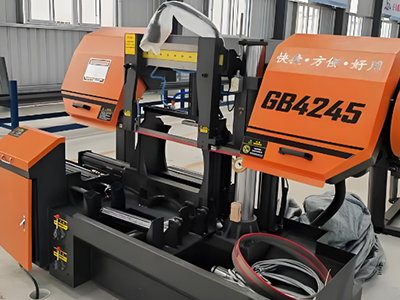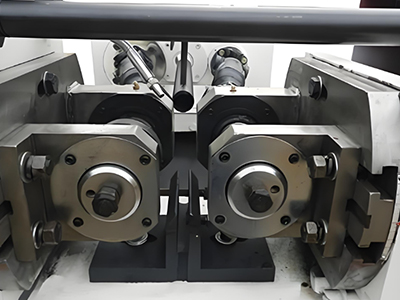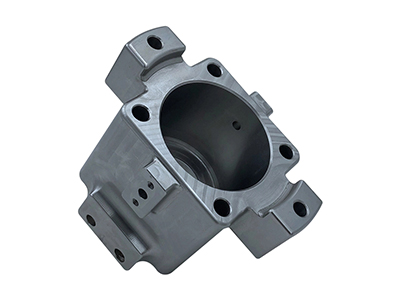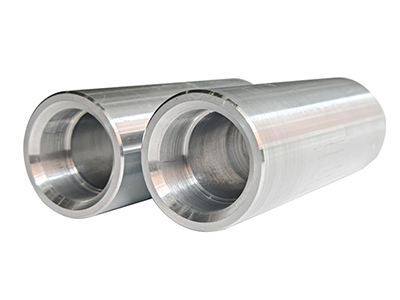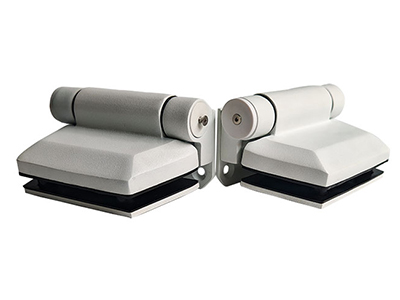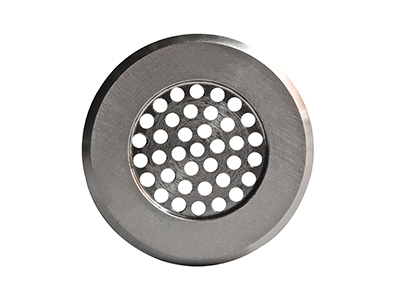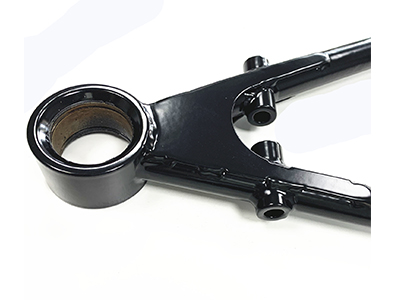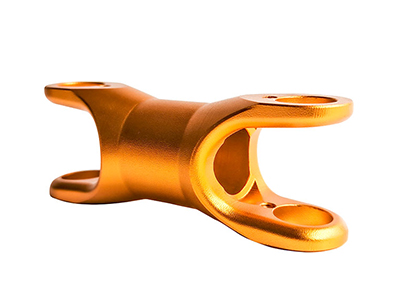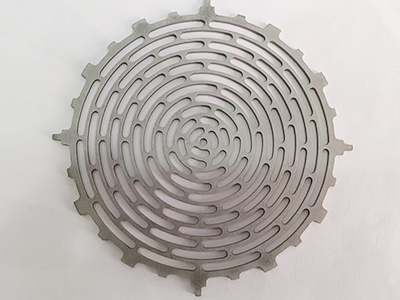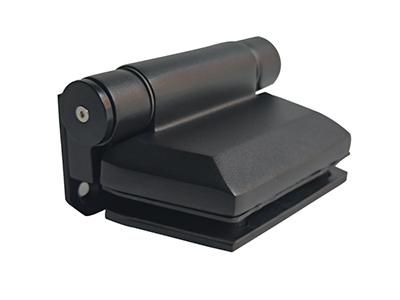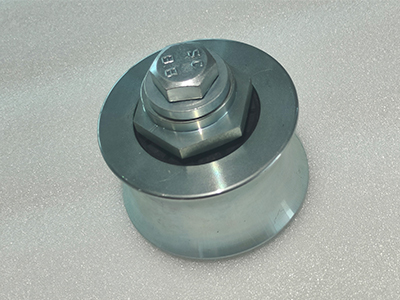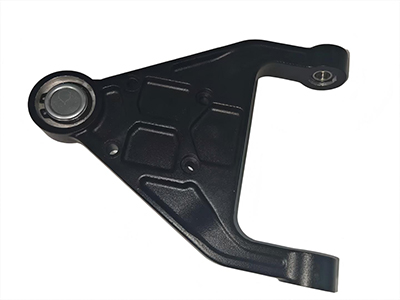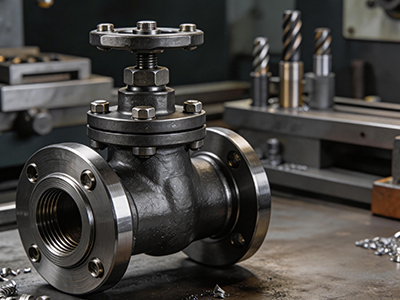

Sheet Metal Fabrication Design Engineering Project management Assembly Rapid Prototyping Packaging Shipping & Delivery
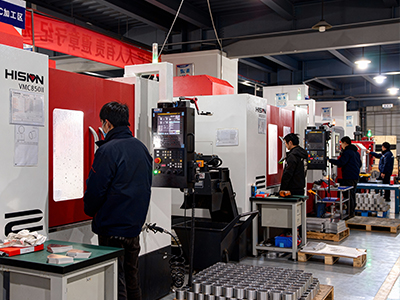
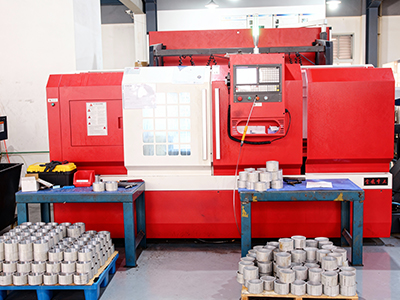
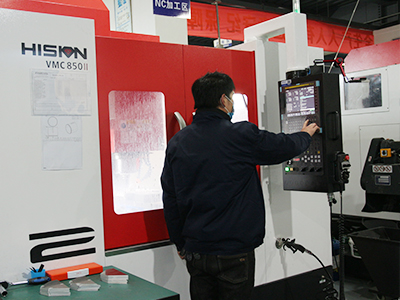
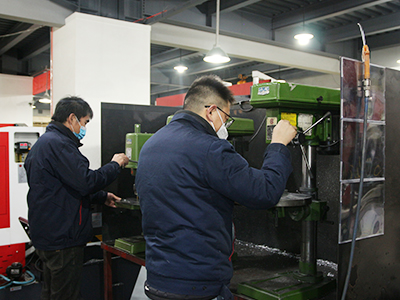
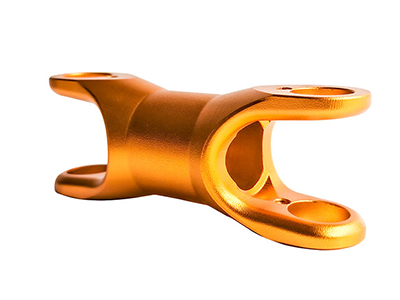
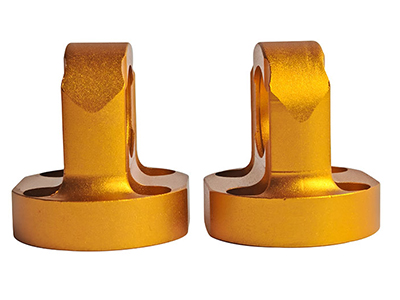
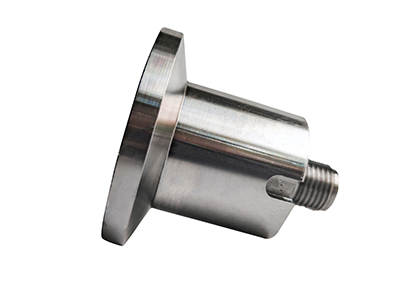
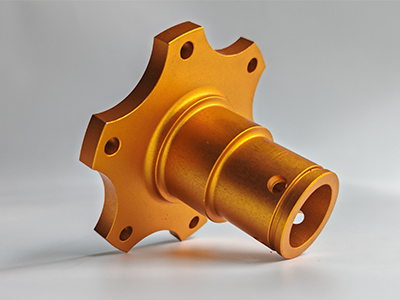
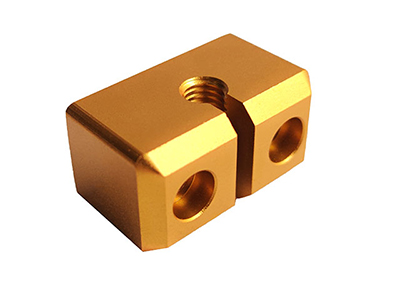
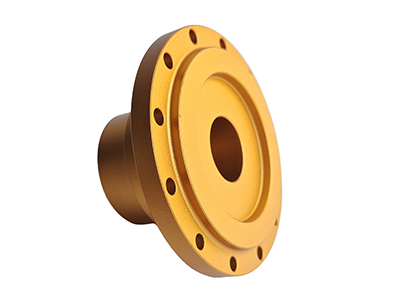
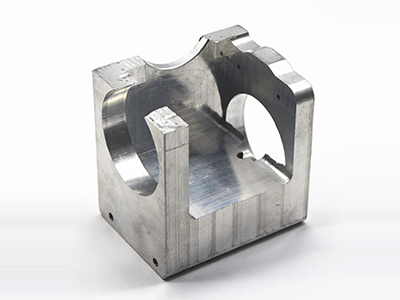
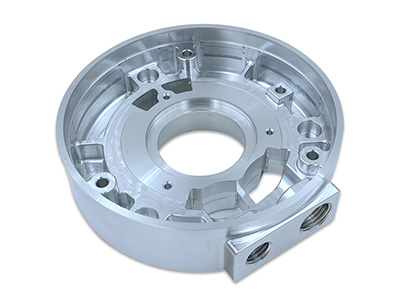
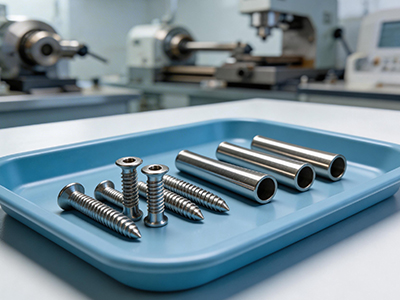
CNC Machining Design Engineering Project management Assembly Rapid Prototyping Packaging Shipping & Delivery
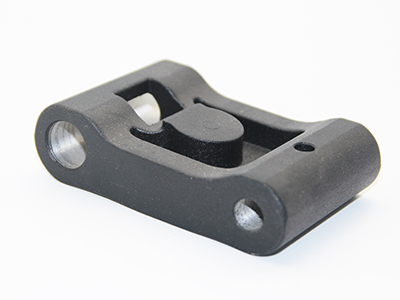
Plastic Injection Molding Design Engineering Project management Assembly Rapid Prototyping Packaging Shipping & Delivery
✓ Professional Consulting Team ✓ Fast Prototyping (1-2 weeks) ✓ Automated & Smart Manufacturing ✓ Easy Shipping (EXW, FOB, CIF, DDP) ✓ Global Markets Served

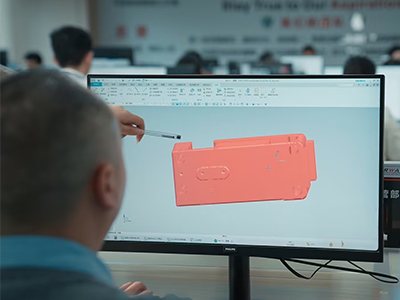
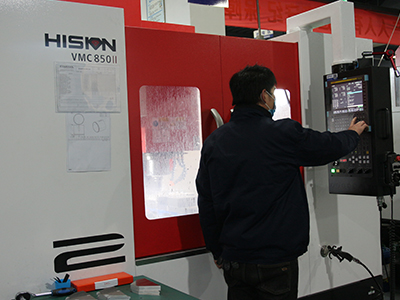
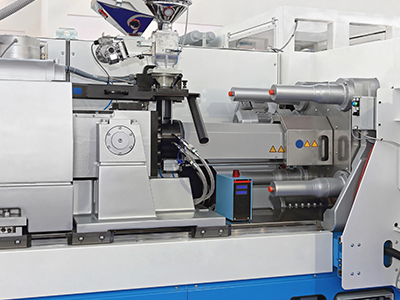
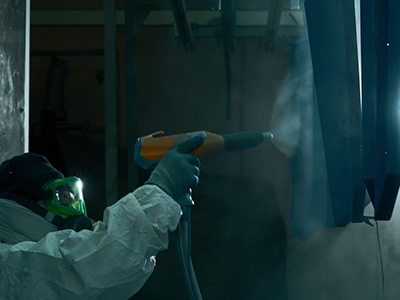
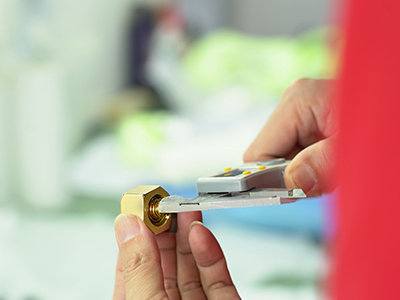
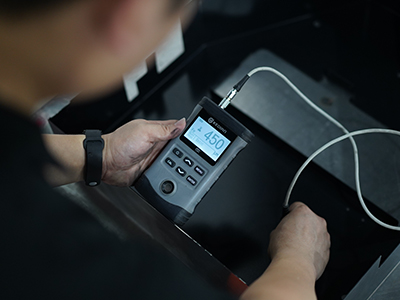
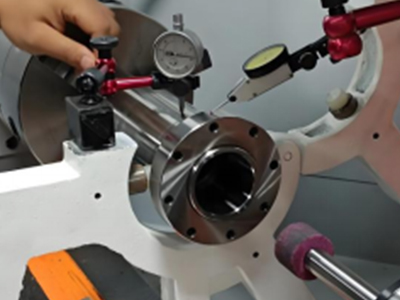
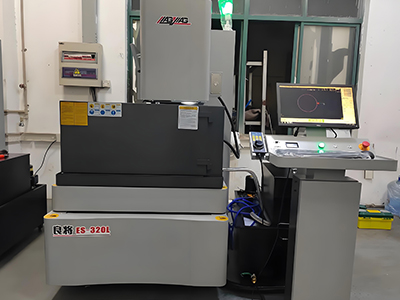

Engineering Consultation That Reduces Manufacturing Risk At Starway, engineering involvement starts before production begins. Our engineers work closely with customers to review drawings, tolerances, materials, and manufacturing feasibility, identifying potential risks early and proposing optimized solutions. By integrating engineering and sales teams, we ensure that technical decisions are accurately translated into cost, lead time, and production plans — avoiding surprises during execution.

New project success depends on speed, accuracy, and adaptability. Starway operates a dedicated project development team combining engineering, prototyping, and quality control. This allows us to deliver prototypes within 1–2 weeks, validate manufacturability quickly, and resolve technical challenges through real production trials — not assumptions.
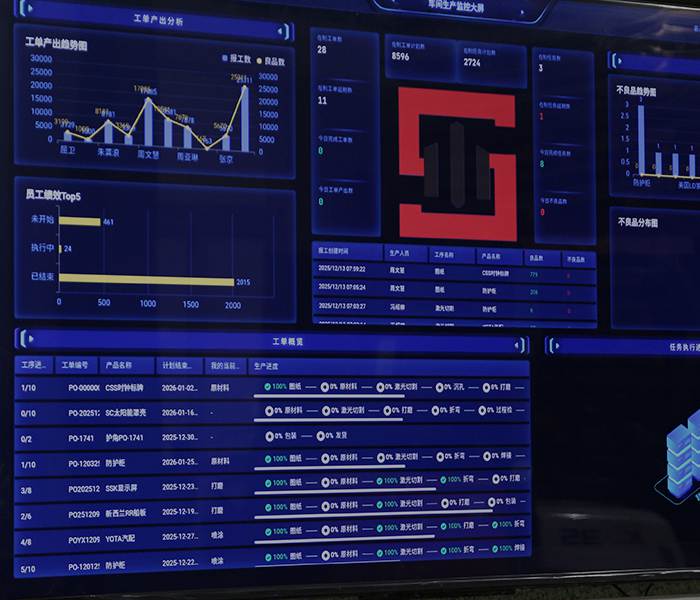
On-time delivery and consistent quality are not outcomes — they are engineered results. All orders are managed through our MES system, enabling real time production tracking, quality traceability, and cross department coordination. This system-driven approach allows us to proactively manage risks, maintain schedule integrity, and keep customers informed with accurate production data.

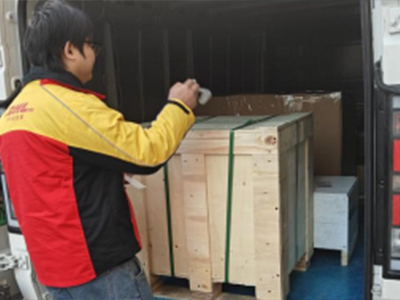
At Starway, Easy Shipping is another key advantage. Our goal is to make customers' shipping easy, safe, and fully trackable. Our professional logistics team helps our customers handle all types of shipments — both air and sea — including EXW, FOB, CIF, DDP, etc. Our shipping system enables us to track and monitor all shipments in transit, ensuring they arrive safely and on time. Our customers are updated regularly with their shipping status.
Aluminum 6061
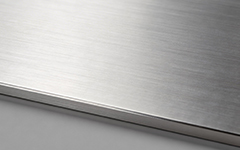
Aluminum 6063
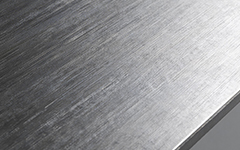
Aluminum 7075
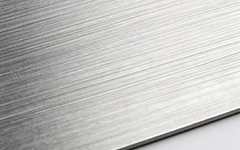
Aluminum 5052
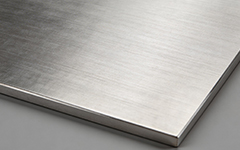
Stainless Steel 303
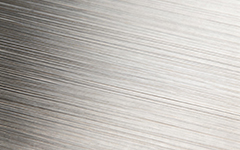
Stainless Steel 304
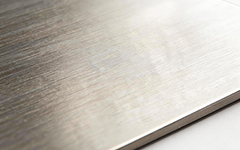
Stainless Steel 316
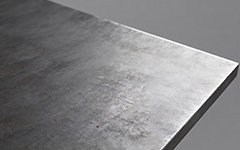
Carbon Steel
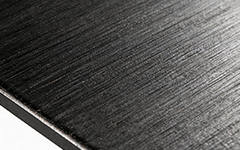
Alloy Steel
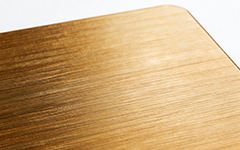
Brass H59/H61
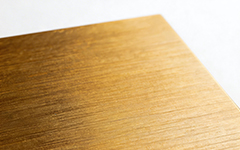
Copper C110
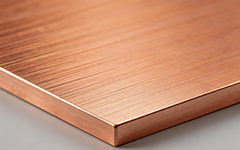
Bronze
 First Article Inspection
 In-Process Quality Control
 Pre-Shipment Production Inspection
 Container Loading Inspection
CNC machining (Computer Numerical Control machining) is a manufacturing process where pre-programmed computer software controls the movement of machinery and tools to produce precise parts. It is widely used to manufacture complex metal and plastic components with high accuracy and repeatability.
CNC machining works by converting a CAD (Computer-Aided Design) model into machine instructions through CAM software. These instructions guide the cutting tools to remove material from a solid block, shaping it into the final part according to the programmed design.
Metals: Aluminum, Stainless steel, Carbon steel, Brass, Copper, Titanium.
Plastics: ABS, Nylon, POM, PC, PTFE, Acrylic.
The main difference lies in how the material and tools move.
CNC milling: The cutting tool rotates while the workpiece remains fixed or moves.
CNC turning: The workpiece rotates while a stationary cutting tool removes material.
Milling is used for complex shapes, while turning is ideal for cylindrical parts.
Precision CNC machining typically achieves tolerances of ±0.01 mm to ±0.05 mm, depending on the material, geometry, and machining process. High-precision parts may require additional finishing or grinding operations.
CNC machining is widely used in industries such as: Aerospace, Automotive, Medical devices, Electronics, Robotics, Industrial equipment.
Precision CNC machining refers to advanced machining processes that produce components with extremely tight tolerances and high dimensional accuracy. It is commonly used for critical parts in aerospace, medical, and electronics industries.
CNC prototyping is the process of manufacturing prototype parts using CNC machines. It allows engineers to quickly test form, fit, and function before moving to mass production.
CNC prototypes offer excellent accuracy and material performance compared to 3D printed prototypes.
Custom CNC machining offers several advantages:
High precision and tight tolerances.
Excellent repeatability.
Compatibility with many materials.
Fast prototyping capability.
Suitable for both low and high volume production.
Complex geometries can be manufactured.
5-axis CNC machining uses machines that move a tool or workpiece along five different axes simultaneously. This allows the production of highly complex parts in a single setup, improving accuracy and reducing machining time.
It is widely used in aerospace, medical implants, and high-performance automotive components.
Common surface finishes for CNC machined parts include: Anodizing, Powder coating, Sandblasting, Polishing, Brushing, Electroplating, Black oxide, Painting.
Yes, many engineering plastics can be CNC machined. CNC machining is often used to produce high-precision plastic components with excellent dimensional stability.
Common plastics include ABS, Nylon, POM, PTFE, and PC.
The lead time depends on part complexity, quantity, material availability, and machining processes.
Typical timelines:
Prototypes: 3–7 days
Small batch production: 1–3 weeks
Fast prototyping services may deliver parts even faster.
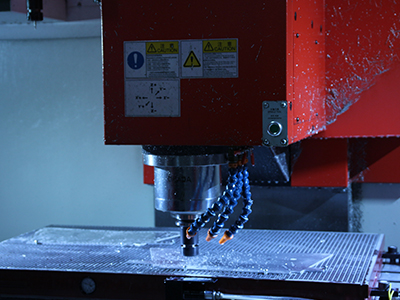
CNC milling is a machining process where rotating cutting tools remove material from a workpiece to create precise shapes and features such as slots, holes, and pockets.
It is commonly used to manufacture complex mechanical components.
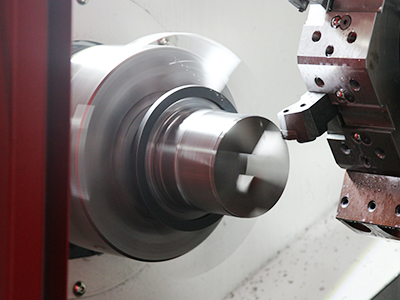
CNC turning is a process in which the workpiece rotates while a cutting tool shapes it into cylindrical forms. It is commonly used to produce shafts, bushings, and threaded parts.
Low volume CNC production refers to manufacturing small batches of parts, typically ranging from 10 to a few thousand units. It is ideal for bridge production, product testing, or customized components.
Common applications include:
Mechanical components.
Automotive parts.
Aerospace components.
Electronic enclosures.
Medical device parts.
Industrial equipment components.
Yes. CNC machining is one of the best methods for functional prototypes because it uses real production materials and provides excellent dimensional accuracy.
The key advantages include:
High precision.
Excellent repeatability.
Wide material compatibility.
Fast production speed.
Complex geometry capability.
Consistent quality.
When selecting a CNC machining supplier, consider the following factors:
Manufacturing experience.
Available machining equipment.
Quality control systems.
Material capability.
Surface finishing options.
Lead time and delivery reliability.
Working with an experienced manufacturer ensures better product quality and efficient production.



This website uses cookies to provide you with a personalized browsing experience and analyze website traffic. By clicking "Accept", you agree to our use of cookies.


 Global