
Sheet Metal Fabrication Design Engineering Project management Assembly Rapid Prototyping Packaging Shipping & Delivery
CNC Machining Design Engineering Project management Assembly Rapid Prototyping Packaging Shipping & Delivery
Plastic Injection Molding Design Engineering Project management Assembly Rapid Prototyping Packaging Shipping & Delivery
CUSTOMER STORY | STARWAY MFG GROUP
By Alyssa / September 28, 2026 · As told by Harris Lv, Sales Manager
Contents
Choosing an overseas OEM manufacturing supplier involves more than comparing prices. For custom-made products, buyers also need confidence that a supplier has the manufacturing capabilities, experience, communication, and technical understanding required to support the project.
That confidence can be difficult to establish when a buyer and manufacturer have not worked together before. A supplier can describe its capabilities, but overseas OEM customers often need concrete evidence before they are ready to place an order.
Harris Lv, Sales Manager at STARWAY MFG GROUP, shares a real customer experience that illustrates this process. A customer from Germany was initially unsure about working with STARWAY. Rather than relying only on verbal assurances, Harris used real workshop information and previous project experience to help the customer evaluate the company.
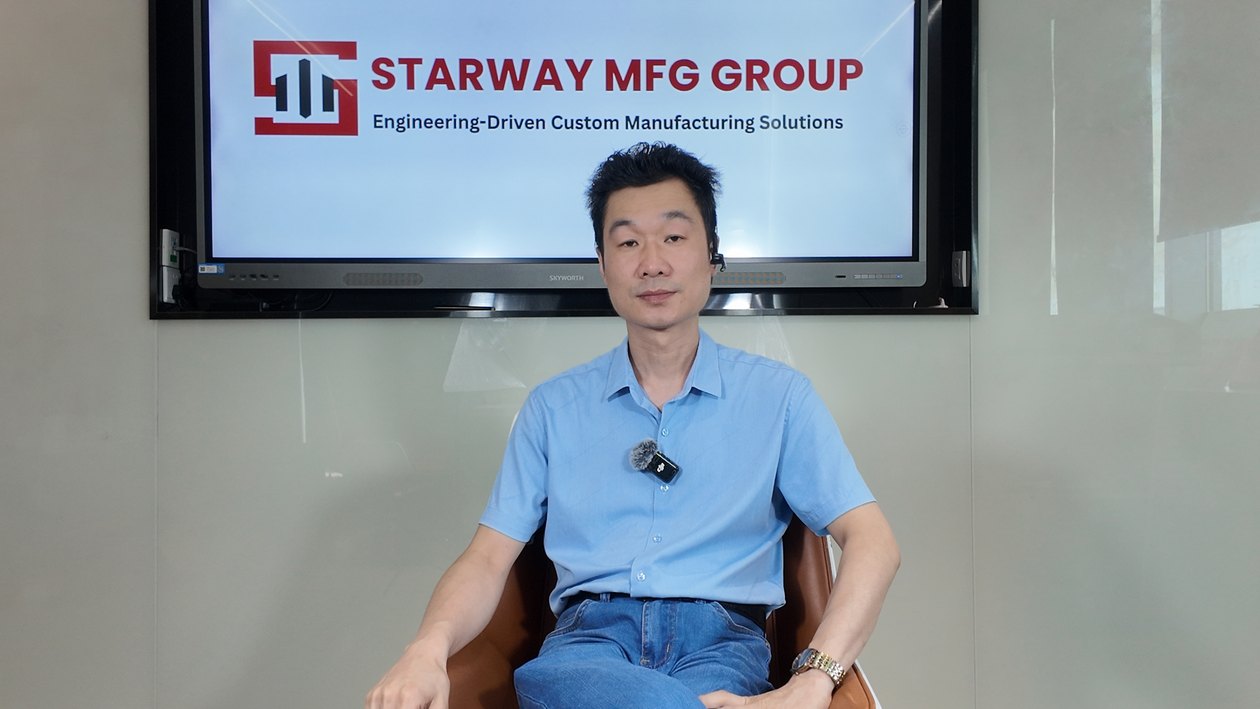
Harris Lv on how a German customer moved from uncertainty to repeat orders.
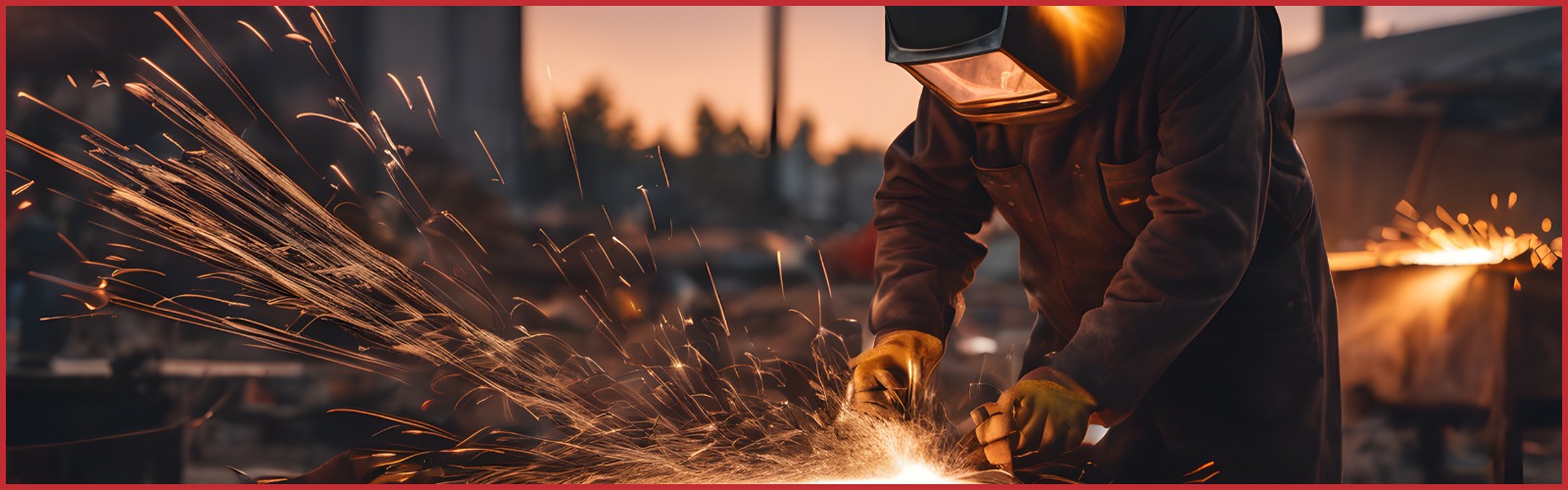
Custom manufacturing is work that happens in a real building, with real people. That is what an overseas buyer cannot see from a website.
Custom manufacturing is different from buying a standardized off-the-shelf product. Each project may involve different drawings, materials, dimensions, processes, quality requirements, packaging requirements, and production considerations.
For an overseas buyer, this creates a practical question: how can you determine whether a new supplier can support your project before committing to a larger order?
In his interview, Harris described a customer from Germany who was initially not sure about working with STARWAY. Because STARWAY’s products are custom made, the customer needed more than a general statement about manufacturing capability.
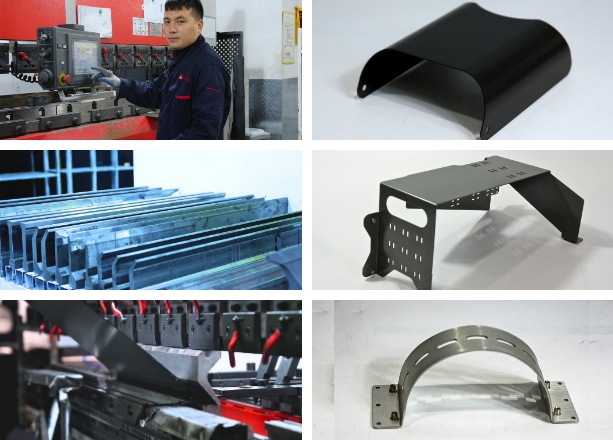
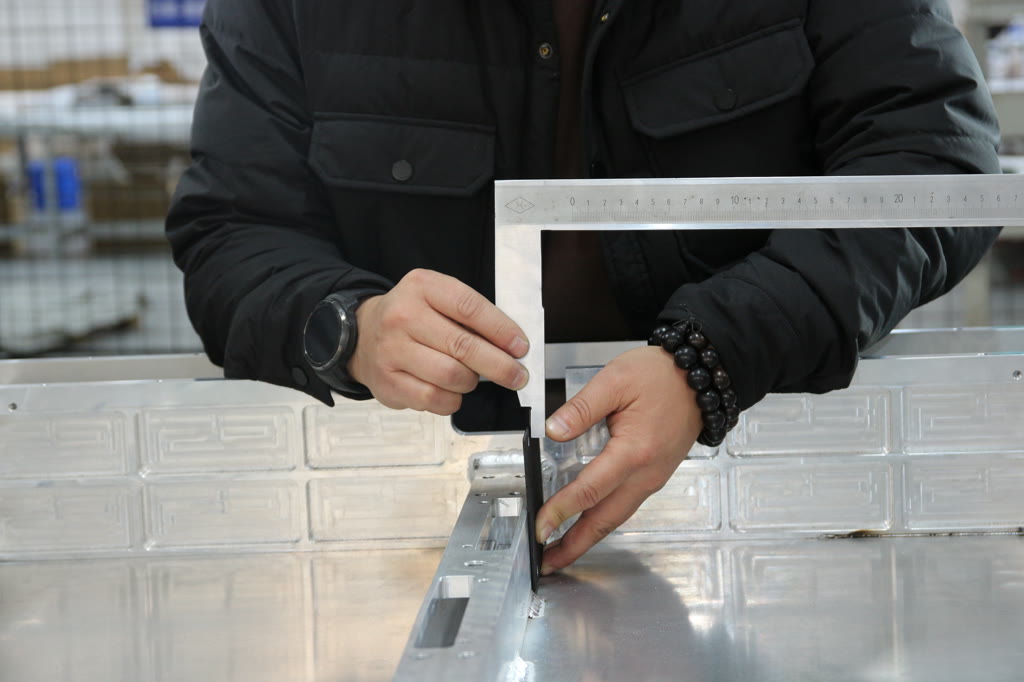
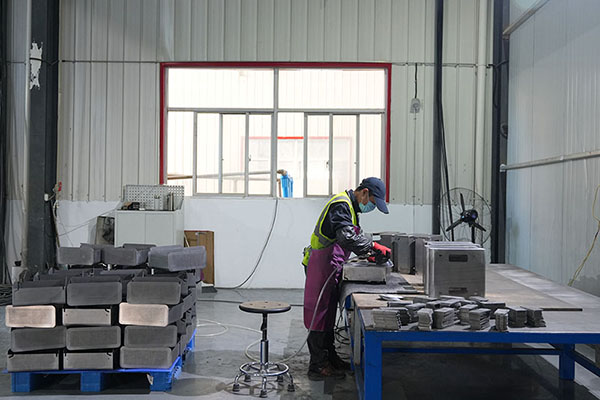
Harris responded by providing real information about the manufacturing operation. He shared real photos and videos of the workshop and showed similar cases that STARWAY had completed for other customers.
This gave the customer concrete information to evaluate. Instead of asking the customer to accept a claim about manufacturing capability, STARWAY provided evidence that helped the customer understand the company and its previous experience.
Factory photos and videos can help an overseas customer understand what is behind a supplier’s website or sales communication. They can provide context about the manufacturing environment and make the supplier relationship more tangible.
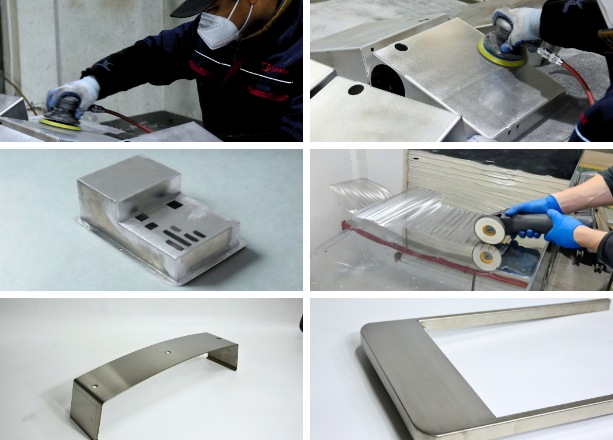
Process photos from the finishing area. Evidence of this kind is what the German customer was shown before the first order.
Showing similar projects can help a buyer understand whether a supplier has experience relevant to the work being considered. For custom manufacturing, relevance matters because general capability claims do not automatically demonstrate experience with every type of project.
Harris explained that the customer compared STARWAY with other suppliers and found STARWAY’s information clearer. This highlights an important part of supplier evaluation: buyers need information that is understandable and useful for making a purchasing decision.
The relationship did not begin with a large commitment. According to Harris, the customer started with small orders.
For an overseas OEM buyer, a smaller initial order can provide an opportunity to evaluate a supplier through actual project performance. Instead of making the entire supplier decision based on a presentation or first conversation, the buyer can observe how the supplier performs in a real manufacturing project.
Depending on the project, evaluation may include communication, technical coordination, manufacturing execution, quality, packaging, and delivery. The specific criteria depend on the buyer’s requirements.
The German customer’s relationship with STARWAY continued beyond the initial orders. Harris explained that the customer later continued to reorder.
For OEM manufacturing, the objective is not simply to win a first purchase order. A supplier relationship can develop through repeated projects and accumulated confidence.
A Practical Trust-Building Process
|
Initial uncertainty › |
Evidence › |
Small order › |
Performance › |
Continued orders |
This is not a universal purchasing process for every OEM buyer, but Harris’s customer story demonstrates how evidence and actual project experience can help develop confidence over time.
A capability list is a starting point. Buyers can also ask for relevant factory information, process examples, or previous project experience that demonstrates how capabilities are applied.
Discuss drawings, materials, tolerances, quantities, surface requirements, inspection requirements, packaging, and target delivery dates to understand how the supplier approaches the project.
Clear communication matters throughout custom manufacturing. A supplier should explain relevant technical information in a way that allows the buyer’s team to make informed decisions.
When appropriate for the purchasing strategy and project requirements, an initial smaller order can provide real-world information about the supplier relationship before the buyer expands cooperation.
One successful order does not automatically establish a long-term relationship. Continued projects provide additional opportunities to evaluate communication, manufacturing performance, quality, and coordination.
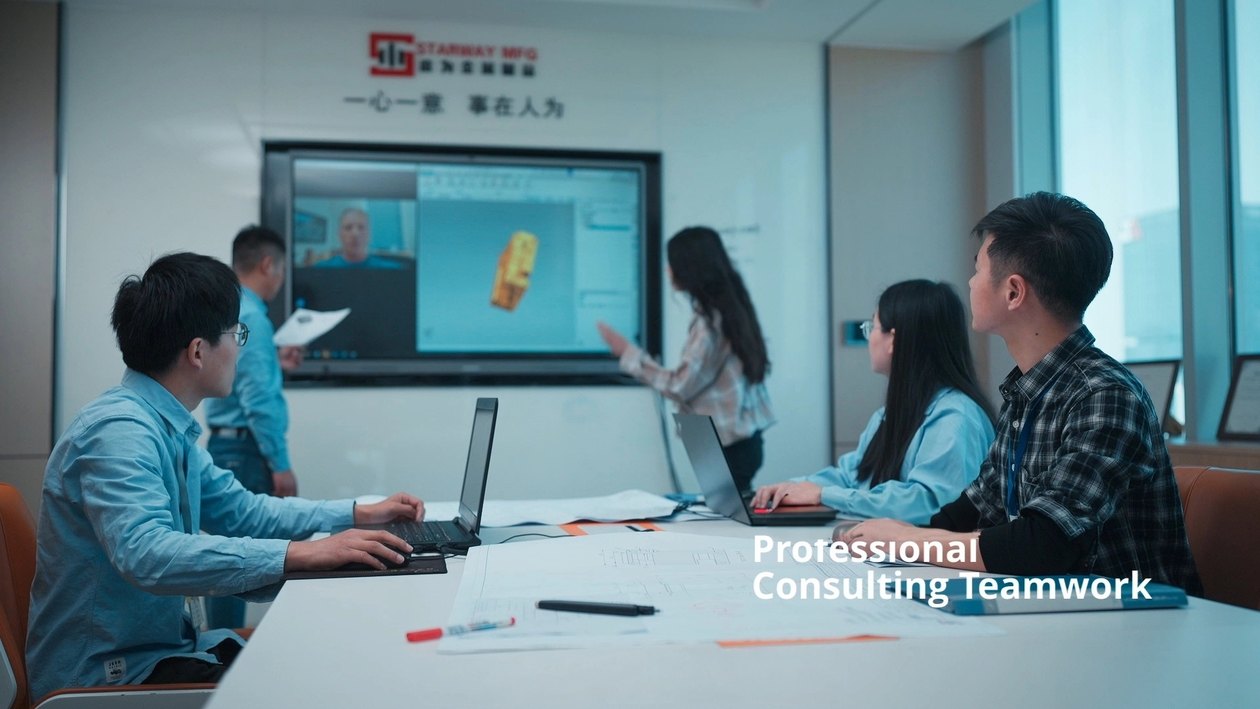
Harris’s story also shows why an engineering and development team can play an important role in overseas customer relationships.
For custom manufacturing, development work is not limited to internal production preparation. It can also help customers understand how their requirements can be translated into a manufacturable product and how the supplier’s capabilities relate to the project.
When a customer is unfamiliar with a manufacturer, technical communication can become part of the trust-building process. Clear explanations, relevant project experience, and real manufacturing information can help reduce uncertainty before production begins.
For overseas OEM buyers, supplier selection is about more than finding a company that can quote a part. The long-term question is whether the supplier can become a reliable manufacturing partner for future projects.
Harris Lv’s experience with the German customer provides one example: the customer started with uncertainty, received clearer and more concrete information, began with small orders, and later continued to reorder.
The lesson from this customer story is straightforward: in custom manufacturing, trust is built through evidence and actual experience. A supplier can help customers understand its capabilities by showing the manufacturing operation, providing relevant experience, communicating clearly, and allowing performance to be evaluated through real projects.
STARWAY MFG GROUP provides engineering-driven custom manufacturing solutions for global OEM customers. The company’s manufacturing capabilities include sheet metal fabrication, CNC machining, plastic injection molding, rapid prototyping, assembly, and related manufacturing services.
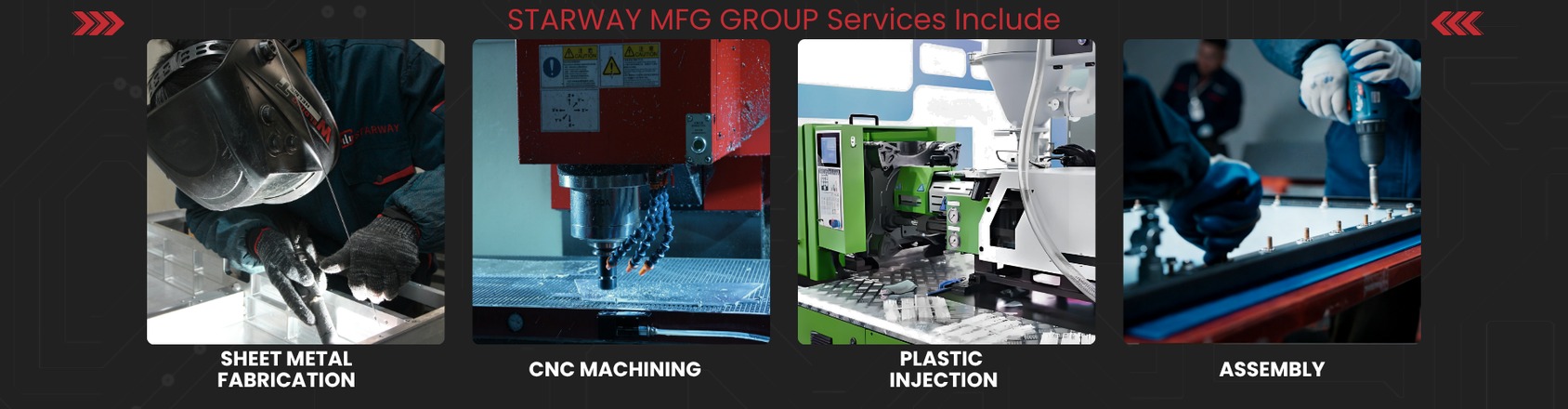
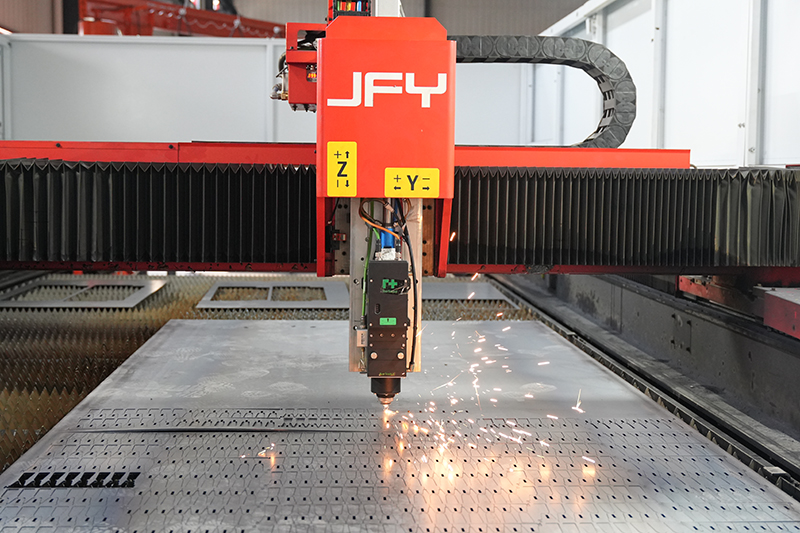
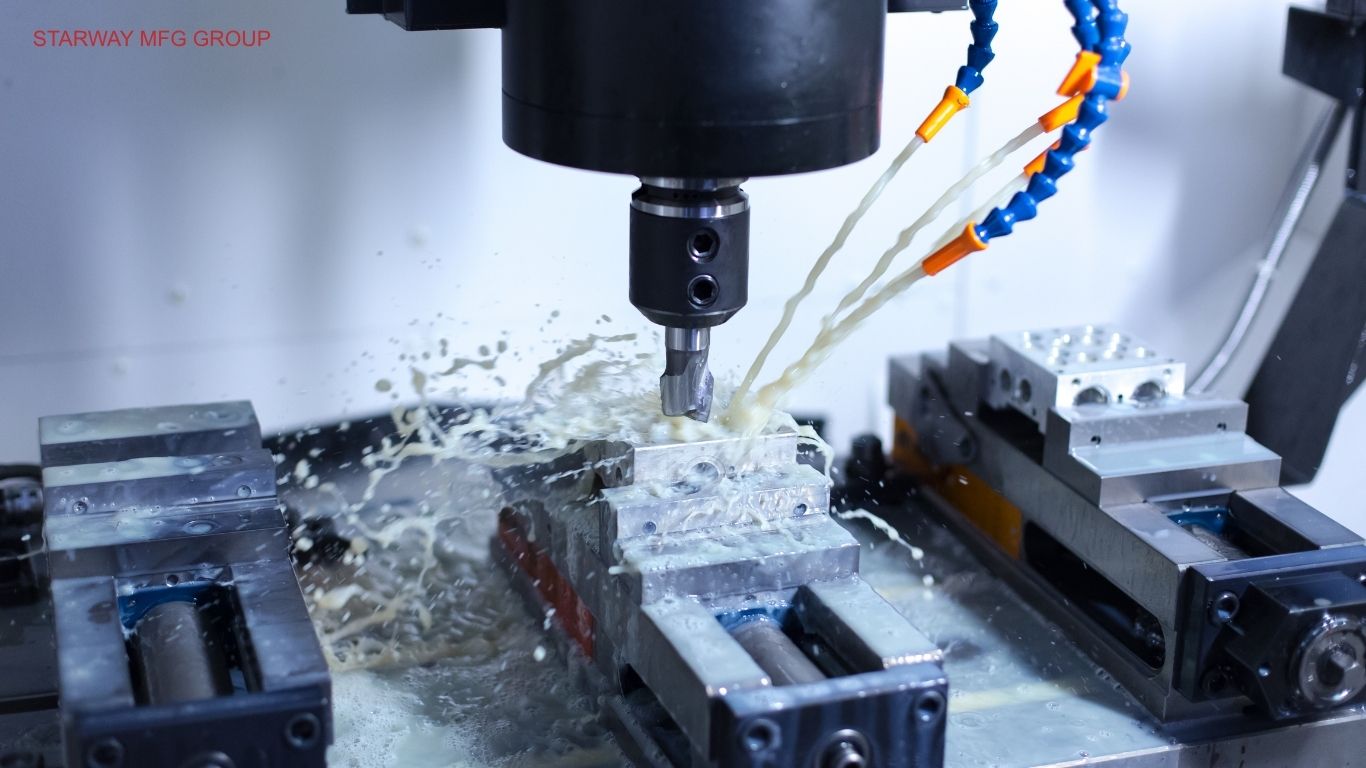
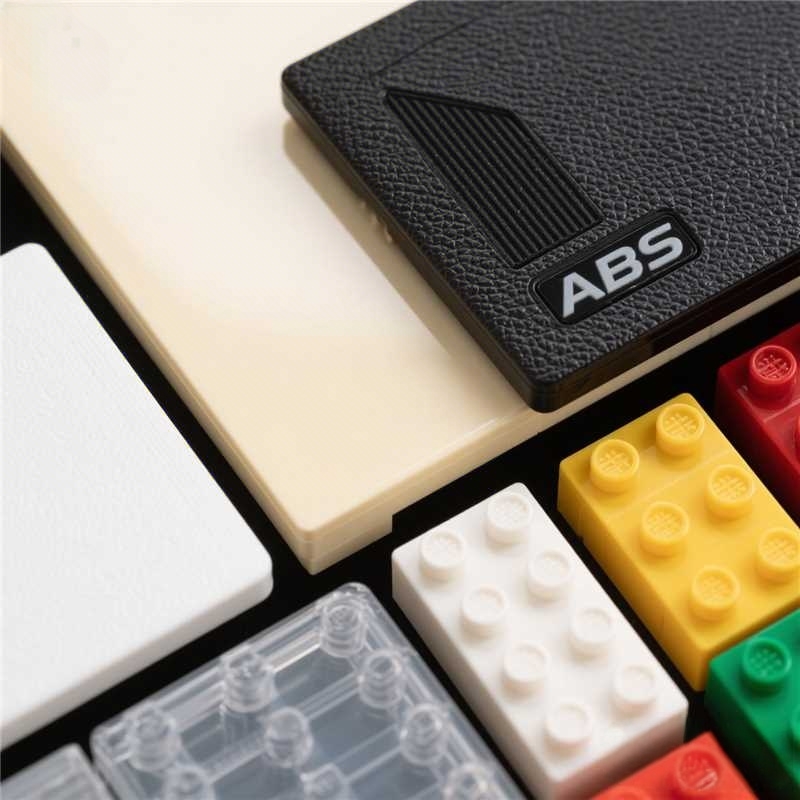
Sheet metal fabrication, CNC machining, plastic injection molding and assembly under one manufacturing system.
STARWAY combines engineering support, manufacturing capabilities, quality control, and project coordination to support custom OEM requirements.
Evaluating a new manufacturing supplier?
Send your drawings and project requirements to STARWAY MFG GROUP. You will receive an engineering review and a project-specific quotation — and you are welcome to start with a small first order.



This website uses cookies to provide you with a personalized browsing experience and analyze website traffic. By clicking "Accept", you agree to our use of cookies.


 Global