
 Global
Review overall form, interfaces, clearances and access with mating components. Identify features that need dimensional confirmation before design release.

Sheet Metal Fabrication Design Engineering Project management Assembly Rapid Prototyping Packaging Shipping & Delivery
CNC Machining Design Engineering Project management Assembly Rapid Prototyping Packaging Shipping & Delivery
Plastic Injection Molding Design Engineering Project management Assembly Rapid Prototyping Packaging Shipping & Delivery
✓ Validate key requirements before tooling ✓ Plan mold investment around production needs ✓ Align samples, inspection and assembly requirements



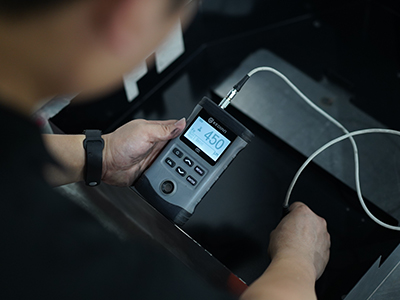
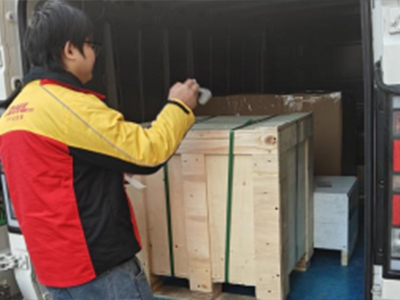
 Injection Molding
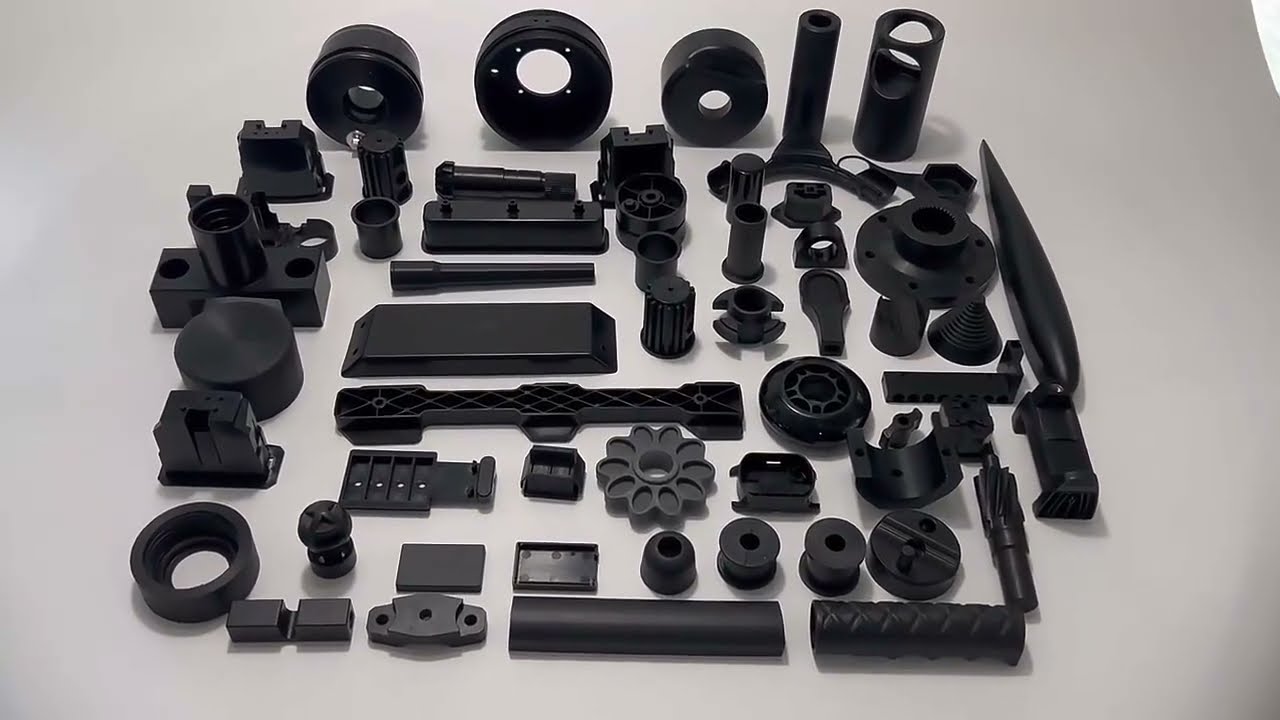
Our engineering team designs and manufactures durable injection molds to ensure accurate, efficient, and scalable plastic production.
 3D Printing
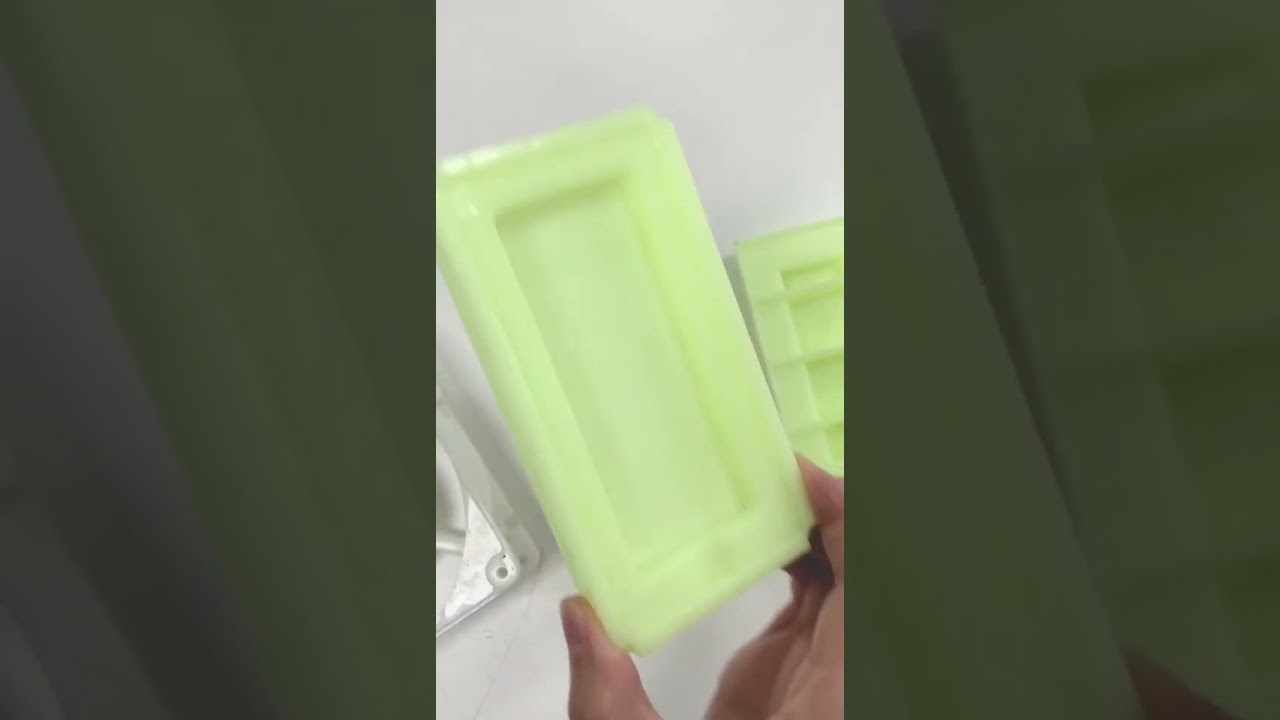
3D printing enables rapid prototyping and quick design validation, helping accelerate product development before mold production.
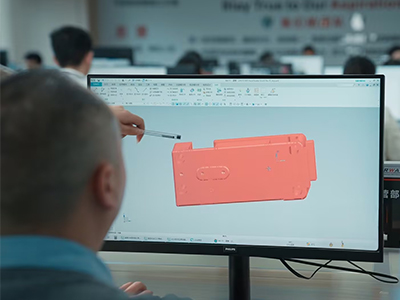
 Mold Design
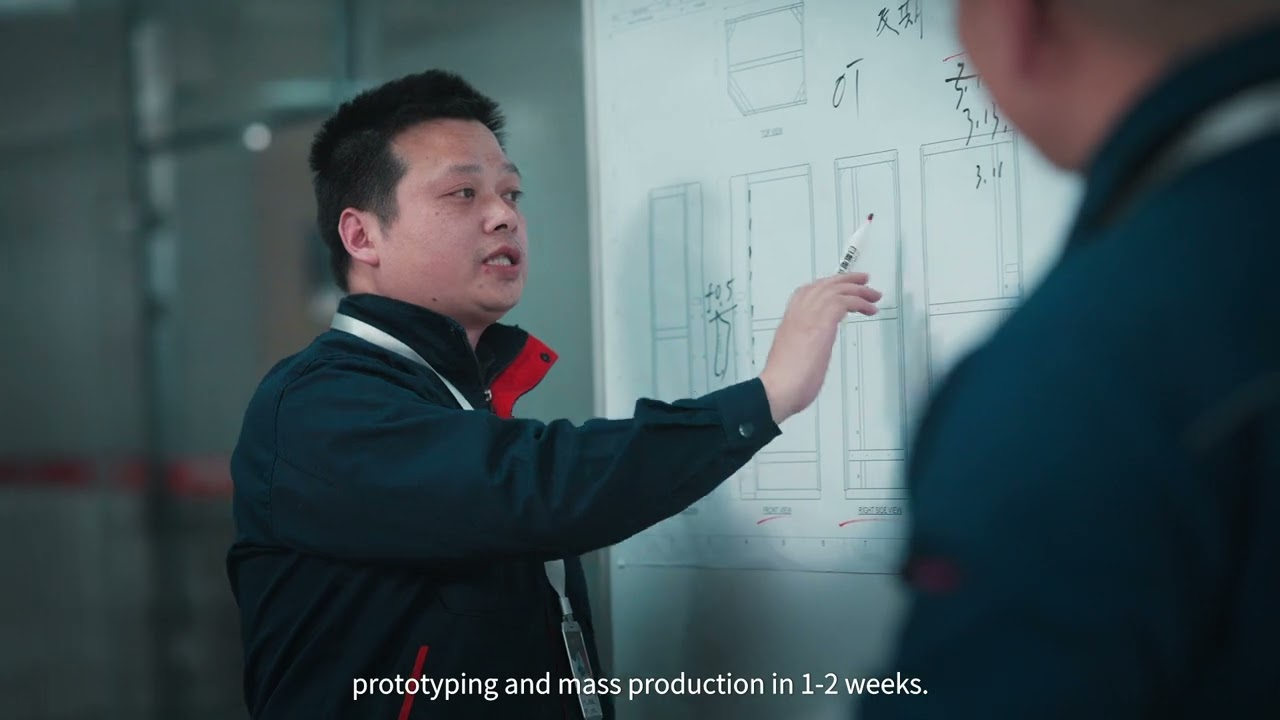
Our engineer team is responsible of designing the mold based on the design, building the injection molds, and testing the prototypes for verification.
Use prototypes to answer specific design questions before investing in a mold, and define what still needs molded-part validation.
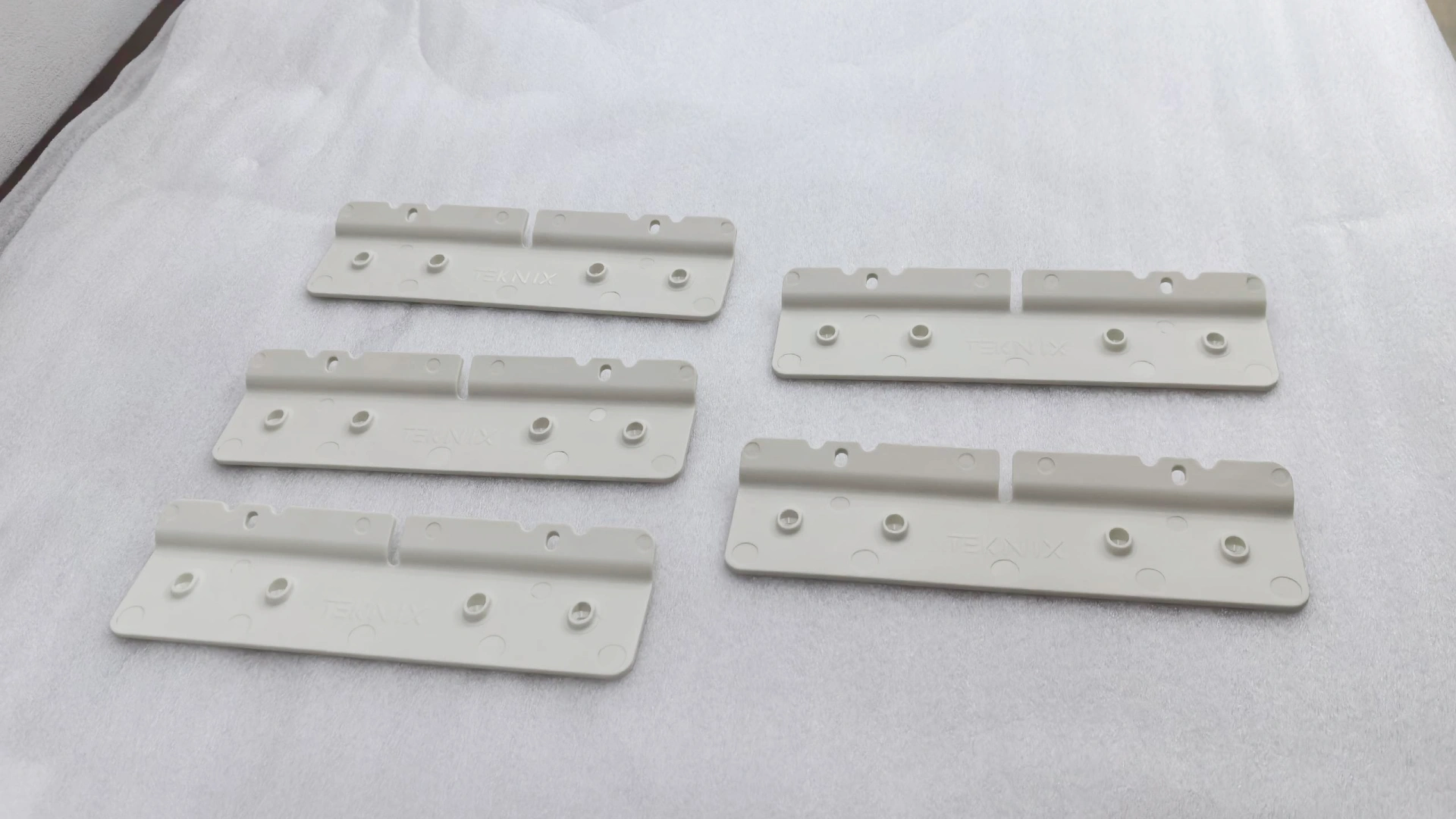
Review overall form, interfaces, clearances and access with mating components. Identify features that need dimensional confirmation before design release.
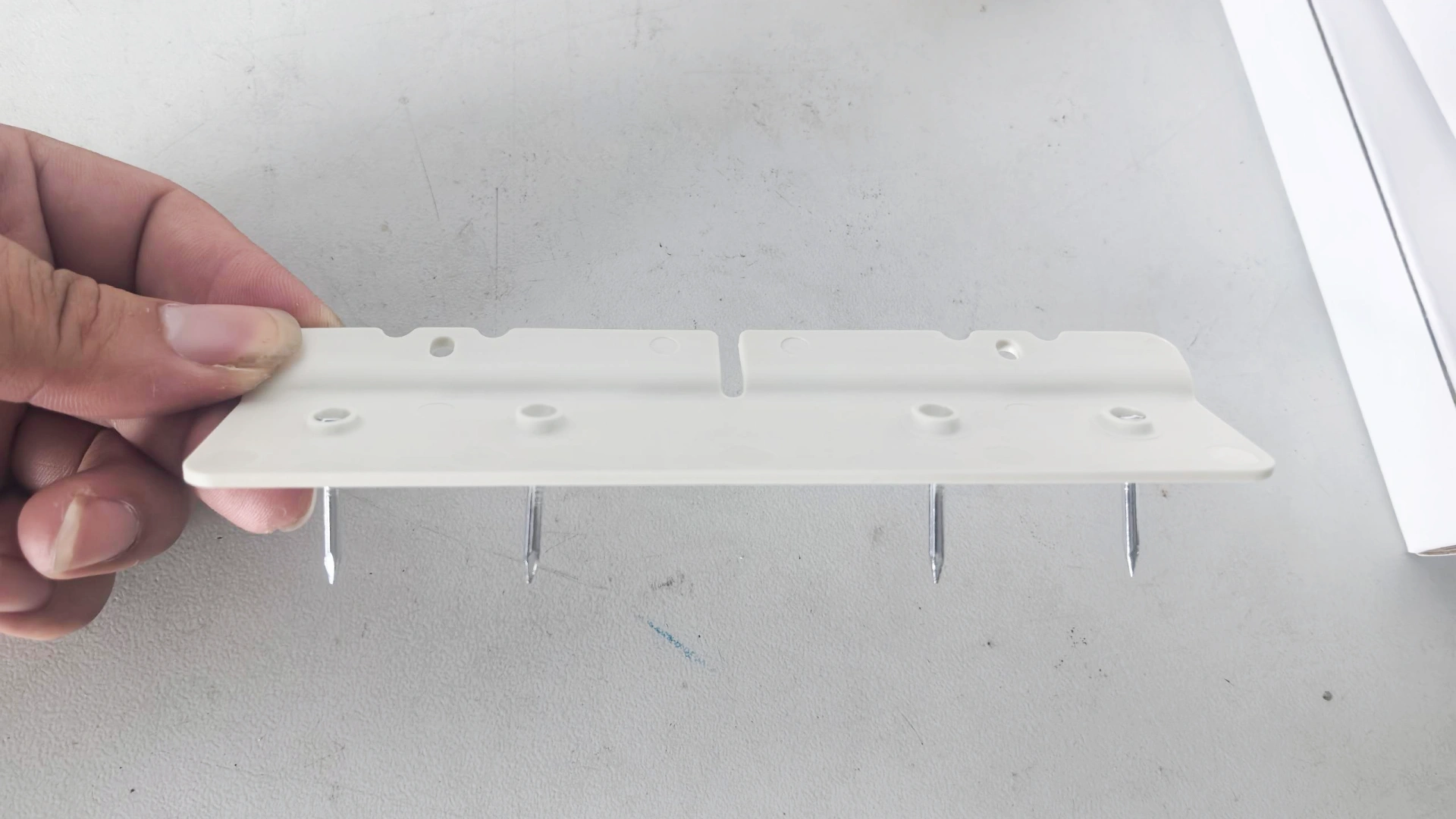
State the loads, movements or operating conditions the prototype must evaluate. Choose the sample material and process around the purpose of the test.
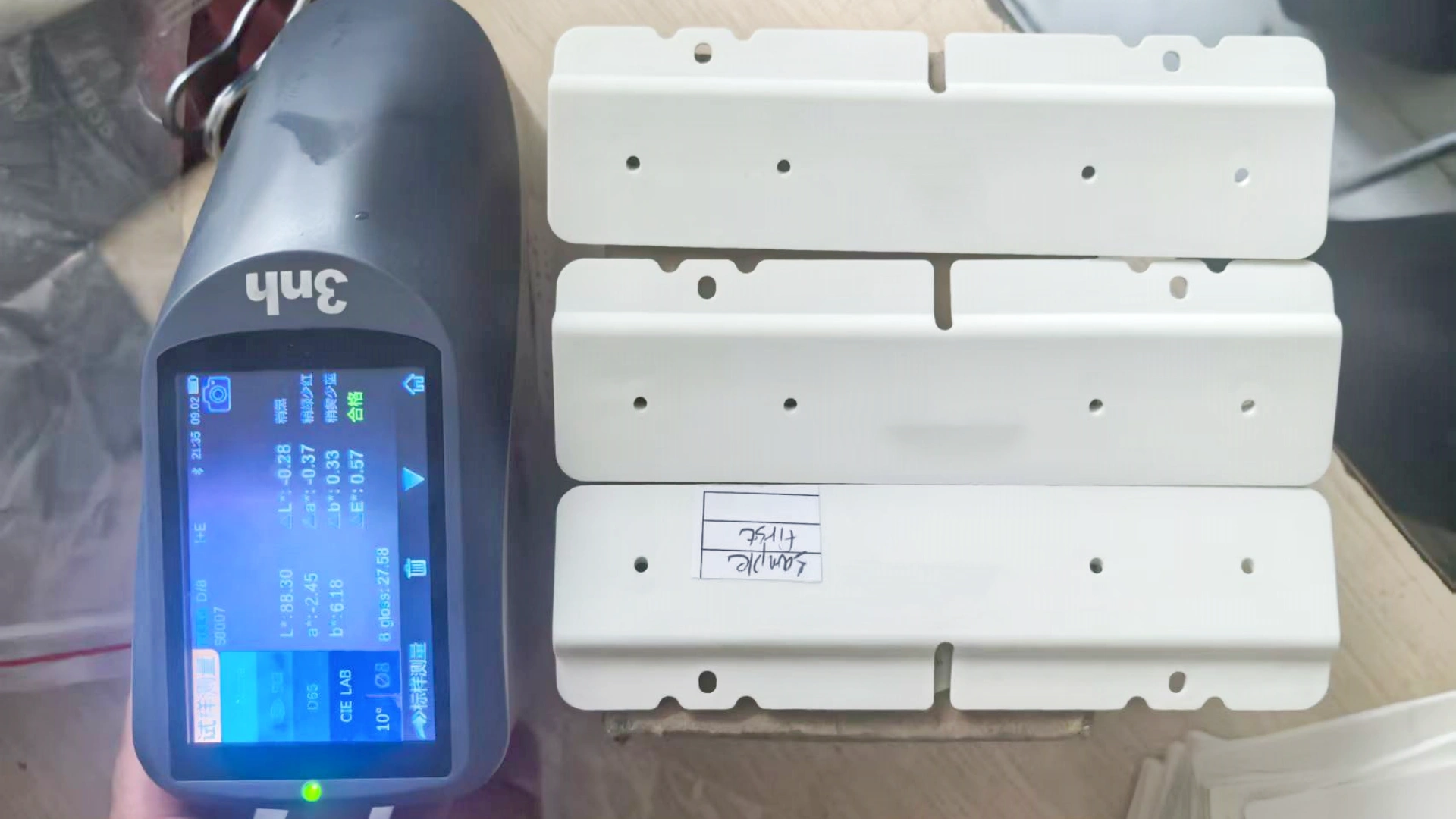
A printed or machined prototype does not reproduce every property of an injection molded part. Resin behavior, shrinkage, weld lines and molded appearance may require trial samples from the intended tooling.
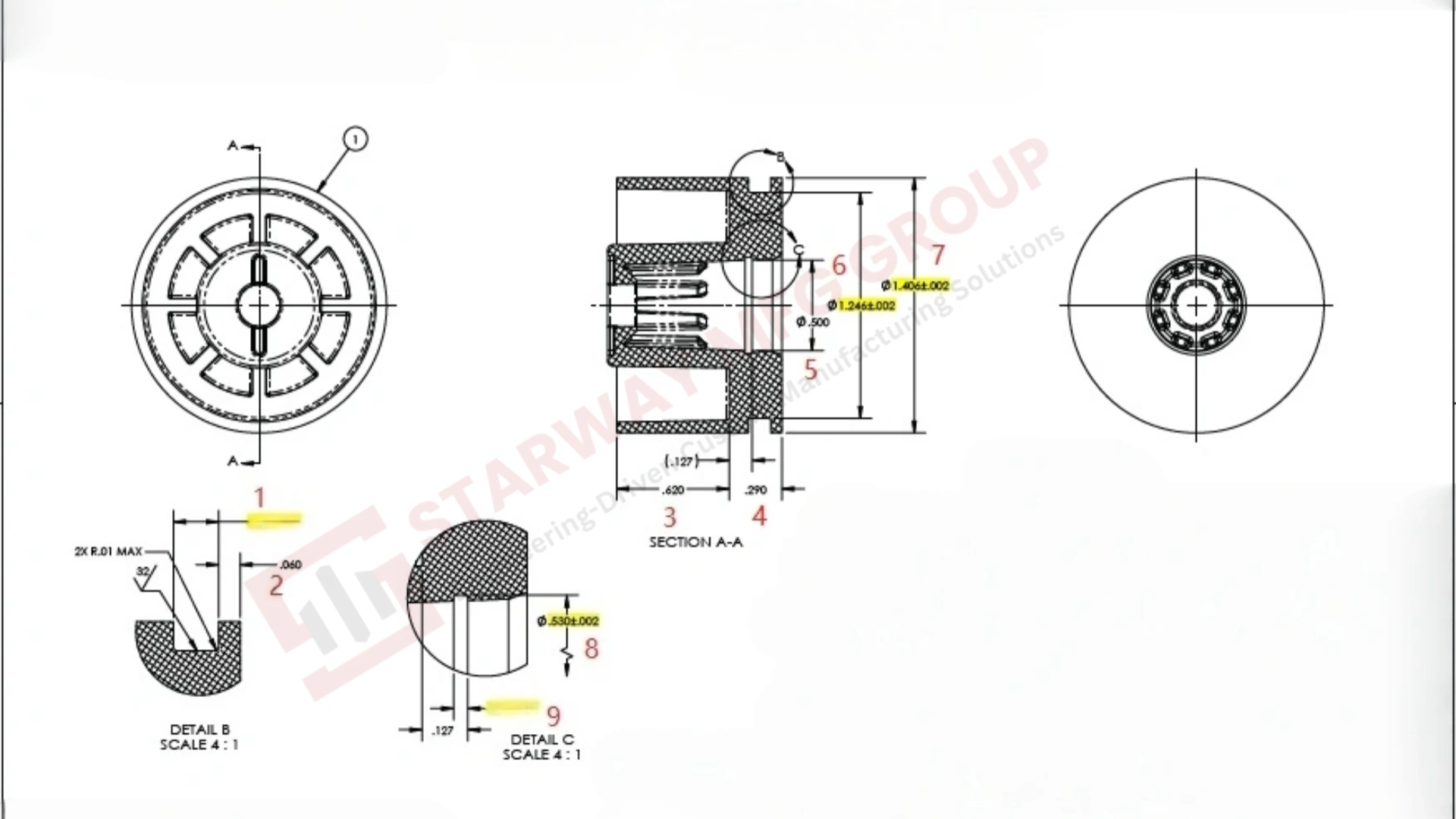
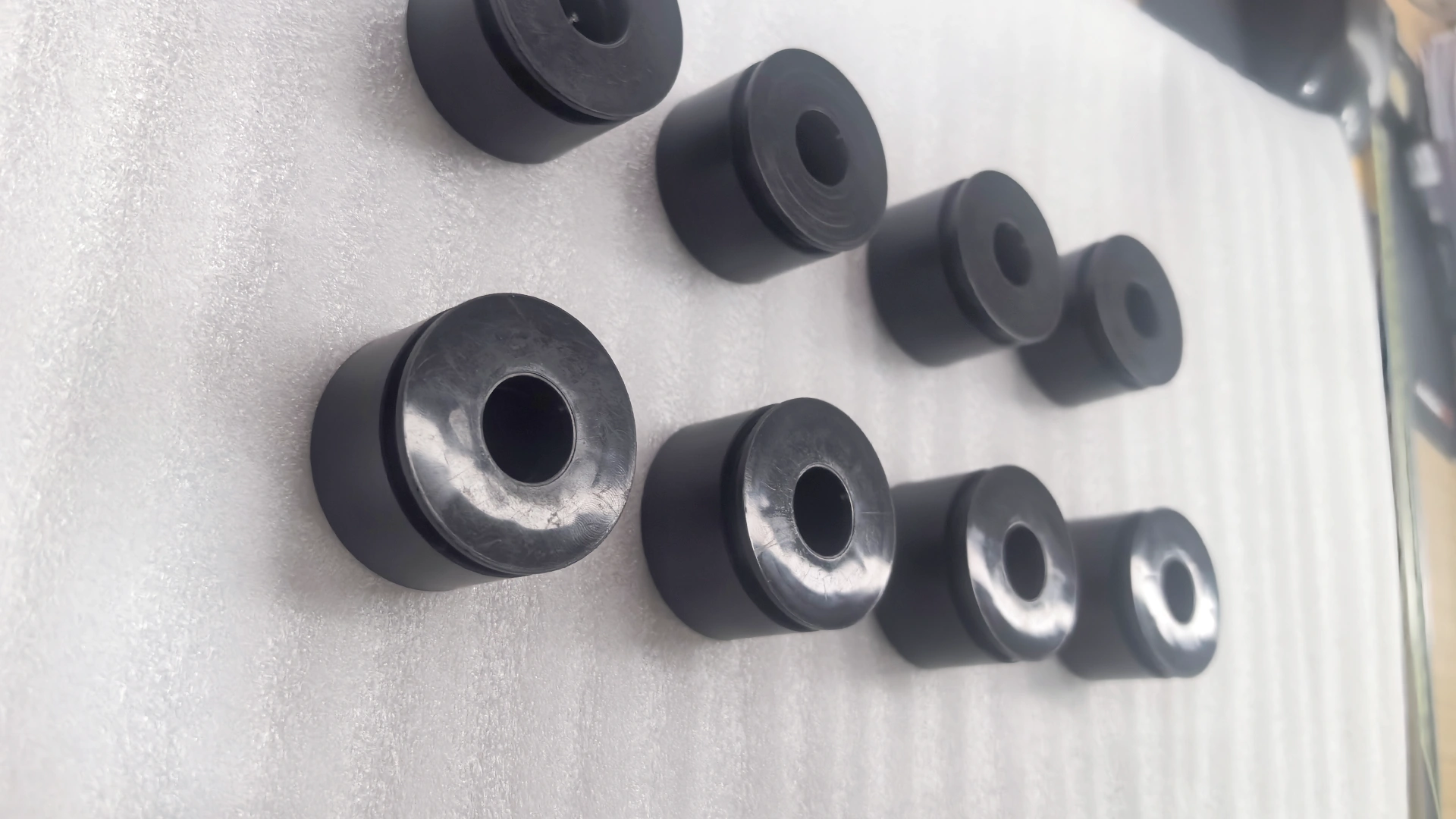
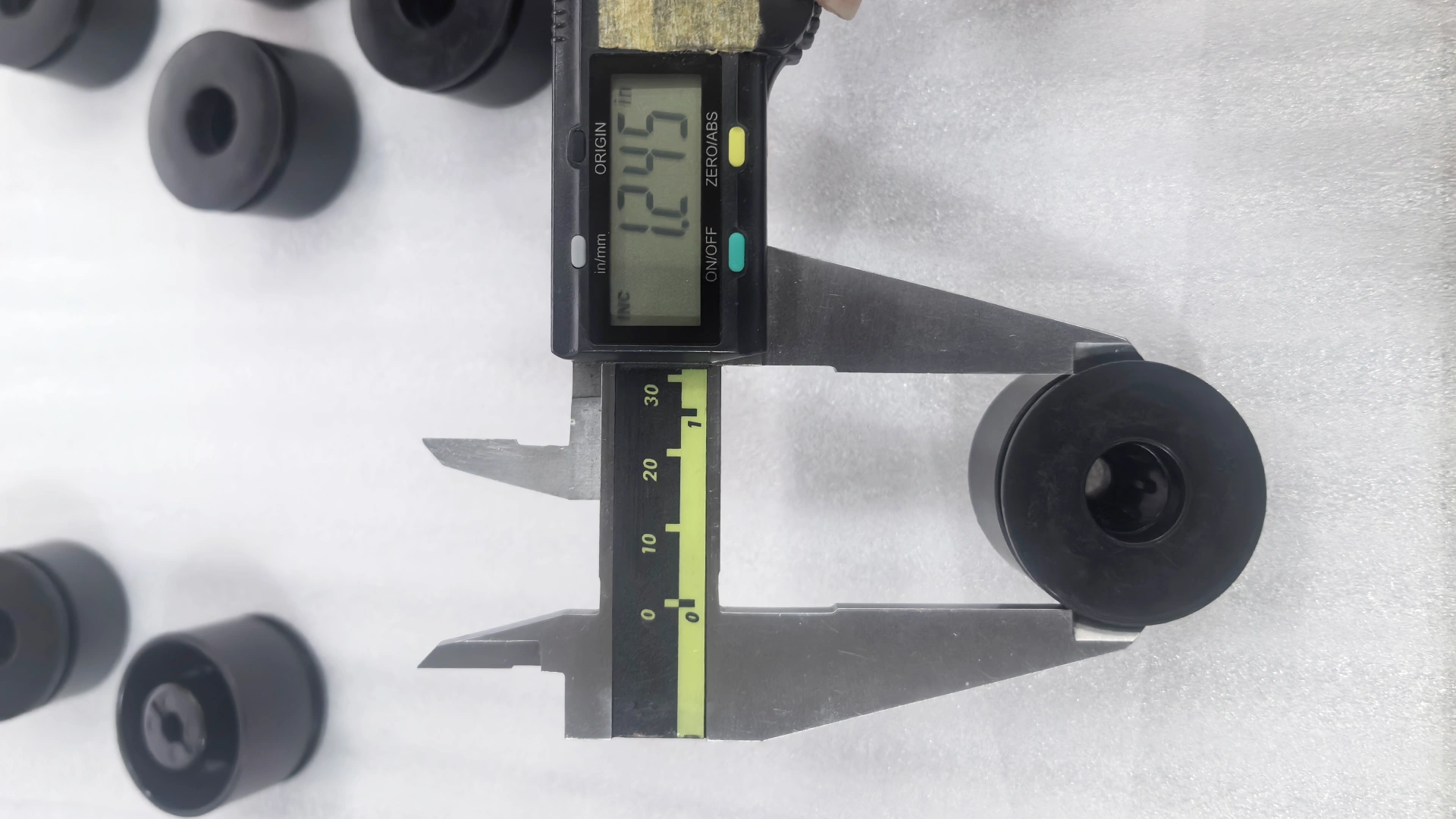
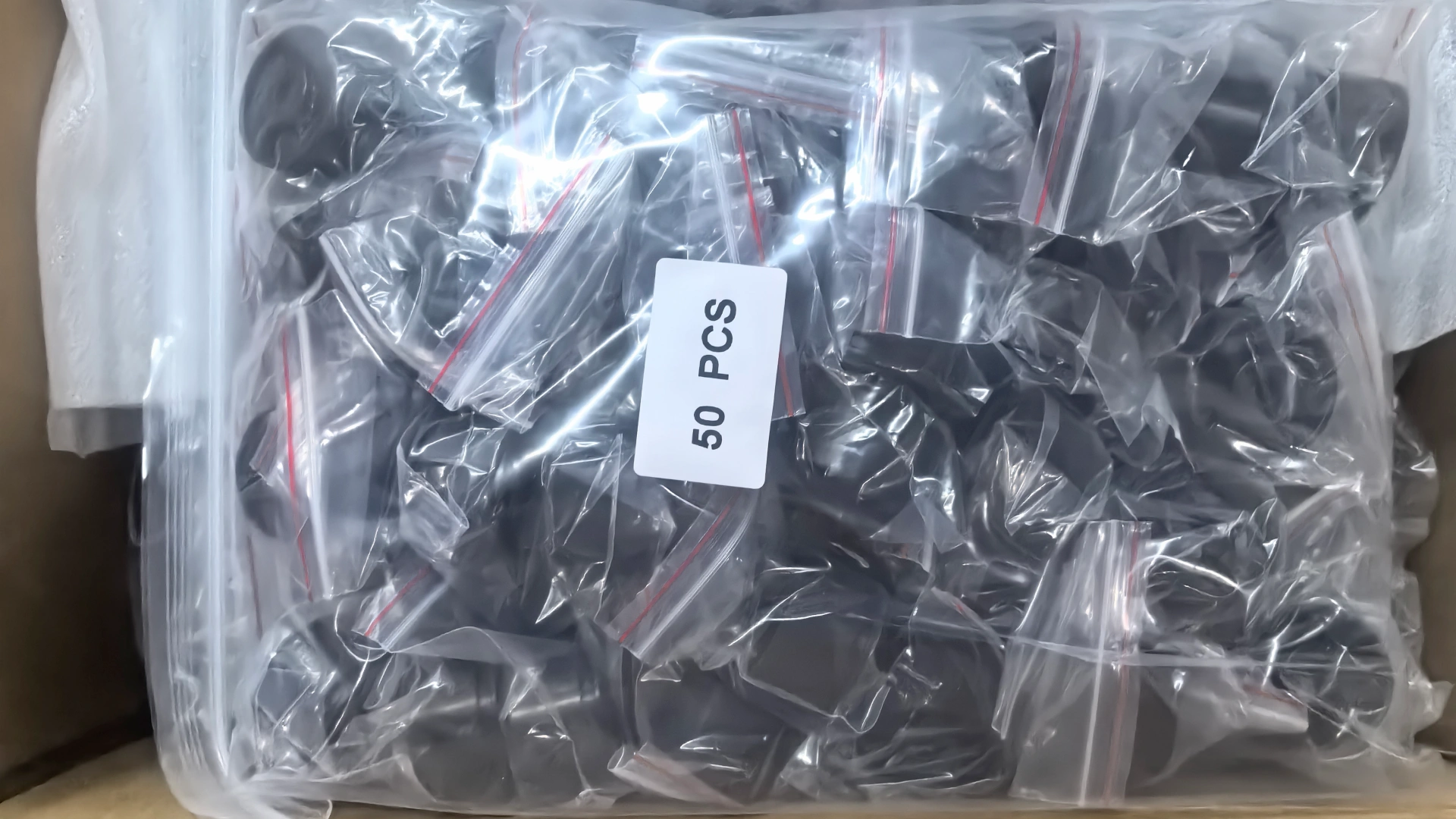
Tooling, trials and production are quoted to the agreed scope, with mold ownership, maintenance and storage clarified.


Define stiffness, impact, wear and repeated movement requirements, including the conditions used to assess performance.
State temperature, chemical exposure, moisture, UV and electrical requirements where relevant.
Provide the specified grade, reinforcement, color and required documentation. Identify restrictions on substitutions or recycled content.
Define visible surfaces, texture, gloss, color references and any printing or coating requirements.


Start with the decision your project needs to make. A prototype may help evaluate geometry and fit. New tooling requires a sufficiently defined design, material and demand plan. Production requires confirmed mold readiness, resin and acceptance requirements. Share your current files so the next step can be reviewed.
It can help assess form, assembly access and selected functional questions. However, printing material and process characteristics differ from injection molding. Shrinkage, weld lines, molded appearance and final resin performance may still need validation using trial parts from the intended mold.
Review design readiness, wall sections, draft, undercuts, critical fits and appearance. Provide the intended resin, expected quantities and testing requirements. Tooling scope, trial stages, ownership and maintenance arrangements should be clarified before construction. Detailed DFM and mold decisions are addressed during tooling review.
Provide the resin grade where known, together with mechanical, temperature, chemical and environmental requirements. Include reinforcement, color, recycled-content restrictions and required documentation. If the grade is undecided, describe the application. Prototype and production materials should not be assumed to perform identically.
Design complexity, resin, mold construction, cavity strategy, expected volume, appearance and inspection all affect the quotation. Separate design review, tooling, trial samples, approval and production when planning the schedule. Costs and lead times are confirmed for the agreed scope rather than one universal timeline.
An existing mold can be reviewed, but acceptance depends on its condition, documentation and compatibility with the proposed production setup. Share mold specifications, ownership authorization, maintenance information and previous sample or production records. Any trials, repairs or modifications must be agreed before production release.
Agree on the drawing revision, resin, approved sample references and acceptance criteria. Define critical dimensions, cosmetic inspection conditions, sampling and required records. Where assembly is included, provide mating components, joining requirements and functional checks. Packaging and identification should match the agreed delivery condition.
Send your current model and drawing, project stage, material requirements and quantities. Explain what needs validation and include appearance, testing, assembly and target-date requirements. For production, provide mold and sample-approval information. Incomplete designs can be discussed, with unresolved decisions identified before the next stage.

This website uses cookies to provide you with a personalized browsing experience and analyze website traffic. By clicking "Accept", you agree to our use of cookies.