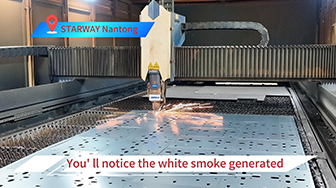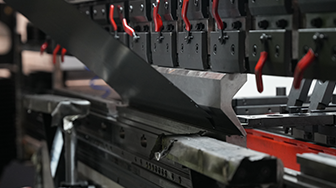

Sheet Metal Fabrication Design Engineering Project management Assembly Rapid Prototyping Packaging Shipping & Delivery
CNC Machining Design Engineering Project management Assembly Rapid Prototyping Packaging Shipping & Delivery
Plastic Injection Molding Design Engineering Project management Assembly Rapid Prototyping Packaging Shipping & Delivery

✓ Professional Consulting Team ✓ Fast Prototyping (1-2 weeks) ✓ Automated & Smart Manufacturing ✓ Easy Shipping (EXW, FOB, CIF, DDP) ✓ Global Markets Served

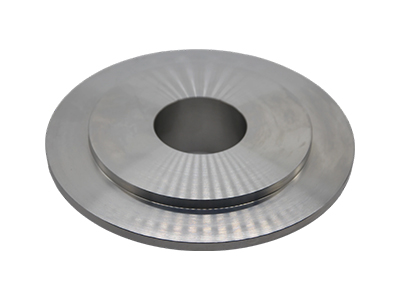
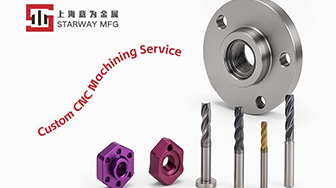
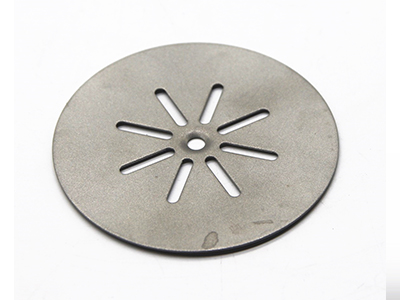
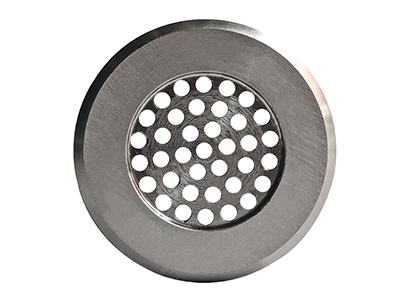
CNC Grinding is a precision machining process that uses computer-controlled grinding machines to remove material from a workpiece. It is designed to achieve high accuracy, smooth surface finishes, and tight tolerances for complex parts. This process is widely used in industries like automotive, aerospace, electronics, and medical devices.
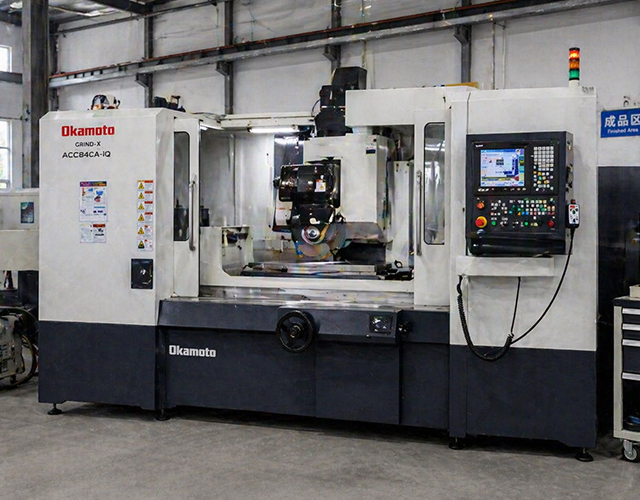
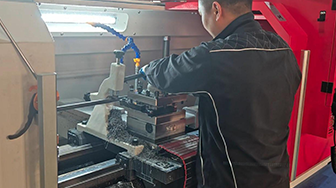
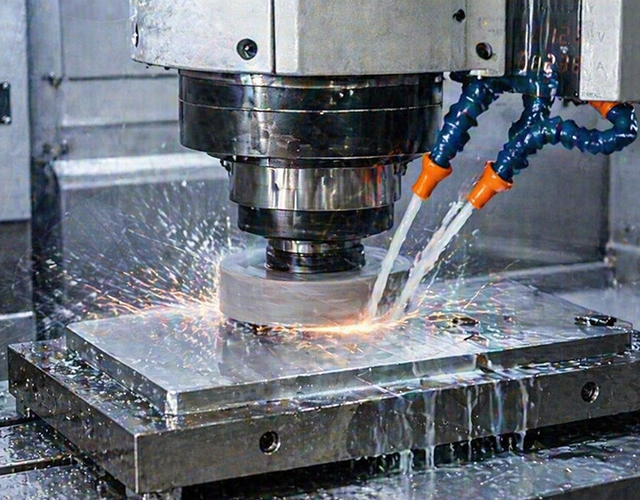
CNC Grinding works by rotating a grinding wheel against a workpiece while the computer-controlled machine moves the part in multiple axes. This allows for precise shaping, finishing, and surface smoothing of metals, plastics, or other materials. The process can be divided into several types: cylindrical grinding, surface grinding, centerless grinding, and internal grinding. Each method ensures accuracy, surface quality, and repeatability for industrial applications.
| Parameter | CNC Milling | CNC Turning | CNC Grinding |
|---|---|---|---|
| Process Type | Subtractive cutting via rotating tool against stationary workpiece. | Subtractive cutting via stationary tool against rotating workpiece. | Abrasive material removal using bonded grinding wheels. |
| Typical Tolerance | ±0.025–±0.05 mm; ±0.01 mm achievable on critical features. | ±0.025–±0.05 mm; ±0.005–±0.01 mm on Swiss-type / precision turning. | ±0.002–±0.01 mm (precision grinding); ±0.001 mm on jig grinding. |
| Surface Roughness Ra | 1.6–3.2 μm typical; 0.8 μm with finishing pass. | 1.6–3.2 μm typical; 0.8 μm with finishing pass. | 0.2–0.8 μm typical; 0.05 μm achievable on superfinishing. |
| Starway Equipment Range | X 1500 × Y 800 × Z 700 mm (machine dependent). | Max turning Φ up to ~500 mm; bed length up to ~1500 mm. | Limited precision travel; please request specs per project. |
| Workpiece Shape | Prismatic / 3D / cavities. | Cylindrical / shafts / discs. | Cylindrical / flat / form-ground profiles. |
| Materials | Steel, aluminum, brass, copper, plastics, composites. | Steel, aluminum, brass, copper, plastics. | Hardened steel, tool steel, ceramic, carbide, hard plastics. |
| Best Applications | Brackets, housings, molds, slots, threads. | Shafts, bushings, fittings, pins. | Bearing journals, gauges, precision shafts, mold cores. |
| Material Removal Rate | High | High | Low (designed for precision, not bulk) |
| Advantages | Flexible geometry, wide material range. | High efficiency for rotational parts. | Best-in-class accuracy and surface finish. |
| Limitations | Surface finish below grinding. | Limited to rotational geometries. | Low MRR, longer cycle, higher cost per feature. |

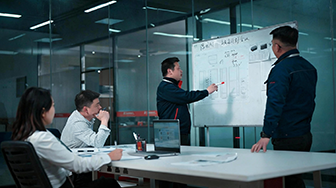
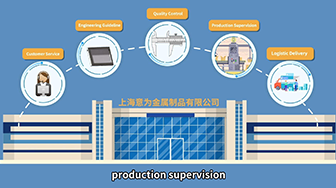
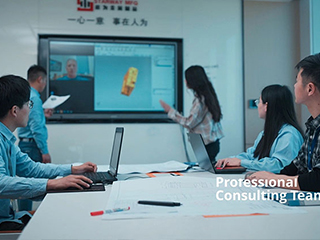
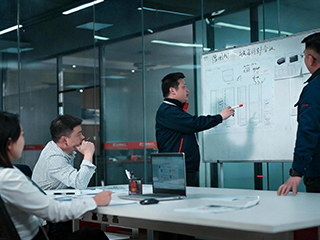
Engineering Consultation That Reduces Manufacturing Risk At Starway, engineering involvement starts before production begins. Our engineers work closely with customers to review drawings, tolerances, materials, and manufacturing feasibility, identifying potential risks early and proposing optimized solutions. By integrating engineering and sales teams, we ensure that technical decisions are accurately translated into cost, lead time, and production plans — avoiding surprises during execution.

New project success depends on speed, accuracy, and adaptability. Starway operates a dedicated project development team combining engineering, prototyping, and quality control. This allows us to deliver prototypes within 1–2 weeks, validate manufacturability quickly, and resolve technical challenges through real production trials — not assumptions.
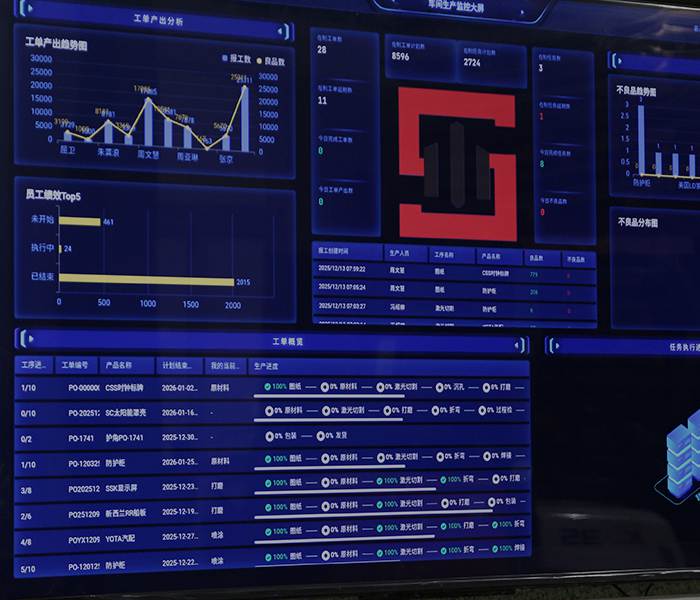
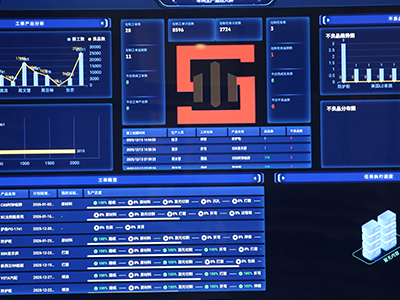
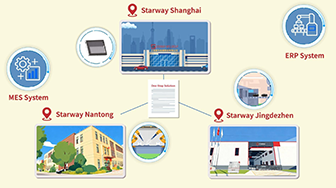
On-time delivery and consistent quality are not outcomes — they are engineered results. All orders are managed through our MES system, enabling real time production tracking, quality traceability, and cross department coordination. This system-driven approach allows us to proactively manage risks, maintain schedule integrity, and keep customers informed with accurate production data.

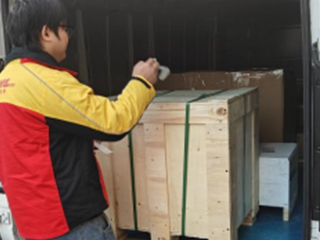
At Starway, Easy Shipping is another key advantage. Our goal is to make customers' shipping easy, safe, and fully trackable. Our professional logistics team helps our customers handle all types of shipments — both air and sea — including EXW, FOB, CIF, DDP, etc. Our shipping system enables us to track and monitor all shipments in transit, ensuring they arrive safely and on time. Our customers are updated regularly with their shipping status.
Stainless steels are widely used in CNC machining due to their excellent corrosion resistance and strength.
Carbon and alloy steels offer high strength and durability for mechanical components, shafts, and industrial parts.
Aluminum alloys are lightweight, corrosion-resistant, and easy to machine. They are commonly finished with anodizing or coating to enhance surface durability.
Titanium and other high-strength alloys provide exceptional strength-to-weight ratios and corrosion resistance.
Engineering plastics such as POM (Delrin), Nylon, and ABS are easy to machine and lightweight.
Copper and brass are ductile and offer good thermal and electrical conductivity. They are often used in electrical components
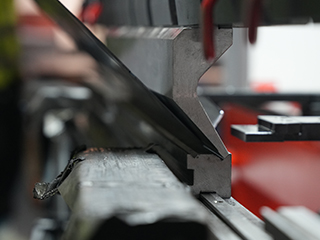
CNC Grinding is a process that uses computer-controlled machines to bend metal sheets or tubes into precise shapes.
Common materials include stainless steel, carbon steel, aluminum, and copper alloys.
Typical tolerances are ±0.1 mm to ±0.3 mm, depending on material and geometry.
Sheet CNC Grinding forms flat materials, while CNC Grinding creates curves in pipes or tubes.
It usually depends on material thickness, but typically ≥ material thickness.
Yes, CNC Grinding supports multiple bends and complex geometries.
Yes, CNC Grinding can cause stress, but proper design minimizes impact.
Automotive, electronics, construction, and industrial equipment.
Yes, commonly combined with laser cutting, welding, and finishing.
STEP, IGES, DXF, DWG, and PDF.
Production speed depends on complexity, but small batches are fast.
Yes, especially for custom parts and medium-volume production.
Using CNC control, tooling, and inspection.
Springback is when material slightly returns after CNC Grinding.
Yes, depending on machine capacity and tooling.
Optional finishing includes coating, polishing, etc.
Upload your drawings for a fast and accurate quotation.



This website uses cookies to provide you with a personalized browsing experience and analyze website traffic. By clicking "Accept", you agree to our use of cookies.


 Global