
Sheet Metal Fabrication Design Engineering Project management Assembly Rapid Prototyping Packaging Shipping & Delivery
CNC Machining Design Engineering Project management Assembly Rapid Prototyping Packaging Shipping & Delivery
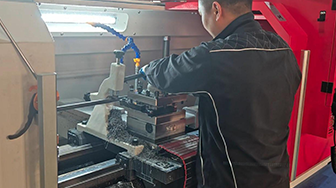
Plastic Injection Molding Design Engineering Project management Assembly Rapid Prototyping Packaging Shipping & Delivery
✓ Rapid prototyping services ✓ Custom rapid prototyping ✓ Rapid prototype manufacturer ✓ Plastic rapid prototyping ✓ Metal rapid prototyping ✓ Rapid prototyping company China ✓ CNC rapid prototyping ✓ 3D printing prototyping service ✓ Prototype tooling service

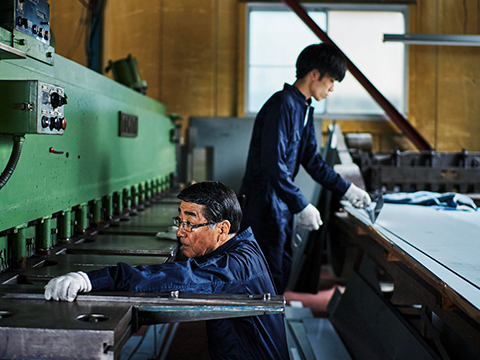
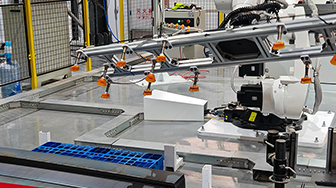
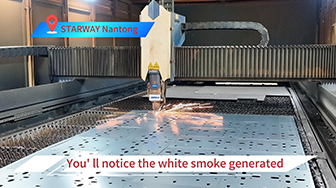
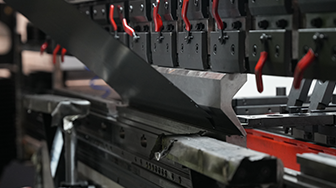
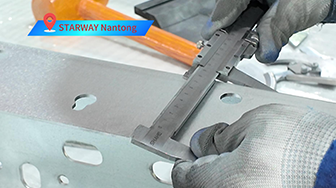
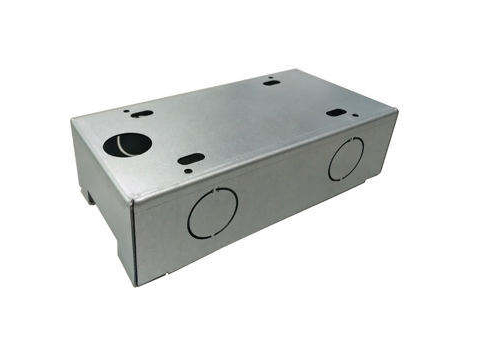
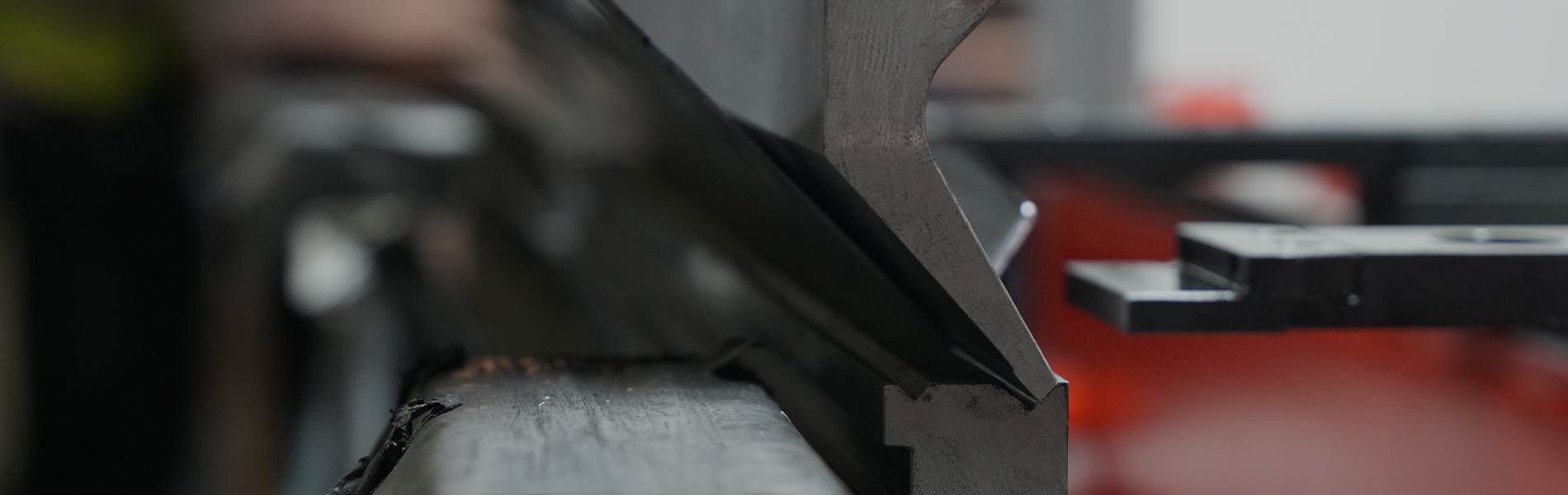
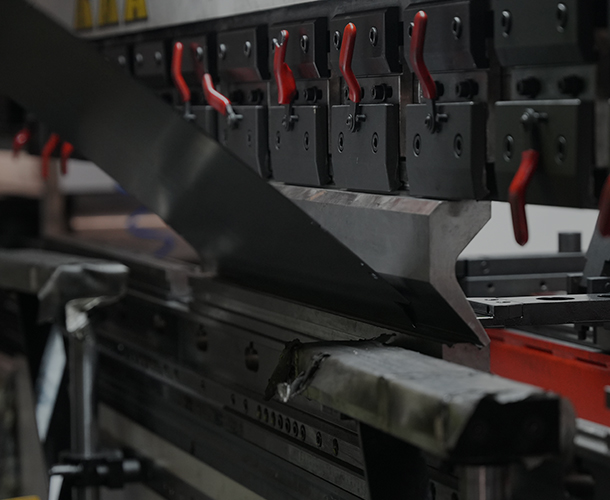
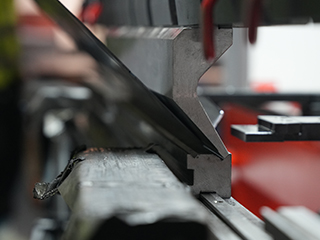
Sheet metal prototyping is widely used for producing fast, functional metal parts such as enclosures, brackets, housings, panels, and structural components. At Starway, we provide custom sheet metal prototyping services using laser cutting, CNC bending, punching, welding, and finishing processes to deliver accurate and production-ready parts.
This method is ideal when you need rapid metal prototyping with real material performance, especially for applications requiring strength, durability, and assembly verification.
We support a wide range of materials including aluminum, stainless steel, carbon steel, and galvanized steel, ensuring your prototype matches actual production conditions.
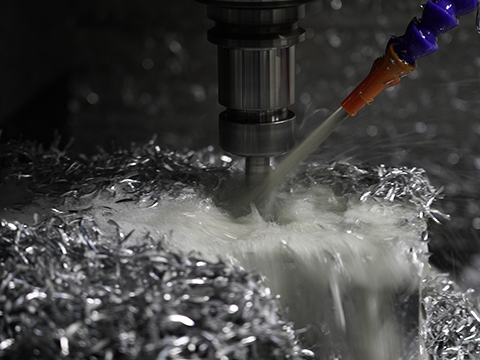
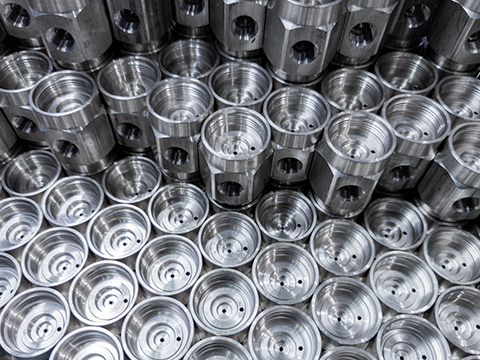
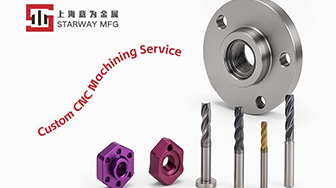
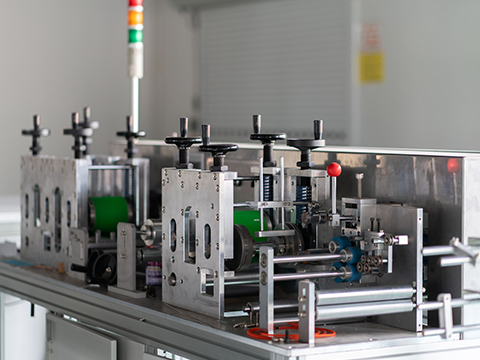
CNC machining prototyping is the most reliable solution for producing high-precision prototype parts in both plastics and metals. Starway offers CNC rapid prototyping services using 3-axis and 5-axis machining centers, ensuring tight tolerances and excellent surface finishes.
This process is ideal for functional prototypes, engineering validation, and parts requiring exact geometry and performance testing.
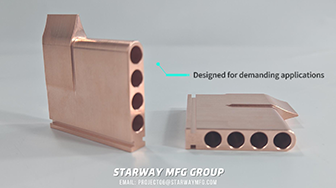
We machine a wide range of materials including aluminum, stainless steel, brass, copper, ABS, PC, POM, and other engineering plastics.

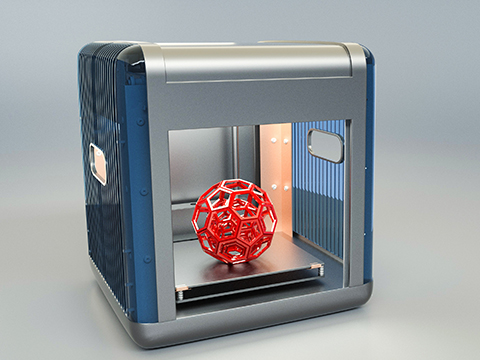
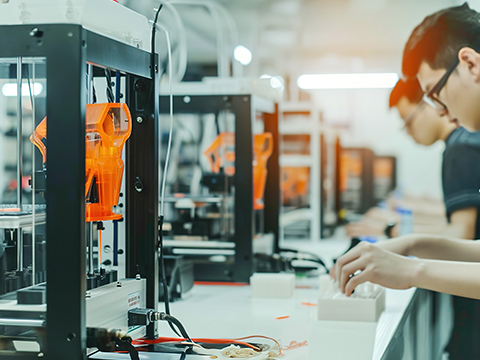
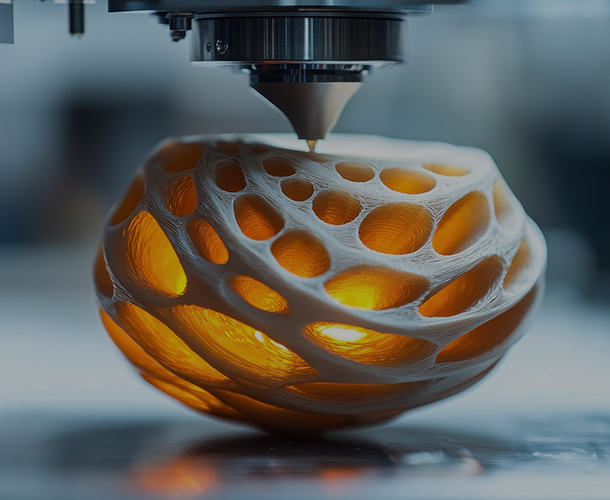
3D printing prototyping is the fastest way to turn a digital design into a physical model. Starway provides 3D printing prototyping services using technologies such as SLA, SLS, and FDM, allowing customers to quickly evaluate design concepts and complex geometries.
This method is especially suitable for early-stage design validation, appearance models, and complex structures that are difficult to machine.
3D printing offers flexibility in shape, speed, and cost, making it a key part of modern rapid prototyping strategies.
Purpose Quantity Speed Priority Cost Focus Process Flexibility Tooling Need Material Choice Main Goal
Design validation, testing, iteration 1–20+ pcs typical Very high Fast verification Very flexible Often no tooling or soft tooling Broad, including simulation materials Validate the design
Small-batch supply, market launch, bridge production 20–10,000 pcs typical High but more production-focused Unit cost optimization More process stability required May require tooling depending on volume Closer to end-use production materials Support real commercial use
Typical Use Tooling Lead Time Tooling Cost Production Volume Tool Life Material Compatibility Cooling Efficiency Cycle Time Material Waste Surface Finish Tolerance Capability Design Complexity Modification Flexibility Unit Cost (per part) Initial Investment Best For Typical Industries
Rapid prototyping 7–15 days Low 100 – 10,000 5k–20k shots All engineering plastics Excellent Fast Medium Good ±0.05–0.10 mm Limited Easy High Low Fast validation Consumer electronics
Mass production 20–45+ days High 50,000 – 1,000,000+ 100k–1M+ shots All engineering plastics Moderate Standard Medium Excellent (mirror/texture) ±0.02–0.05 mm Excellent Difficult Low (at scale) High High-volume mass production Automotive, medical
Low-volume production 10–25 days Medium 500 – 50,000 10k–100k shots Most plastics Good Medium Medium Good ±0.03–0.08 mm Good Moderate Medium Medium Pre-production testing Hardware startups
High efficiency production +5–10 days vs standard High Medium to high Same as base mold All thermoplastics Very good Reduced cycle time Minimal (no runner) Excellent Same as base mold High Difficult Lowest at scale Very high High efficiency & quality High-end manufacturing
Standard molding Standard Low Low to medium Same as base mold All thermoplastics Standard Longer cooling cycle High (runner waste) Good Same as base mold Medium Easy Medium Low Cost-sensitive projects General industry
High-volume production +10–20% longer High Very high Same as base mold Same material only Depends on design Faster per unit Medium Excellent Same as base mold High Difficult Very low High Large orders Packaging, electronics
Multi-material / assembly +10–25% longer High Medium to high Lower due to complexity Multi-material (plastic + metal / soft rubber) Complex cooling Longer Medium Excellent Slightly reduced Very high Difficult Higher High Functional integration Medical, electronics
Rapid prototyping is a manufacturing process used to quickly produce physical parts from CAD designs for testing, validation, and design iteration.
Rapid prototyping services are used for concept verification, functional testing, design validation, and pre-production evaluation.
Common rapid prototyping processes include CNC machining, 3D printing, vacuum casting, sheet metal fabrication, and prototype tooling.
Materials include ABS, PC, Nylon, POM, aluminum, stainless steel, and various resin and PU casting materials.
3D printing is typically the fastest method for rapid prototyping, especially for concept models and complex geometries.
CNC prototyping is better when you need high precision, tight tolerances, and real engineering materials for functional testing.
Vacuum casting is used for low-volume plastic prototyping, producing multiple parts with good surface finish and consistent quality.
Prototype tooling is a fast and cost-effective mold solution used to produce injection molded parts before full-scale production.
Tolerance depends on the process. CNC machining can achieve very tight tolerances, while 3D printing and casting vary based on material and geometry.
Lead time depends on the process and complexity, but many rapid prototype parts can be delivered within a few days.
Yes, rapid prototyping is widely used for functional testing, assembly verification, and performance evaluation.
Yes, processes like CNC machining, vacuum casting, and prototype tooling are suitable for low-volume manufacturing.
Rapid prototyping focuses on design validation, while low-volume manufacturing focuses on producing small batches for actual use or market testing.
The choice depends on your requirements for speed, material, accuracy, quantity, and budget.
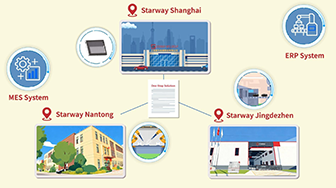
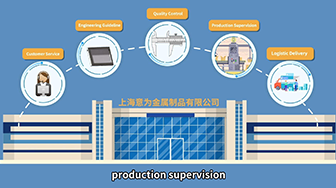
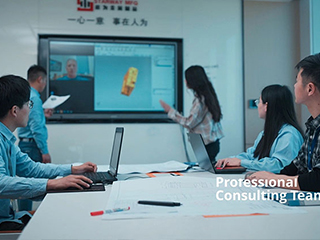
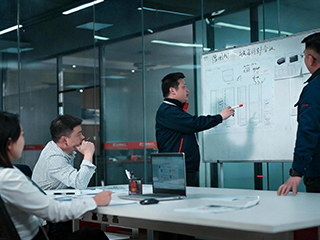
Starway provides integrated rapid prototyping services, from design support to production, helping customers move efficiently from concept to manufacturing.



This website uses cookies to provide you with a personalized browsing experience and analyze website traffic. By clicking "Accept", you agree to our use of cookies.


 Global