
Sheet Metal Fabrication Design Engineering Project management Assembly Packaging Rapid Prototyping Shipping & Delivery
CNC Machining Design Engineering Project management Assembly Packaging Rapid Prototyping Shipping & Delivery
Plastic Injection Molding Design Engineering Project management Assembly Packaging Rapid Prototyping Shipping & Delivery
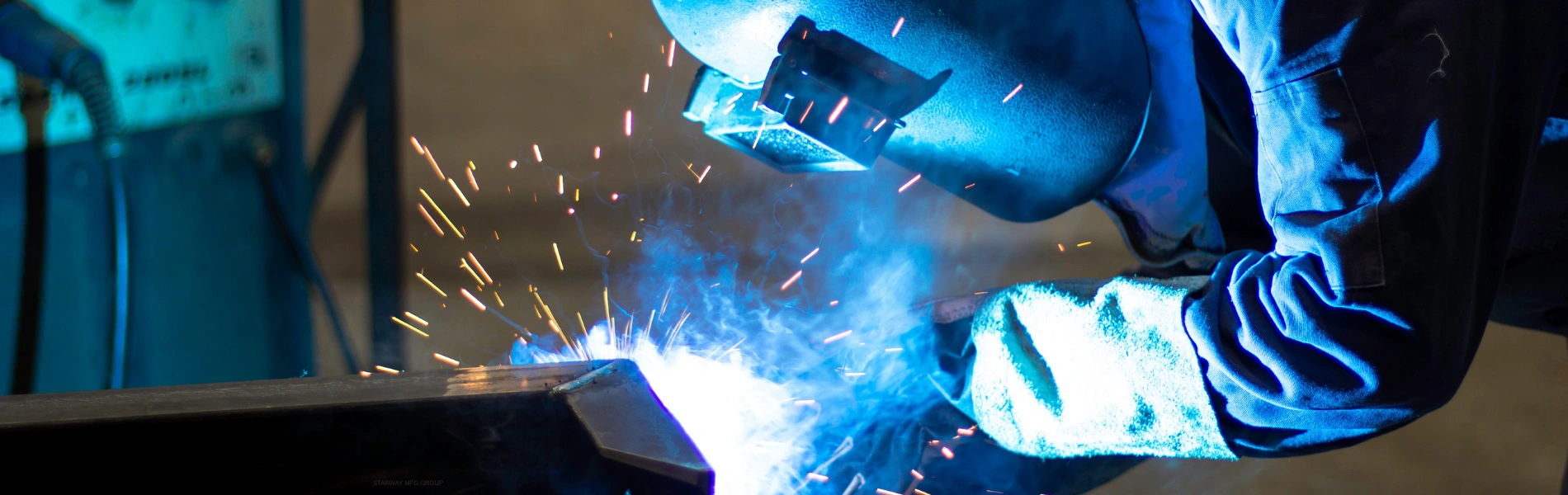
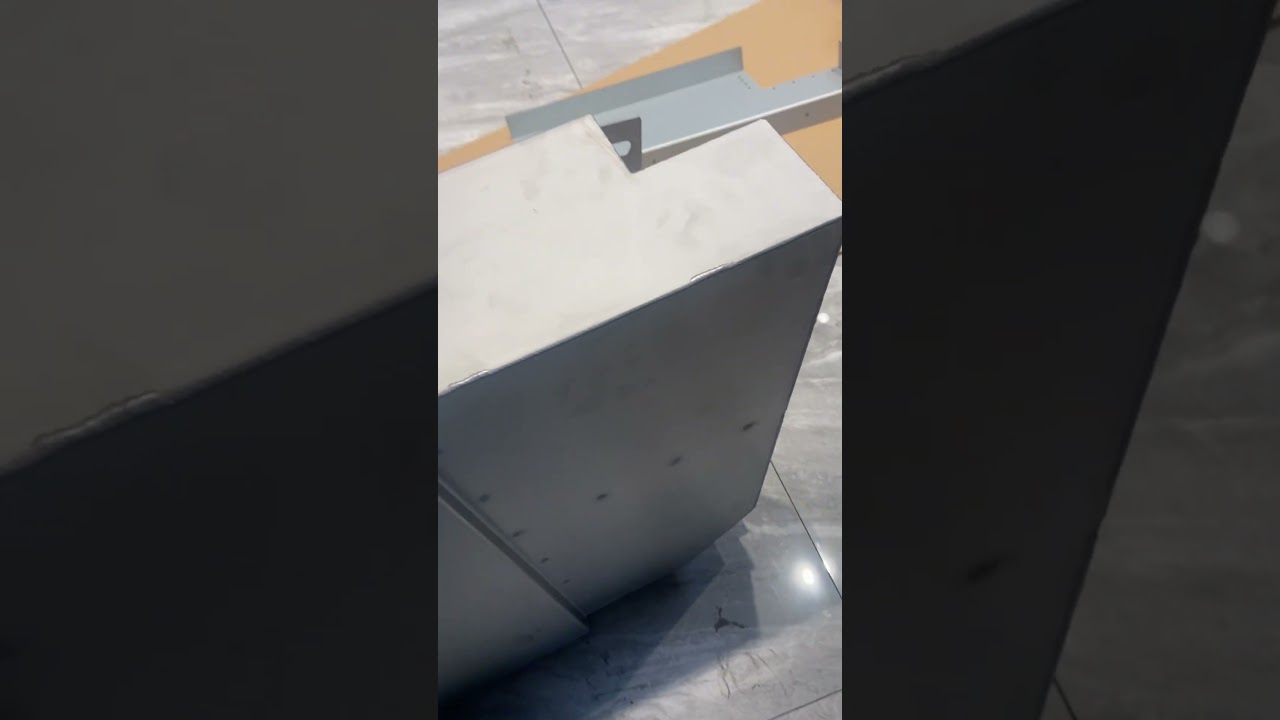
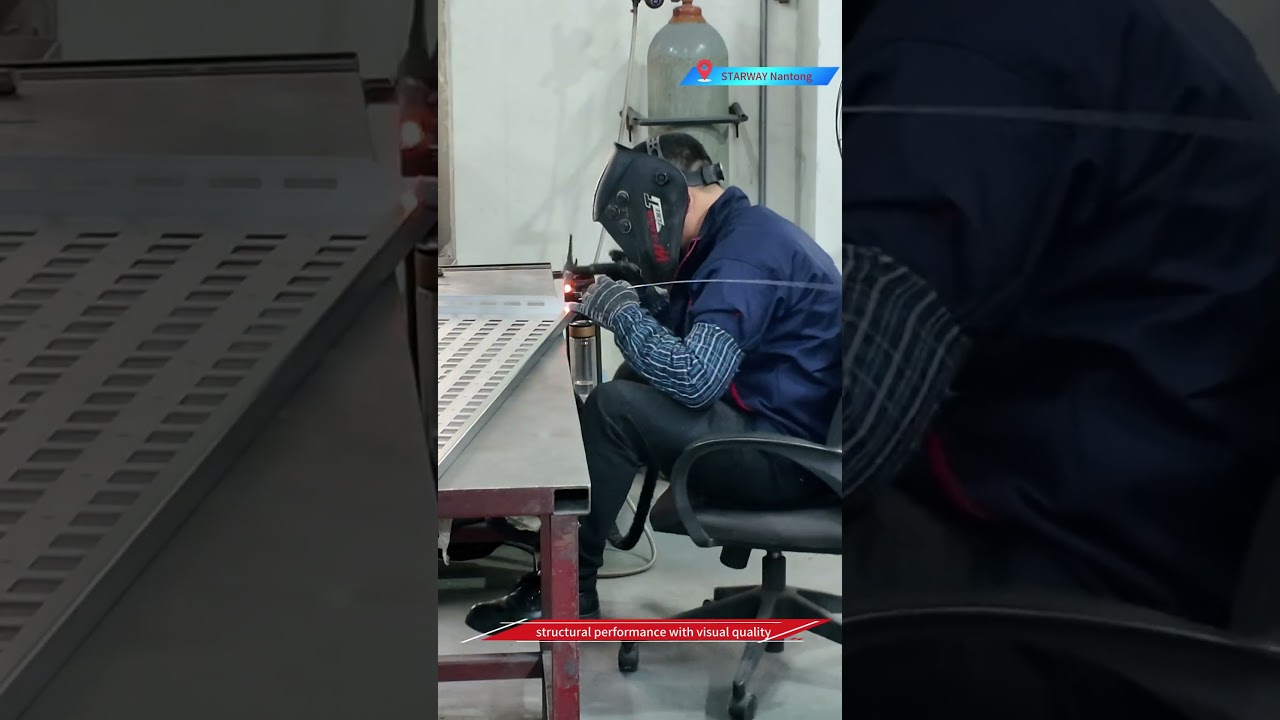
Custom welding and metal fabrication for welded metal assemblies in steel, stainless steel and aluminum, with fit, distortion and appearance reviewed first.
✓ Engineering review of joints and assembly requirements ✓ Fixture planning for fit and distortion control ✓ Inspection against agreed acceptance criteria

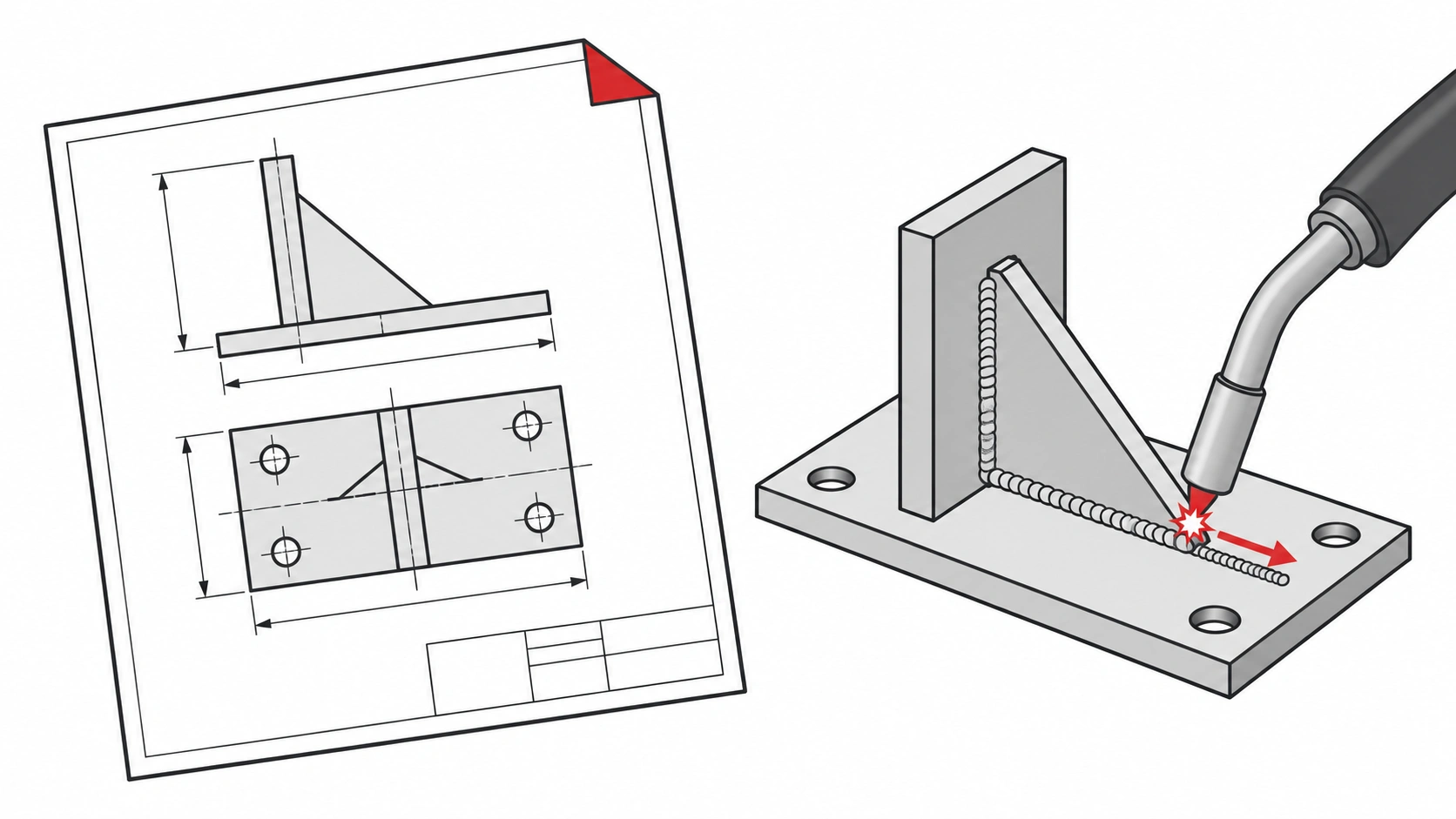
Share your joint drawing and assembly requirements so we can review fit-up, appearance and inspection needs.
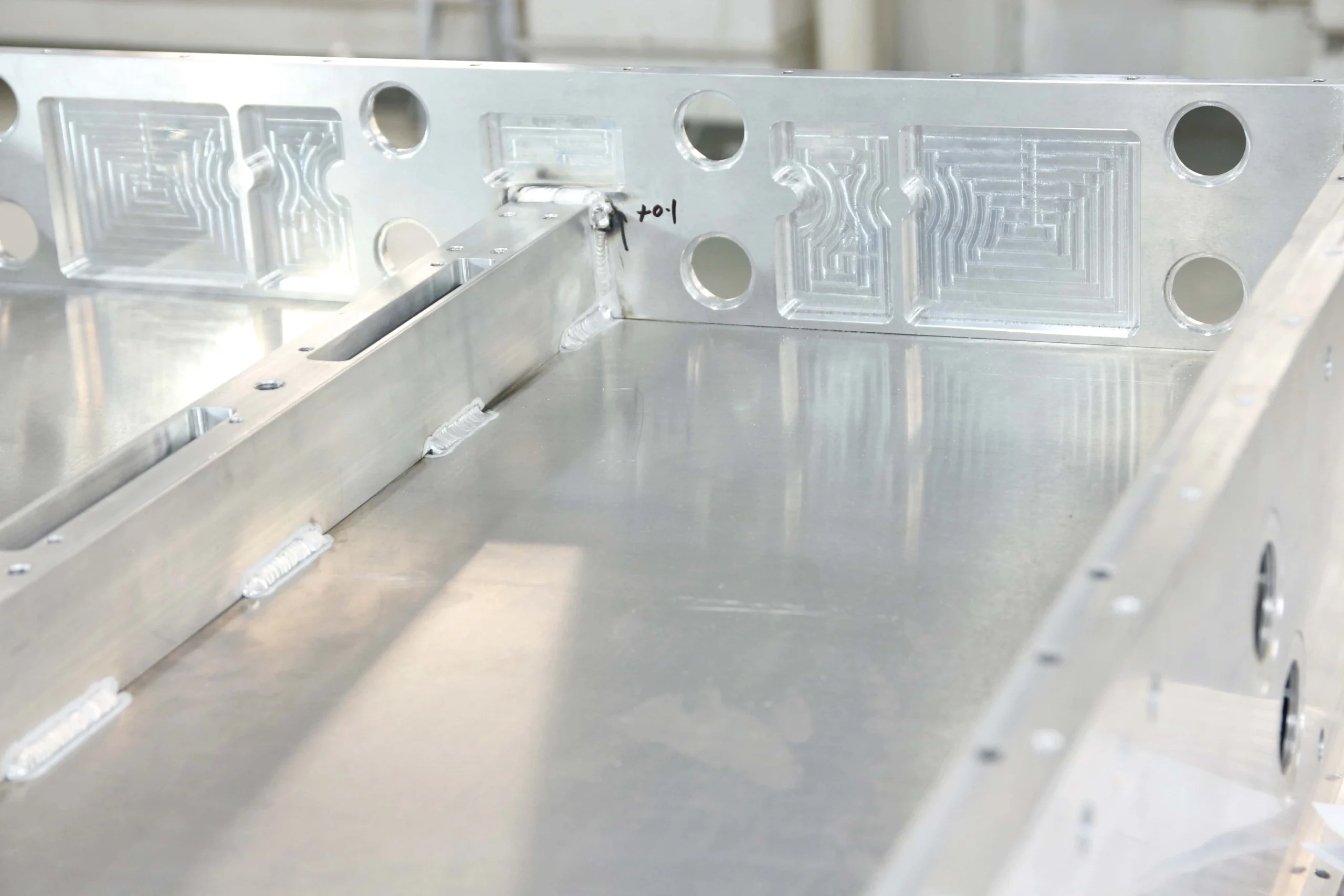
| Project Requirement | What to Specify | Why It Matters |
|---|---|---|
| Base Material | Carbon steel, stainless steel or aluminum; exact grade and condition | Supports review of the joining and finishing route. |
| Thickness and Joint Geometry | Thickness of each component, joint configuration and access | Helps assess fit-up, welding access and process suitability. |
| Weld Requirements | Weld symbols, locations, size and continuity where specified | Defines where joining is required and how the weld is accepted. |
| Critical Assembly Dimensions | Datums, mounting interfaces, hole relationships and clearances | Guides fixture planning and dimensional inspection. |
| Appearance Requirements | Visible faces, weld blending, grain direction and reference samples | Establishes the required finish and acceptable appearance. |
| Functional Requirements | Applicable load, sealing or service conditions | Identifies requirements needing an agreed verification method. |
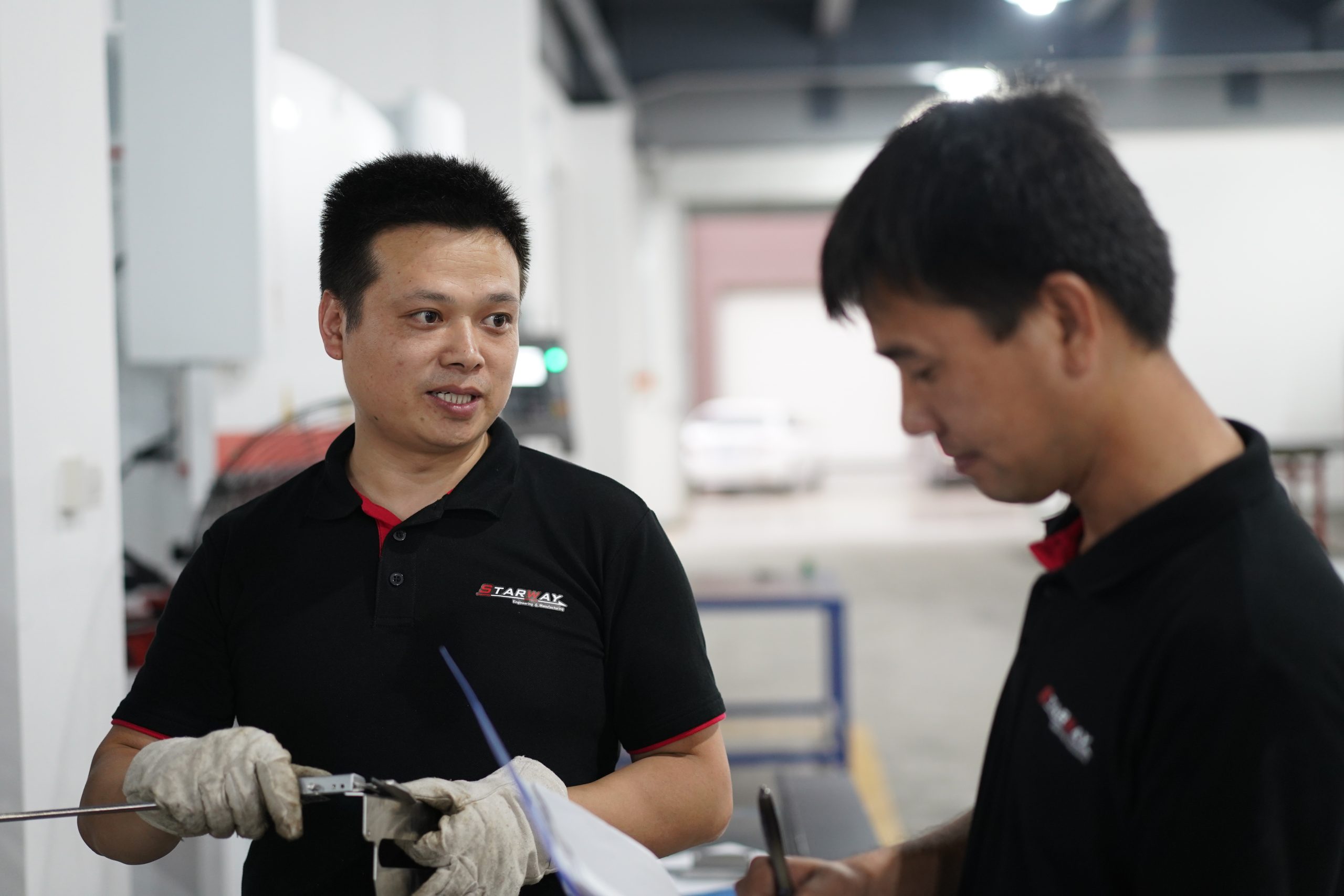
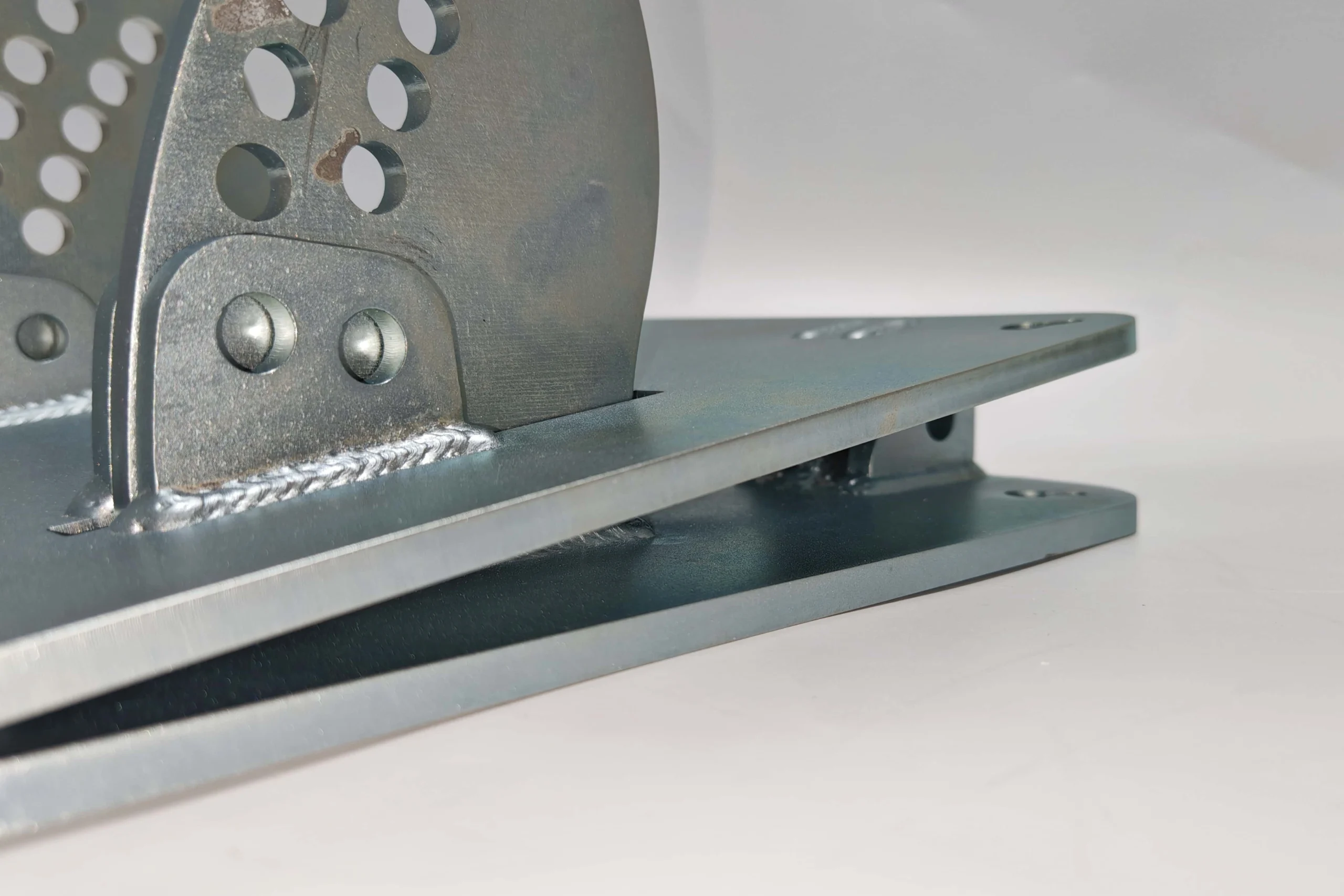
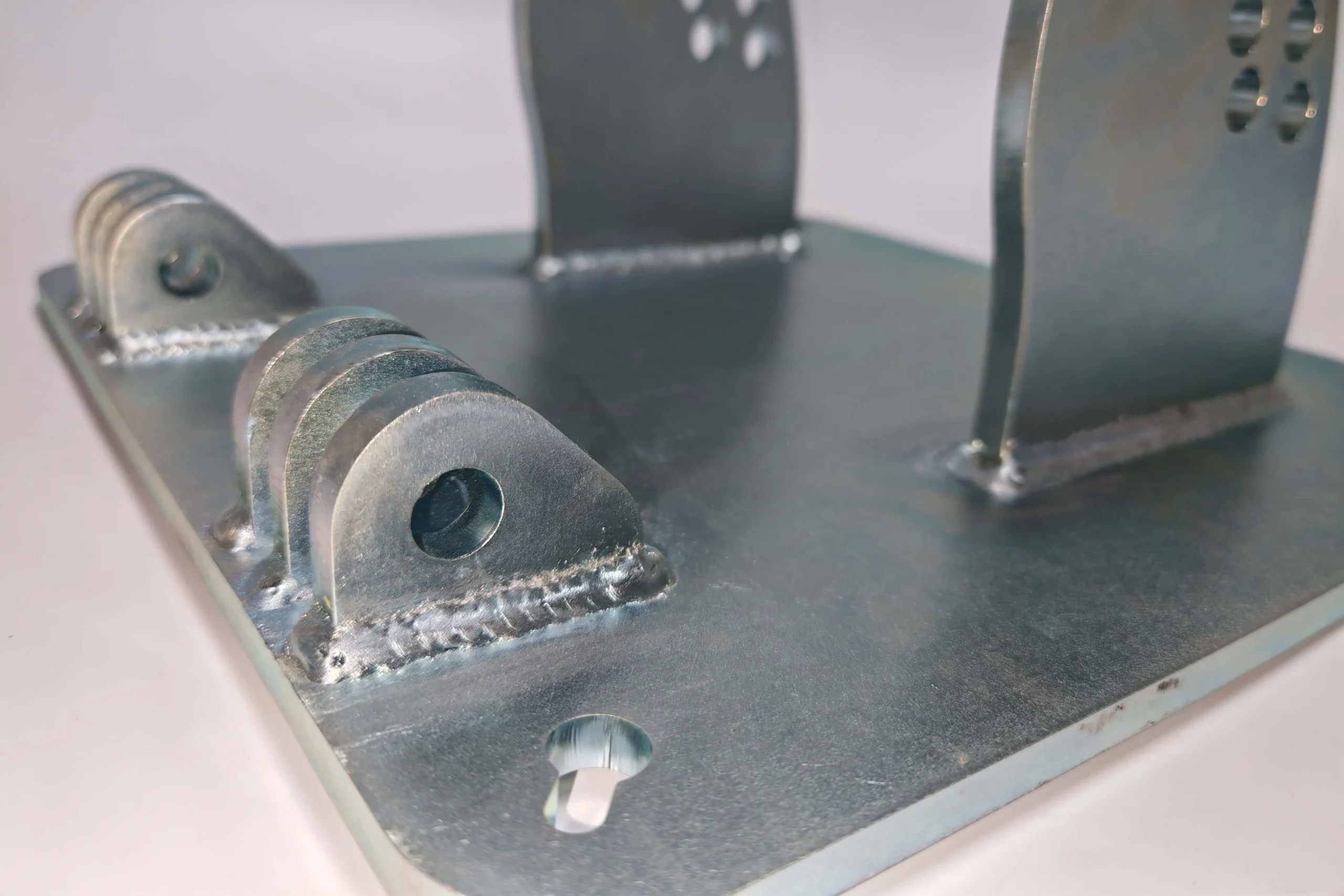
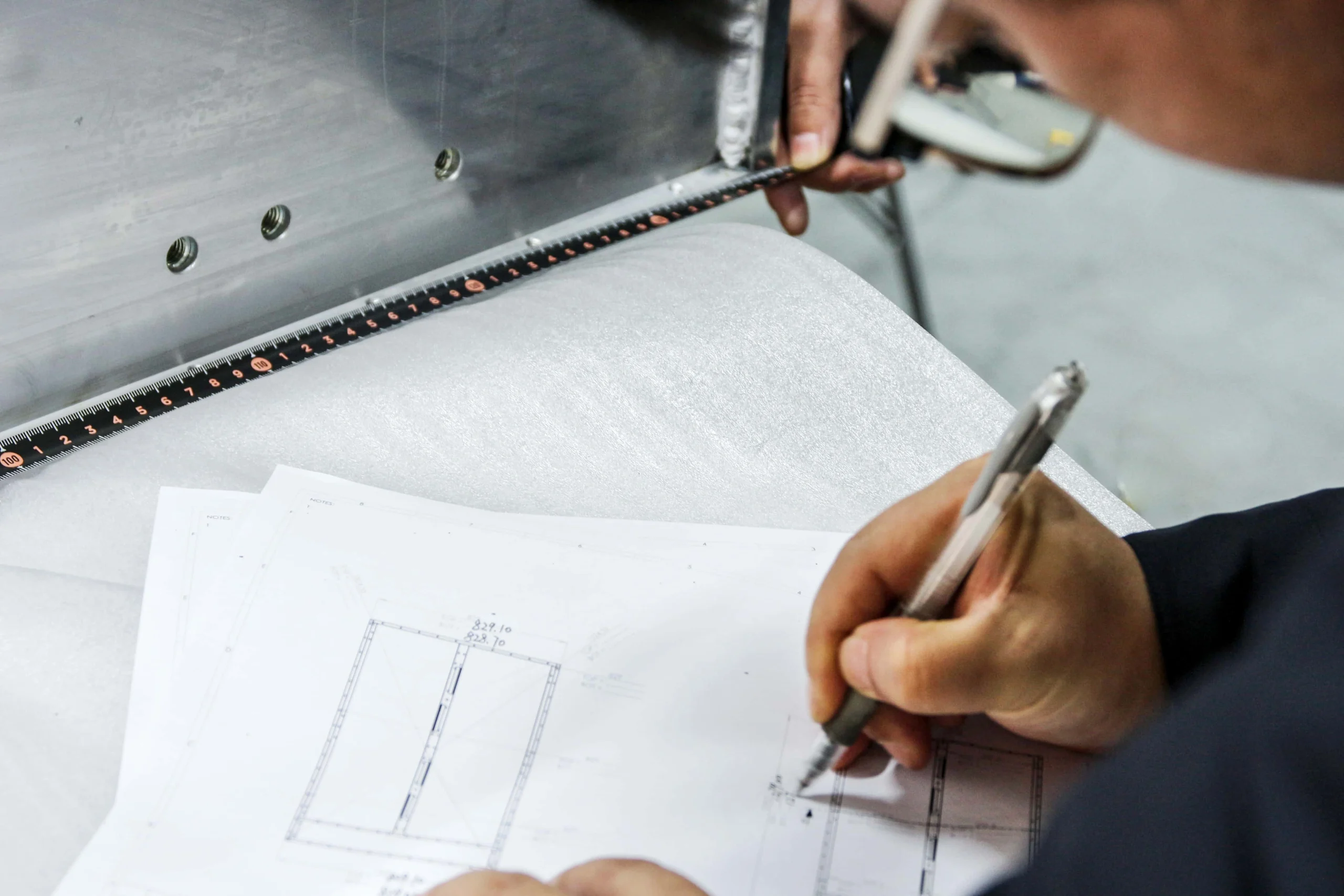
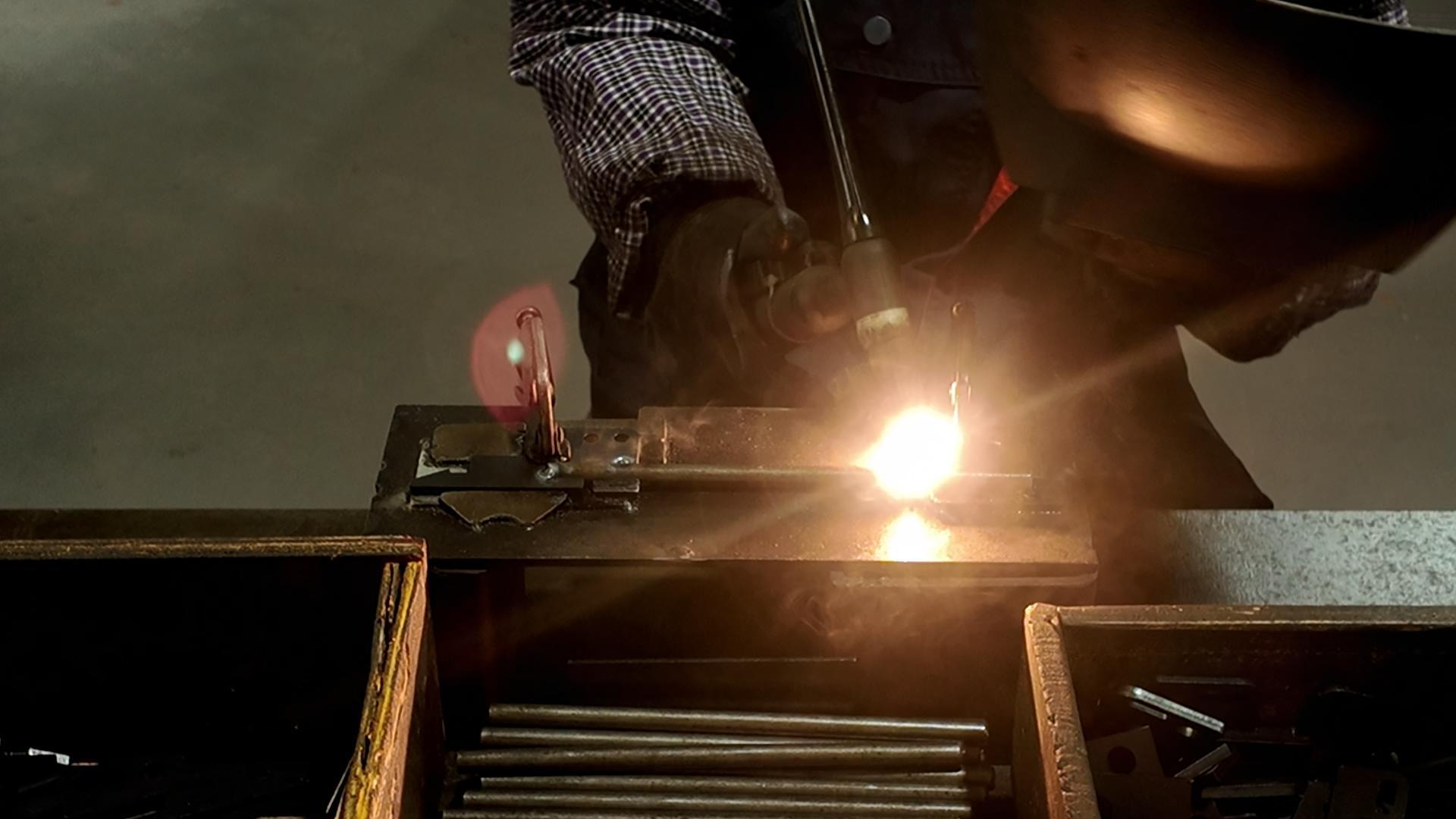
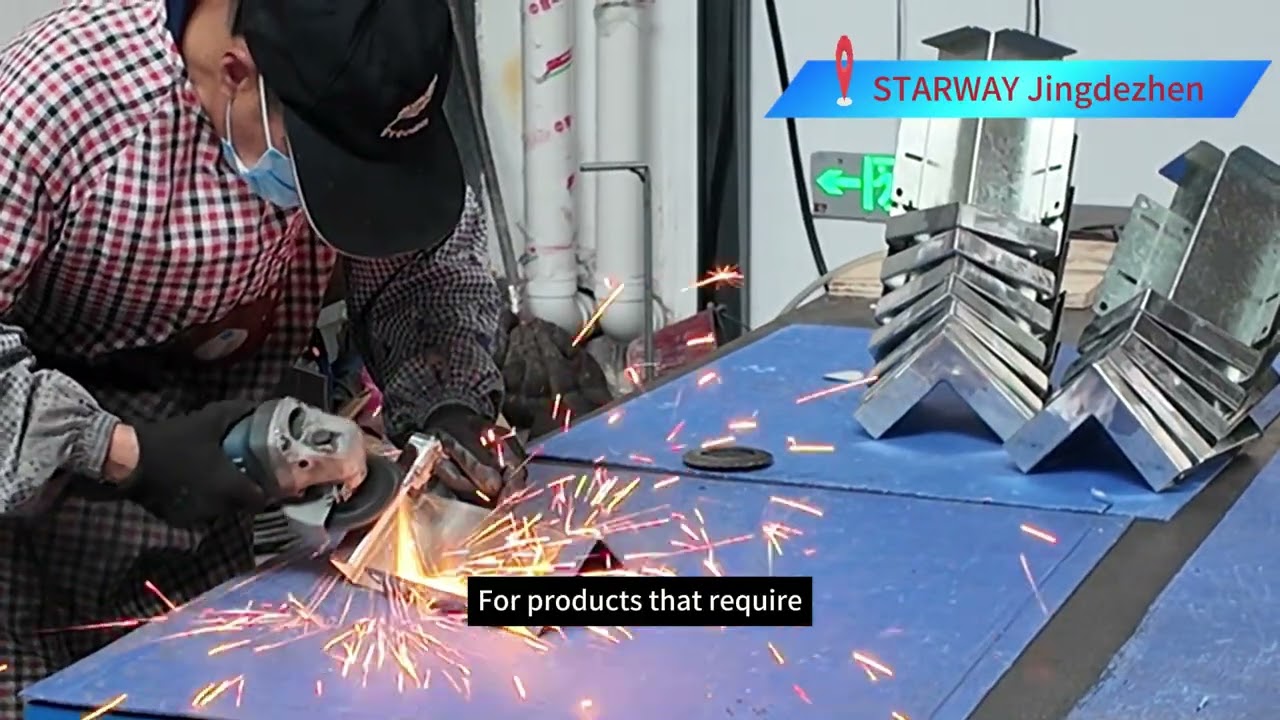
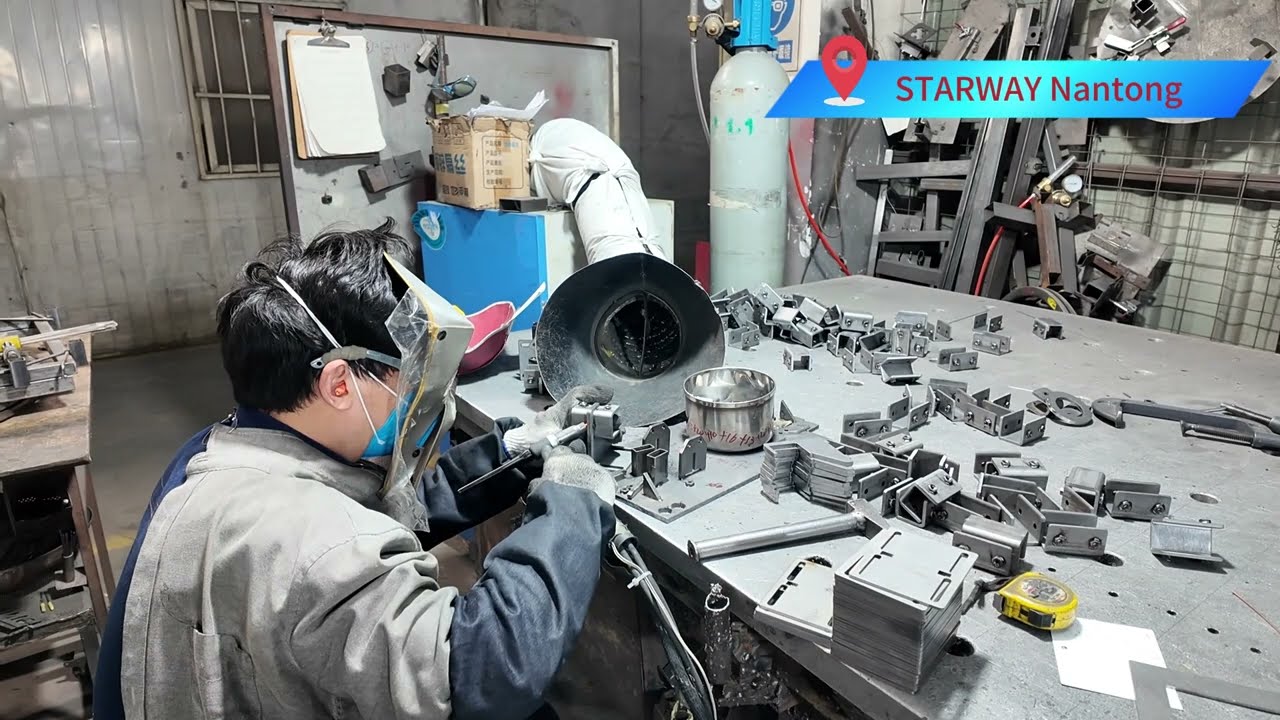
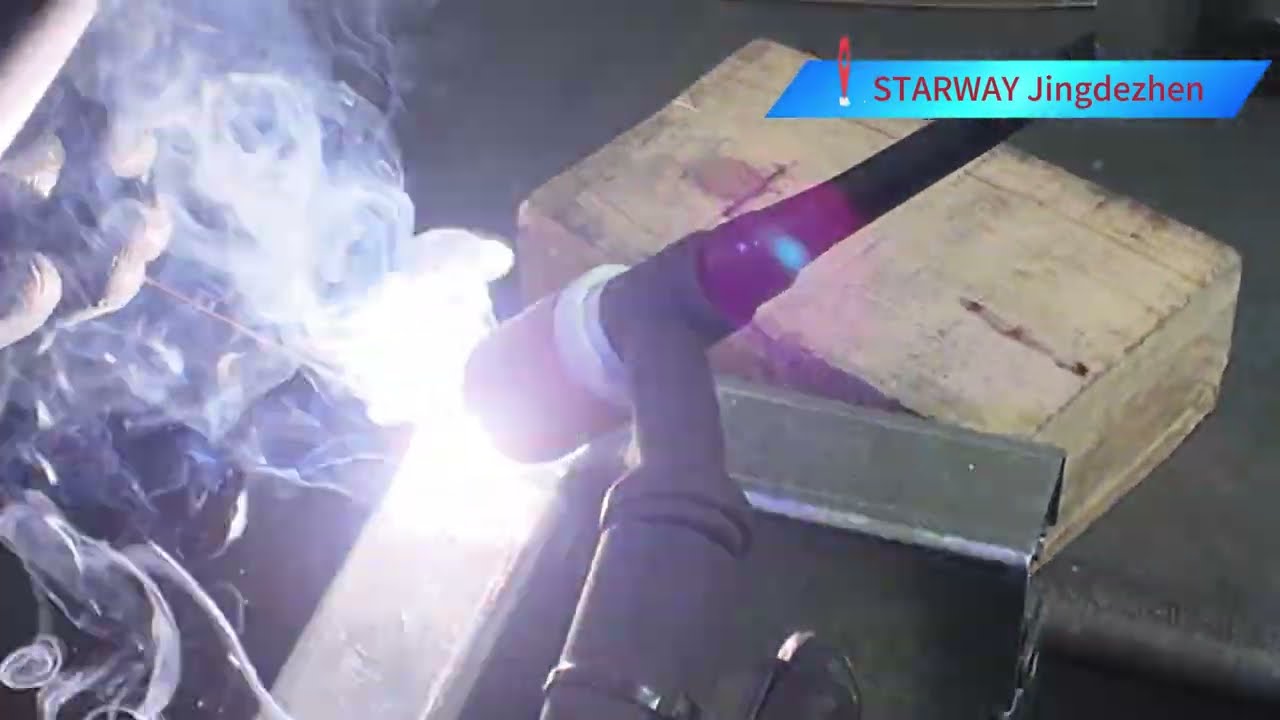
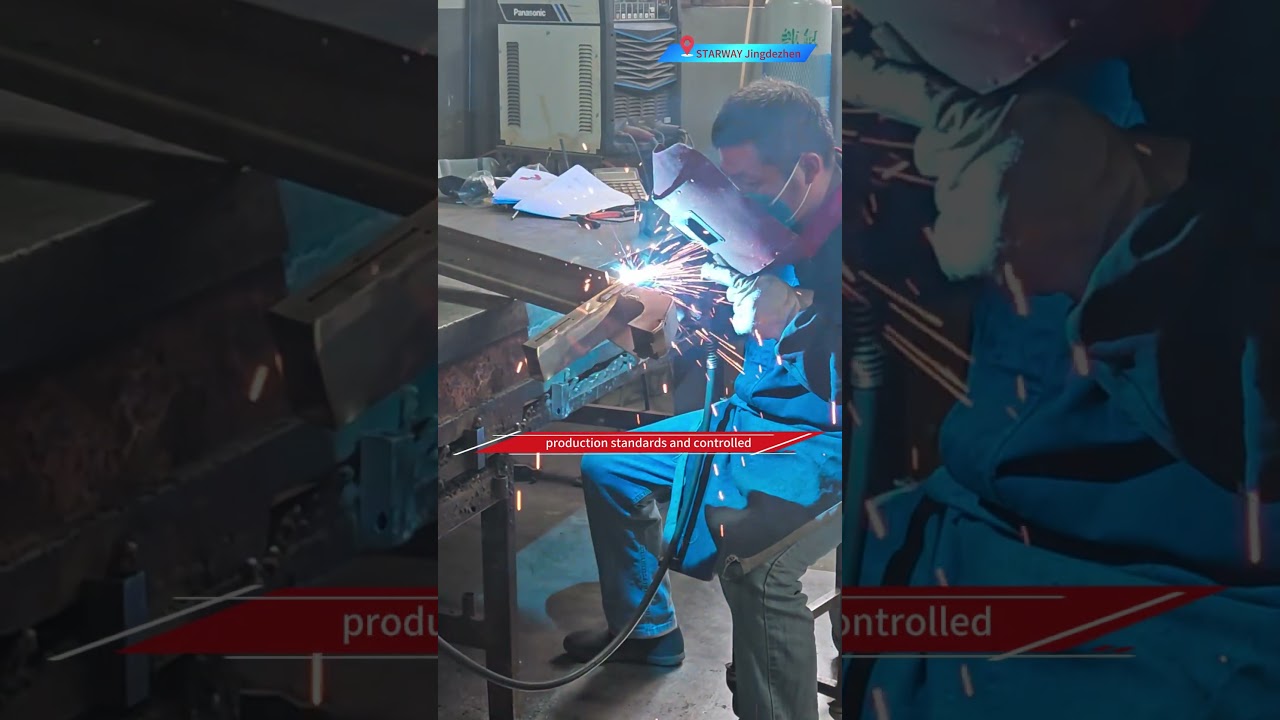
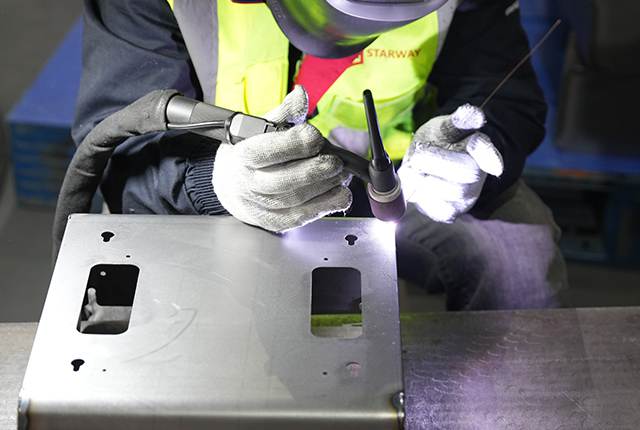
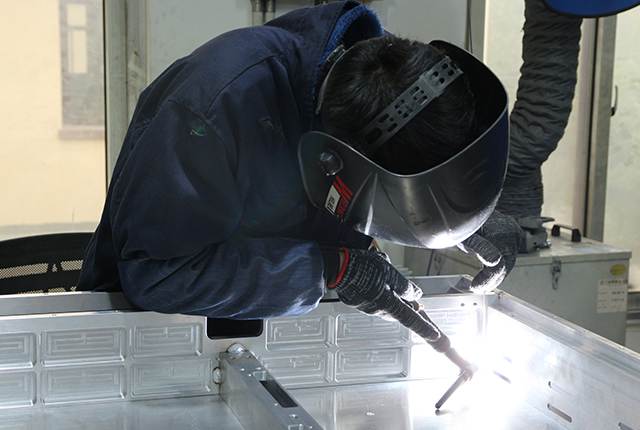
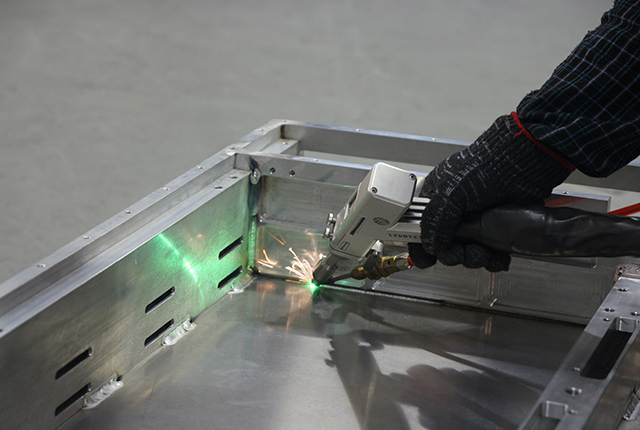
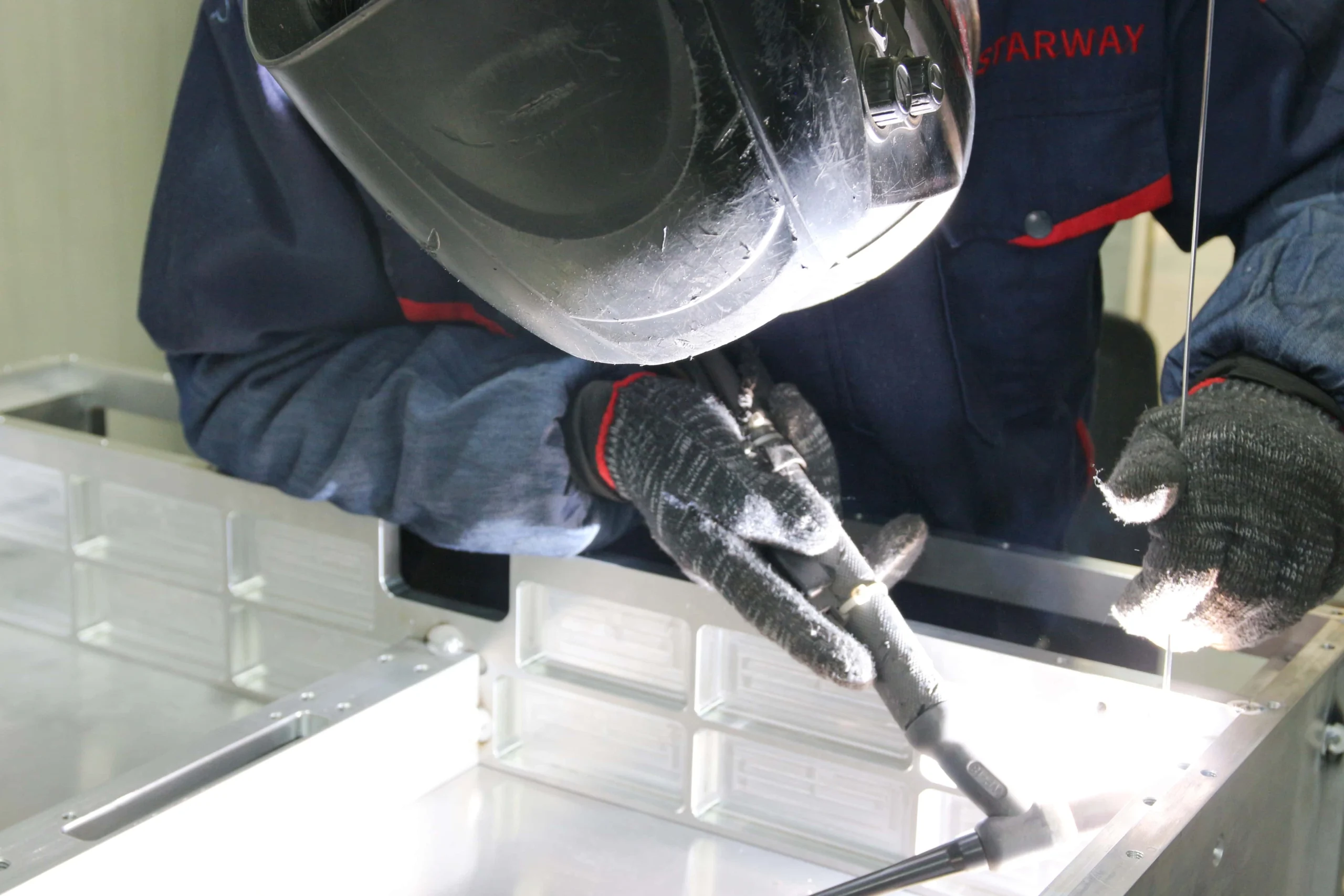
STARWAY’s custom welding services cover TIG, MIG and laser welding for carbon steel, stainless steel and aluminum parts and assemblies. The proposed process depends on the material grade, thickness, joint geometry, weld access and production quantity. Send your drawings and weld requirements so we can confirm a suitable manufacturing route.
We assess the joint and finished assembly requirements before recommending a process. TIG may suit joints requiring close manual control or a defined visible weld appearance. MIG may suit assemblies where deposition rate and repeat production matter. Laser welding requires suitable joint access and fit-up. Material, thickness, weld size, finishing and acceptance requirements must be reviewed together.
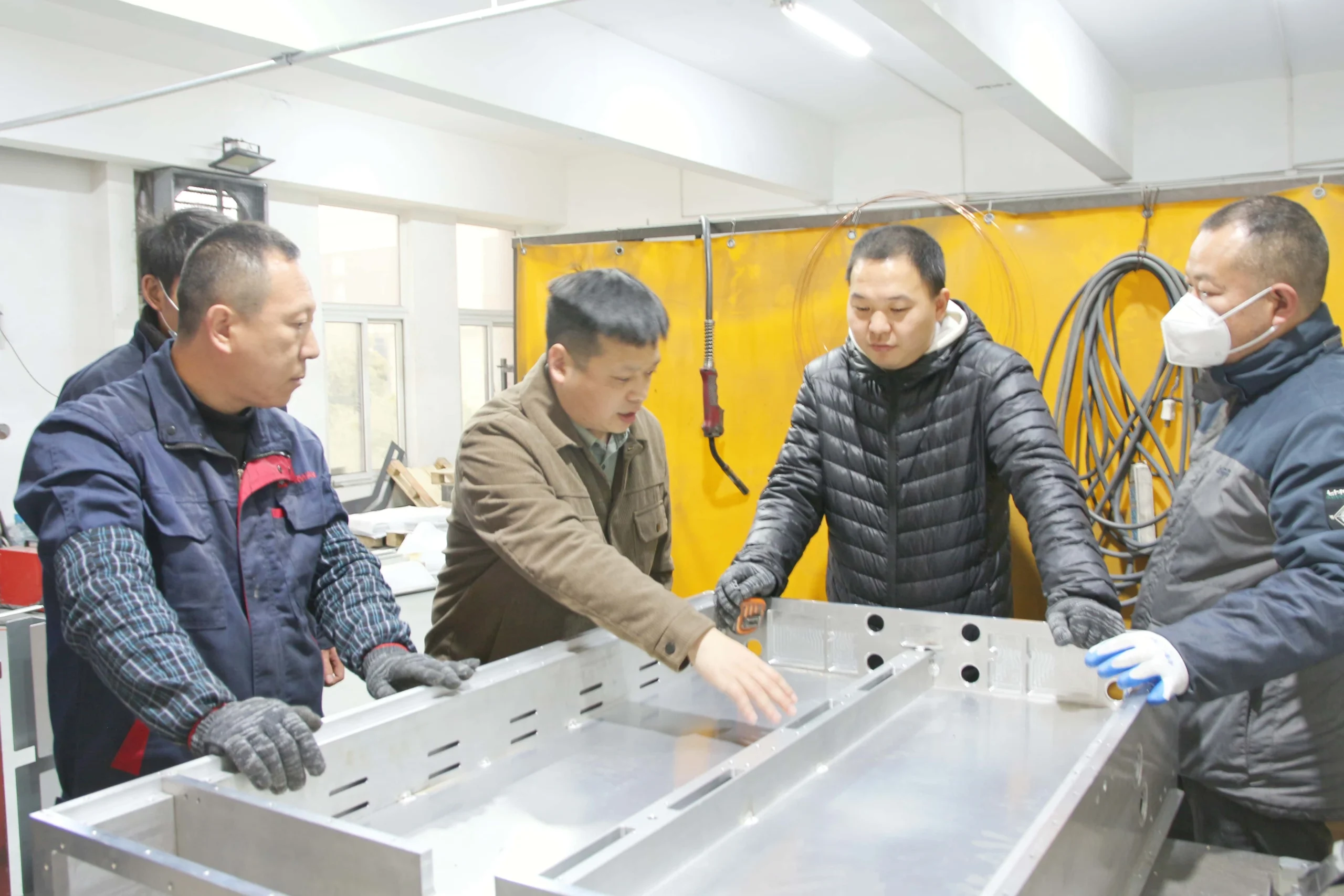
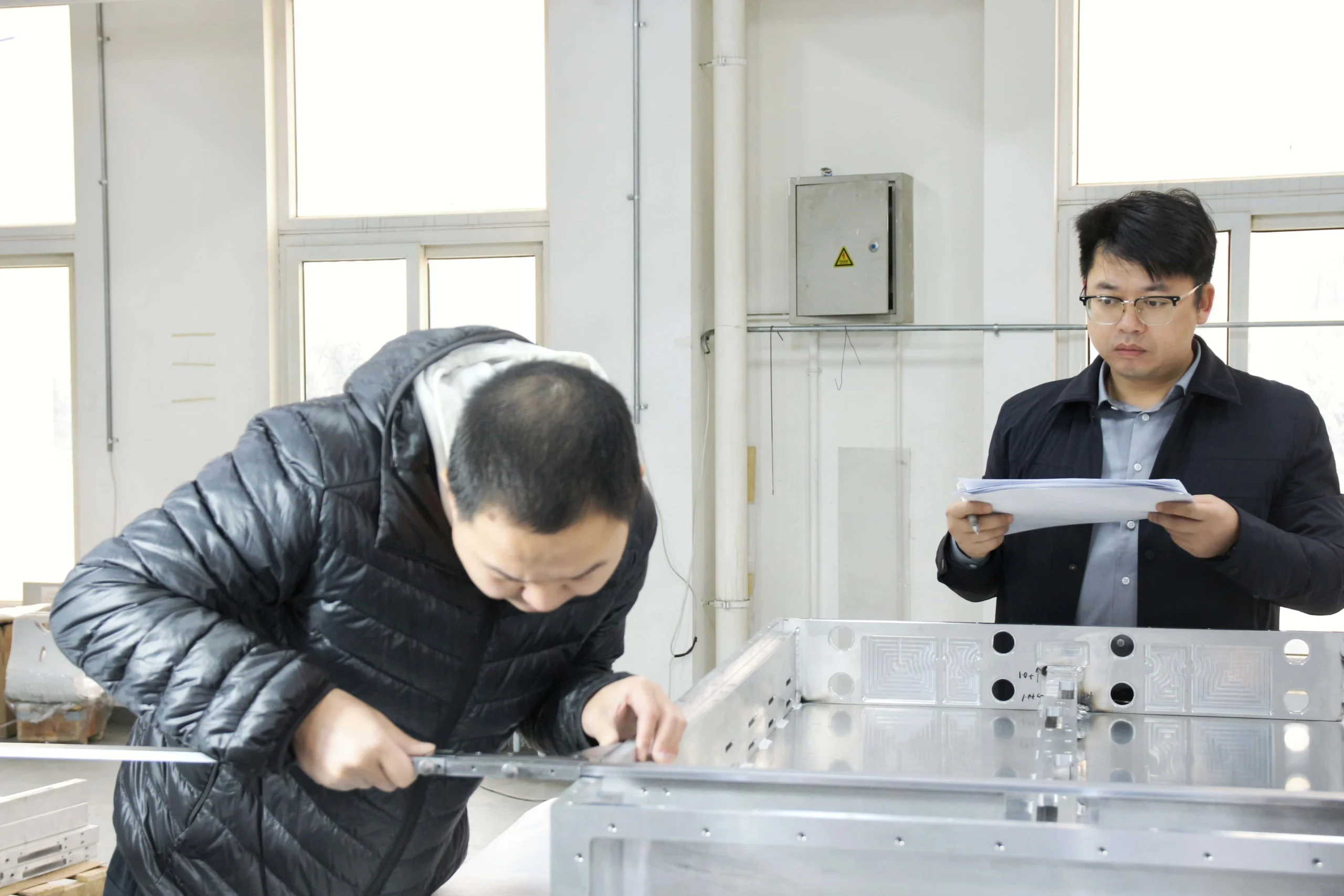
We review datums, mating interfaces, component location and welding sequence to plan fixtures and manage movement during welding. Critical dimensions are checked against the agreed drawing requirements after joining. Achievable assembly tolerances depend on geometry, material, thickness, weld layout and fixturing; they are confirmed for the project rather than assigned a single universal welding tolerance.
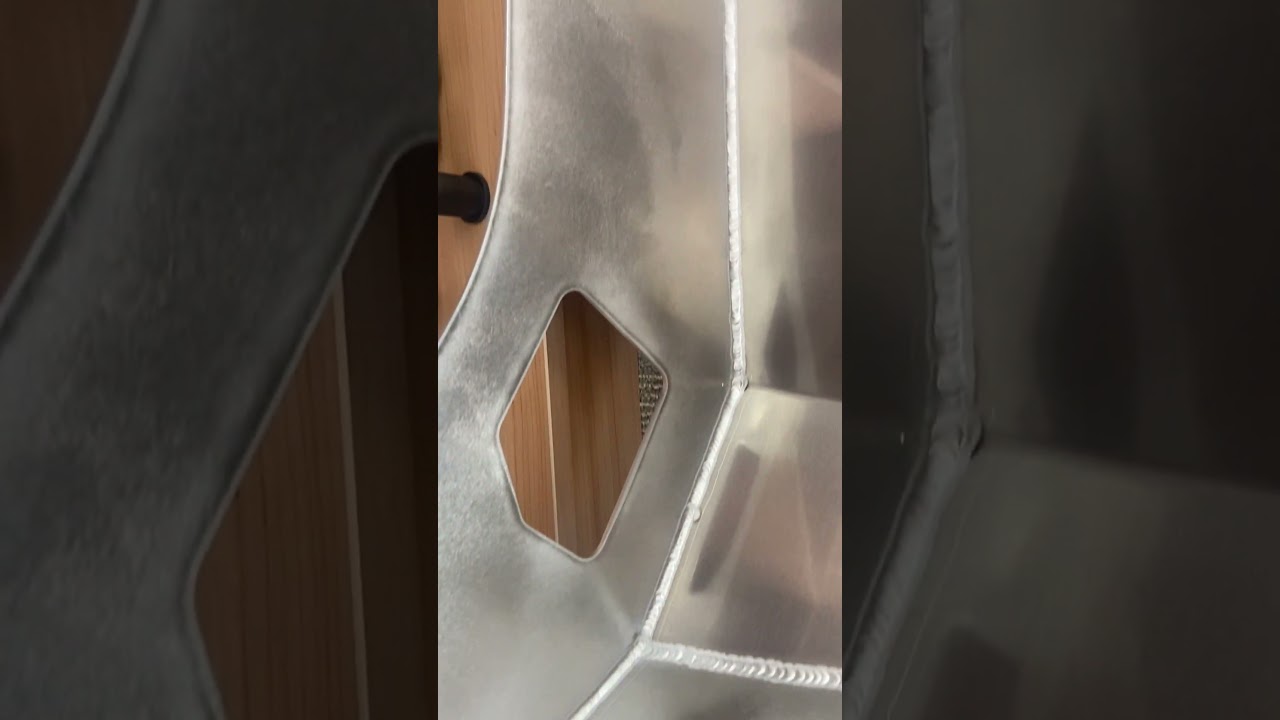
Yes. Weld finishing can be reviewed as part of the project. Mark visible surfaces and specify whether welds should remain as welded, be blended or be ground flush. Brushing or polishing requirements should include the required appearance and direction where relevant. Grinding must remain consistent with the specified weld requirements. For critical cosmetic surfaces, agree on a reference sample before batch production.
We review weld locations, sizes, drawing notes and any specified acceptance standard before production. Inspection planning can cover weld appearance, critical dimensions and assembly fit. Identify load-bearing or sealing requirements at the quotation stage, together with any required test methods or reports. Special testing and acceptance criteria must be agreed for the project; a visual or dimensional check alone does not establish load capacity or leak-tightness.
Yes. Our welding fabrication services can be reviewed alongside laser cutting, tube cutting, bending, grinding, surface finishing and assembly. Share the complete assembly drawing and bill of materials so the manufacturing sequence can account for component fit, weld access, finishing and final mating interfaces. Any machining needed after welding should also be identified during project review.
Cost and lead time depend on material, part preparation, joint complexity, weld length, quantity, fixture needs, finishing and inspection requirements. New fixtures, sample approval or special testing can add time. We confirm the quotation and production schedule after reviewing the drawings and scope. Include your prototype or batch quantity and required delivery date when requesting a quote.
Send 2D drawings and available 3D files, plus the assembly drawing and bill of materials where applicable. Include material grade, thickness, quantity, weld symbols or joint details, critical dimensions and datums. State load or sealing requirements, cosmetic expectations and any required acceptance standard or reports. If these details are not yet defined, identify the items for review. Upload each file under 130 MB.

This website uses cookies to provide you with a personalized browsing experience and analyze website traffic. By clicking "Accept", you agree to our use of cookies.



 Global