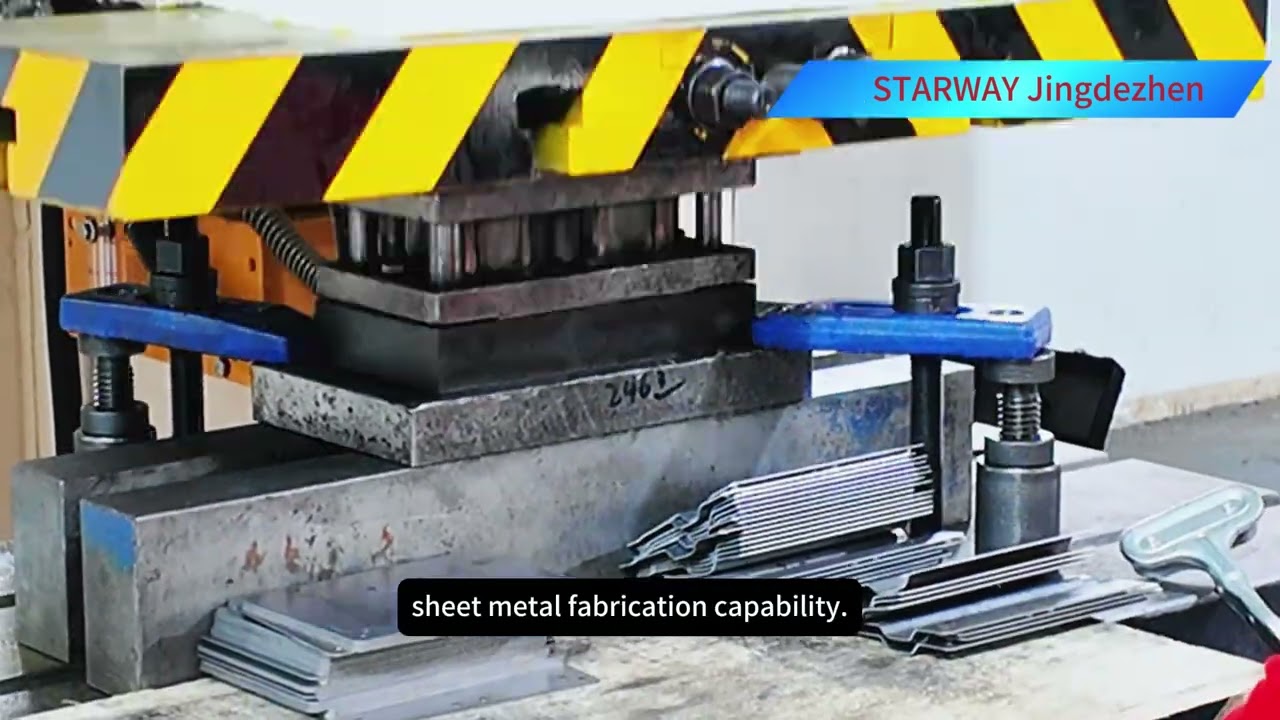

 Global
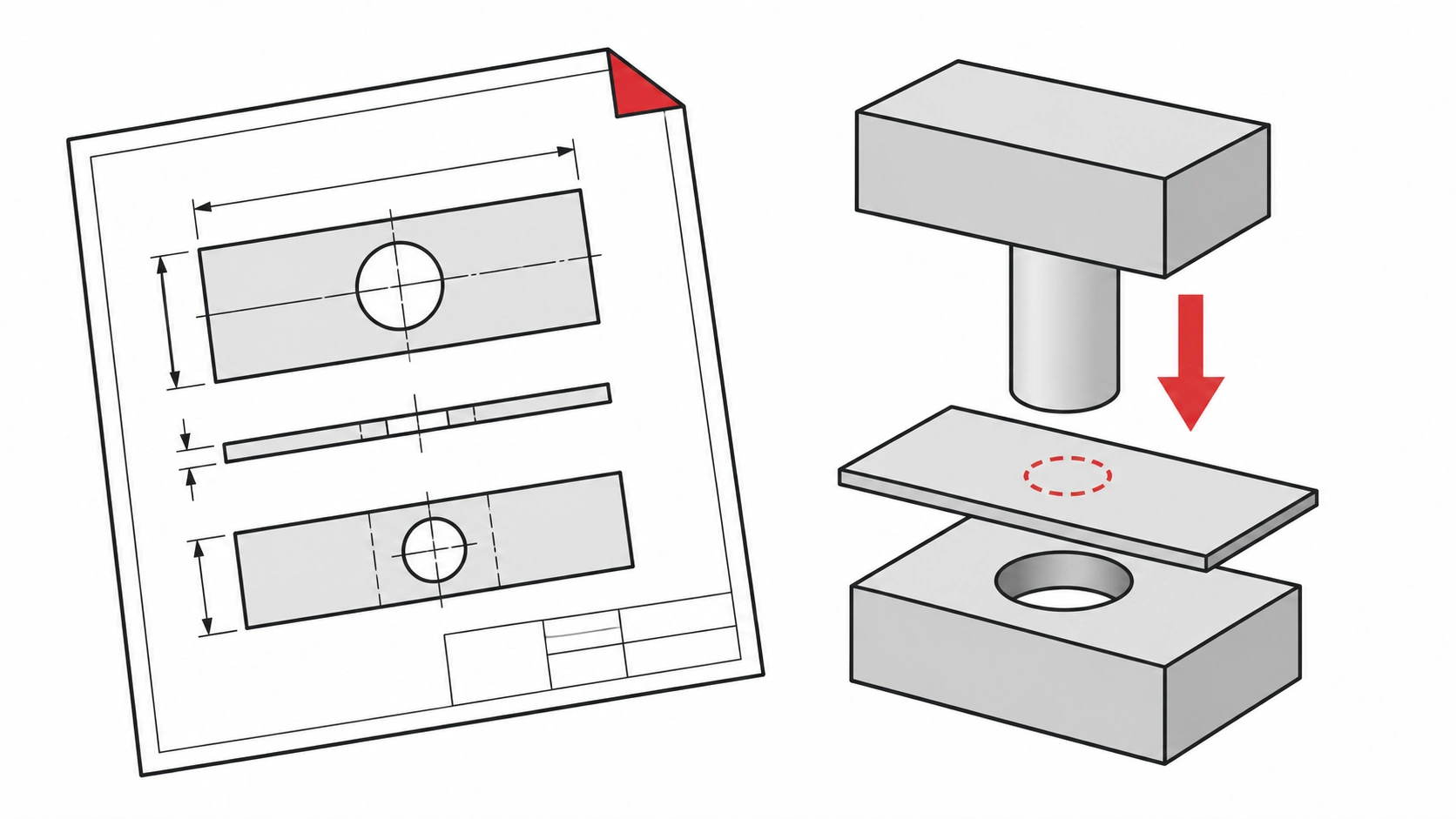
Compare laser cutting and bending with tooling-based options before committing to dedicated tooling.


Sheet Metal Fabrication Design Engineering Project management Assembly Packaging Rapid Prototyping Shipping & Delivery
CNC Machining Design Engineering Project management Assembly Packaging Rapid Prototyping Shipping & Delivery
Plastic Injection Molding Design Engineering Project management Assembly Packaging Rapid Prototyping Shipping & Delivery
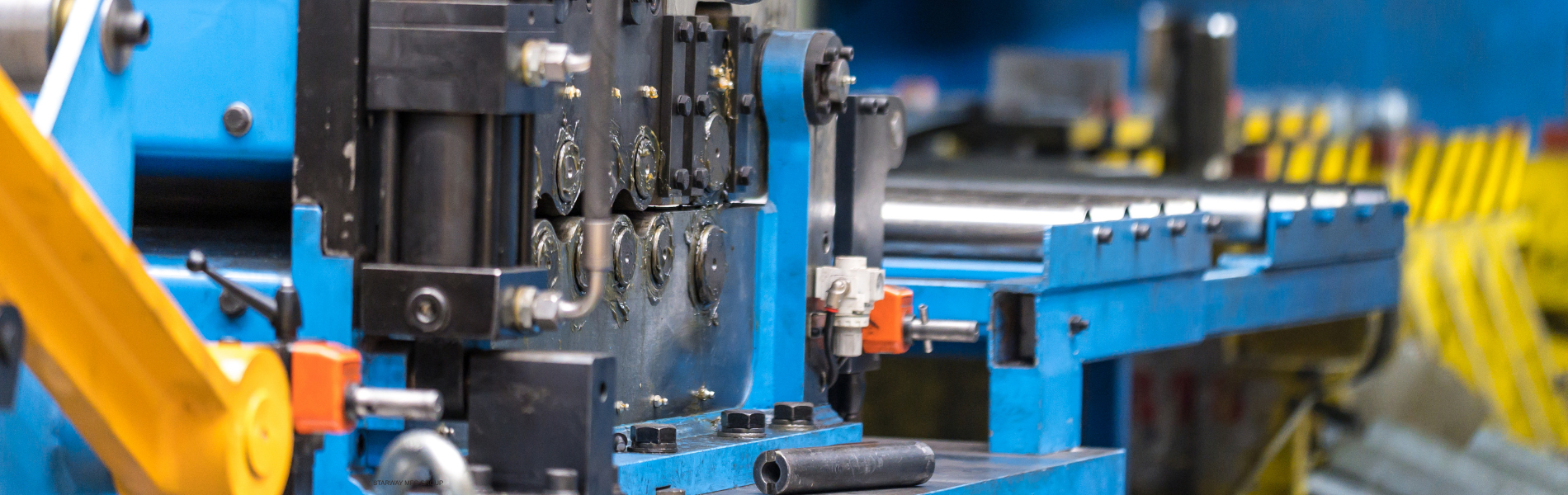
✓ Production volume and tooling review ✓ Sample approval before batch production ✓ Critical dimensions and repeat-order requirements

Share your part drawing, expected volume and tooling status for a project review.
Order quantity is only one factor. Geometry, design stability, tooling and repeat demand decide whether stamping is a practical choice.
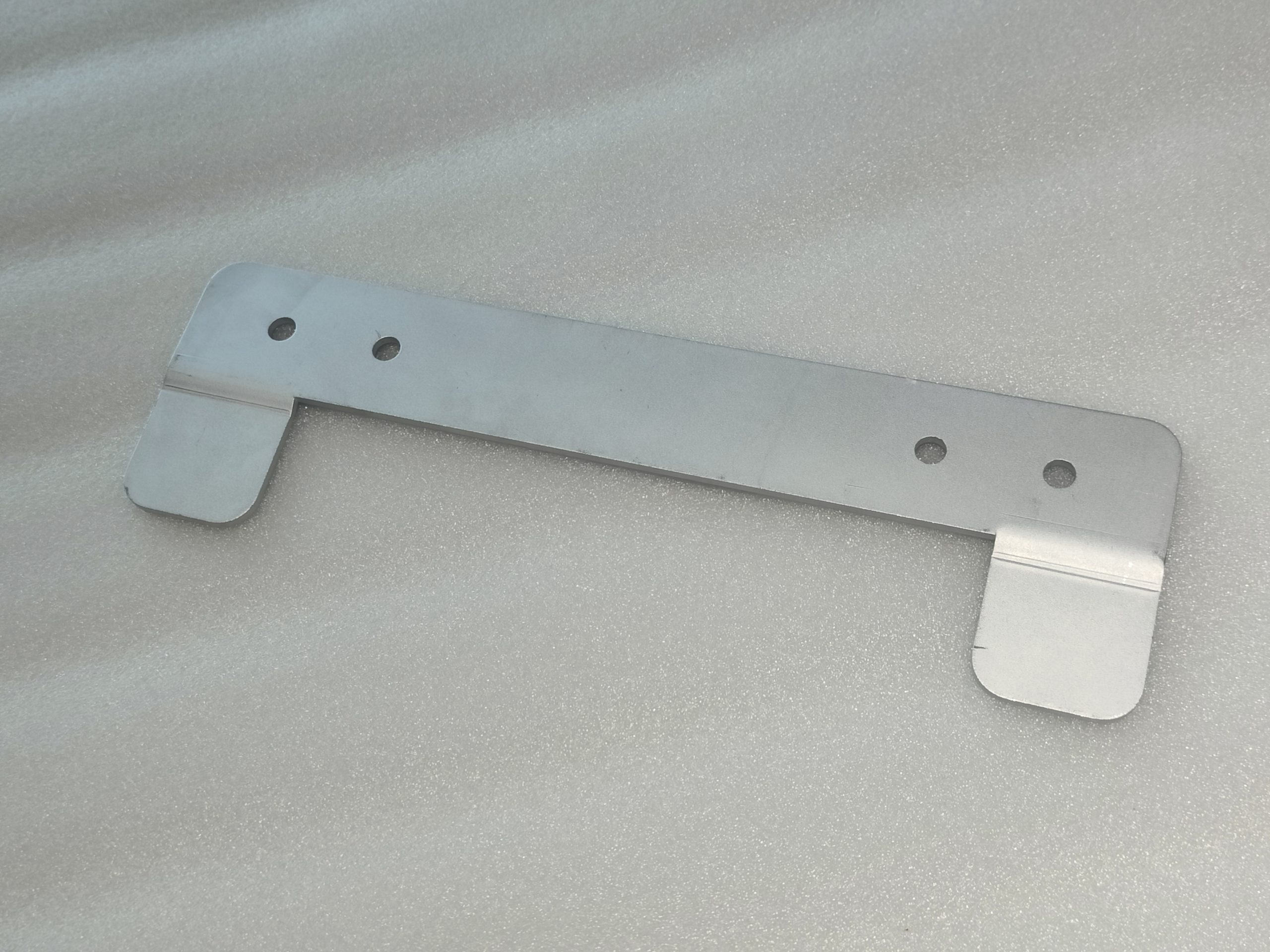
Compare laser cutting and bending with tooling-based options before committing to dedicated tooling.
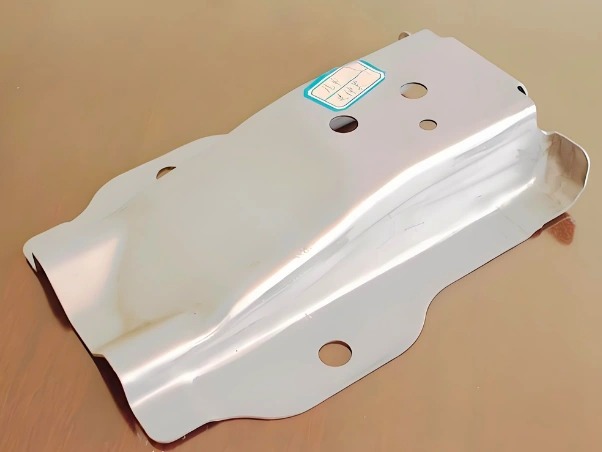
Check whether available punch and forming tools can produce the required features.
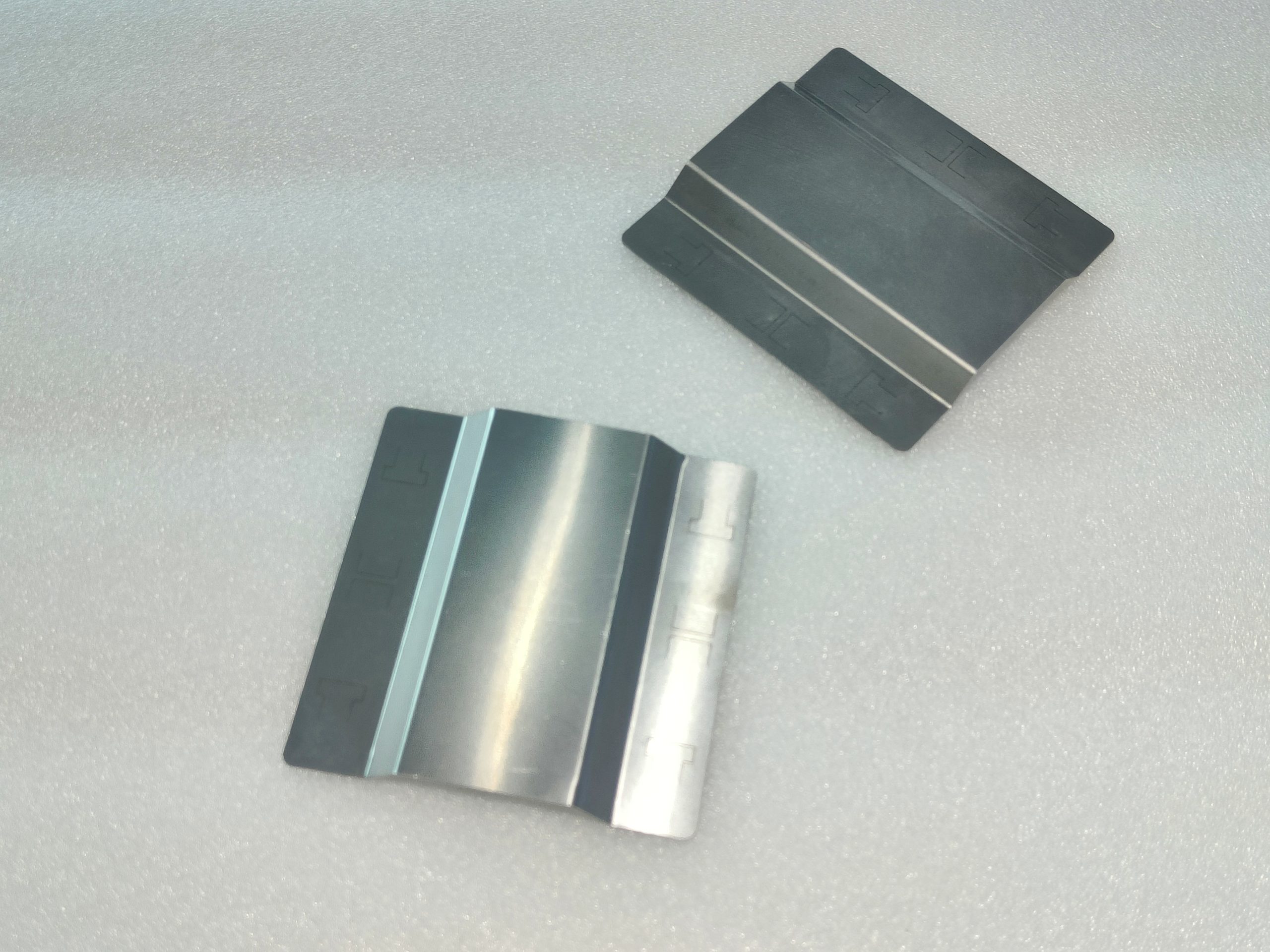
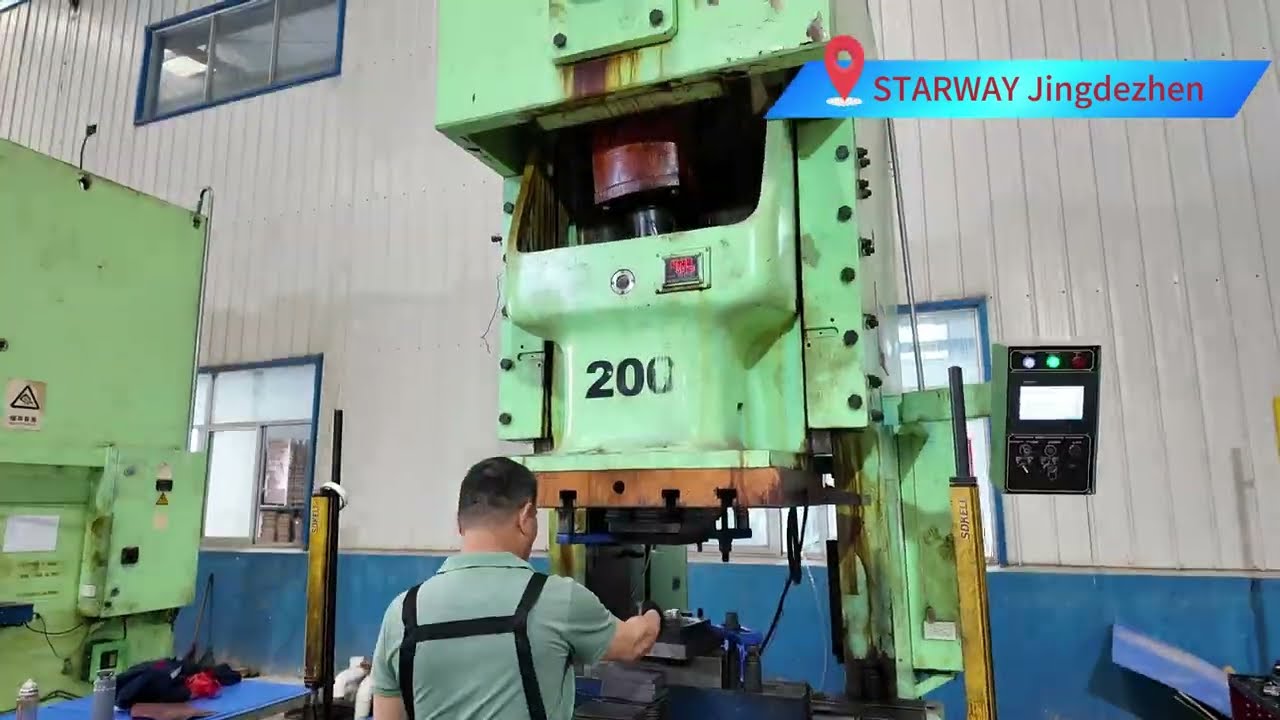
Evaluate dedicated tooling against annual volume, batch size, secondary operations and the expected production period.
Evaluate stamping tooling cost alongside recurring part cost. A clear quotation states tooling scope, sample requirements and production assumptions.
Share your drawing, annual demand and batch quantity to discuss tooling scope and production cost.
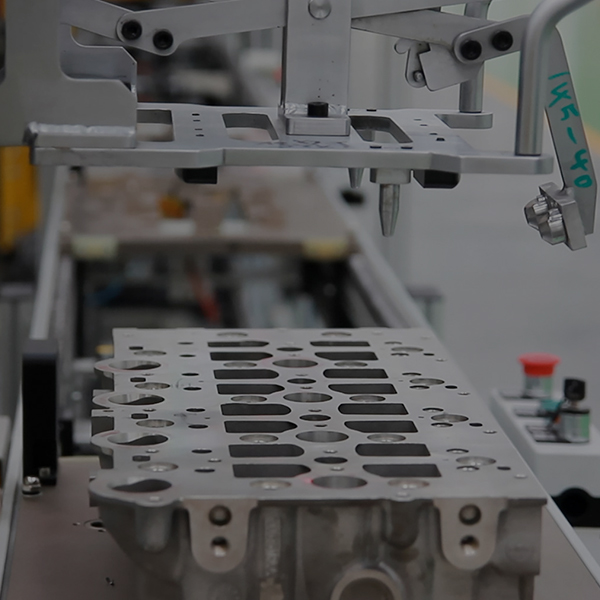
Sheet metal stamping services are reviewed around the finished part: material condition, formed features, edges and operations before assembly.
| Material Group | Information Needed for Review |
|---|---|
| Carbon and Cold-Rolled Steel | Grade, thickness, forming requirements and corrosion protection. |
| Stainless Steel | Grade, material condition, thickness and visible-surface requirements. |
| Aluminum | Alloy, temper, thickness and formed geometry. |
| Copper and Brass | Grade, temper, thickness and any electrical-contact or surface requirements. |
| Coated Sheet | Base material, coating specification and acceptable coating damage at cut or formed areas. |
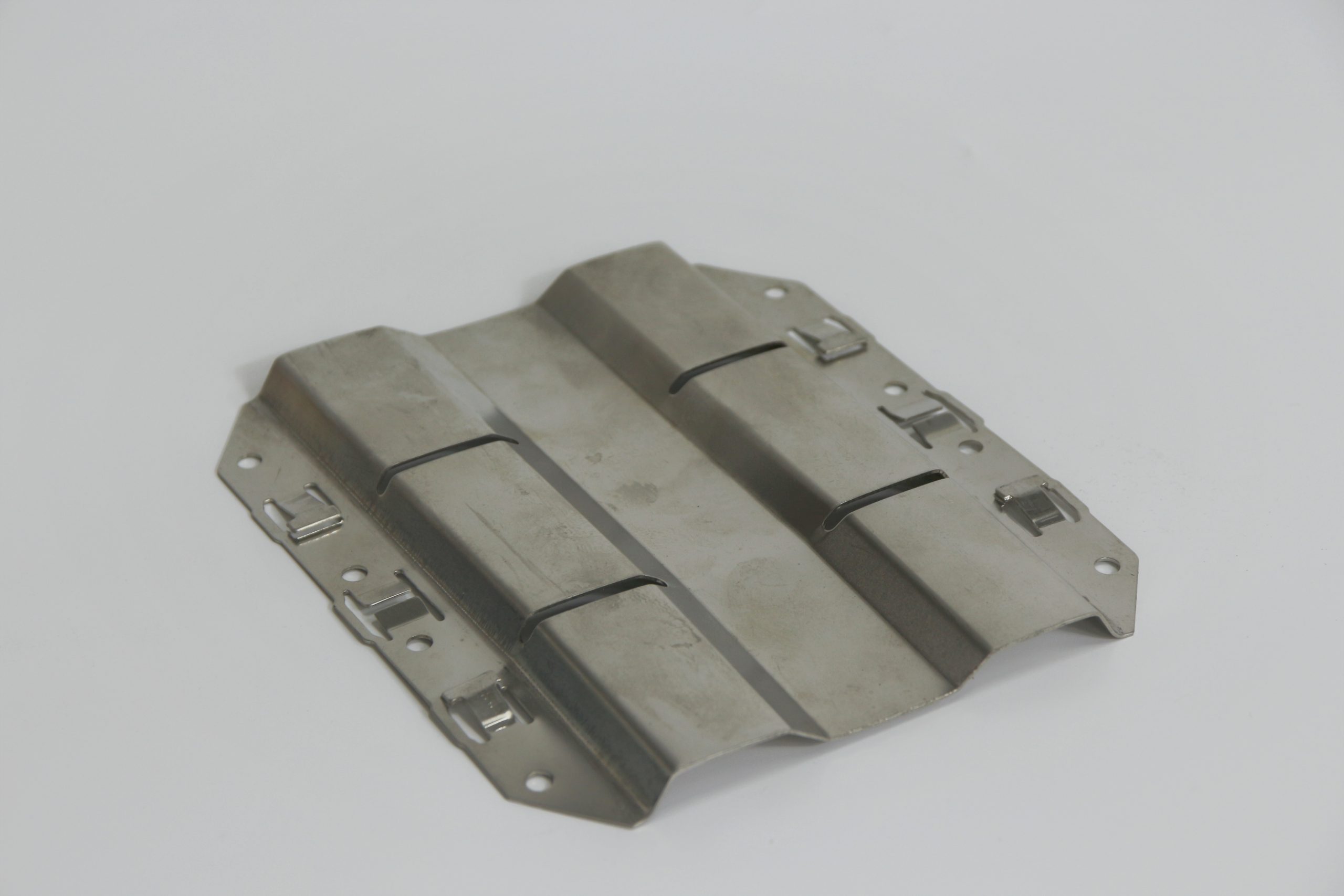
Provide dimensions for holes, slots, louvers, embosses and other formed features. Existing tooling dimensions must be checked against the drawing; a different feature size or shape may require a new tool.
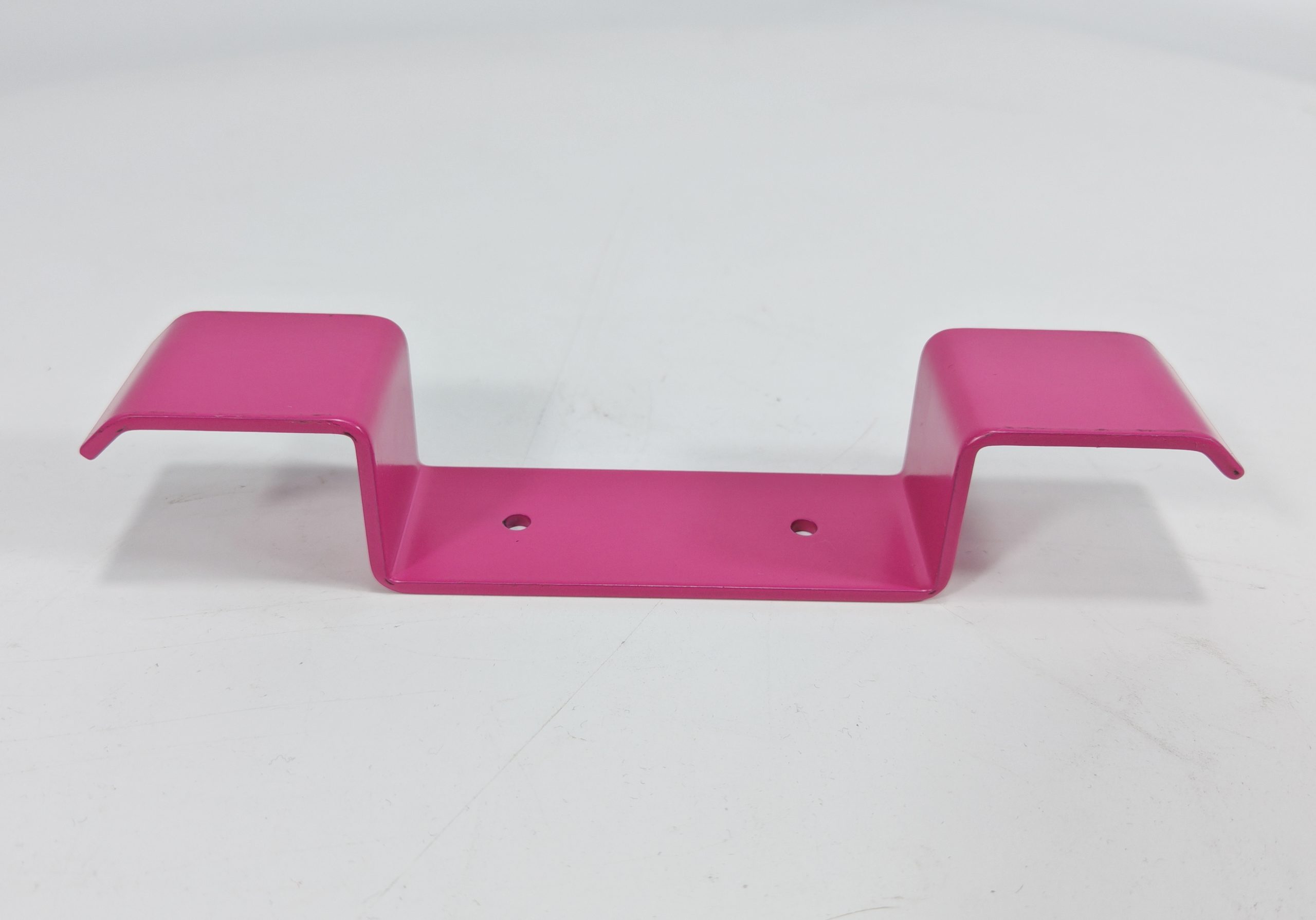
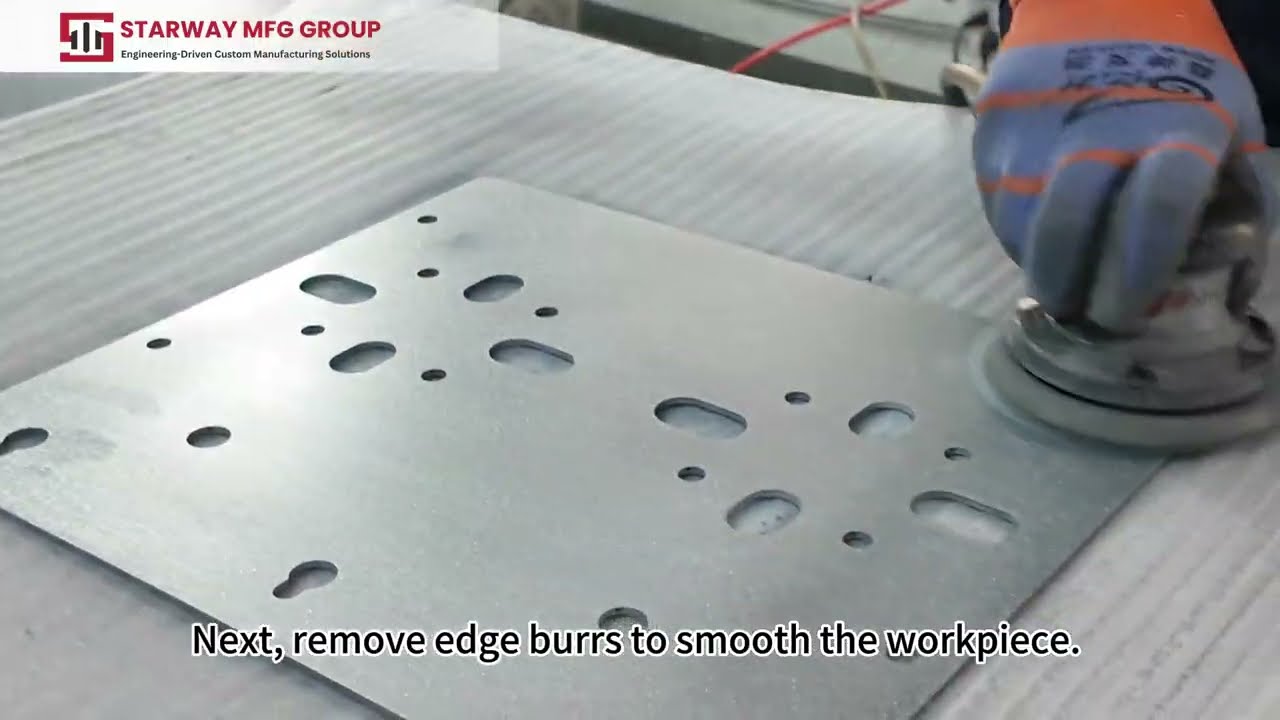
Identify burr direction, edge requirements, cosmetic surfaces and mating features. Include any tapping, welding, coating or assembly operations so the process sequence can account for access, fit and surface protection.
Confirm drawings and sample acceptance requirements before production, then use them to guide repeat orders.

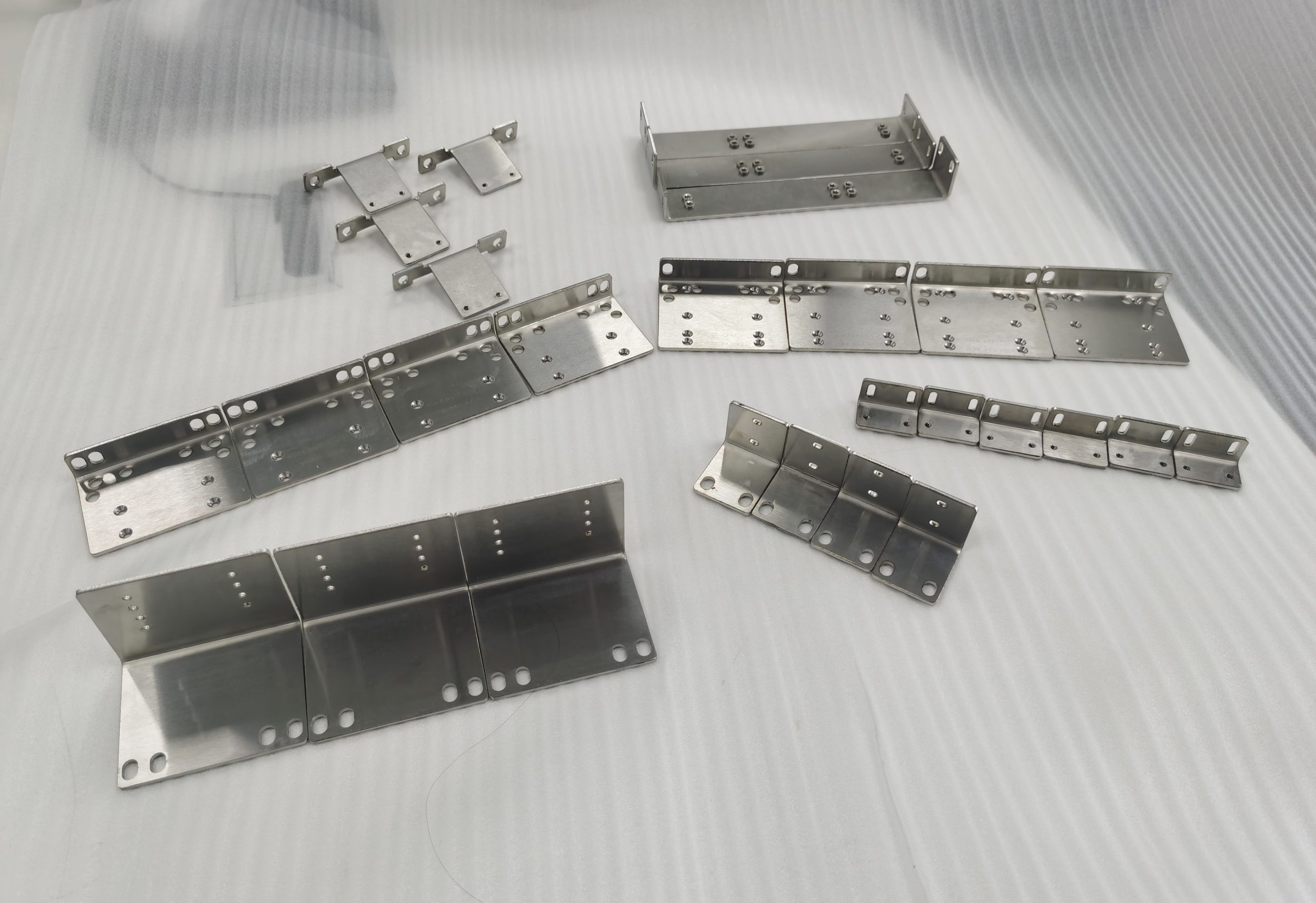
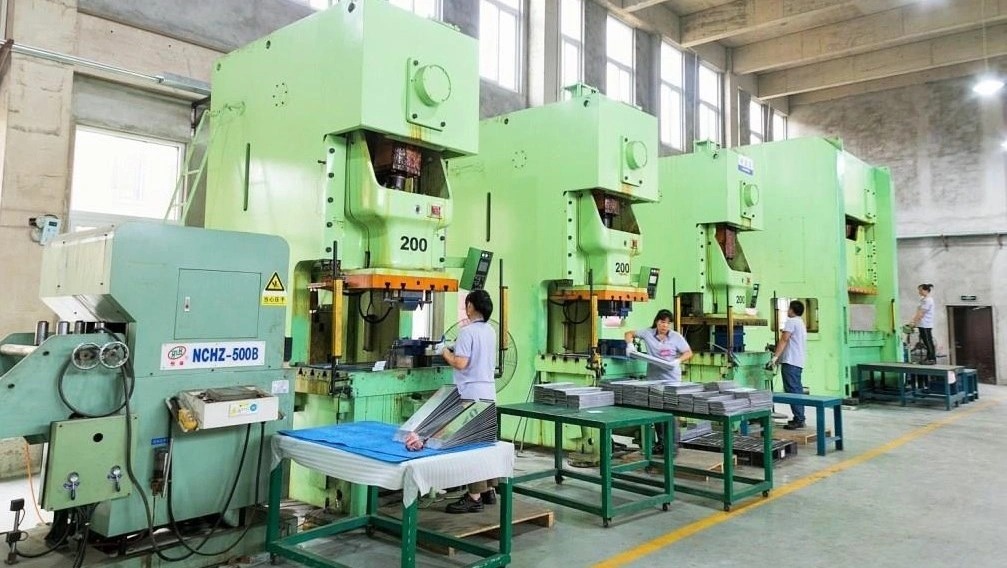
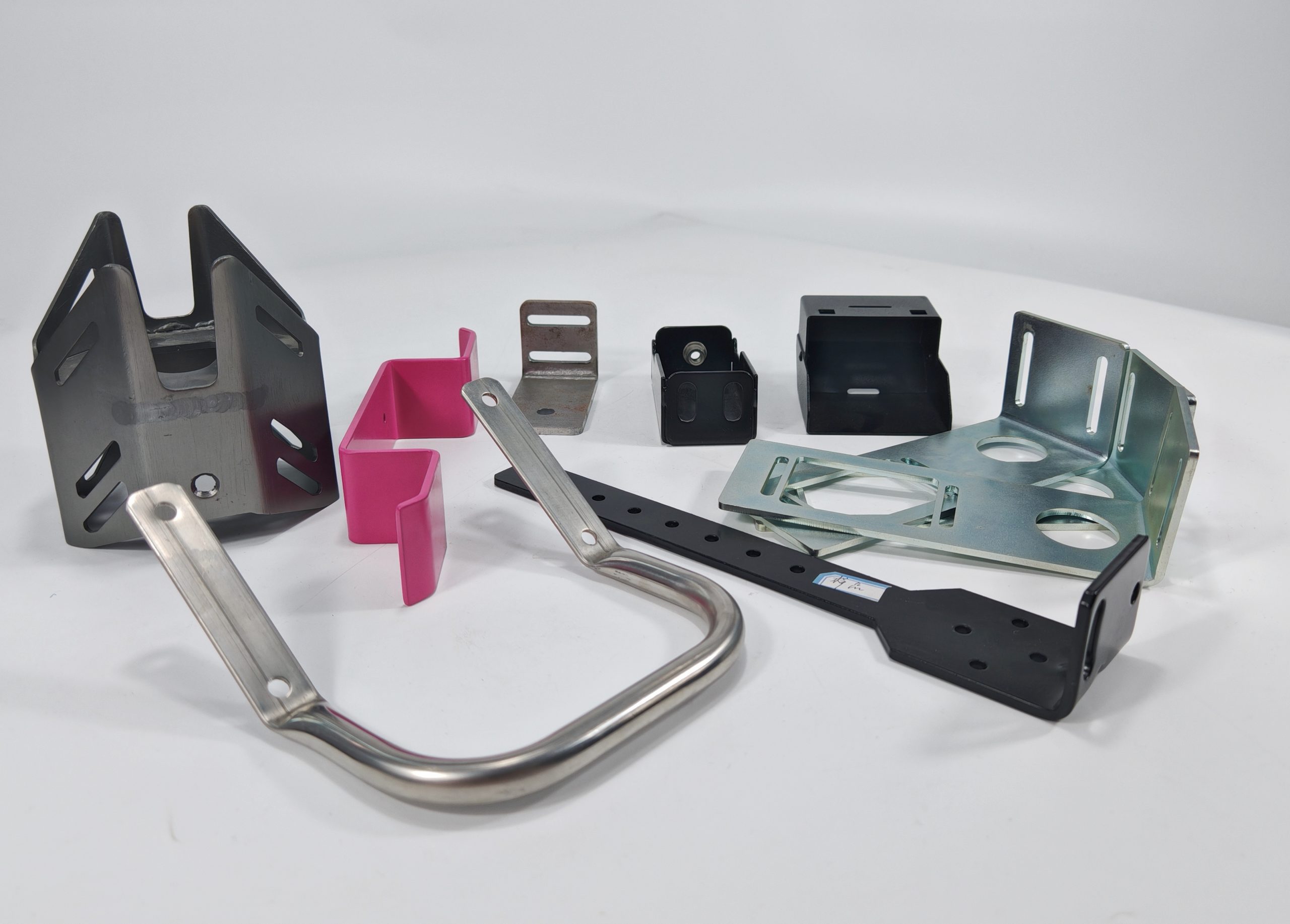
Suitability depends on part geometry, design stability, tooling needs, annual demand and batch quantity. There is no universal minimum volume that makes stamping economical. Share your expected demand and repeat-order schedule so we can assess tooling investment together with the recurring cost of the finished part.
Laser cutting can offer flexibility when quantities are limited or designs are still changing. Punching or stamping may suit repeated features and stable production requirements, depending on tooling and geometry. We review the complete manufacturing route, including forming and secondary operations, rather than comparing cutting cost alone.
Tooling cost depends on feature complexity, the number of operations, tooling construction and sample requirements. Part price also depends on material utilization, batch quantity, setup, finishing and inspection. Ask for tooling scope and recurring production costs to be identified clearly so alternatives can be compared on the same basis.
If you have existing tooling, provide drawings, photographs, condition records and available press-interface information for compatibility review. Tooling reuse is subject to assessment. Ownership of new tooling, storage, maintenance responsibilities and transfer conditions should be agreed in writing before tooling authorization.
Submit the exact material grade, condition or temper, and thickness. Steel, stainless steel, aluminum, copper and brass projects require different forming and tooling considerations. Feasible thickness depends on the selected process, feature geometry and available equipment; one thickness range should not be applied to every stamping operation.
Achievable tolerances depend on the feature, material, thickness, tooling and manufacturing sequence. Identify critical hole positions, formed dimensions, mating interfaces and inspection datums on the drawing. Precision metal stamping requirements are reviewed feature by feature, with acceptance limits confirmed for the specified delivery condition.
Before sampling, agree on the drawing revision, material, critical dimensions, edge condition and appearance requirements. Review samples and requested inspection records before production release. Repeat orders should reference the approved requirements, with checks planned for critical features and tooling condition. Any design or process changes require review before use.
Send 2D drawings, available 3D files, material and thickness, annual volume, batch quantity, tooling status and drawing revision. Include secondary operations, sample approval requirements and the target delivery date. Lead time is confirmed after reviewing tooling, material availability, sampling and production scope. Each uploaded file must be smaller than 130 MB.

This website uses cookies to provide you with a personalized browsing experience and analyze website traffic. By clicking "Accept", you agree to our use of cookies.