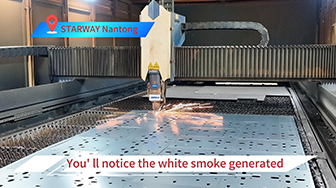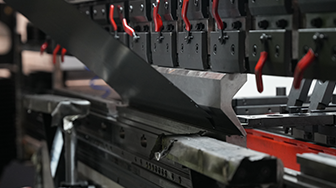

Sheet Metal Fabrication Design Engineering Project management Assembly Rapid Prototyping Packaging Shipping & Delivery
CNC Machining Design Engineering Project management Assembly Rapid Prototyping Packaging Shipping & Delivery
Plastic Injection Molding Design Engineering Project management Assembly Rapid Prototyping Packaging Shipping & Delivery
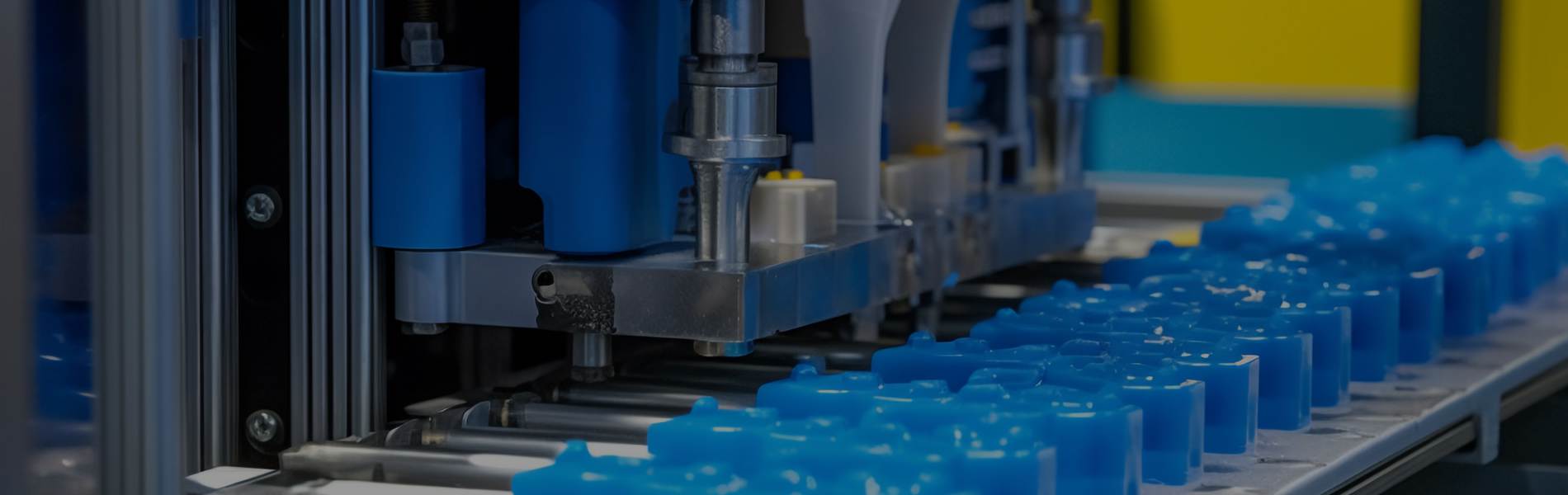
✓ Professional Consulting Team ✓ Fast Prototyping (1-2 weeks) ✓ Automated & Smart Manufacturing ✓ Easy Shipping (EXW, FOB, CIF, DDP) ✓ Global Markets Served


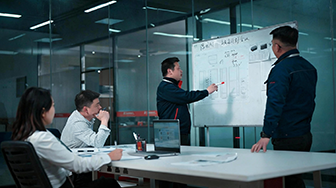
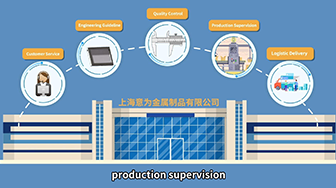
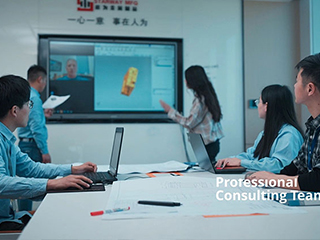
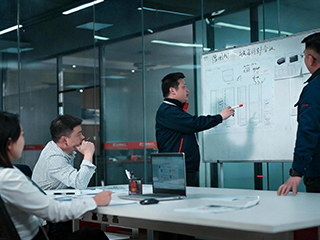
Engineering Consultation That Reduces Manufacturing Risk At Starway, engineering involvement starts before production begins. Our engineers work closely with customers to review drawings, tolerances, materials, and manufacturing feasibility, identifying potential risks early and proposing optimized solutions. By integrating engineering and sales teams, we ensure that technical decisions are accurately translated into cost, lead time, and production plans — avoiding surprises during execution.

New project success depends on speed, accuracy, and adaptability. Starway operates a dedicated project development team combining engineering, prototyping, and quality control. This allows us to deliver prototypes within 1–2 weeks, validate manufacturability quickly, and resolve technical challenges through real production trials — not assumptions.
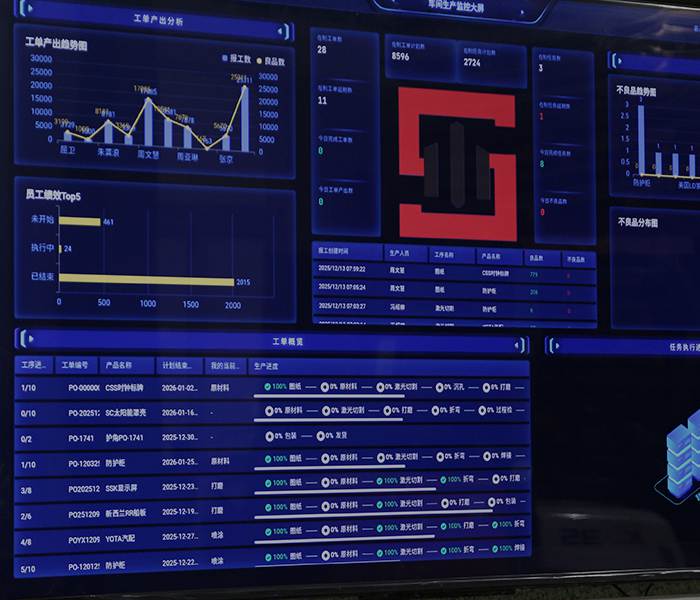
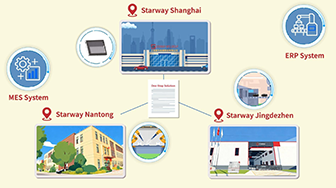
On-time delivery and consistent quality are not outcomes — they are engineered results. All orders are managed through our MES system, enabling real time production tracking, quality traceability, and cross department coordination. This system-driven approach allows us to proactively manage risks, maintain schedule integrity, and keep customers informed with accurate production data.

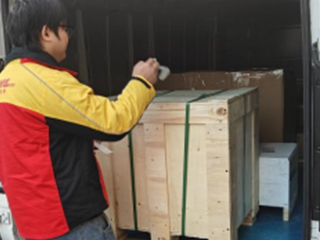
At Starway, Easy Shipping is another key advantage. Our goal is to make customers' shipping easy, safe, and fully trackable. Our professional logistics team helps our customers handle all types of shipments — both air and sea — including EXW, FOB, CIF, DDP, etc. Our shipping system enables us to track and monitor all shipments in transit, ensuring they arrive safely and on time. Our customers are updated regularly with their shipping status.
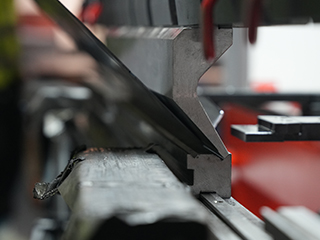
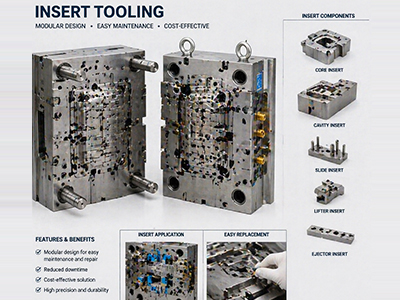
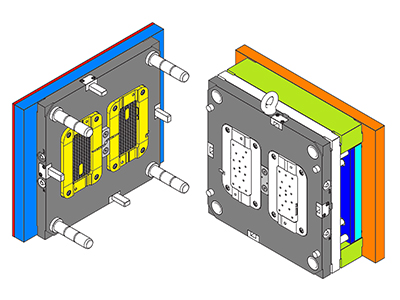
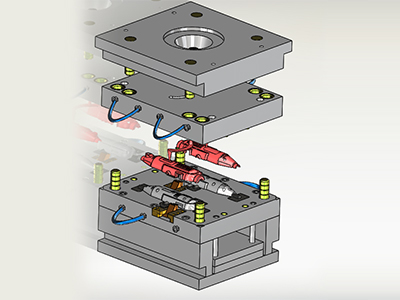
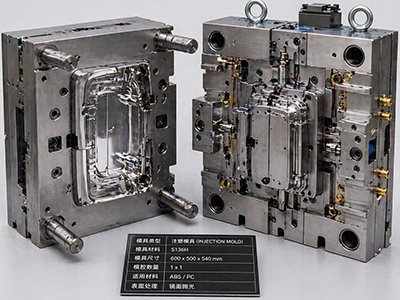
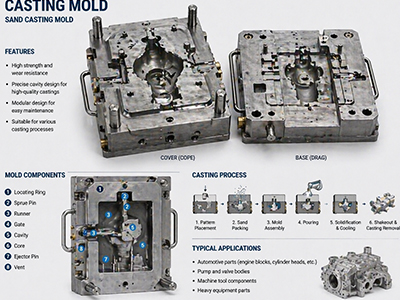
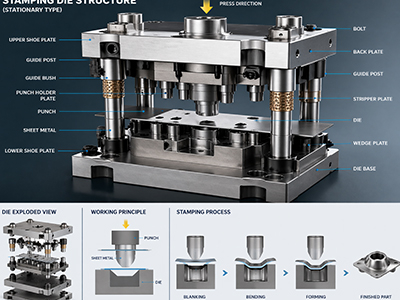
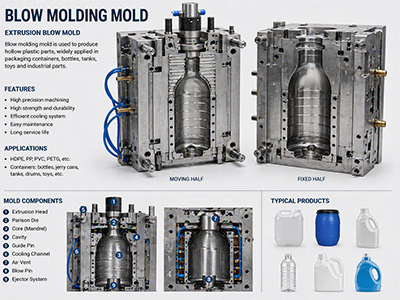
Mold manufacturing is the process of designing and producing precision tooling used for mass production, including injection molds, die casting molds, and stamping dies. It involves engineering design, CNC machining, assembly, and mold testing.
The cost of a custom injection mold typically ranges from $2,000 to $50,000+, depending on part complexity, mold size, material, and cavity number. High-volume production molds require higher upfront investment but reduce unit cost.
Standard mold lead time is 15–30 days for most injection mold tooling. Complex molds or multi-cavity molds may take 4–8 weeks including design, machining, and trial runs.
Key factors include part design complexity, material selection, mold steel type, number of cavities, surface finish requirements, and expected production volume.
Injection molds are used for plastic parts, while die casting molds are designed for metal components such as aluminum or zinc. Die casting molds must withstand higher temperatures and pressures.
DFM (Design for Manufacturability) is a process that optimizes part design to improve moldability, reduce defects, and lower production costs in injection molding and tooling.
Mold flow analysis predicts how molten material fills the mold cavity, helping prevent defects like air traps, warpage, and uneven filling in injection molding.
Common mold materials include P20, H13, S136, and NAK80 tool steels, selected based on production volume, part requirements, and surface finish.
Mold life varies depending on steel type and usage:
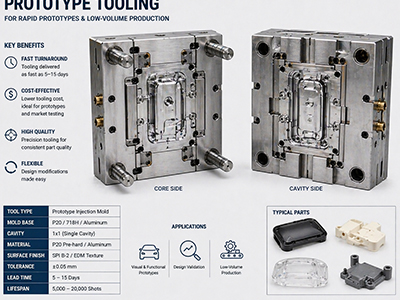
Prototype molds: 10,000–50,000 shots
Production molds: 100,000–1,000,000+ shots
Soft tooling uses aluminum or lower-grade steel for rapid prototyping and low-volume production, while hard tooling uses hardened steel for long-term mass production.
Yes, we provide one-stop solutions from mold design and tooling manufacturing to full-scale injection molding, die casting, and assembly services.
Multi-cavity injection molds with hot runner systems are ideal for high-volume production due to efficiency, consistency, and reduced material waste.
Insert molding integrates metal or other components into plastic parts, while overmolding combines multiple materials into a single product for enhanced functionality.
Industries include automotive, aerospace, medical devices, consumer electronics, and industrial equipment manufacturing.
Molds can achieve various finishes including SPI polishing standards (A1–D3), EDM textures, matte finishes, and mirror polishing.
We conduct strict quality control including material inspection, precision machining checks, mold trial validation (T0/T1), and final approval before production.
Yes, we offer mold modification, repair, and maintenance services to improve performance or extend mold life.
We accept common CAD formats such as STEP, IGES, STL, and SolidWorks files for mold design and engineering evaluation.
Choosing the right mold depends on production volume, material, part complexity, and budget. Our engineering team can recommend the best tooling solution based on your design.
Yes, we provide mold manufacturing services for global clients, including export packaging, international shipping, and technical support.



This website uses cookies to provide you with a personalized browsing experience and analyze website traffic. By clicking "Accept", you agree to our use of cookies.


 Global