
Sheet Metal Fabrication Design Engineering Project management Assembly Rapid Prototyping Packaging Shipping & Delivery
CNC Machining Design Engineering Project management Assembly Rapid Prototyping Packaging Shipping & Delivery
Plastic Injection Molding Design Engineering Project management Assembly Rapid Prototyping Packaging Shipping & Delivery
Technical Guide | STARWAY MFG GROUP
By Alyssa / November 2026
Contents
For OEM engineers, buyers and designers who order machined aluminum parts.
A drawing lands with 6061-T6 called out for a thin-walled housing with a few deep pockets. Right grade? Maybe. On a job like that the alloy is seldom the hard part. Holding the walls straight, clamping the part and getting a clean finish are. We hear versions of this all the time. A buyer wants 6061 instead of 6082 because it’s easier to find, or asks for 7075 because a bracket takes some load. Aluminum alloy CNC machining selection comes down to the part, the temper and the stock you can actually get, more than the grade name on its own.
Put a thick mounting block next to a long cover with thin ribs. You could cut both from 6061. The cover, though, needs a different roughing plan, and someone has to check it after it comes off the fixture. Now add a tight folded flange to that cover, and 5052 or 5754 sheet starts to look like the better place to begin. Geometry moves the decision more than people expect.
This guide looks at the four alloys from the shop floor and from the purchasing desk. Where each one does well. Where it gets you into trouble in machining or quality. And what to write on the drawing and the request for quotation (RFQ). The full list of aluminum grades is in the STARWAY aluminum materials overview.
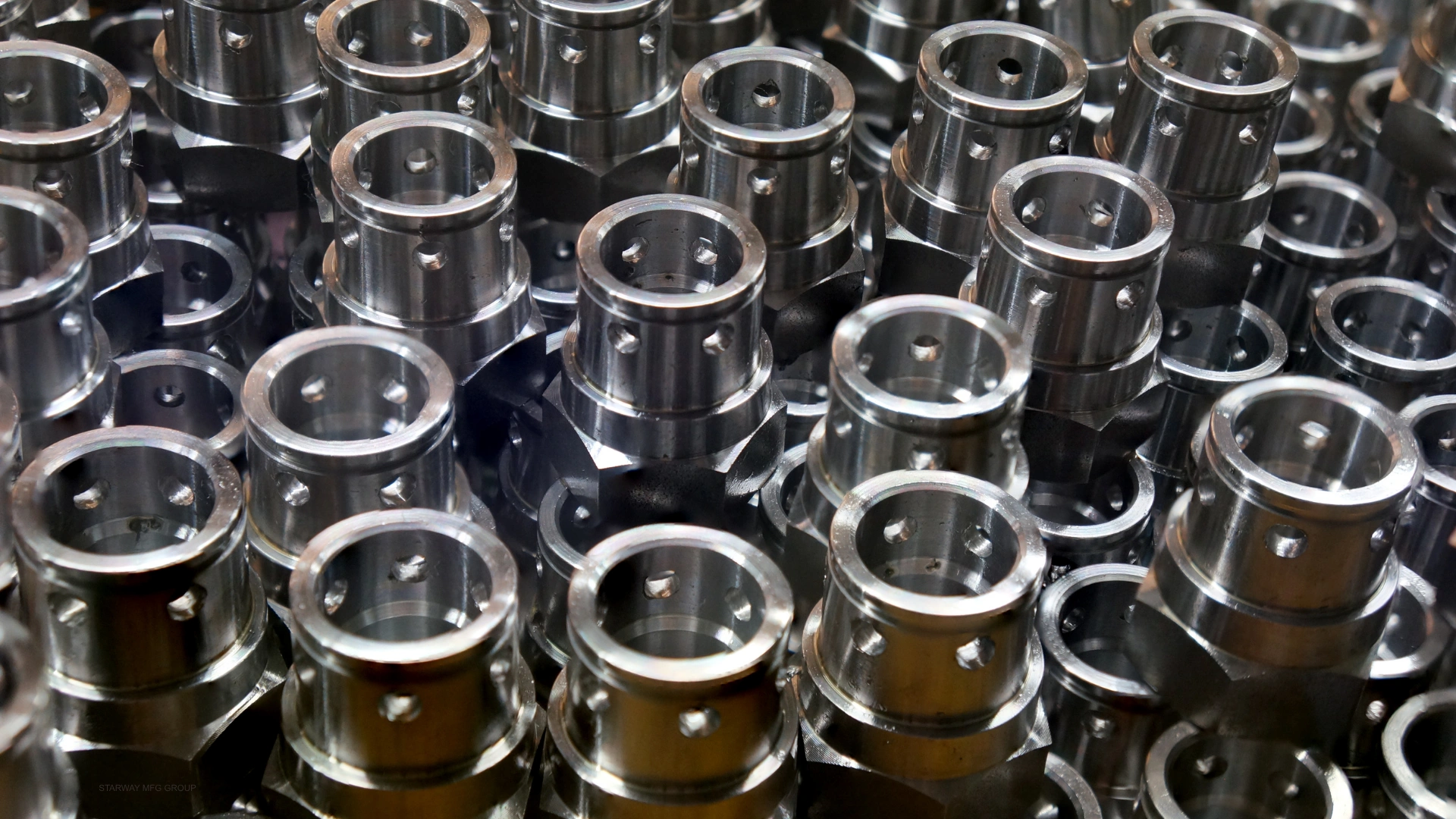
Most general machined parts: start with 6061-T6/T651. A European structural drawing usually points you to 6082-T6/T651 anyway. 7075 is worth paying for when the part is strength-limited and you’ve already looked at temper and corrosion exposure. Chinese 2A12 on the drawing: confirm the standard and supply condition before anyone offers a substitute. The table is a shortlist. It is not approval to change grades.
| Project priority | Strong starting candidate | Decision caveat |
|---|---|---|
| General CNC brackets, housings and fixtures | 6061-T6 / T651 | Confirm stock form, surface finish and local availability |
| Structural parts and European plate supply | 6082-T6 / T651 | Properties shift with plate thickness; check the supply form too |
| High-strength precision parts | 7075-T6 / T651 | Stress corrosion, cost and surface protection all need a look |
| Specified Chinese Al-Cu-Mg aerospace-type grade | 2A12 in the specified temper | Not a drop-in for 2024 without proof |
| Tightly folded sheet-metal panels | 5052 or 5754, suitable H/O temper | Choose for forming; not necessarily for complex machining |
BEFORE YOU APPROVE THE GRADE
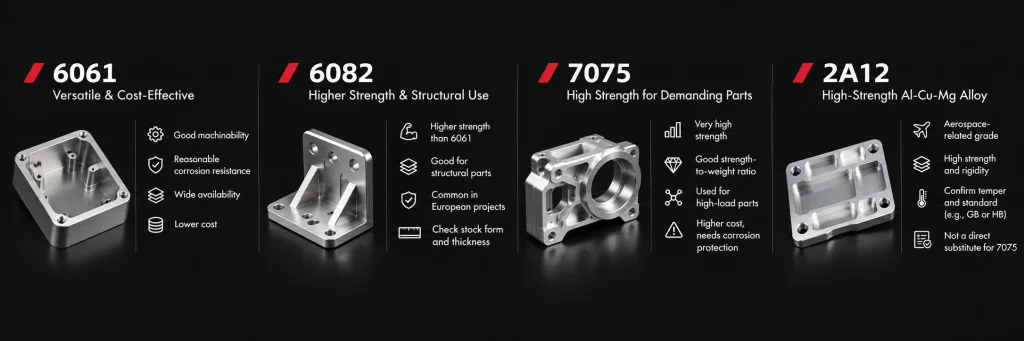
Alloy, temper, stock form, governing material standard: all four go on the drawing. Certs needed? Write that into the RFQ. “6061” with no temper or product spec leaves too much open.
6061 is on a lot of CNC drawings for good reason. In T6 or T651 nothing about it is extreme, and that’s the point. It machines well, handles corrosion reasonably, and you can buy it almost anywhere. Most blocks, housings, fixtures and brackets are fine in it. If most of the blank is going to end up as chips, though, the geometry deserves a second look.
Ordinary loads plus a visible anodized face? 6061 can be the sensible pick even when stronger alloys are available. Bent sheet is another story. Bend 6061-T6 too tight and it can crack; whether it does comes down to temper, thickness, radius and grain direction. Get a forming review.
6082 is everywhere on drawings from European machine builders. Chemically it’s a cousin of 6061 (both are Al-Mg-Si), but the limits aren’t identical, and in some T6 forms the published strength minimums run higher. So the alloy name alone tells you little when quoting. Plate or bar size, the product standard behind it, the certificate: those are what you quote against.
The usual story goes like this: EN AW-6082-T6 on the OEM drawing, 6061-T6 on the supplier’s offer. Close enough for an engineering review? Possibly. Close enough for purchasing to wave it through? No. Someone has to check the required properties, what thicknesses are really in stock, the finish, and who at the customer signs off. On a part inside a controlled assembly, this matters even more.
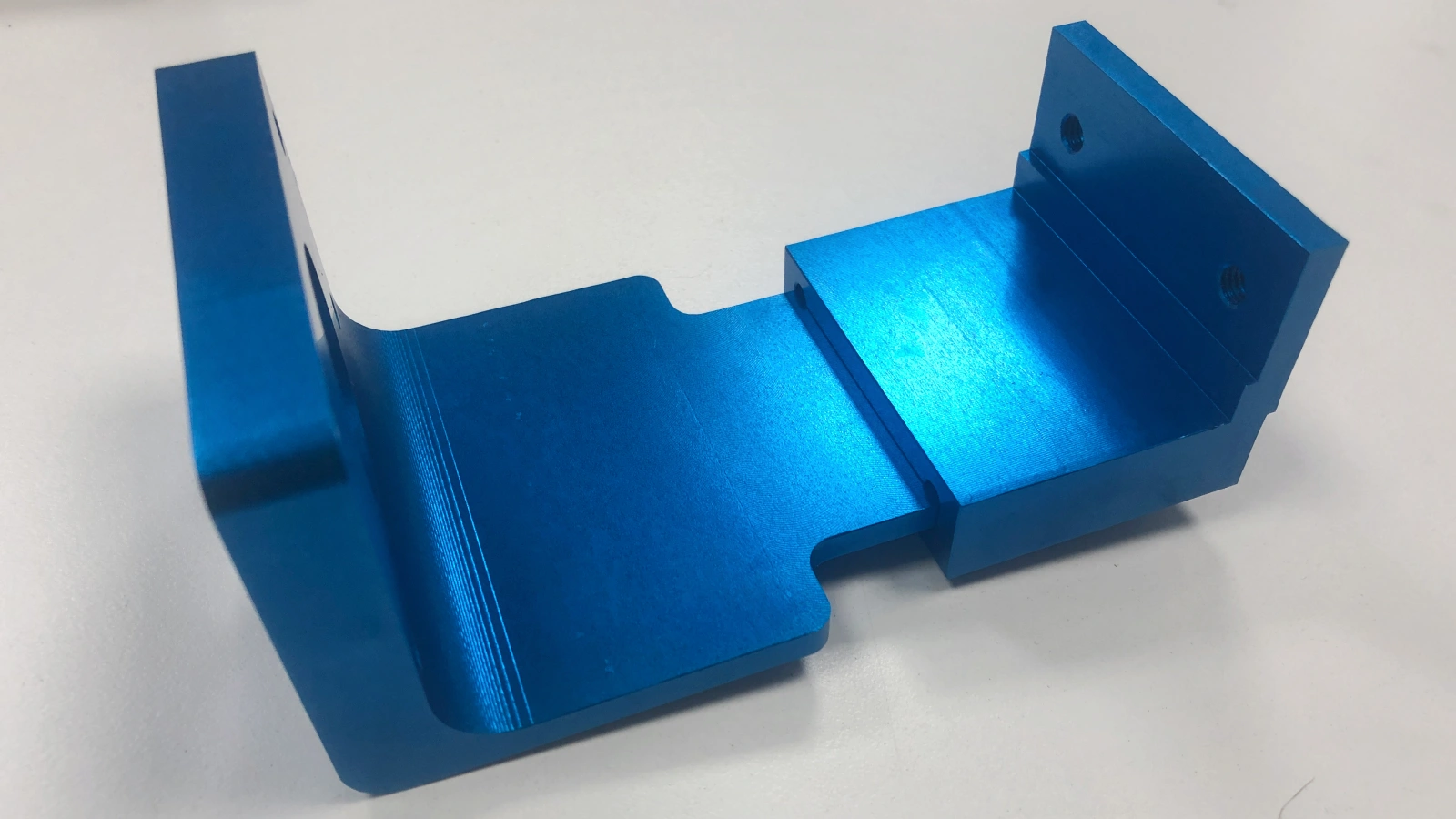
7075 makes sense when strength really is the limit. Loaded fixtures. Light structural brackets. Some performance parts. Zinc is the main alloying element, with magnesium and copper alongside, which puts it in a different league from the 6000 series. Hard tempers tend to break chips nicely and cut clean, so stronger isn’t a synonym for harder to machine. Setup and geometry still decide a lot.
It costs more. Some high-strength tempers need a stress-corrosion review, and the overaged tempers (T73/T7351) give up some strength for better resistance. Welding is usually off the table as a joining method. Anodized and visible? Get a sample approved. Put anodized 7075 next to anodized 6061 and the color may not match.
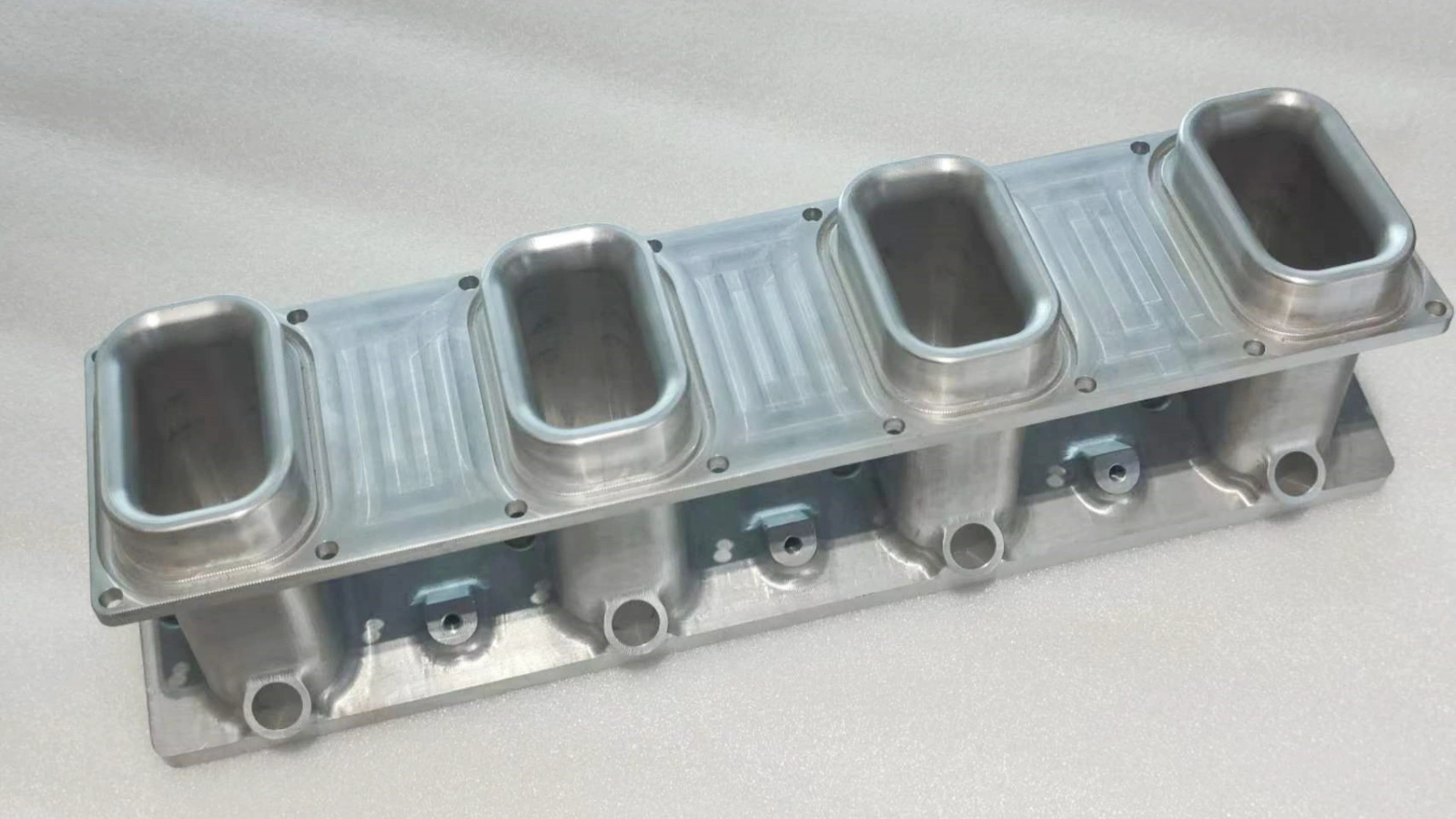
2A12 needs extra care on an international RFQ. It’s a Chinese Al-Cu-Mg alloy and gets compared with 2024 a lot. Related, yes. Interchangeable by default, no. Pin down the standard, temper, product form and certificate. Swapping to 2024? Get the engineering comparison in writing, and get the customer to approve it.
Required 2A12? Then machining and inspection get planned around whatever condition the bar or plate actually arrives in. Copper in the alloy means corrosion protection can’t be an afterthought the way it sometimes is with 6000-series grades. Fusion welding isn’t the normal route either. Burr removal, finishing and traceability should come up while quoting. Better then than after the first batch.
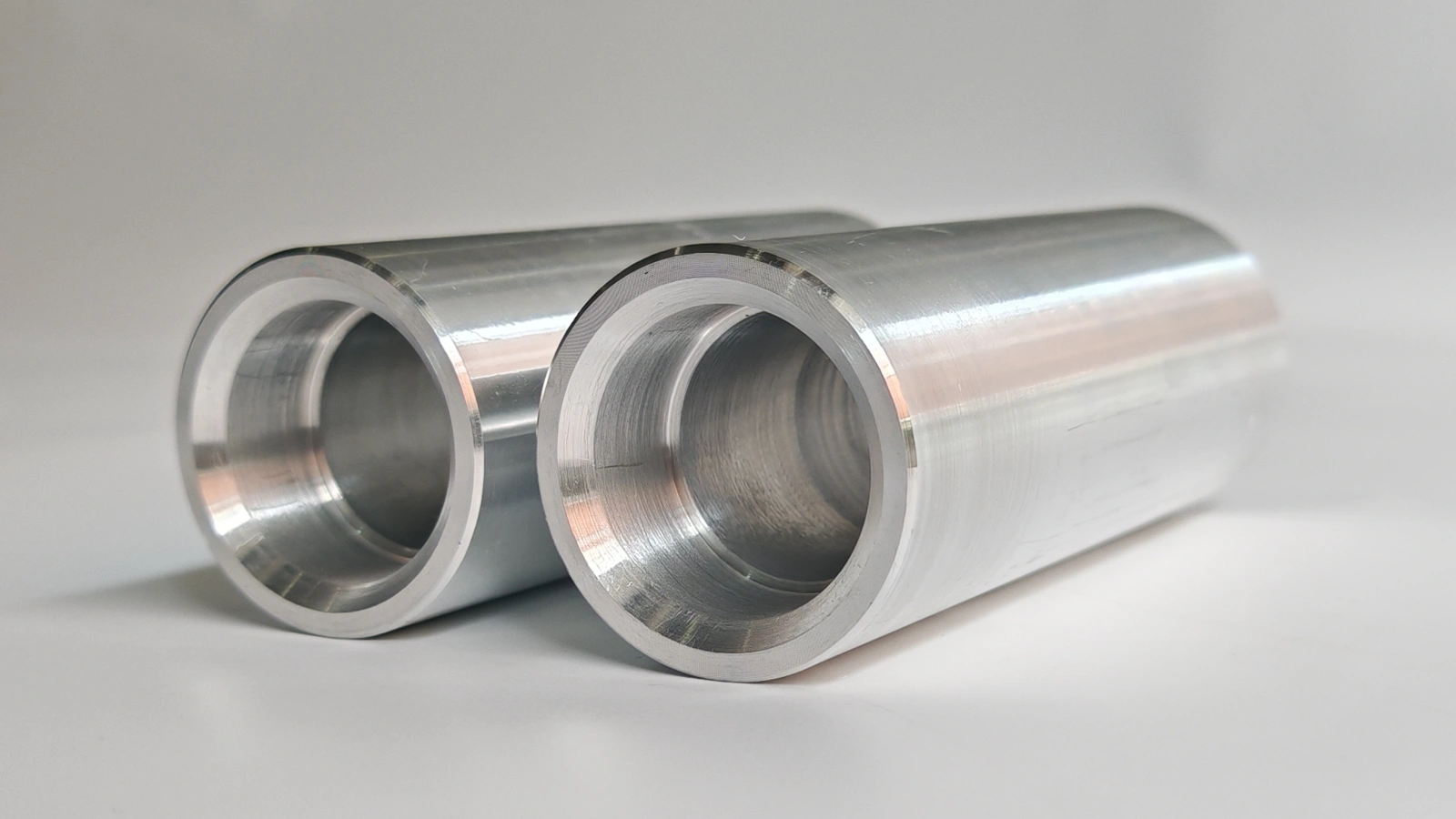
Read the strength numbers with the product form in mind. A minimum quoted for 7075 sheet can’t be compared straight across with one quoted for 6082 extrusion, as if both had been tested the same way. The figures below are indicative published requirements for selected forms and tempers. Treat them as a filter. What finally governs is the material standard, the thickness range and the mill cert.
| Alloy / common condition | Indicative 0.2% proof or yield strength | Machining / forming profile | Typical decision driver |
|---|---|---|---|
| 6061-T6 (selected rod/bar) | ~240 MPa minimum in cited product form | Good general machining; tight T6 bends need caution | Versatility and cost balance |
| 6082-T6 (selected extrusion) | ~250–260 MPa minimum by size range | Good plate/bar machining; forming temper matters | Structural strength and EU supply |
| 7075-T6 (selected sheet) | ~434–476 MPa minimum by thickness | High-strength machining; limited tight-bend/weld appeal | Highly loaded components |
| 2A12-T4 (selected clad sheet) | ~270–280 MPa minimum by thickness | Machinable; forming and protection depend on form | Specified Al-Cu-Mg applications |
Strength and stiffness aren’t the same question. Elastic modulus barely changes across these alloys, roughly 69–73 GPa, even though yield strength varies a lot. A long panel that sags in 6061 will sag about as much in 7075. It just won’t yield as early. To stop the deflection, add section depth, ribs or support points.
Is a grade “easy to cut”? Depends on the feature. A face-milled surface is easy in almost anything; a deep slot, a long bore and a thin-wall pocket each test something different. What a shop means by machinability is chips that clear, tools that last, not much burr, dimensions that repeat and a finish nobody has to rework. Speed is worthless if the part springs open off the vise.
6061 and 6082 mill well. Still, pack the flutes with chips or run the wrong cutter and you’ll get built-up edge and burrs on either. 7075 in a hard temper sometimes breaks chips more cleanly. That doesn’t cancel out its stock price, the corrosion question or the finished-part spec. 2A12 gets tooling and deburring picked for its temper and for whatever feature is being cut.
On the mill, use sharp cutters ground for aluminum and keep the chips moving out. Turning: chips like to wrap. In a drill cycle, chips pack and exits burr. There’s no universal feed and speed; it depends on the tool, how much of it is engaged, machine rigidity, coolant and how the part is held. For a tricky geometry, cut a representative trial part. A speed chart can’t tell you what that part will.
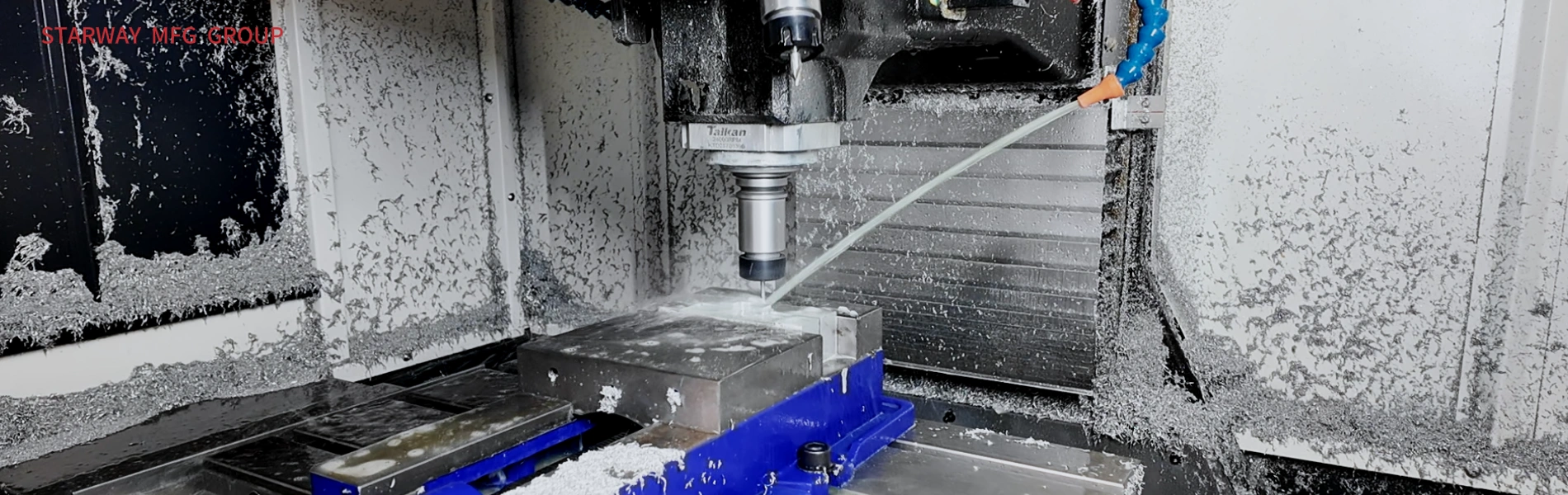
Thin walls and big pockets move as material comes out. While the part is clamped, you won’t see it. A route that often works: rough both sides, leave finishing stock, let the part relax, then finish and inspect it unclamped. T651 helps with residual stress. It doesn’t promise flatness. Need free-state flatness? Then it goes on the drawing.
| Machining feature | Common risk | Practical DFM / process response |
|---|---|---|
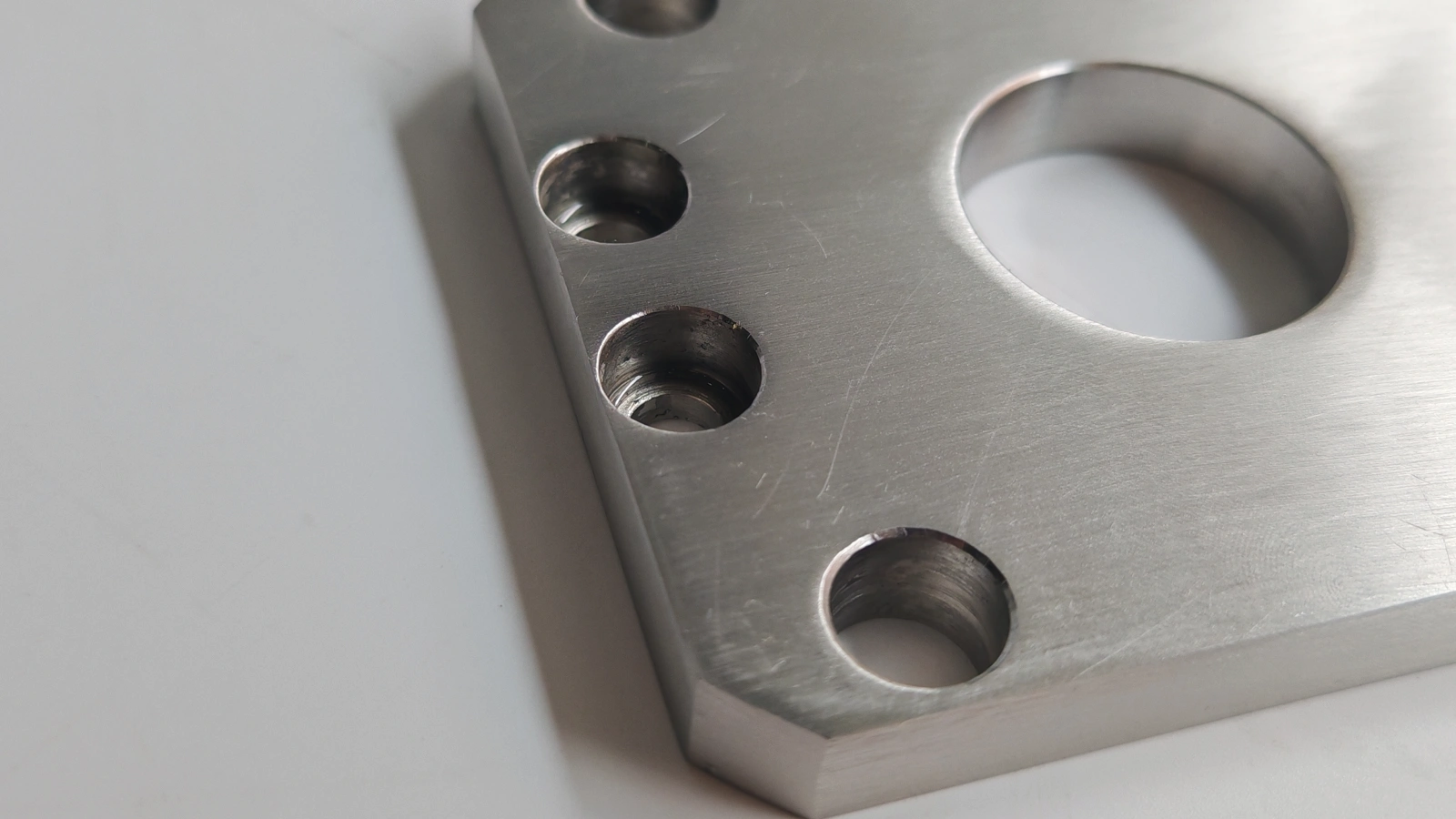
| Deep pocket or thin web | Warping after material removal | Rough both sides; allow stabilization; inspect unclamped |
| Small tapped hole | Thread damage or poor engagement | Specify thread depth; consider inserts if repeatedly assembled |
| Long drilled bore | Chip packing and exit burrs | Plan peck/through-coolant strategy and deburring access |
| Cosmetic machined face | Tool marks or anodizing variation | Define surface-finish zone and approval sample |
| Tight positional pattern | Stack-up and fixturing error | Dimension from functional datums; inspect assembly interface |
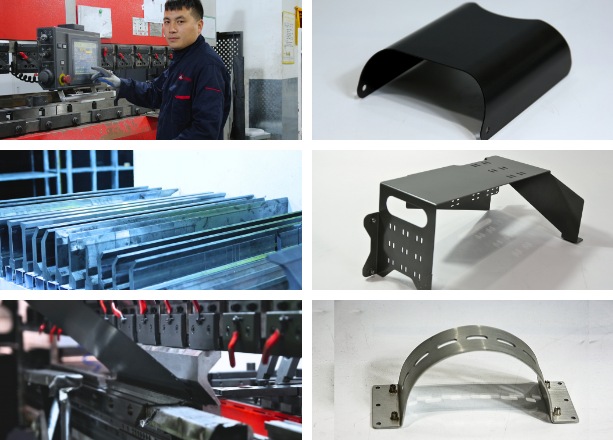
Sometimes the CNC alloy comparison misses the point. A part that’s mostly folds (a cover, an access panel, an enclosure) lives or dies on bending, not milling. Give 5052 or 5754 a suitable temper and they’ll usually take a tighter radius than 6061-T6 or 6082-T6 without complaint. Their corrosion resistance suits many uses too.
Flip it around. Deep pockets, precision bores and a lot of tapped holes in a thick block? That’s 6061 or 6082 territory, not forming-grade sheet. Choose for the main operation. Two bends and a few holes is a sheet job. A housing cut from solid plate is a machining job.
Picture a 2 mm folded cover with narrow returns, drawn in 6061-T6 simply because that’s the usual CNC grade. Before anything is cut, have someone check whether that bend will work. In a suitable temper, 5052 or 5754 might fold more easily, though thickness, grain direction and the brake tooling all have a say. A separately machined boss can also beat forcing every feature into one folded panel.
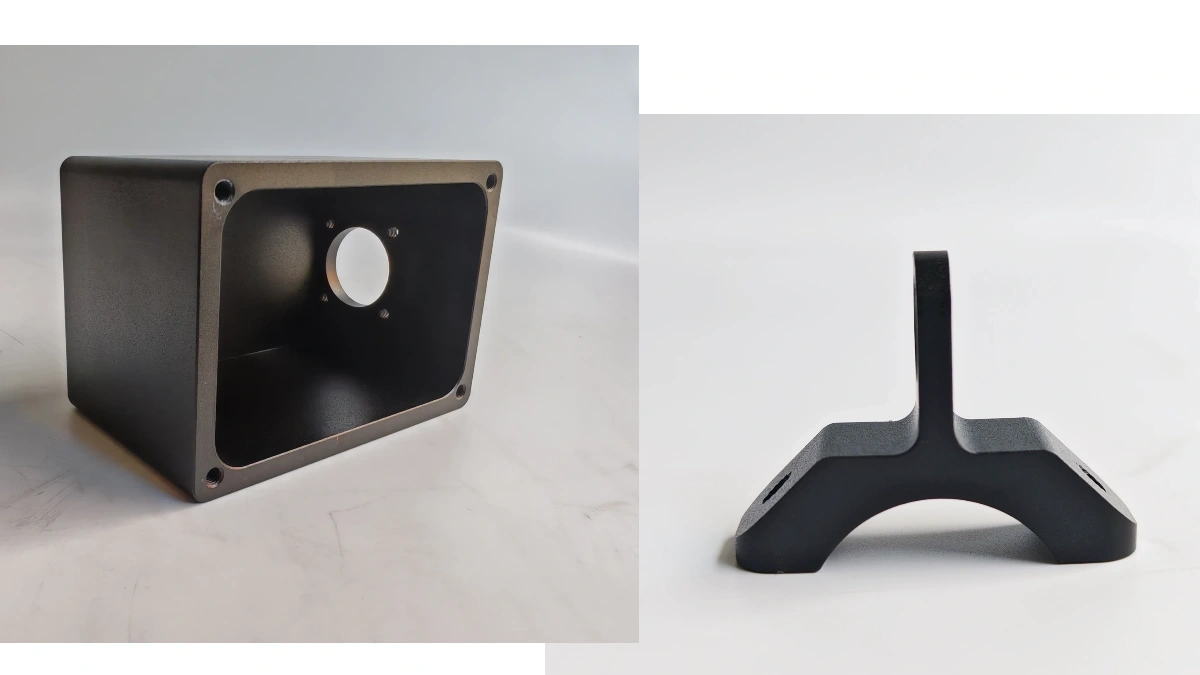
Part machined, part formed? Get a DFM review and confirm the CNC bending route while the material spec can still change.
Nobody notices a few seconds of cycle time on a visible housing. They do notice blotchy color or corrosion. With the right finish, 6061 and 6082 rarely give trouble here. 7075 and 2A12 need a closer look at where the part will live and how it’s protected. Salt? Contact with other metals? Put both in the material review.
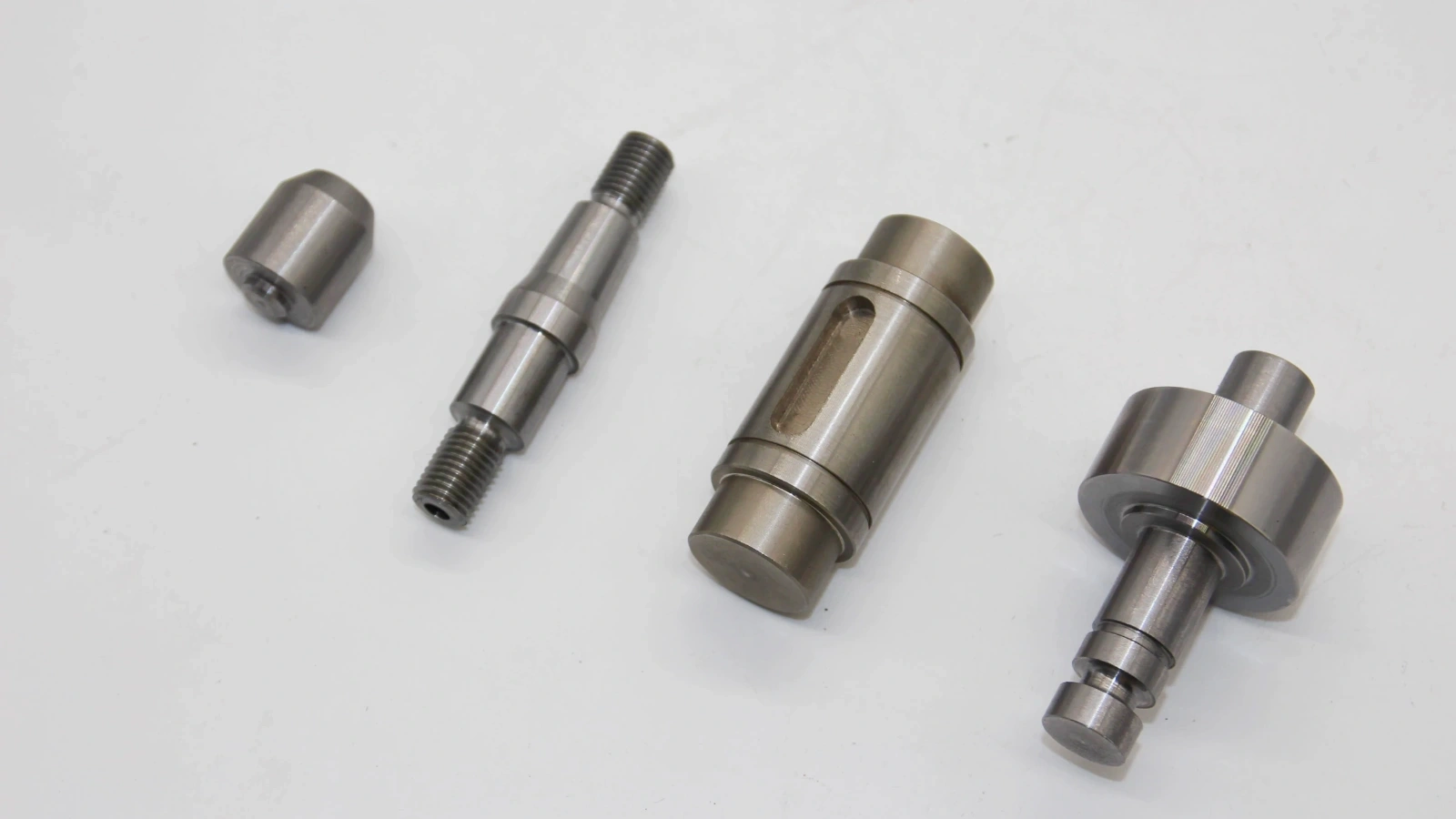
“Anodized” is not an appearance spec. How the surface was prepped matters, and so do the alloy chemistry, the temper and any tool marks. Parts that have to match each other? Mark the show surfaces. Agree on a sample, and on how it’ll be inspected. Two grades sent through the same nominal anodizing process can still end up different colors.
Joining needs its own check. Welding 6061 and 6082 is routine. What gets forgotten is that the heat-affected zone softens in heat-treated 6000-series stock, so the parent-metal T6 numbers don’t hold there; design with as-welded values. 7075 or 2A12? Don’t plan on conventional fusion welding in production without a qualified engineering decision.
Paperwork goes on the order, in writing: alloy and temper, product standard, material certificate, heat or lot traceability if you need it, finish, inspection criteria. Regulated work often stacks extra approvals on top. ISO 9001 is a quality system. It is not a specified aerospace material or process qualification, and it can’t stand in for one.
A good material RFQ says what can’t change. Fixed load case? Cosmetic finish? Is the temper open? Inspected after unclamping? Answers like these help a supplier far more than “6061 or equivalent.” The checklist below can ride along with your drawing review.
Comparing quotes? Separate material from processing. A 7075 blank costs more, yet a 7075 part doesn’t always take longer to cut. Cheap stock stops being cheap once deburring, distortion or rework start eating hours. So ask what’s behind the number. Blank size? Utilization? Roughing time, tool access, inspection, finishing? The answer should point at features on your drawing, not at a per-kilo rate.
Send STARWAY MFG GROUP an OEM drawing and we’ll look at the material together with geometry, tolerances, quantity and downstream finishing. Our CNC machining services cover milling, turning and related operations. Parts that also need sheet metal work or assembly are supported by our other manufacturing capabilities.
With a new part, a marked-up drawing often beats a fast quote. It shows the awkward pocket, the free-state flatness callout or the temper no one stocks. After those are fixed, a prototype and a first-article inspection show whether the process holds. Repeat orders should point back to the approved material spec and drawing revision in the production records.
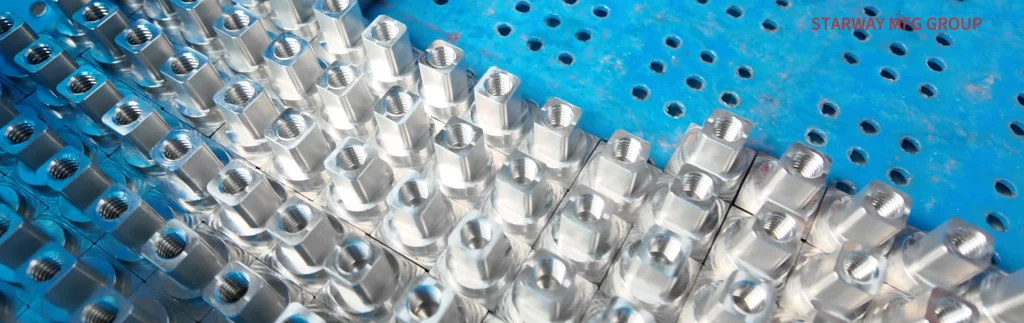
Machined aluminum housing, fixture or structural bracket on your desk? Or a mixed metal-and-sheet assembly? Send us the 2D/3D files with quantity, the material you’d prefer and the critical dimensions, and ask for a manufacturability and quotation review. The aim is a grade that meets the design without adding manufacturing cost you don’t need.
For a general fixture or housing, 6061 is usually the easier one to defend. People know it, it’s stocked nearly everywhere, and it takes several finishes. Pick 7075 when the load case calls for the extra strength and corrosion, cost and temper have been checked. Thin walls don’t get easier to hold in 7075 just because it’s stronger.
Both are heat-treatable Al-Mg-Si alloys, but their chemical limits and specified properties differ. You’ll find 6082 on lots of European structural drawings; 6061 is the one sourced almost everywhere else. Compare standard, temper, thickness and product form. Don’t treat either as a drop-in for the other.
Yes. Machined structural parts, plates and brackets are routinely made from 6082-T6 or T651. Make sure your stock size and temper can actually be bought, then look at the geometry. Deep pockets, drilling and thin sections still need proper tooling and workholding.
Don’t assume they’re equivalent. They come from related Al-Cu-Mg alloy families, but chemical limits, temper requirements and product standards can differ. Any substitution needs an engineering comparison and the customer’s approval.
In the common high-strength tempers covered here, 7075 usually has the highest yield strength. That doesn’t make it the best material for every part, and the ranking can shift when you compare different tempers or stock forms. Base design decisions on the specified material standard and certified values.
For a folded cover or panel, check 5052 or 5754 in a suitable forming temper first. 6061-T6 and 6082-T6 tend to be less forgiving at tight radii. Either way, the bend radius still has to be checked against thickness, rolling direction and the tooling you’ll actually use.
Sometimes, especially when a hard temper gives favorable chips. Look at the whole job, though: roughing, drilling, tool changes, finishing and inspection. On a thin or heavily pocketed part, fixturing and distortion can matter more than chip formation.
6061-T6 can be welded, but the heat-affected zone may end up weaker than the original T6 stock. If the joint carries load, design with suitable as-welded properties and an approved joining procedure. Don’t assume the finished weld keeps the parent-metal rating.
Tolerance depends more on feature size, wall thickness, setup, temperature and inspection method than on the alloy alone. Mark the critical datums and dimensions. On thin plates or pockets, say whether flatness has to be met after the part comes off the fixture.
Send the current 2D drawing and 3D model, the required alloy and temper, stock form if it’s controlled, quantity, finish, critical dimensions and how you expect the part to be inspected. Add the end-use environment and where it’s shipping to. If another grade is acceptable, say who can approve it and what evidence they’ll need.
Don’t pay for 7075 if 6061 handles the load and the finish. And don’t swap out a specified 6082 or 2A12 just because something else is on the shelf. Check temper, standard and geometry before you approve a change. If the part is mostly folded sheet, bring 5052 and 5754 into the discussion early. The right alloy is the one engineering can sign off and the shop can make the same way every time.
Need a material recommendation?
Share your aluminum part drawing, quantity and application.

This website uses cookies to provide you with a personalized browsing experience and analyze website traffic. By clicking "Accept", you agree to our use of cookies.



 Global