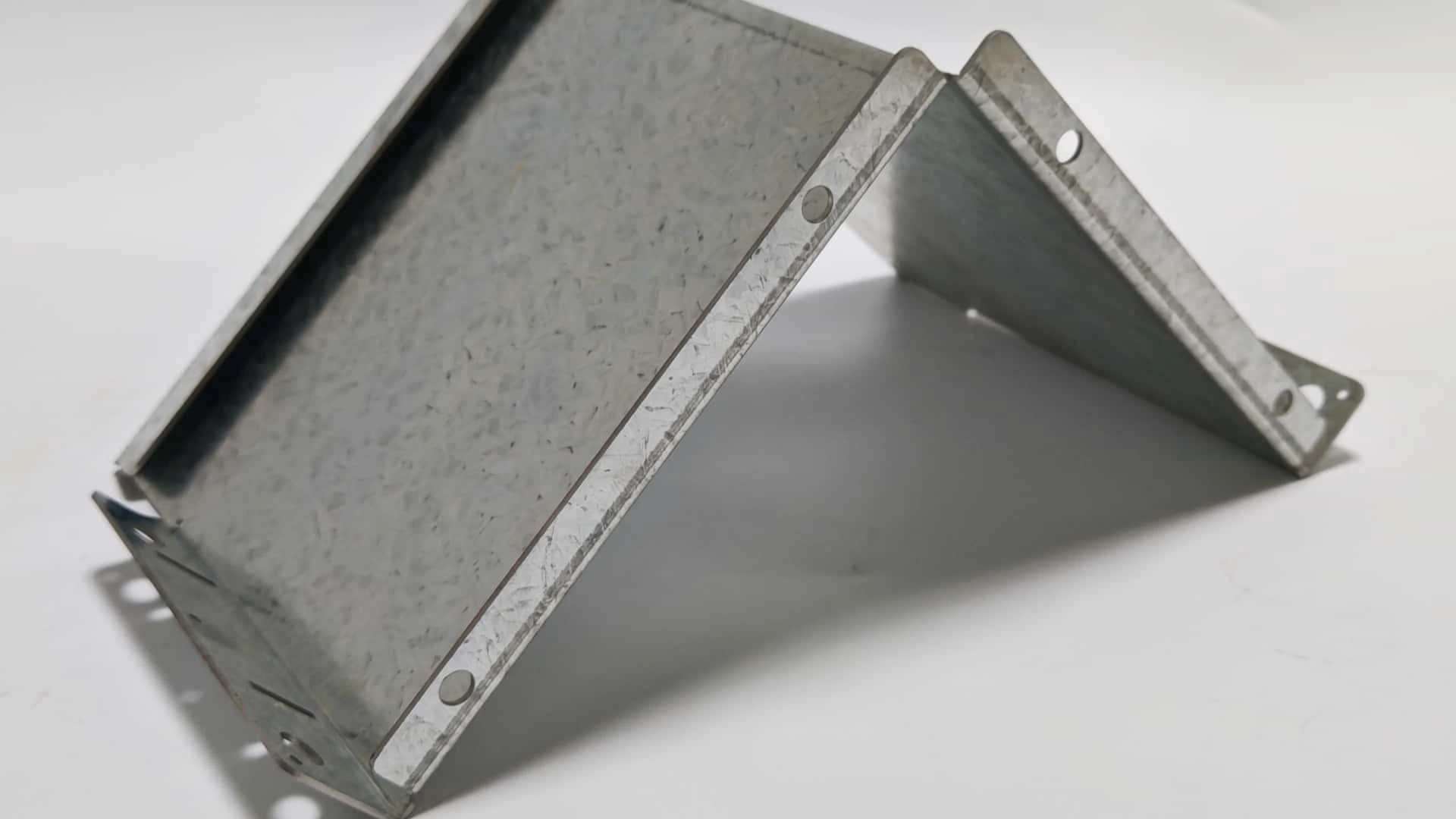

Sheet Metal Fabrication Design Engineering Project management Assembly Packaging Rapid Prototyping Shipping & Delivery
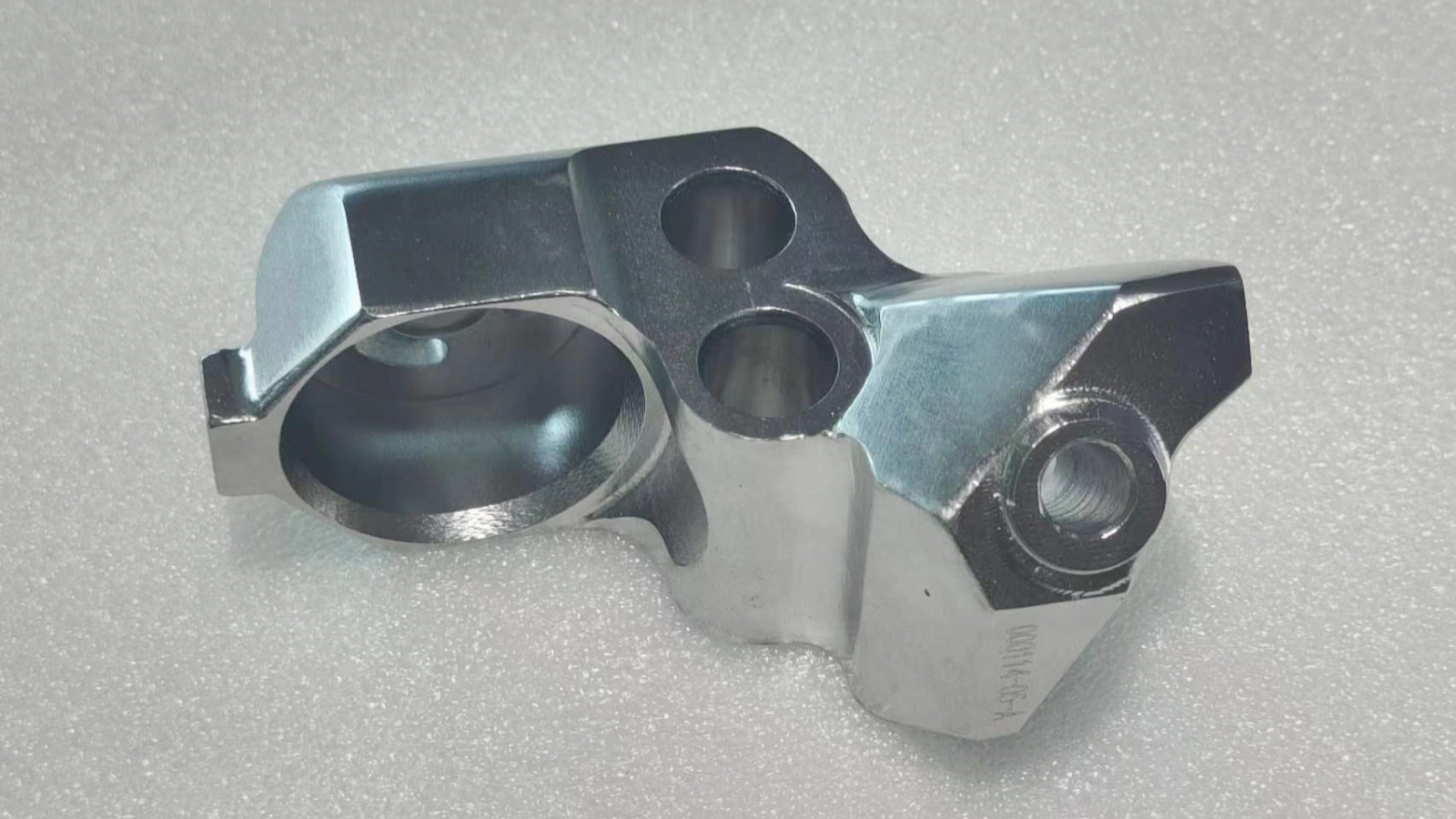
CNC Machining Design Engineering Project management Assembly Packaging Rapid Prototyping Shipping & Delivery
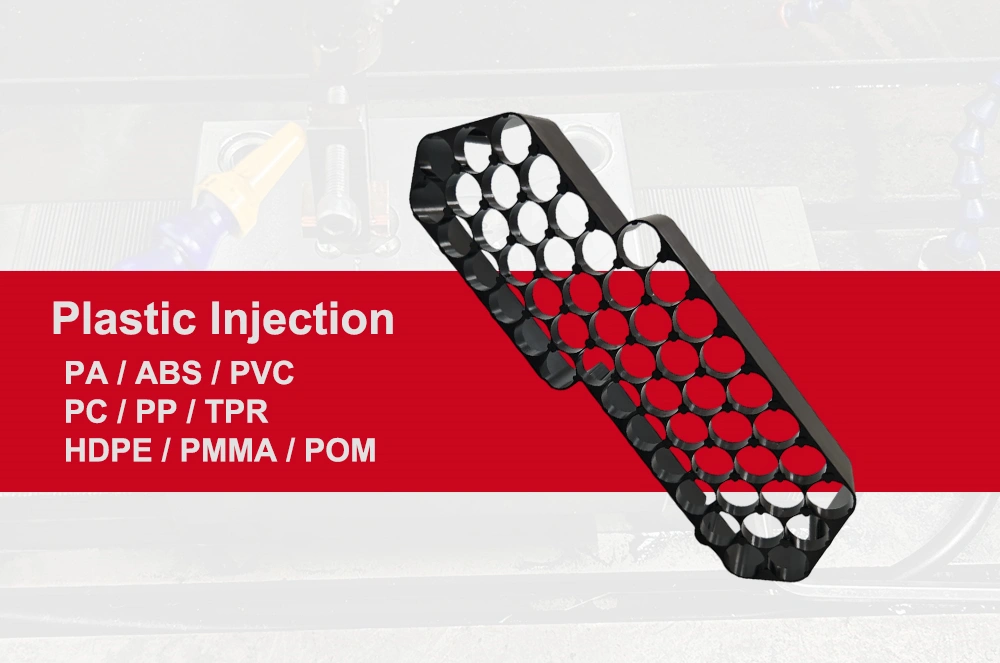
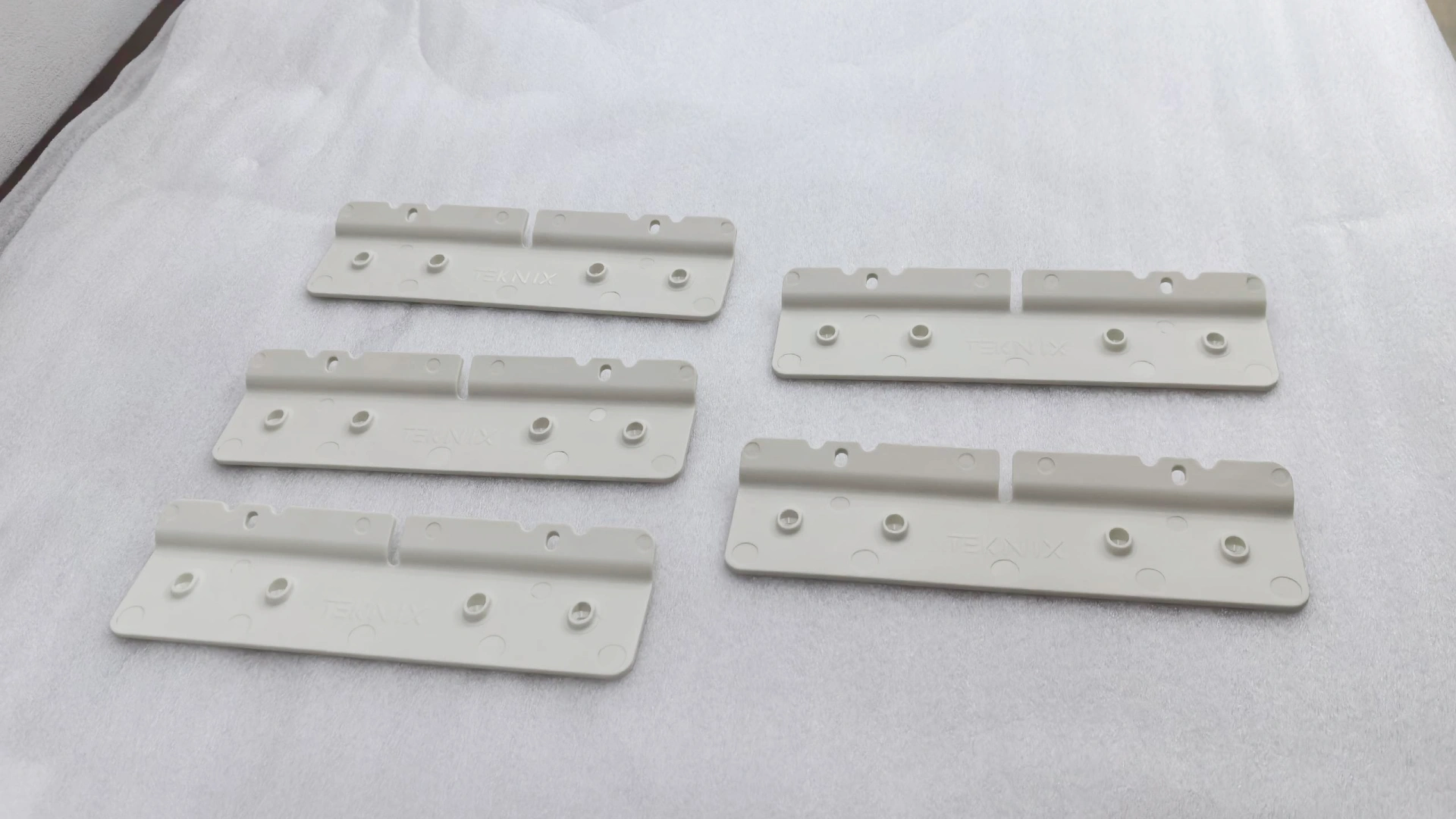
Plastic Injection Molding Design Engineering Project management Assembly Packaging Rapid Prototyping Shipping & Delivery
The quote arrived in four hours, priced fifteen percent under the budget, and the parts showed up three weeks later — wrong radius on every fourth bracket, coating pooled in the pilot holes, no paperwork anyone could hand to a quality auditor. Programs like that one are the reason supplier selection in custom fabrication is a search problem before it is a price problem. A fabrication shop’s website can look identical to a factory; the difference only surfaces when the design is hard, the material is awkward, or something goes sideways mid-production.
The buyer’s task, then, is not to find the lowest number. It is to find the shop whose actual capability, engineering habits, and quality machinery match the program’s risk profile — before committing volumes to it. Here is how that search works when you run it deliberately.
Here’s something that trips up first-time fabrication buyers: “custom metal fabrication” is not one product. Say it out loud — a powder-coated electrical enclosure, a stainless food-grade weldment, a galvanized structural frame. Three parts, one job title, and almost certainly three different shops that would do them well. So before any shortlist exists, get four facts on paper, because they’re the filter for everything after.
Fact one: the dominant processes your part actually needs. Laser cutting, press-brake forming, stamping, MIG or TIG welding, grinding and polishing, finishing, and the assembly hardware bits — PEM inserts, rivets. Fact two: the material families, because fluency in aluminum 5052 and 6061 does not automatically transfer to brass assemblies or thick stainless weldments. Fact three is the quantity profile, and it matters more than people expect — one-off prototypes versus recurring batches versus an annual program with monthly releases will produce three different tooling decisions and three different prices for the same part. Fact four: what the part has to survive. Outdoors? Electrically? Cosmetically? Corrosion resistance, conductivity, coating thickness, grain direction — each of those knocks on a different capability door.
Now run that filter across candidates and the real question gets sharp quickly: can this shop run every operation under one roof, with one project owner? Because a shop that quietly subcontracted two of your four operations didn’t remove the coordination risk. It just added a markup to it.
Every fabrication site lists machines. Almost all of them list them the way a marketer would — proud, vague, adjective-heavy. The screening skill worth developing is reading that same list the way an engineer reads it.
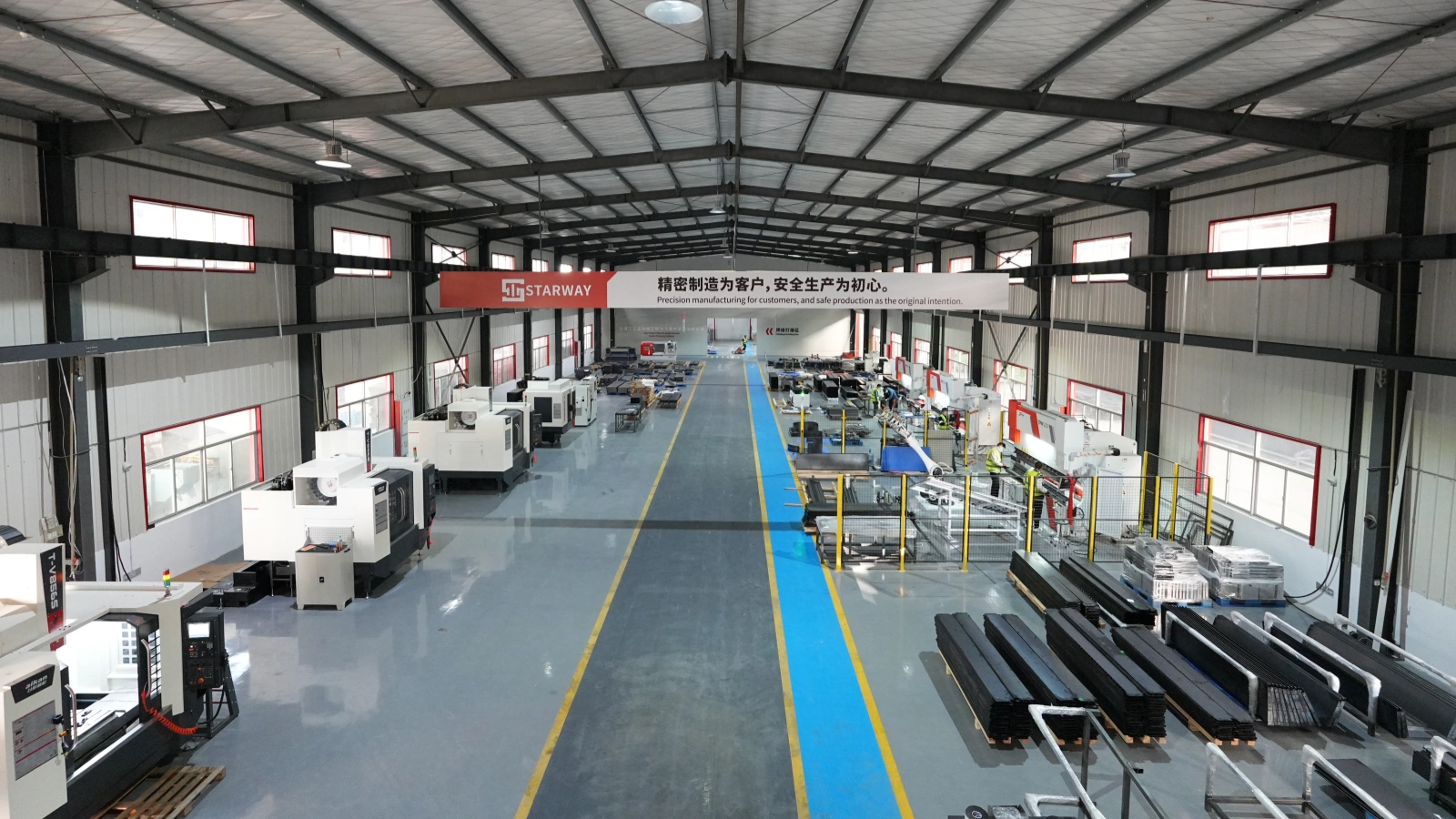
Start with who owns the hard processes, and go straight for numbers instead of words. Press brake tonnage and bed length. Laser power and maximum thickness per material — a 6 kW on mild steel is not the same sentence as 6 kW on aluminum. Weld process coverage, stamping tonnage class. Model names where they’ll give them. STARWAY’s sheet metal line, for example, spans fiber laser cutting, CNC bending up to 200 tons and 3,000 mm bed, stamping presses from 63 to 400 tons, MIG/TIG/spot welding, grinding and polishing, and the general-machining odds and ends — tapping, drilling, PEM insertion, riveting. An inventory stated like that either matches your routing or visibly doesn’t, and “visibly doesn’t” is worth more than a hundred reassuring adjectives.
Second, read the standards footprint as a honesty test. ISO 9001:2015 governs the quality system, RoHS covers restricted substances, ISO 14067 accounts for carbon footprint — three genuinely different claims with three different implications. A shop that keeps those straight in its own documentation probably keeps its other claims straight too. And don’t stop at the certificate; ask when the last audit ran and what the scope statement actually covers. This one bites: a quality certificate scoped to “machining” is not a blanket over an entire fabrication line.
Scale claims get the same arithmetic. “Three facilities” is marketing until somebody says what each site does. STARWAY coordinates a Shanghai center with production bases in Nantong and Jingdezhen — and the reason a buyer should care about that particular shape is that multi-site structure equals capacity headroom, with a defined home for overflow, prototyping, and dissimilar process families. One giant plant sounds impressive right up until your deadline lands during someone else’s peak.
If you want to predict how a fabrication supplier behaves during production, watch how it behaves before production. That’s the whole theory. Real fabrication shops — the ones that read drawings rather than order-take them — run an engineering review on everything that arrives, and that review is the cheapest quality investment in the entire chain, cheaper than any inspection you could buy downstream.
A useful test fits in one RFQ. Submit a drawing with one deliberate trap: an inside bend radius below material thickness, a hole sitting on a bend line, or a tolerance callout that a press brake cannot hold. A shop doing genuine design-for-manufacturability work catches it and comes back with an alternative. A shop that quotes in ninety minutes without comments has told you exactly what its review is worth — and the same silence will greet your real problems later.
Weight the review’s timing inside the relationship. At STARWAY, engineering consultation starts before production is scheduled: drawings, tolerances, materials, and feasibility get reviewed together, risks get flagged while they are still pencil marks, and engineering and sales sit integrated so the technical answer and the cost answer arrive consistent with each other. That integration is what prevents the classic mid-project repricing — “oh, the salesperson quoted the part without seeing this weld.”

Certification language blurs together fast. What cuts through is the sequence a shop actually runs, and whether each stage produces a document you could ask for tomorrow.
The structure worth demanding: incoming material verification against mill certificates, including chemistry validation, before cutting starts; a full-dimensional first article inspection with the sample approval going back to the buyer; in-process checks during production on a defined rhythm — STARWAY runs them every two hours on critical dimensions — so tool drift is caught as a trend; final inspection at 100% or a defined sampling level based on the requirement; and a container loading check with weight verification and documentation confirmation before anything leaves. A detailed quality report ships with the goods rather than living inside the supplier’s filing cabinet.

Then there is the metrology that makes those stages credible. Ask what instruments sit on the floor for your feature types: digital micrometers and calipers graduated to thousandths of a millimeter, coating thickness gauges, surface roughness and gloss instruments, 2D optical vision measurement, and a CMM with volumetric accuracy in the 0.0015 mm class for the geometries that justify it. A shop measuring ±0.2° bend angles with one shared height gauge and optimism is a shop whose certificate will not save your assembly.
Traceability closes the loop. When orders route through an MES production system, every part carries a record of machine, operator, measurements, and drawing revision — which is what “quality traceability” means when a shop says it. Ask the shift-level question and listen for a system, not a shrug.

Prototype work is a fabrication supplier’s unguarded moment — too small to staff specially, too visible to fake. New-program success runs on speed and iteration honesty, so probe it directly. STARWAY’s project development team pairs engineering and prototyping with quality control to put first articles out in one to two weeks and resolve manufacturability questions on real production trials rather than assumptions. That cadence matters commercially because it compresses the expensive phase — the one where your design and their process are still negotiating — into weeks instead of quarters.
Two prototype-stage questions sort suppliers quickly. First: when the trial bend springs back wrong, does the shop send you a photo and a proposal, or a silent re-shoot until something passes? Second: when substitution is tempting — the 6061 you specified is thick enough to fight the laser, a cheaper grade could pass visually — does the change come back for written approval? STARWAY’s stated rule is that any proposed material or thickness substitution requires customer approval before adoption; the useful move is to ask every candidate shop to commit to the same rule in writing.
Prototype-to-production continuity is the third question, and it trips up more programs than either of the first two. A part formed by a senior technician on the shop’s one machine with manual angle checking is a different fact on the floor at five hundred pieces, when the work lands on whatever machine has the open window and whoever runs the second shift. The question to ask before award: at production volume, which machine and which control method forms my critical bend, and how does it differ from the prototype path? A shop that plans that transition consciously — fixtures instead of feel, in-process rhythm instead of one heroic inspection — is describing the difference between a good sample and a shippable part.

Custom fabrication programs run for years, which means the thing that eventually kills one is rarely the press brake. It’s information. Who answers your technical questions, in your time zone, while you’re still on the phone? Who owns the project from RFQ through delivery — one window, or the classic tour of sales, the shop floor, and a freight forwarder who has never heard of your part? A slip reaches you on Monday under one-window coordination. Under the other arrangement you find out when the tracking number stops updating.
The commercial tail wants specifying too, not improvising. Incoterms across EXW, FOB, CIF, and DDP, with shipment tracking and regular status updates — how STARWAY’s logistics team operates — let a buyer graduate from small air parcels to sea containers without ever switching suppliers to fit the freight. And packaging, which sounds like an afterthought until a chipped powder coat comes off a container: fabricated parts ship with edges, threads, and cosmetic faces that either survive the journey or don’t. Watch how a shop treats packaging as a manufacturing step with its own inspection, because it’s a fairly accurate confession about everything upstream of it.

Then the contract itself — payment terms, revision handling, tooling ownership. Revision handling deserves its own paragraph in fabrication specifically, since sheet metal drawings churn constantly: thickness drops after weight studies, holes walking a few millimeters after assembly trials. A shop without revision control will happily ship yesterday’s geometry against today’s price. So ask how a revision actually enters their system — controlled document flow with old revisions recalled off the machines, or whichever email attachment the salesperson happens to forward that week. Dedicated tooling gets the same treatment: your punch sets, form fixtures, and stamping dies should have a written statement saying whose they are, where they sleep, and what happens if the program ever moves. Get all of it in writing during the prototype order. That’s the window where you have leverage. After the first production PO, the switching costs are sunk and the conversation gets much shorter.

If you remember nothing else from the sections above, run candidates through these before awarding anything:
A strong shop answers all five without discomfort, because the answers are already its process. On the STARWAY side of that bar: full-process sheet metal fabrication — cutting, forming, welding, finishing, assembly — under engineering review before production, a five-stage quality system with reports shipped per order, prototyping in one to two weeks, MES traceability, and coordinated multi-site capacity through the sheet metal fabrication services line. The materials pages publish grade-level property and reference pricing data openly — the transparency itself is a small audition for how documentation will behave on your program — and the quality system lays out the inspection stages and instruments behind the claims. When the evaluation feels too abstract to decide on a page, send a drawing to the engineering team and watch which of the five questions the first reply answers before you ask them.
Q1: Is the cheapest custom metal fabrication quote usually a bad sign?
A1: Depends on why it’s cheap, and that “why” is findable. An efficient shop with the right equipment on your volume genuinely prices low — that’s real. What deserves suspicion is a low number that landed faster than your design deserved, because speed at that stage usually means nobody actually read the geometry. The fix is boring but works: compare quotes feature-by-feature — engineering review, first article, in-process checks, packaging — and itemize. Bare quote versus reviewed quote rarely differ by fifteen percent once the paperwork is laid out side by side. Usually the gap shrinks to a few points.
Q2: Do I need a manufacturer that does every process in-house?
A2: Not as a slogan, no. Match in-house ownership to risk. Find the one or two operations carrying your critical tolerance or your cosmetic standard — the ones where a supplier’s bad day becomes your recall — and insist those live inside the building. The rest? Forgive-tolerance commodity steps can ride a managed subcontract quite happily, on one condition: the prime fabricator owns that vendor’s quality and schedule, not you. The moment you’re calling the subcontractor directly to chase a date, the model collapsed.
Q3: How important is a factory audit before choosing a fabrication supplier?
A3: Genuinely important, when you can get one, because a live walk — physical or on video — settles what documents never will. Housekeeping at the press brake. Whether that CMM is calibrated and actually in use rather than decorative. Whether the quality office and the floor are working from the same drawing revision this month. Most buyers can’t fly across time zones for every candidate, and there’s a solid substitute: make the prototype order do the auditing. Order to your real spec, demand the real reports, then score the behavior instead of the brochure.
Q4: What paperwork should arrive with every fabricated order?
A4: Four things, minimum. A first article or final inspection report tied to the drawing revision you actually released. Material certs traceable to the mill certificate for what shipped — not for what was quoted. Coating or finish verification where you specified one. And a packing list whose revision matches the assembly sitting in your receiving dock, which sounds trivial until a mismatched one costs you a day of tracing. Any shop producing those four artifacts on every PO — routine ones, not just the audited ones — is running the quality system it advertised rather than performing it.

This website uses cookies to provide you with a personalized browsing experience and analyze website traffic. By clicking "Accept", you agree to our use of cookies.



 Global