
Sheet Metal Fabrication Design Engineering Project management Assembly Rapid Prototyping Packaging Shipping & Delivery
CNC Machining Design Engineering Project management Assembly Rapid Prototyping Packaging Shipping & Delivery
Plastic Injection Molding Design Engineering Project management Assembly Rapid Prototyping Packaging Shipping & Delivery
By Alyssa /
Sheet metal fabrication is a manufacturing process that transforms flat sheets of metal into functional parts and structures through cutting, bending, forming, and joining operations. It is one of the most widely used production methods across industries, from automotive and aerospace to electronics and construction.
This guide covers the definition, core processes, common materials, applications, and key considerations for engineers and procurement professionals evaluating sheet metal fabrication as a production method.
As an engineering-driven contract manufacturer serving global OEM customers across Europe, Australia, and North America, STARWAY MFG GROUP provides custom sheet metal fabrication — including laser cutting, CNC bending, welding, stamping, and surface finishing — under one quality-controlled manufacturing system.
Sheet metal fabrication refers to a set of manufacturing processes used to cut, shape, and assemble metal sheets — typically 0.5 mm to 6 mm thick — into finished parts or assemblies. The term encompasses a broad range of techniques, each suited to different geometries, tolerances, and production volumes.
Unlike casting or forging, sheet metal fabrication works with pre-rolled flat stock. This makes it highly efficient for producing thin-walled enclosures, brackets, panels, and structural components at relatively low tooling cost.
STARWAY offers precision sheet metal fabrication with fast lead times and engineering support.
Sheet metal fabrication involves several distinct operations, often combined in sequence to produce a finished part.
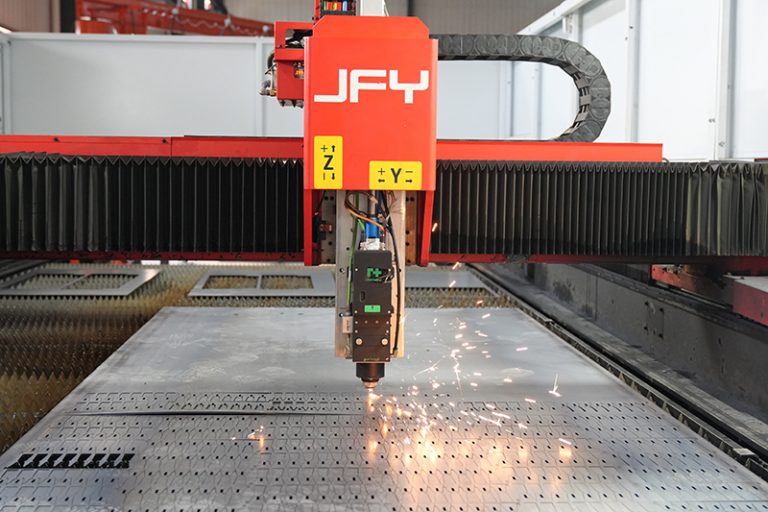
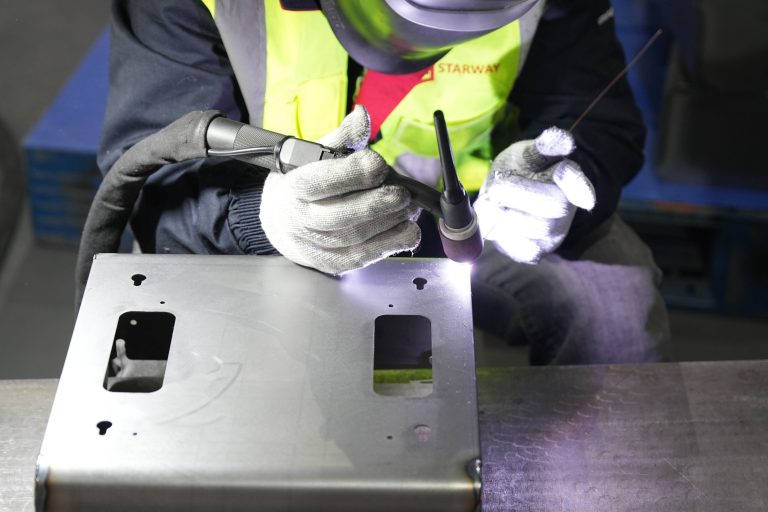
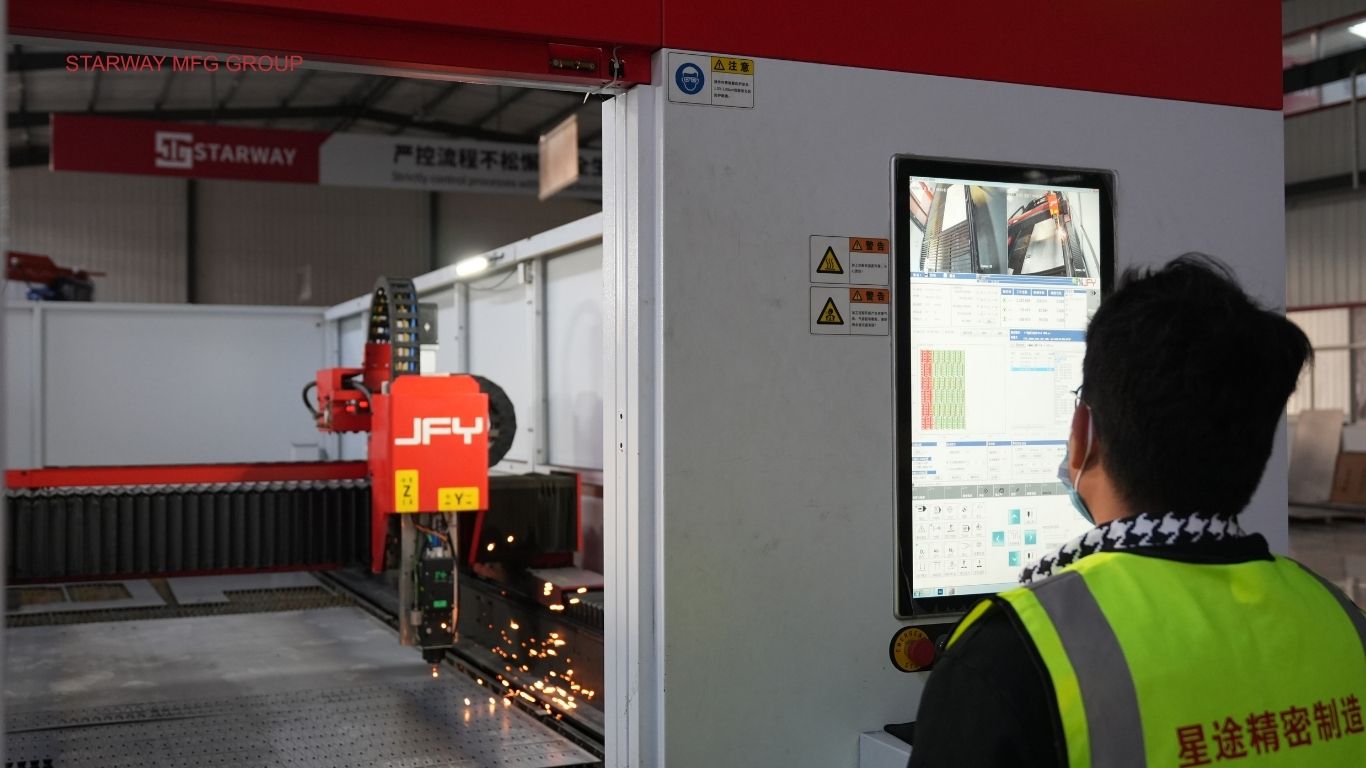
Cutting is the first step in most fabrication workflows. It removes material to create the initial flat blank or profile. Common cutting methods include:
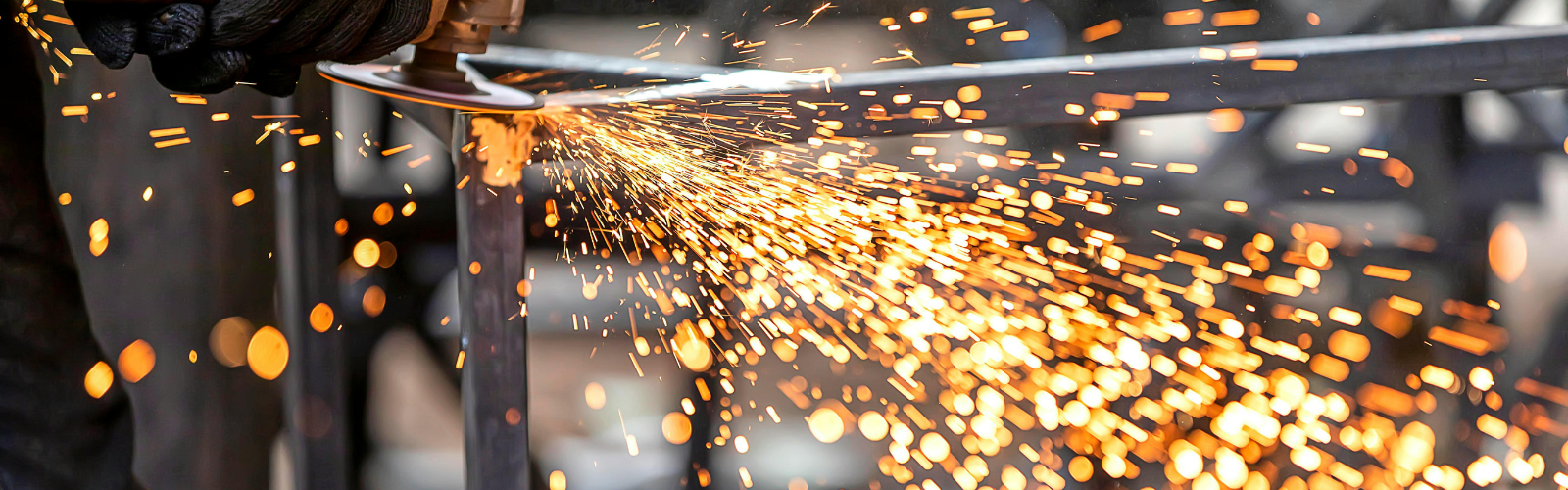
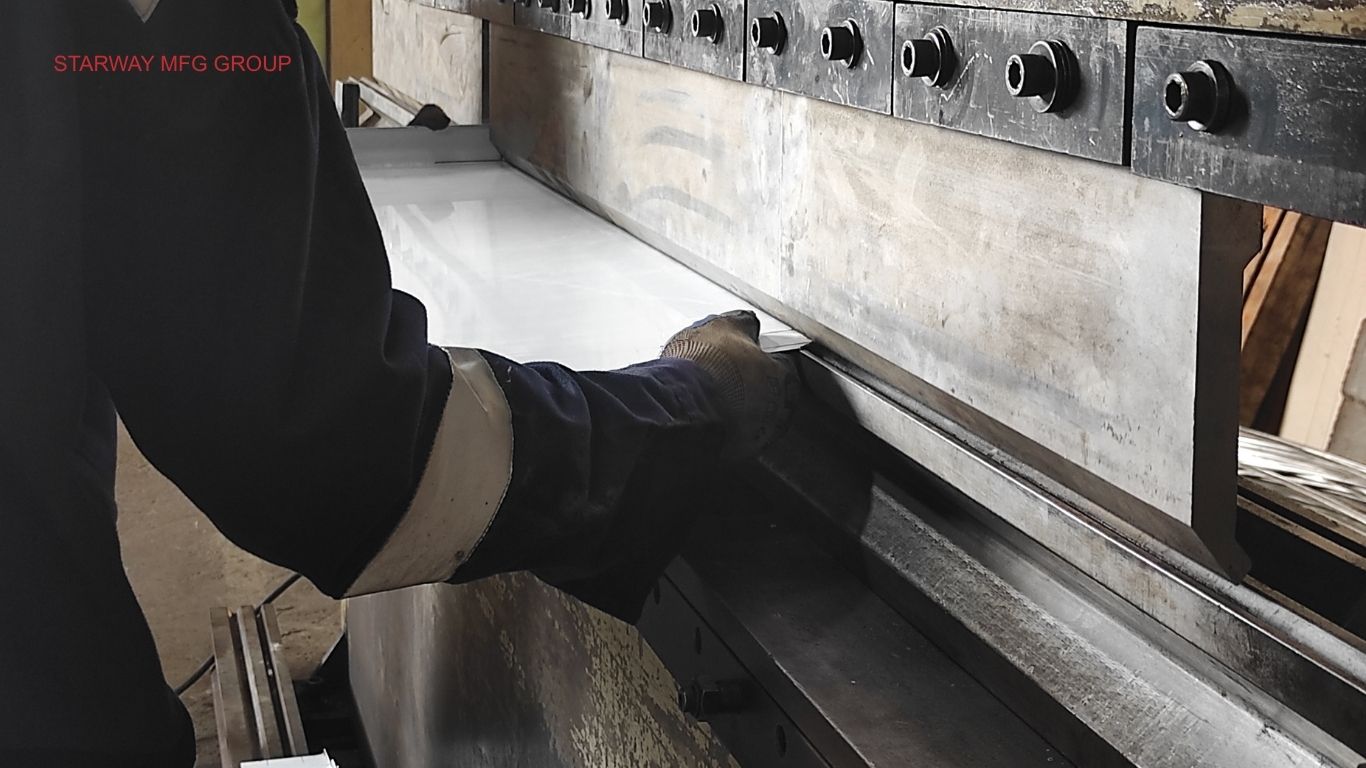
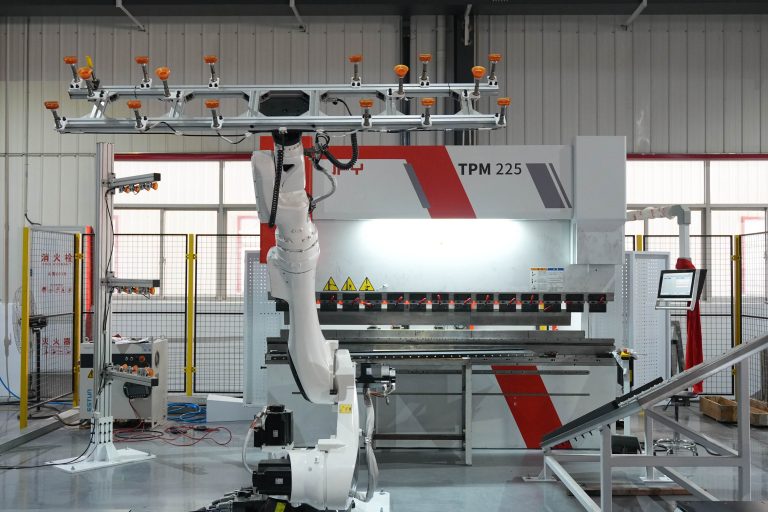
Bending deforms the flat blank along a straight axis to create angles, channels, and enclosures. Key techniques:
A critical design consideration in bending is the bend radius. The minimum bend radius depends on material thickness and ductility; too tight a radius causes cracking. Engineers must also account for springback — the elastic recovery of the metal after the forming force is removed.
Once individual parts are formed, they are joined into assemblies using one or more of the following methods:
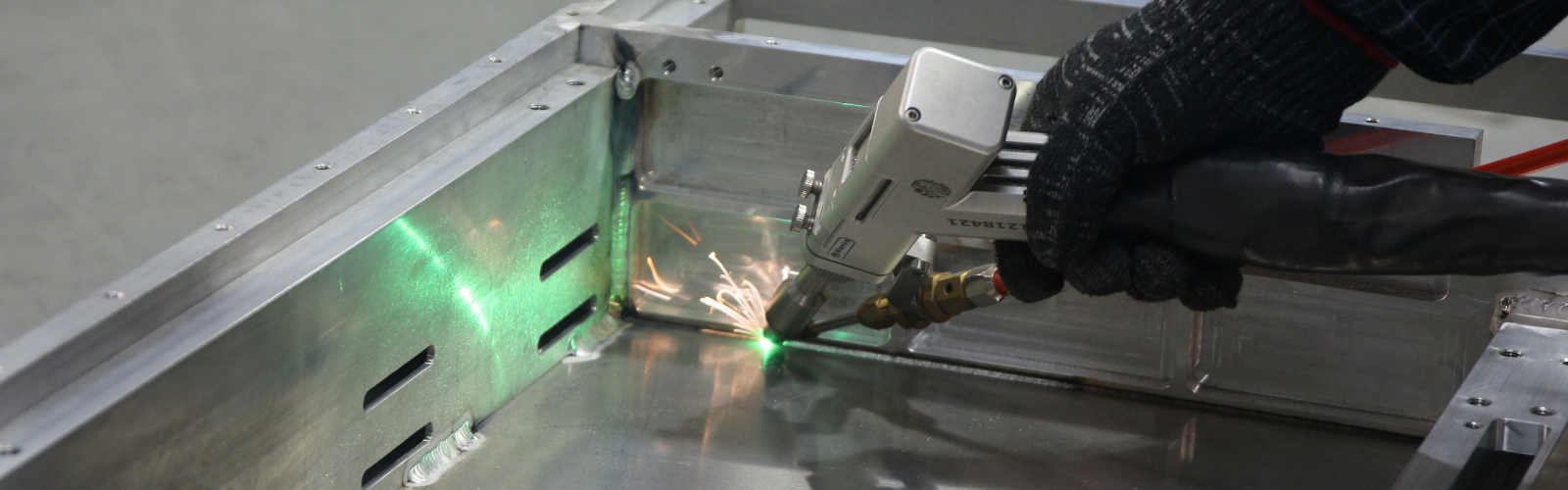
Surface finishing improves corrosion resistance, appearance, and functional properties. Common finishes for sheet metal parts:
| Finish | Process | Typical Application |
|---|---|---|
| Powder coating | Electrostatic spray + oven curing | Enclosures, panels, outdoor structures |
| Anodizing | Electrochemical oxidation | Aluminum parts requiring corrosion/wear resistance |
| Zinc plating | Electrodeposition | Steel parts in corrosive environments |
| E-coating | Electrocoating immersion | Automotive chassis and structural parts |
| Brushing / polishing | Mechanical abrasion | Decorative stainless steel surfaces |
| Passivation | Acid treatment | Stainless steel to remove free iron |
Material selection is driven by mechanical requirements, corrosion environment, weight targets, and cost. The table below summarizes the most frequently used sheet metal materials.
| Material | Key Properties | Common Applications |
|---|---|---|
| Mild steel (low-carbon) | High strength, low cost, weldable, paintable | Structural frames, enclosures, automotive body |
| Stainless steel (304/316) | Corrosion resistant, hygienic, strong | Food equipment, medical devices, marine |
| Aluminum (5052/6061) | Lightweight, corrosion resistant, machinable | Aerospace, electronics, consumer products |
| Galvanized steel | Zinc-coated, corrosion resistant | HVAC, construction, outdoor applications |
| Copper | High conductivity, antimicrobial | Electrical components, heat exchangers |
| Titanium | High strength-to-weight, biocompatible | Aerospace, medical implants |
For most general industrial applications, mild steel or stainless steel 304 offers the best balance of cost, availability, and mechanical performance. Aluminum alloy 5052 is preferred when weight is a priority and the application does not require high strength.
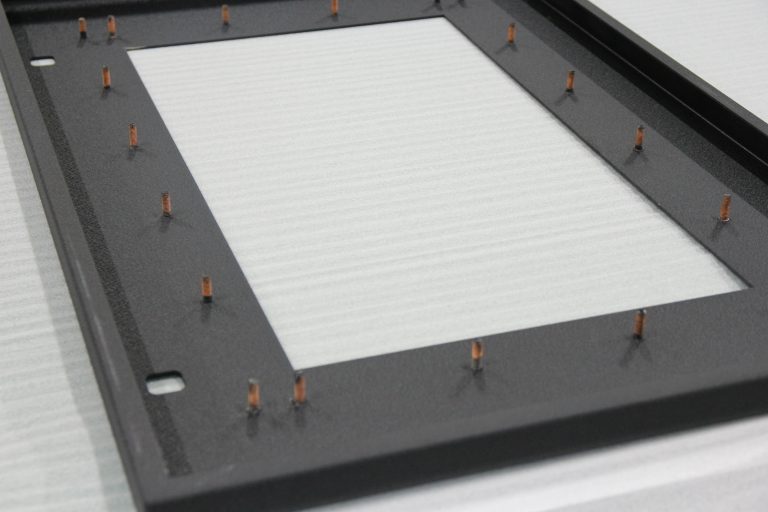
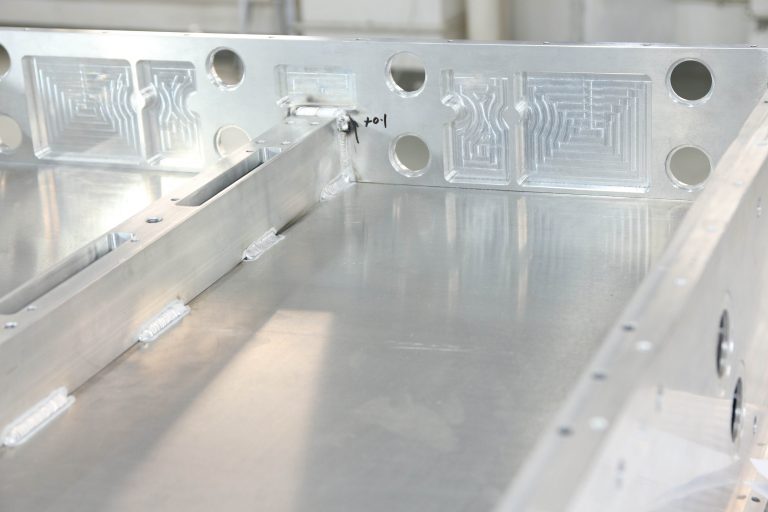
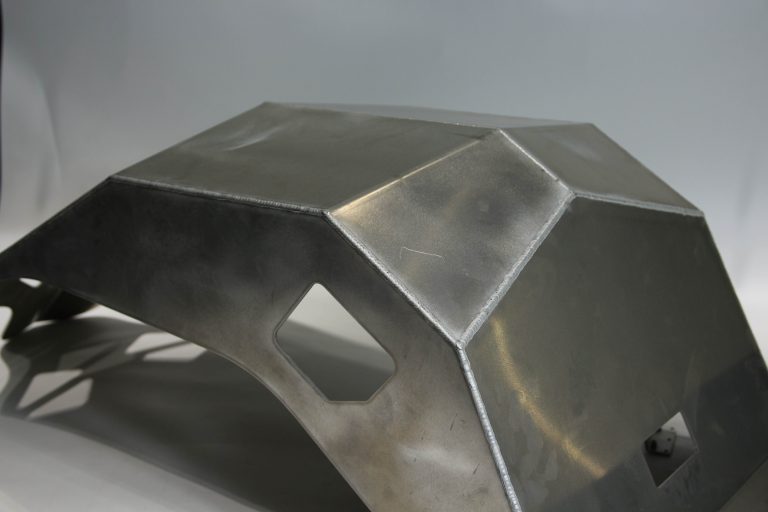
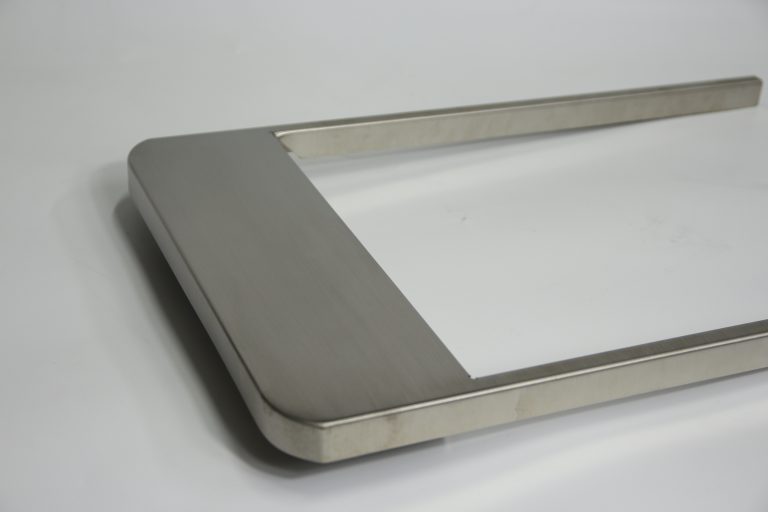
Effective design for sheet metal fabrication (DFM) reduces cost and lead time. Engineers and procurement teams should keep the following guidelines in mind:
Sheet metal fabrication serves a wide range of industries due to its versatility, scalability, and relatively low tooling cost compared to casting or injection molding.
| Industry | Typical Parts |
|---|---|
| Automotive | Body panels, chassis brackets, battery enclosures, heat shields |
| Aerospace | Fuselage skins, brackets, ducts, control surface ribs |
| Electronics | Server racks, enclosures, EMI shielding, heat sinks |
| Medical devices | Equipment housings, surgical instrument trays, sterilization racks |
| Construction / HVAC | Ductwork, roofing panels, structural supports, facades |
| Robotics & Automation | Frames, enclosures, brackets, precision structural components |
When evaluating manufacturing methods, it is important to understand where sheet metal fabrication is most competitive:
| Process | Best For | Sheet Metal Advantage |
|---|---|---|
| Die casting | Complex 3D geometry, high volume | Lower tooling cost, faster prototyping |
| CNC machining | High-precision solid parts | Better for thin-walled, large-format parts |
| 3D printing | Prototypes, complex internal geometry | Far lower cost at medium-to-high volume |
| Injection molding (plastic) | High-volume plastic parts | Superior strength, EMI shielding, heat resistance |
| Extrusion | Constant cross-section profiles | More design flexibility in 2D and 3D geometry |
Sheet metal fabrication is most advantageous when producing thin-walled metal parts in low-to-medium volumes where tooling investment must be minimized and lead times are tight. For high-volume production of identical parts, stamping and progressive die processes offer significant cost advantages.
Sheet metal fabrication is a versatile, cost-effective manufacturing method that covers a broad spectrum of processes — from laser cutting and press brake bending to welding and surface finishing. Its ability to produce precise, durable metal parts at relatively low tooling cost makes it a first-choice process across automotive, aerospace, electronics, and industrial applications.
When selecting sheet metal fabrication for a project, material choice, design-for-manufacturability principles, and tolerance requirements should be evaluated early in the design phase. Close collaboration with a fabrication partner during design review can significantly reduce both cost and lead time. STARWAY MFG GROUP supports global OEM customers from DFM review and rapid prototyping through stable, quality-controlled sheet metal production.
Upload your CAD files and get a detailed quote within 24 hours. Engineering support included.



This website uses cookies to provide you with a personalized browsing experience and analyze website traffic. By clicking "Accept", you agree to our use of cookies.


 Global