
Sheet Metal Fabrication Design Engineering Project management Assembly Rapid Prototyping Packaging Shipping & Delivery
CNC Machining Design Engineering Project management Assembly Rapid Prototyping Packaging Shipping & Delivery
Plastic Injection Molding Design Engineering Project management Assembly Rapid Prototyping Packaging Shipping & Delivery
By Alyssa /
When developing a new product, engineers and procurement teams often face the same challenge: how to obtain high-quality parts quickly while maintaining tight tolerances and controlling costs.
Whether you’re producing a functional prototype, validating a design, or scaling toward production, choosing the right CNC machining services provider can significantly impact project timelines, product performance, and overall manufacturing costs.
Many OEMs struggle with inconsistent part quality, communication delays, hidden tooling expenses, and suppliers that lack the engineering expertise required for complex projects. These challenges become even more critical in industries such as aerospace, medical devices, robotics, industrial automation, and automotive manufacturing, where precision is non-negotiable.
This guide explains everything you need to know about modern CNC machining — from how the process works and which materials can be machined to tolerance capabilities, supplier evaluation criteria, and common buyer questions. By the end, you’ll have a clear framework for selecting the right manufacturing partner and optimizing your next machining project.
As an engineering-driven contract manufacturer serving global OEM customers across Europe, Australia, and North America, STARWAY MFG GROUP provides custom CNC machining services — including CNC milling, turning, 5-axis machining, and grinding — backed by in-house DFM, tooling, and quality inspection.
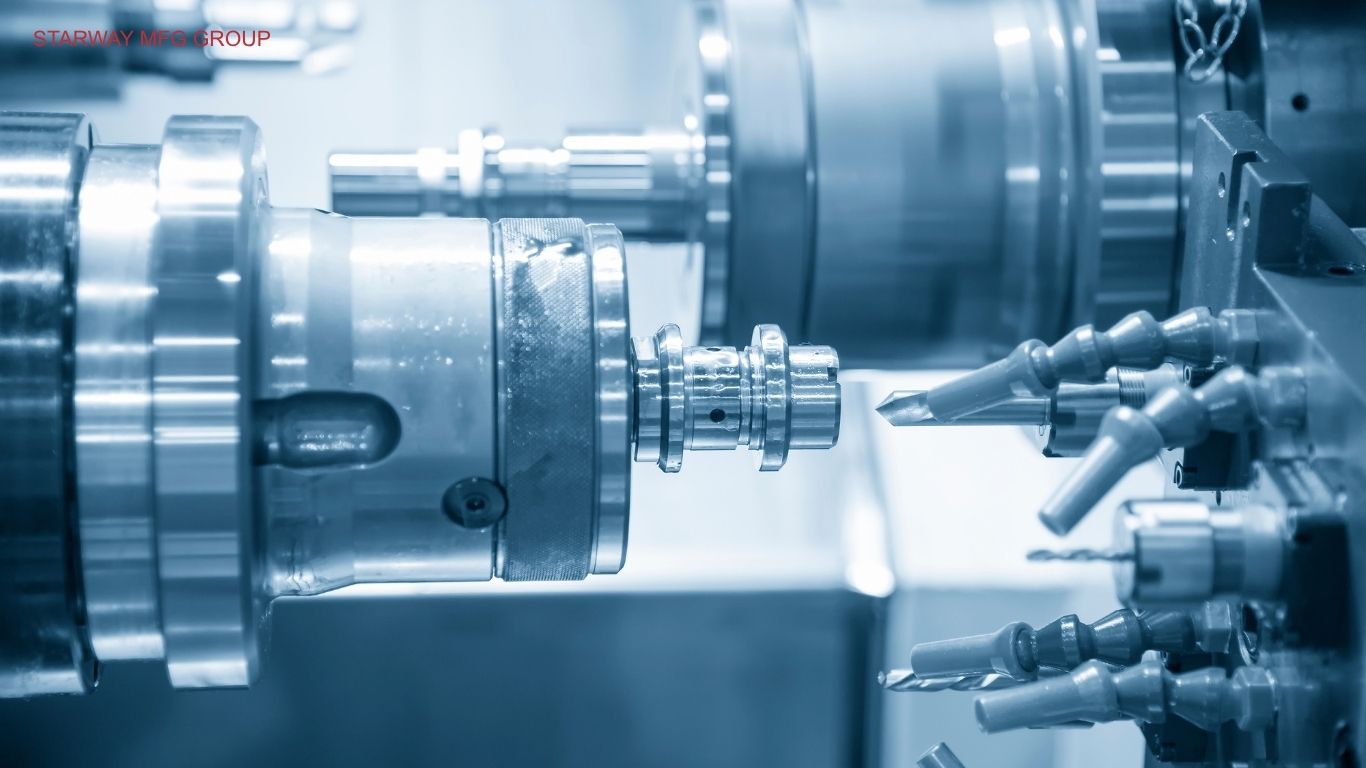
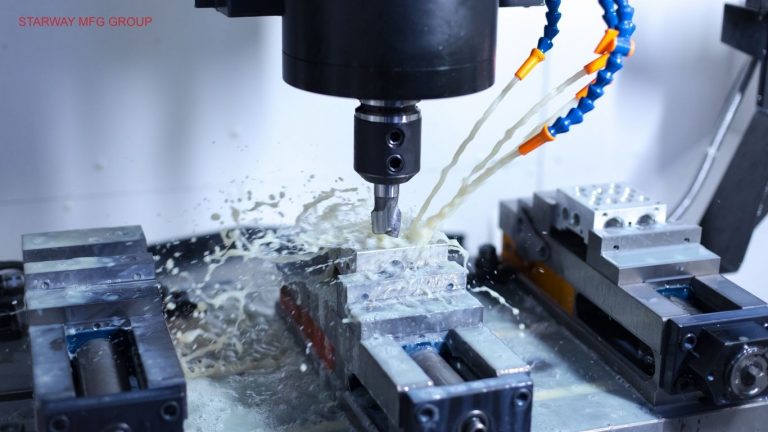
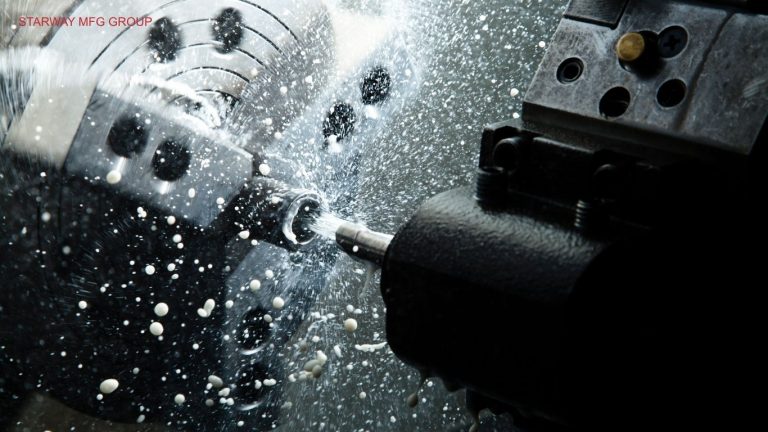
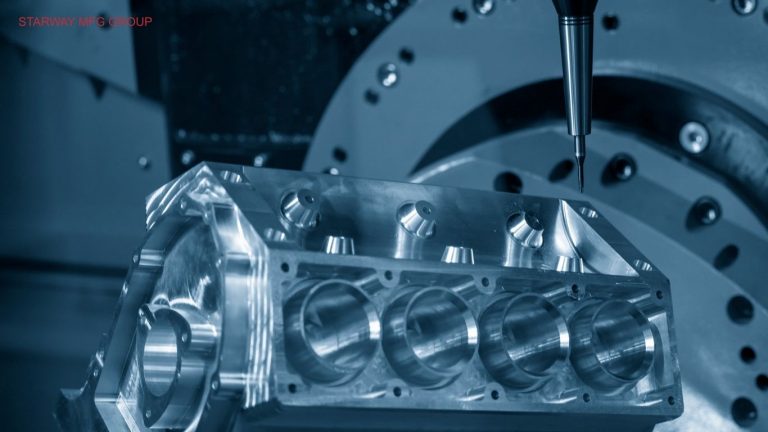
CNC (Computer Numerical Control) machining is a subtractive manufacturing process that uses computer-controlled machine tools to remove material from a solid workpiece and create highly accurate components.
Modern precision CNC machining allows manufacturers to produce complex geometries with exceptional repeatability. Instead of relying on manual operations, CNC machines follow digital instructions generated from CAD and CAM software.
The process is widely used for producing:
| Process | Description | Typical Applications |
|---|---|---|
| CNC Milling | Rotating cutters remove material | Housings, brackets, enclosures |
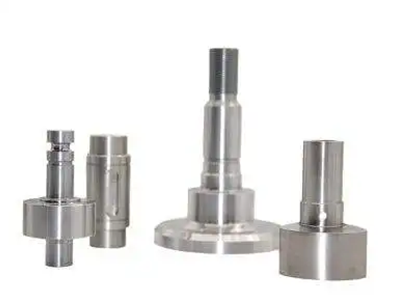
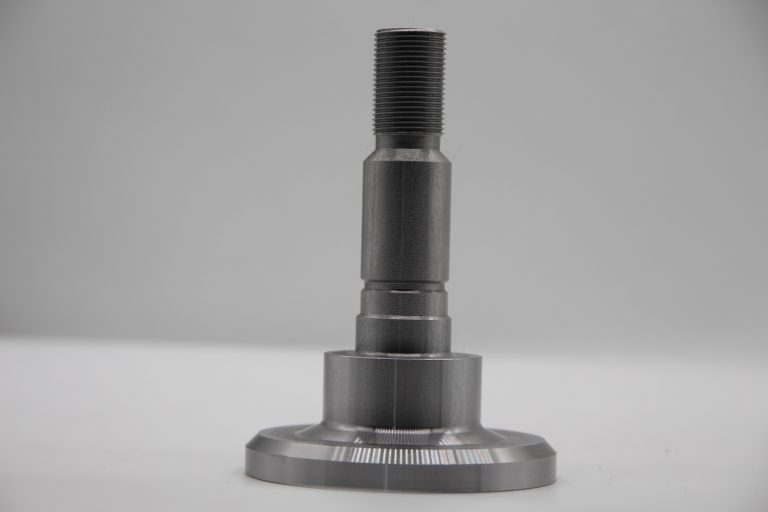
| CNC Turning | Rotating workpiece shaped by cutting tool | Shafts, pins, bushings |
| 5-Axis Machining | Simultaneous multi-axis movement | Aerospace and complex parts |
| Drilling & Tapping | Hole creation and threading | Assembly components |
| Surface Grinding | Precision finishing operation | High-flatness components |
Compared with traditional manufacturing methods, custom CNC machining offers greater flexibility because no dedicated tooling is required.
| Factor | CNC Machining | Conventional Machining |
|---|---|---|
| Accuracy | Extremely high | Operator dependent |
| Repeatability | Excellent | Moderate |
| Setup Time | Fast | Longer |
| Design Flexibility | High | Limited |
| Labor Requirement | Lower | Higher |
| Scalability | Strong | Moderate |
For modern OEMs seeking consistent quality and faster product development cycles, CNC machining has become an essential manufacturing technology.
STARWAY delivers precision CNC machining with fast lead times and full engineering support.
Understanding the machining workflow helps engineers design better parts and helps procurement teams communicate effectively with suppliers.
The process begins with a 3D CAD model developed using software such as SolidWorks, Creo, CATIA, Fusion 360, or AutoCAD. The CAD file defines dimensions, tolerances, hole locations, and critical features.
The CAD model is converted into machining instructions using CAM software. The programmer determines cutting tools, tool paths, spindle speeds, feed rates, and the workholding strategy. The resulting G-code controls the CNC machine.
Material selection depends on application requirements. Common materials include:
| Metals | Plastics |
|---|---|
| Aluminum 6061 | ABS |
| Aluminum 7075 | Nylon |
| Stainless Steel 304 | POM (Delrin) |
| Stainless Steel 316 | Polycarbonate |
| Carbon Steel | Acrylic |
| Brass | PEEK |
| Copper | |
| Titanium |
Operators prepare raw stock material, fixtures, cutting tools, and inspection equipment. Proper setup is critical for maintaining tolerance consistency.
The machine removes material layer by layer according to programmed instructions. Typical operations include:
Quality verification may include digital calipers, micrometers, height gauges, Coordinate Measuring Machines (CMM), and surface roughness testers. Learn more about our quality control process.
Additional treatments can improve performance and appearance. Common finishes include:
| Surface Finish | Purpose |
|---|---|
| Anodizing | Corrosion resistance |
| Powder Coating | Decorative protection |
| Bead Blasting | Uniform matte appearance |
| Polishing | Improved aesthetics |
| Electropolishing | Enhanced corrosion resistance |
| Zinc Plating | Steel protection |
Finished parts undergo final inspection before packaging and shipment. At STARWAY MFG GROUP, every shipment can include inspection reports, material certificates, First Article Inspection (FAI), and dimensional reports.
STARWAY MFG GROUP combines precision machining, engineering support, and disciplined quality control to help global OEM customers move from prototype to stable production with confidence.
One of the biggest advantages of precision CNC machining is dimensional accuracy. Typical capabilities include:
| Feature | Typical Tolerance |
|---|---|
| Standard CNC Parts | ±0.05 mm |
| Precision Features | ±0.02 mm |
| Critical Dimensions | ±0.01 mm |
| Select High-Precision Areas | ±0.005 mm |
This level of accuracy is essential for aerospace, medical, and robotics applications.
Unlike injection molding or die casting, CNC machining requires no expensive tooling. Benefits include faster prototypes, design iterations within days, reduced development risk, and lower upfront investment. It pairs perfectly with rapid prototyping programs.
Modern CNC machines process hundreds of materials. Engineers can evaluate different materials without redesigning tooling.
A qualified CNC machining company can consistently reproduce thousands of identical parts. This reduces assembly issues and improves product reliability.
On-demand CNC machining allows companies to manufacture parts only when needed. Advantages include reduced inventory costs, shorter lead times, improved supply chain flexibility, and better cash flow management.
Popular grades: 6061, 6063, 7075, 5052. Benefits: lightweight, corrosion resistant, and excellent machinability.
Common grades: 303, 304, 316. Benefits: high strength, corrosion resistance, and long service life.
Benefits: high strength-to-weight ratio, biocompatibility, and aerospace suitability.
Examples: ABS, Nylon, POM, PEEK, PC. Ideal for lightweight and electrically insulated components. See our full materials list.
| Industry | Typical Parts |
|---|---|
| Aerospace | Structural components |
| Automotive | Brackets, housings, shafts |
| Medical | Surgical devices |
| Robotics | Precision assemblies |
| Electronics | Heat sinks, enclosures |
| Industrial Equipment | Fixtures and machine components |
| Renewable Energy | Structural and support parts |
Examples include housings, mounting brackets, shafts, gear components, heat sinks, sensor mounts, custom enclosures, and automation equipment components.
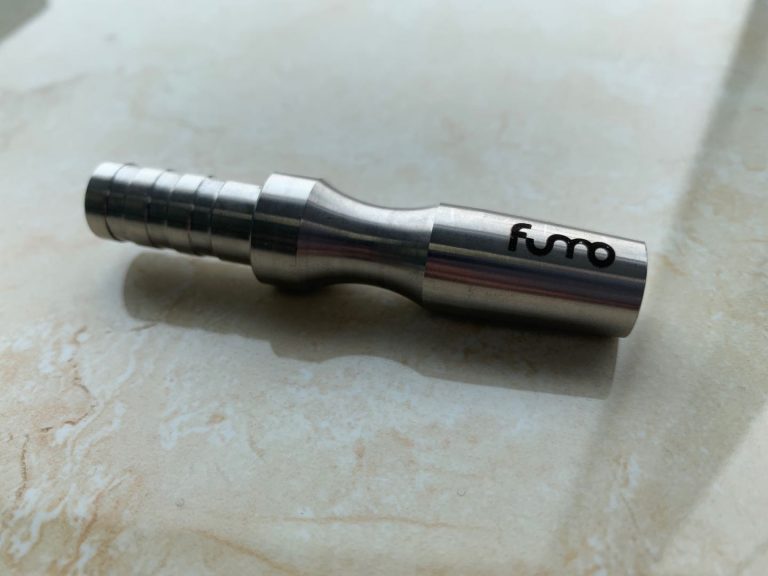
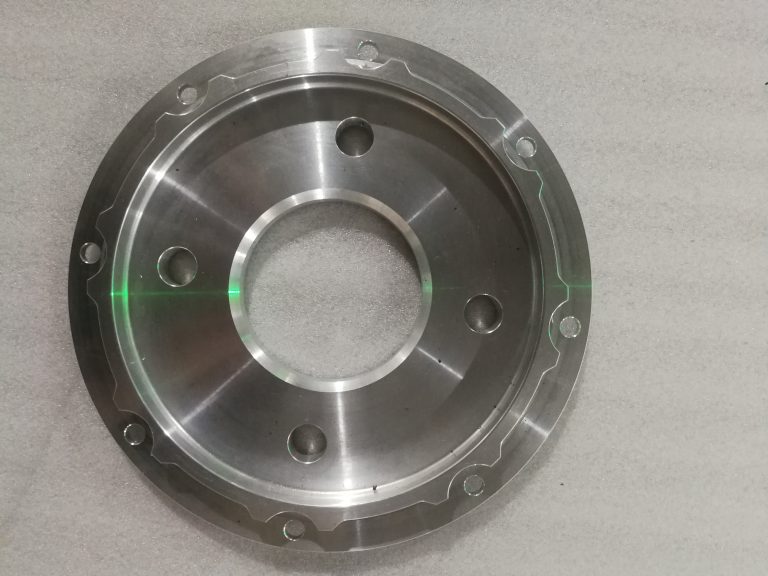
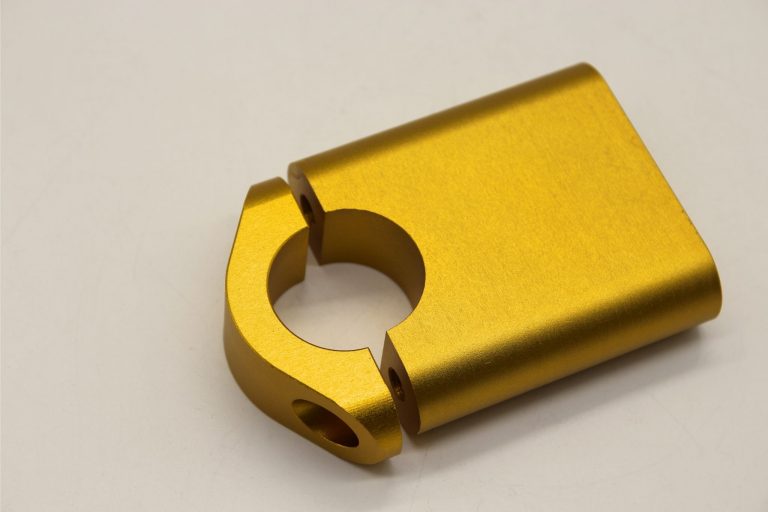
Selecting the right supplier is about more than finding the lowest quote.
Ask whether they offer 3-axis, 4-axis, and 5-axis machining, whether they can machine your material, and what tolerance they can guarantee.
Look for ISO 9001 certification, inspection reports, CMM capability, and documented process control procedures. Review our quality management system.
A good supplier provides DFM feedback, material recommendations, cost optimization suggestions, and manufacturing risk analysis — the core of our design engineering service.
Poor communication often causes delays. Evaluate response time, technical knowledge, project management process, and English communication capability.
Consider available machines, workforce size, monthly capacity, and scalability for future orders.
| Evaluation Factor | Weight |
|---|---|
| Quality | 35% |
| Delivery | 25% |
| Engineering Support | 20% |
| Cost | 15% |
| Communication | 5% |
The lowest-cost supplier often becomes the most expensive when quality issues occur.
Review similar industry experience, inspection reports, material certifications, and customer references. Experienced suppliers can identify manufacturability issues before production begins.
Upload your CAD files and get a detailed quote within 24 hours — engineering support included.
Reliable CNC machining services play a critical role in modern product development and manufacturing. Whether you need prototype components, low-volume production, or highly complex precision parts, the right manufacturing partner can reduce lead times, improve product quality, and help control costs throughout the production lifecycle.
At STARWAY MFG GROUP, we provide custom CNC machining, rapid prototyping, and production manufacturing services for OEM customers across Europe, Australia, and North America. Our engineering team supports a wide range of metals and plastics, with precision capabilities reaching ±0.01 mm and selected critical features down to ±0.005 mm.
Ready to discuss your next project? Visit our CNC Machining Services page and request a quote from our engineering team today.



This website uses cookies to provide you with a personalized browsing experience and analyze website traffic. By clicking "Accept", you agree to our use of cookies.


 Global