Technical Guide | STARWAY MFG GROUP
By STARWAY MFG GROUP / November 2026
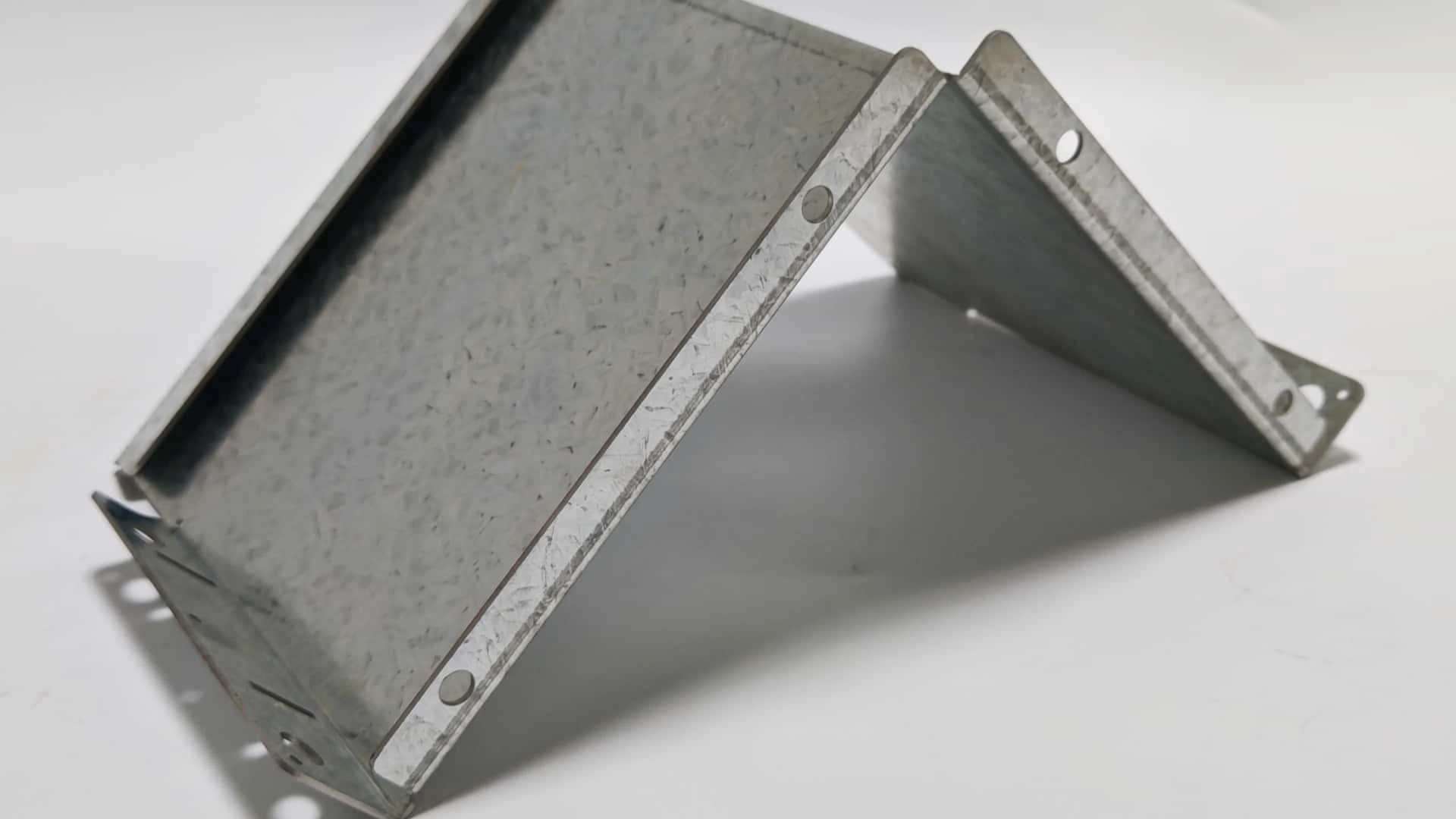
Powder coating is the benchmark surface finishing method for sheet metal enclosures, architectural panels, and heavy industrial chassis. When executed with standardized pre-treatment and electrostatic control, it delivers unmatched corrosion resistance, dielectric insulation, and aesthetic uniformity.
Surface coating is far more than an aesthetic enhancement—it is the frontline defense against corrosion, UV degradation, mechanical wear, and chemical exposure for industrial hardware.
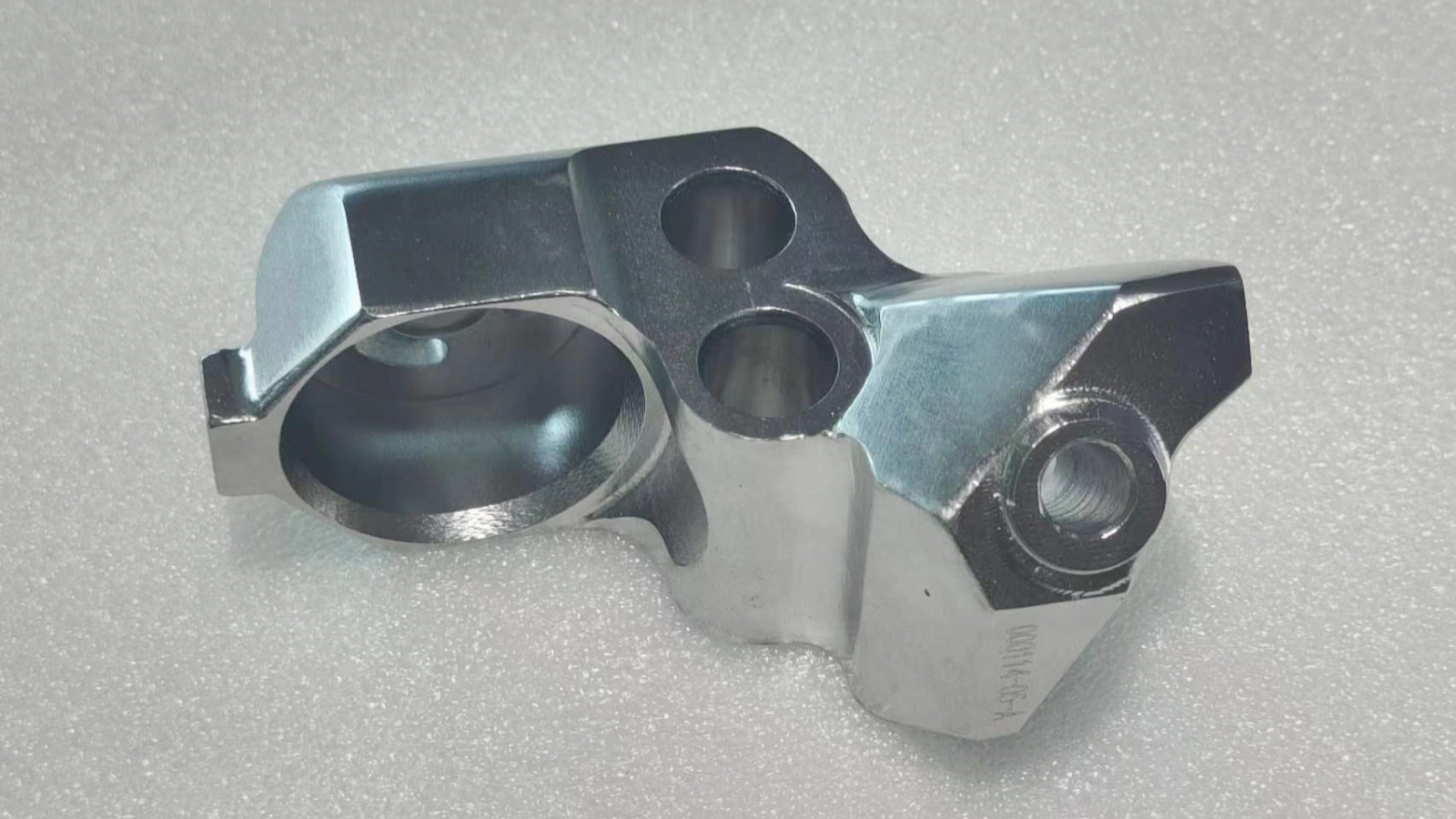
Whether manufacturing precision CNC machined parts, sheet metal enclosures, or die-cast housings, selecting the correct coating method and enforcing rigorous process control is crucial for product lifespan and reliability.
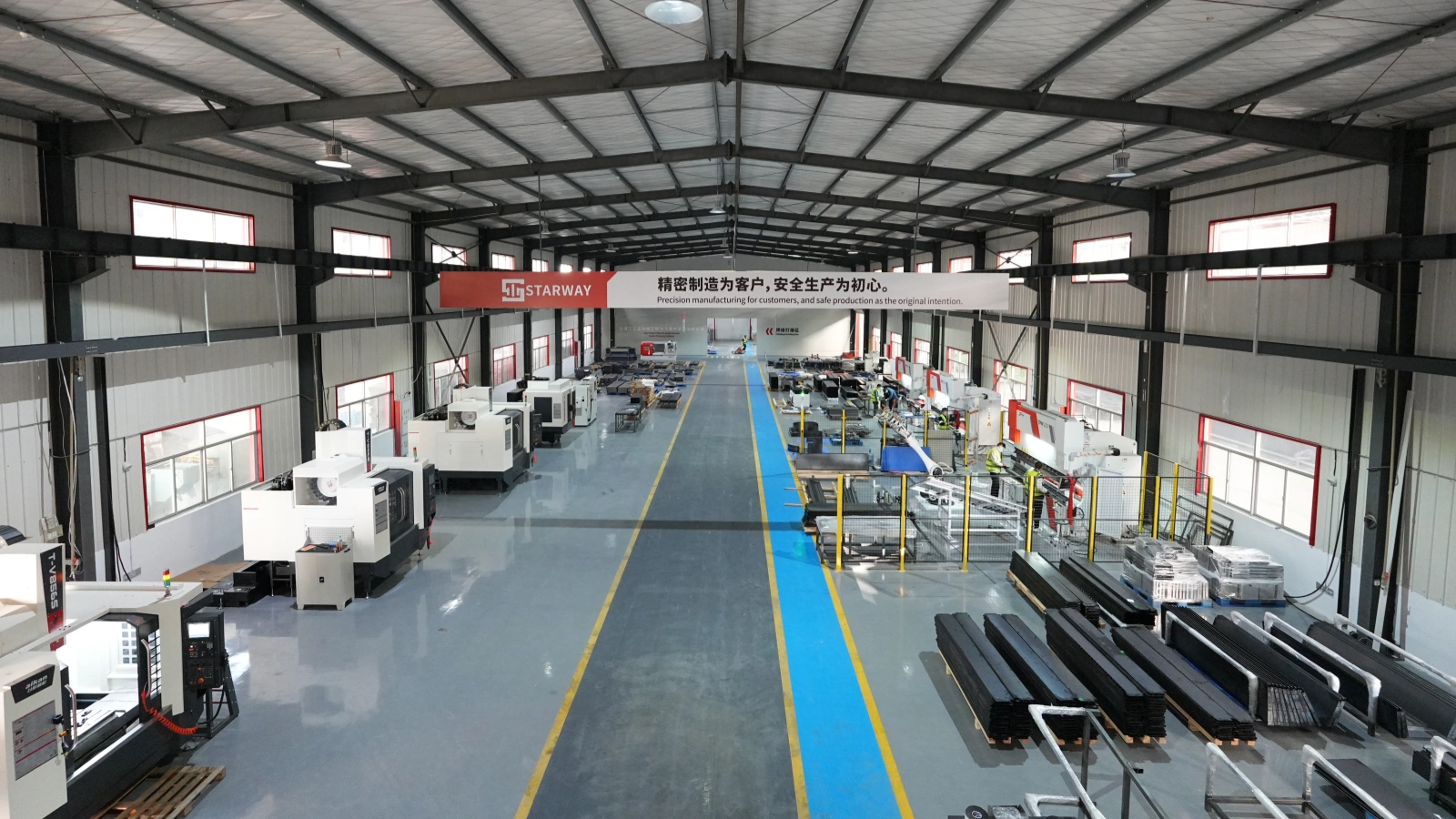
Drawing from real manufacturing data across our specialized production plants, this technical guide outlines our automated powder coating process, heavy-duty coating tiers, and practical DFM guidelines.
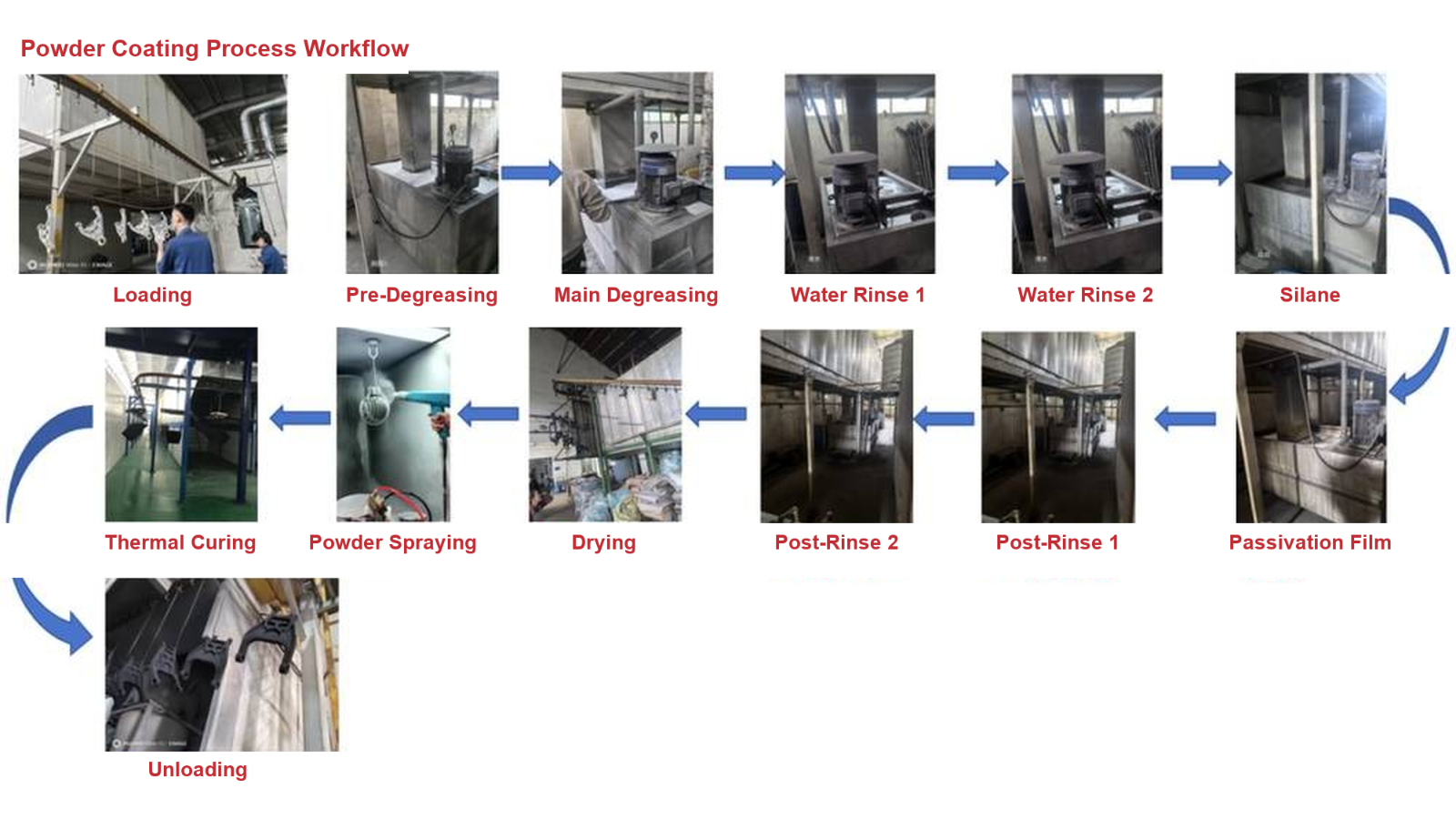
Powder Coating Process Workflow
1. The Industrial Coating Workflow
A durable powder coat relies fundamentally on surface cleanliness and chemical conversion. Our conveyorized automated line executes the following sequence:
- Loading & Racking: Optimized hanging orientation to ensure uniform grounding and drainage.
- Primary & Secondary Degreasing: Dual-stage alkaline wash removing all stamping and coolant oils.
- Multi-Stage Water Rinse: Overflow rinse preventing chemical carry-over.
- Silane Conversion Coating: Eco-friendly nanotechnology providing microscopic surface anchors.
- Passivation Film Formation: Chemical barrier layer significantly boosting corrosion resistance.
- Post-Passivation & DI Rinse: High-purity deionized water rinse eliminating residual salts.
- Moisture Dry-Off Oven: Complete thermal moisture evaporation before powder application.
- Electrostatic Powder Spraying: Controlled manual/automated spray with manual pre-touch for internal corners.
- Convection Curing Oven: Uniform thermal cross-linking at 180°C–200°C for 15–20 minutes.
- QC Inspection & De-racking: Multi-point thickness, adhesion (ASTM D3359), and visual verification.
2. About AkzoNobel Powder Coating
- Standard Powder Coating Film Thickness: 50 – 80 μm
- AkzoNobel Powder Coating Film Thickness: 80 – 120 μm
- AkzoNobel Heavy-Duty Tiers: DN1010 (10 years), DN2015 (20 years), DN3020 (30 years outdoor weatherability)
- Extreme Salt Spray Durability: Cold-Rolled Steel + Zinc Phosphating + BN0030 Primer + AkzoNobel 800/2000 Topcoat achieves 2,688 Hours Neutral Salt Spray (equivalent to 20 years outdoor service).
3. Engineering DFM Guidelines for Sheet Metal Powder Coating
- Faraday-cage Effect (Internal Corners): Electrostatic charges repel powder from sharp internal corners. Design generous internal radii (R ≥ 1.5 mm) where possible. Our team pre-sprays internal corners manually to achieve consistent coverage.
- Grounding & Masking Points: Powder coating forms an insulating film after curing. Mark conductive grounding pads and threaded holes clearly on 2D drawings for custom Kapton masking or silicone plugging.
- Dual-Layer E-Coat + Powder System: For extreme maritime or chemical environments, pairing cathodic electro-deposition (E-coat, 16–25 μm) with powder coating delivers superior dual-barrier protection.
- Hanging & Vent Holes: Tubular structures and deep enclosures require dedicated hanging holes (Ø3–5 mm) for air venting and full drainage during pre-treatment wash cycles.






 Global