
 Global
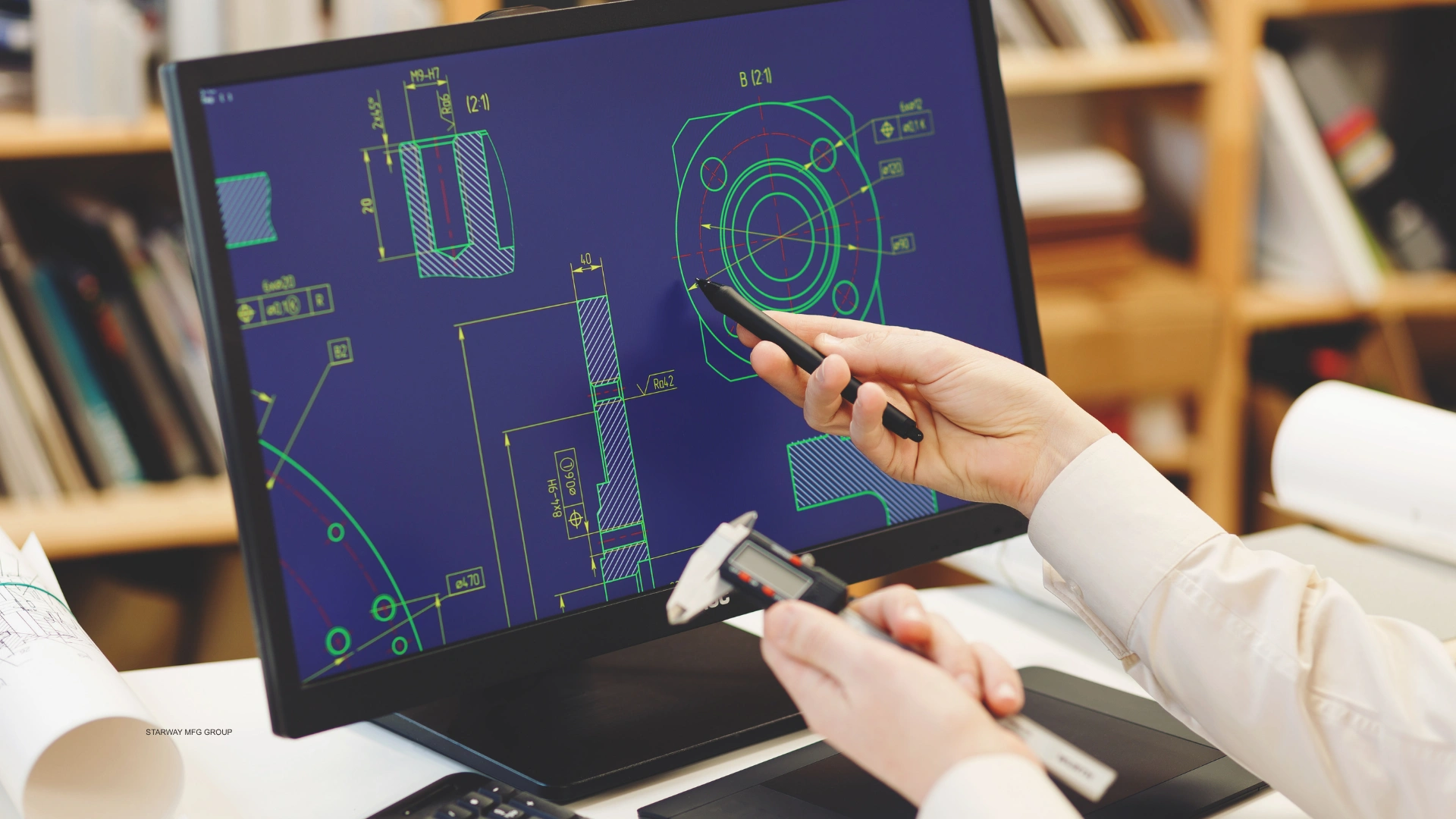
CAD and Drawing
Current revision, critical dimensions and mating interfaces


Sheet Metal Fabrication Design Engineering Project management Assembly Rapid Prototyping Packaging Shipping & Delivery
CNC Machining Design Engineering Project management Assembly Rapid Prototyping Packaging Shipping & Delivery
Plastic Injection Molding Design Engineering Project management Assembly Rapid Prototyping Packaging Shipping & Delivery
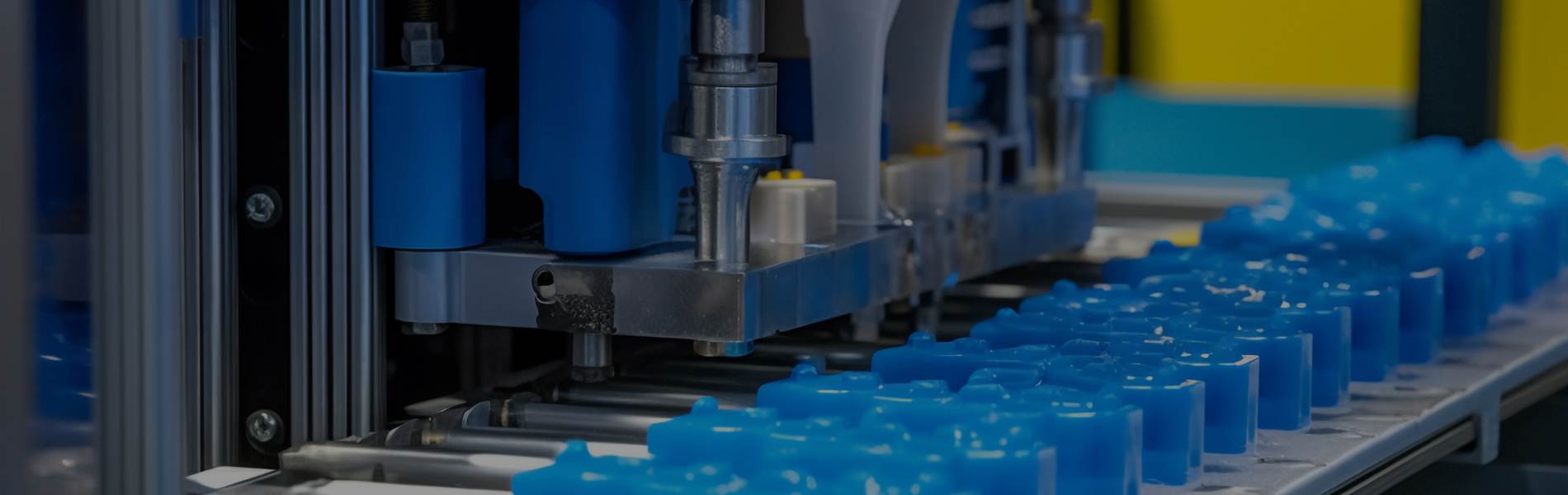
Plan your injection mold around the part, resin and production needs, with DFM and trial-sample acceptance reviewed first.
Injection mold DFM starts with a clear specification: current CAD, resin, expected demand and acceptance requirements.
Current revision, critical dimensions and mating interfaces
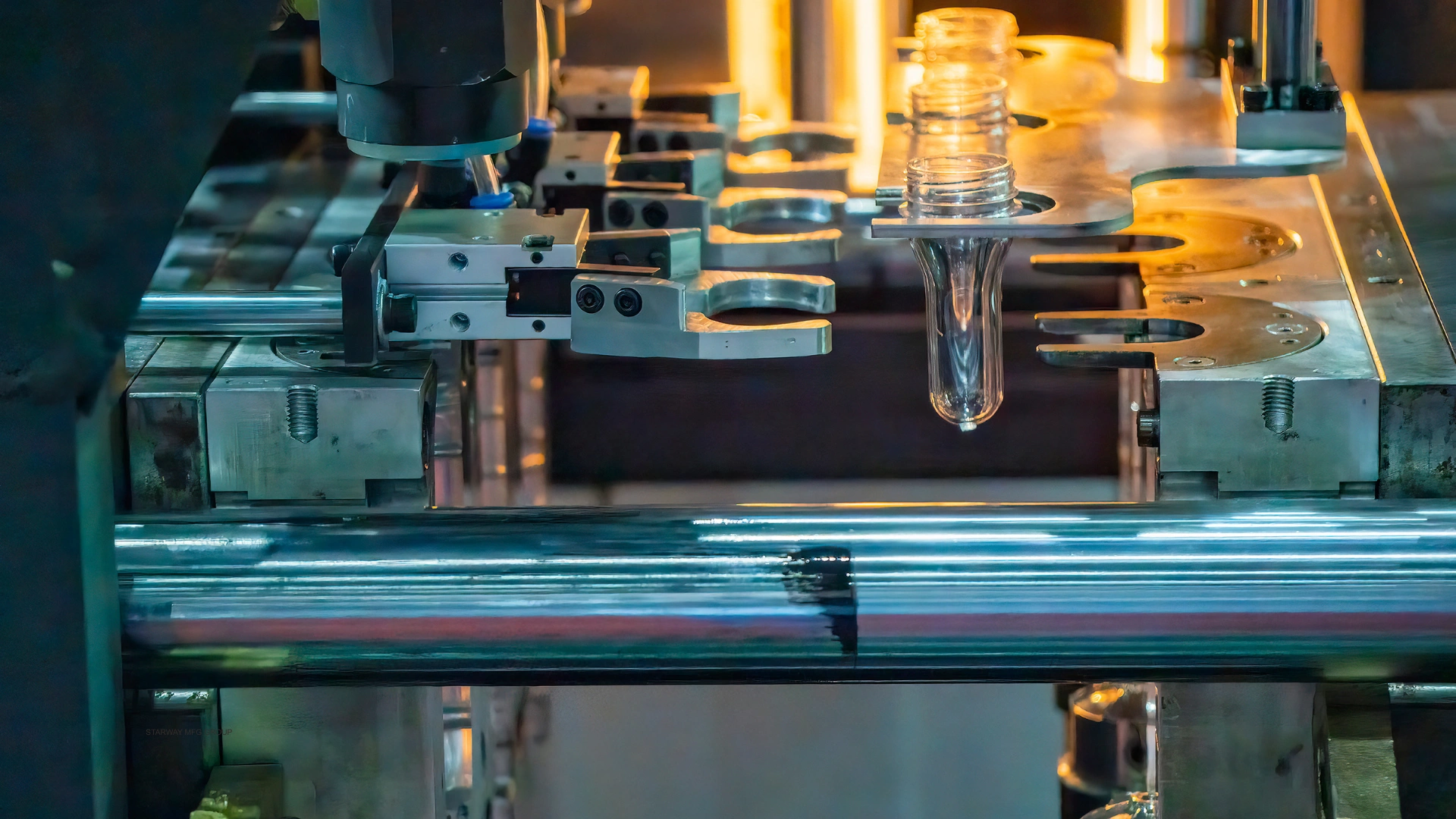
Grade, reinforcement, color and relevant application requirements
Annual volume, batch size and anticipated design changes
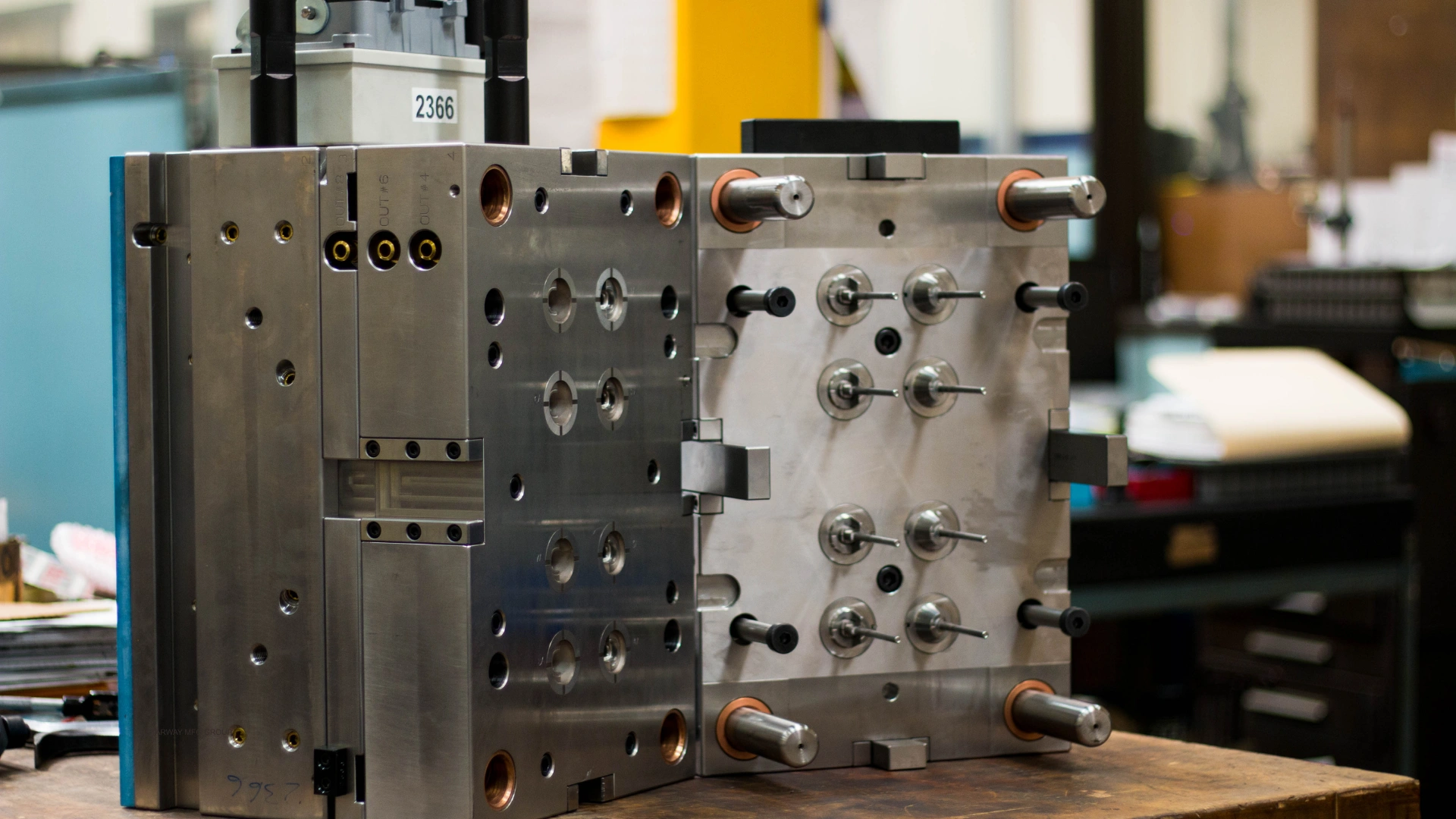
Visible areas, texture or polish references and acceptable marks

Expected production shots or lifetime demand, where known
Review thickness transitions and supporting features around the specified resin, with attention to filling, cooling and potential sink or distortion.
Identify features that affect mold opening and part removal. Review draft and any need for side actions or approved part-design changes.
Discuss acceptable locations for parting lines, gates and ejector marks, particularly on visible or functional surfaces.
Mark dimensions and interfaces that control assembly. Agree on the intended measurement condition and the evidence needed for sample approval.
DFM findings identify issues and proposed actions; they do not guarantee a defect-free first trial. Part-design changes require approval before implementation.
Request a Mold Design ReviewPlan injection mold tooling services around design stability, resin, expected demand and production requirements.
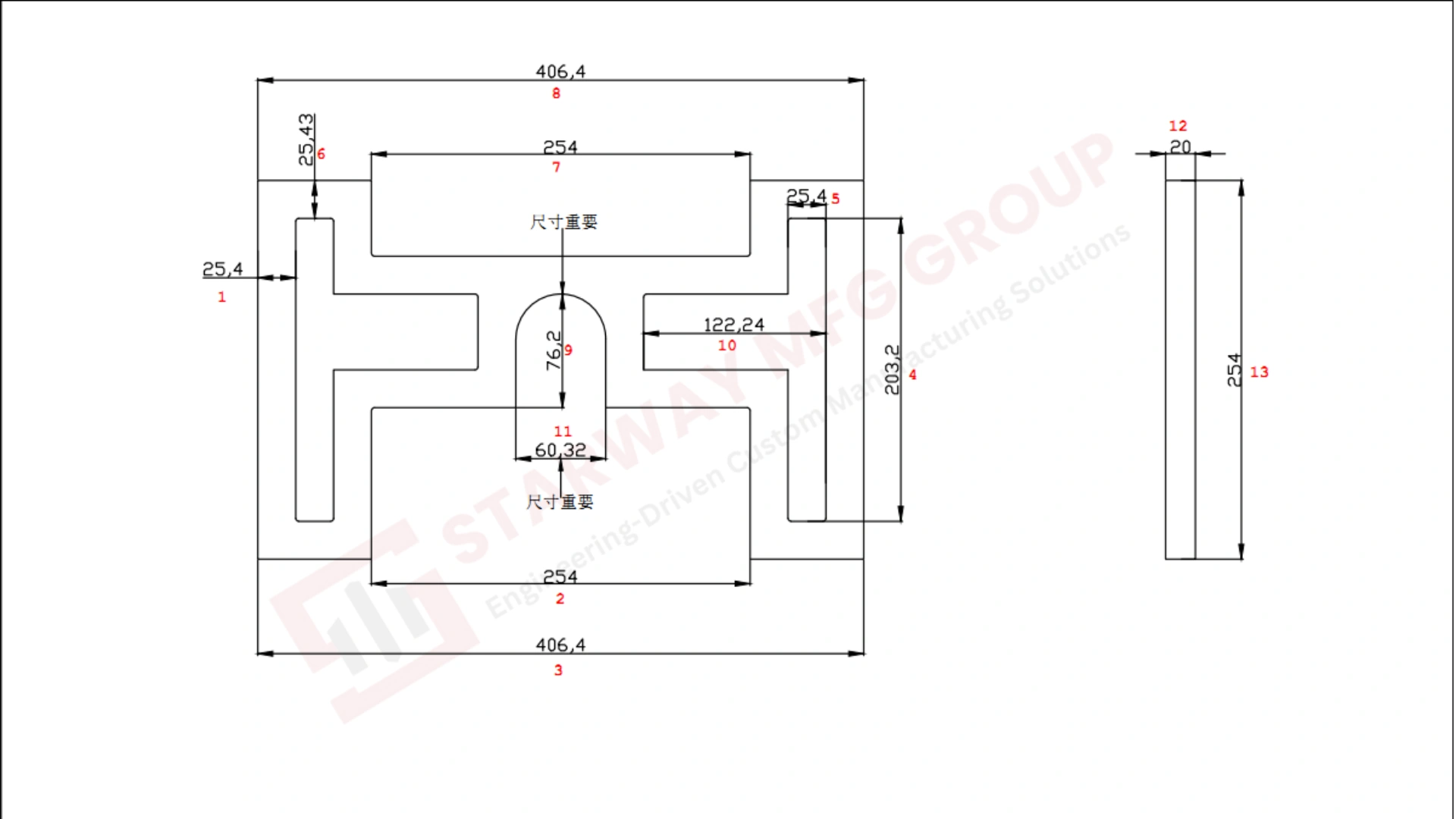
Identify which features are approved and which may change. Separate unresolved product decisions from the scope released for mold manufacture.
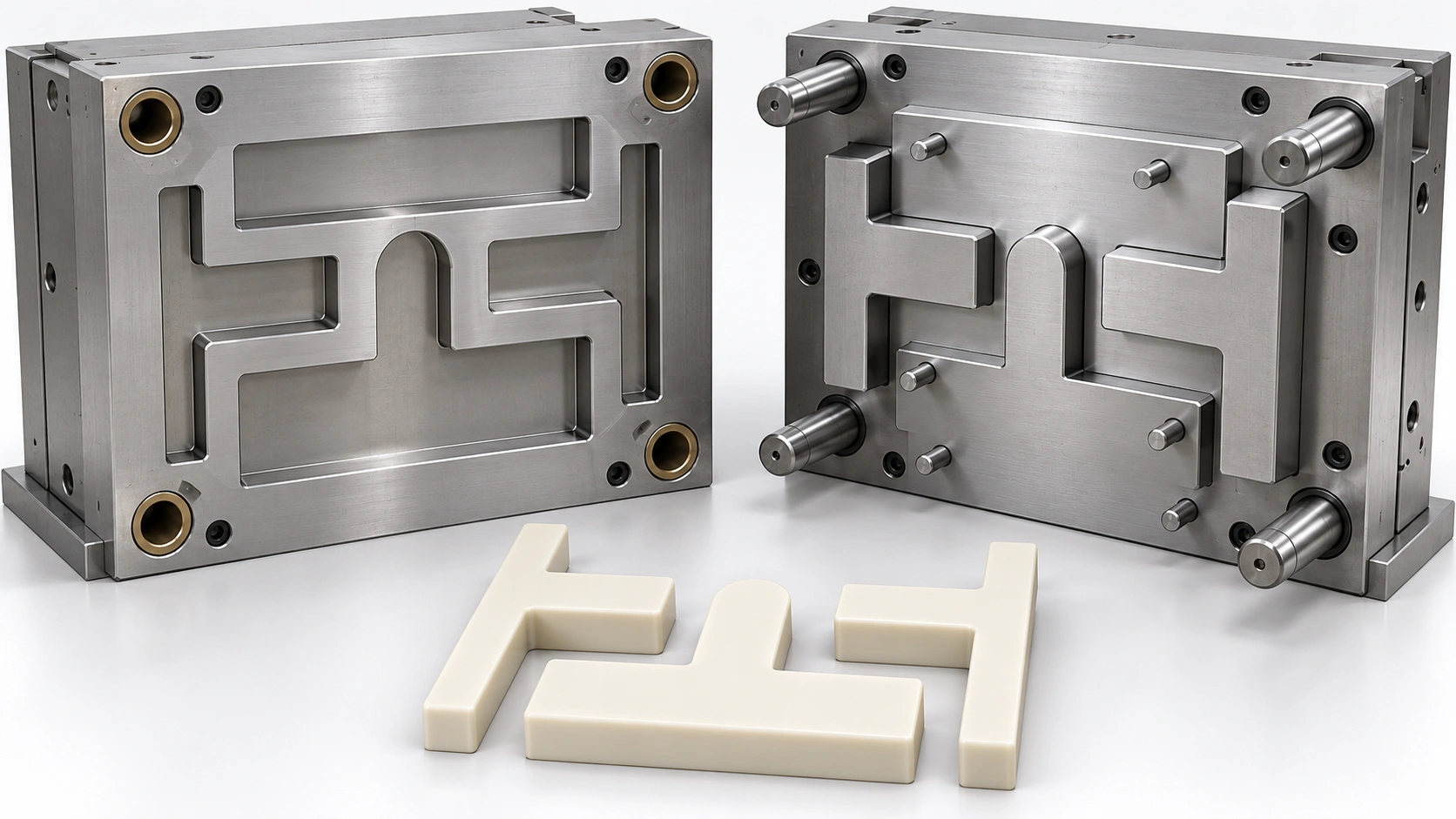
Provide annual volume, batch size and expected product life. These inputs help assess cavity strategy, tooling investment and maintenance needs.
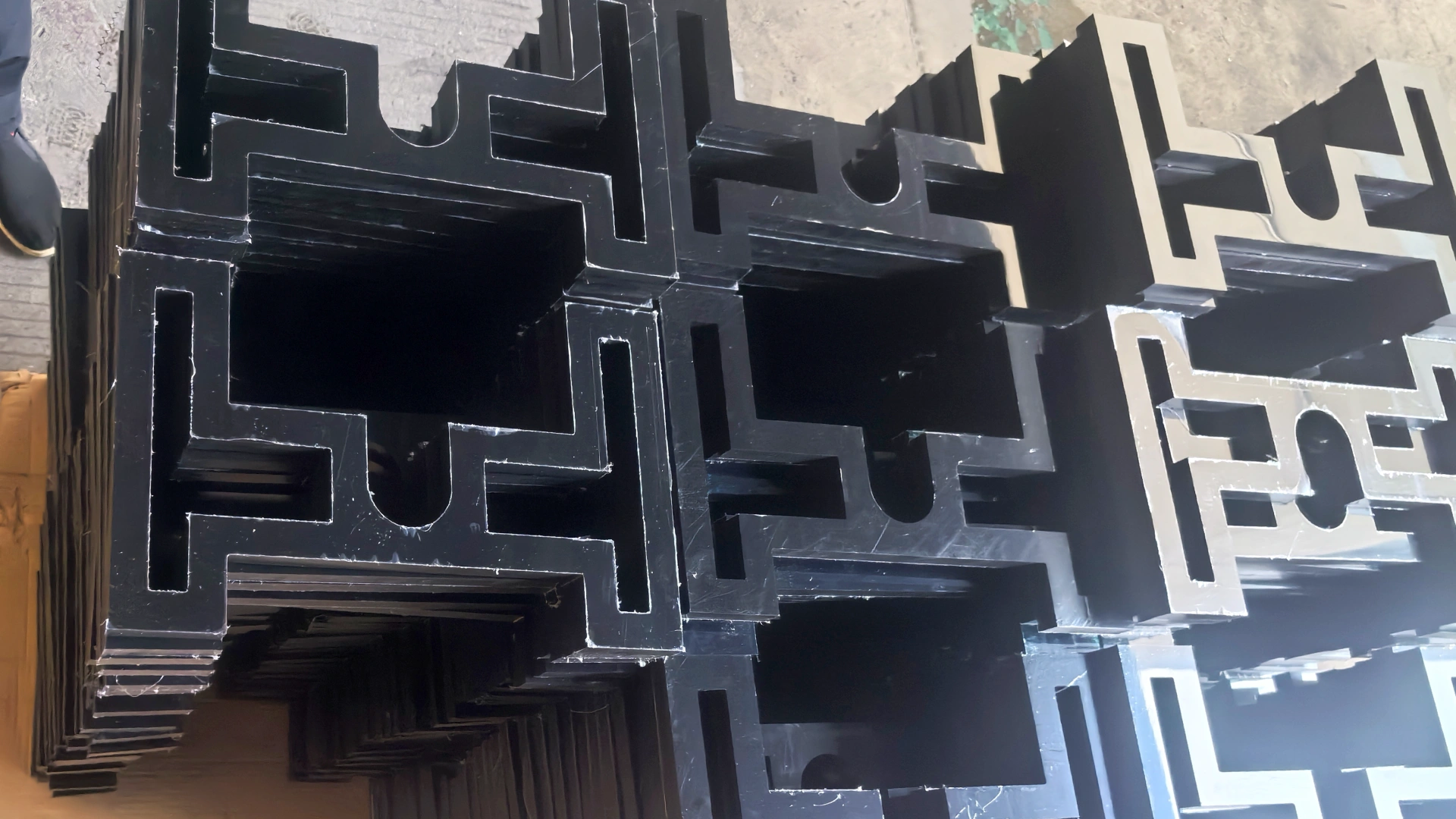
Clarify whether the mold will run with STARWAY or at another facility. Define machine interfaces and destination requirements where relevant.
Cavity count, feeding, cooling and ejection work together to shape mold investment, part quality and output.
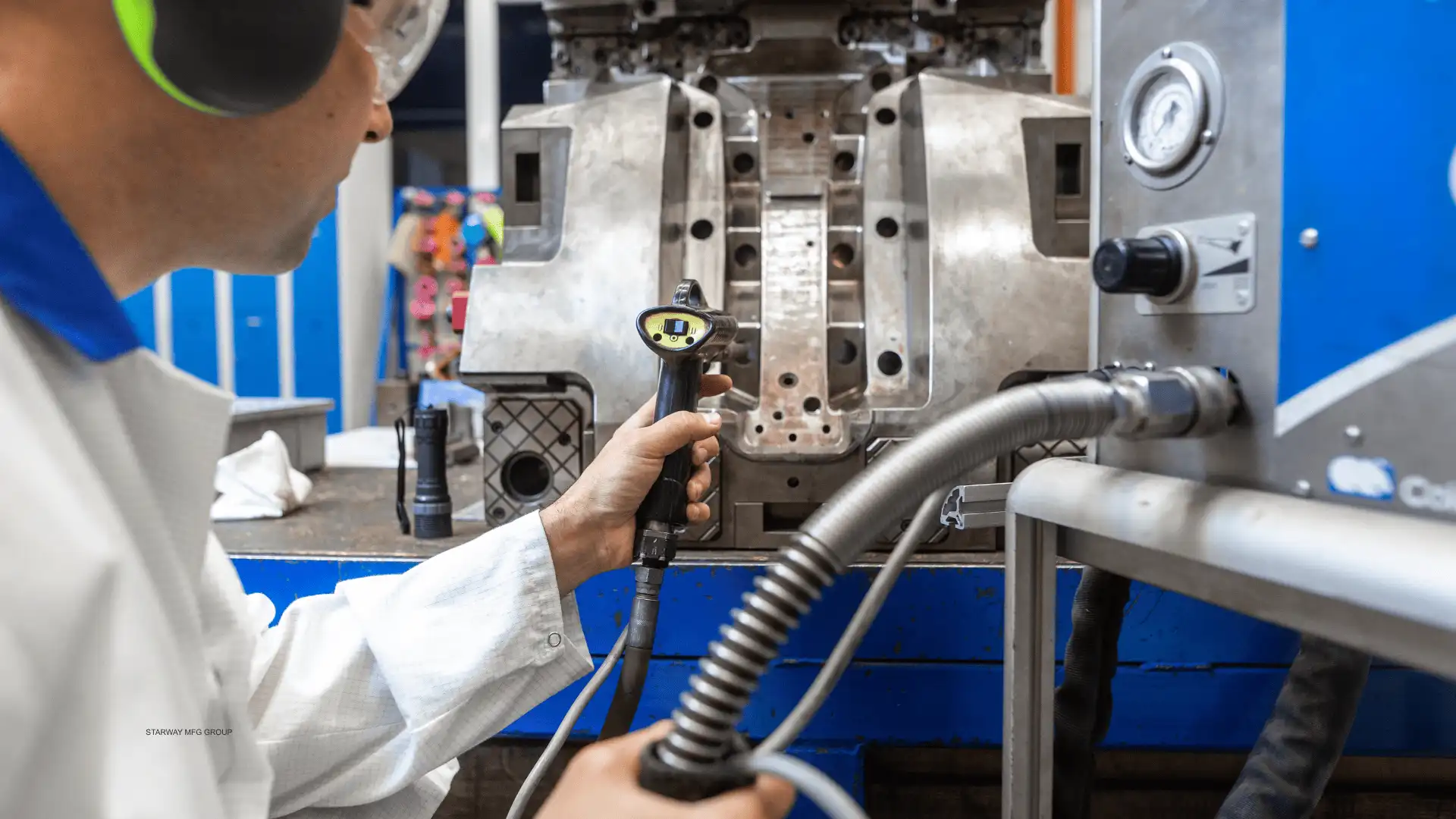
Review single- or multi-cavity options against demand, part geometry, balance and inspection needs. Family molds require separate suitability review.
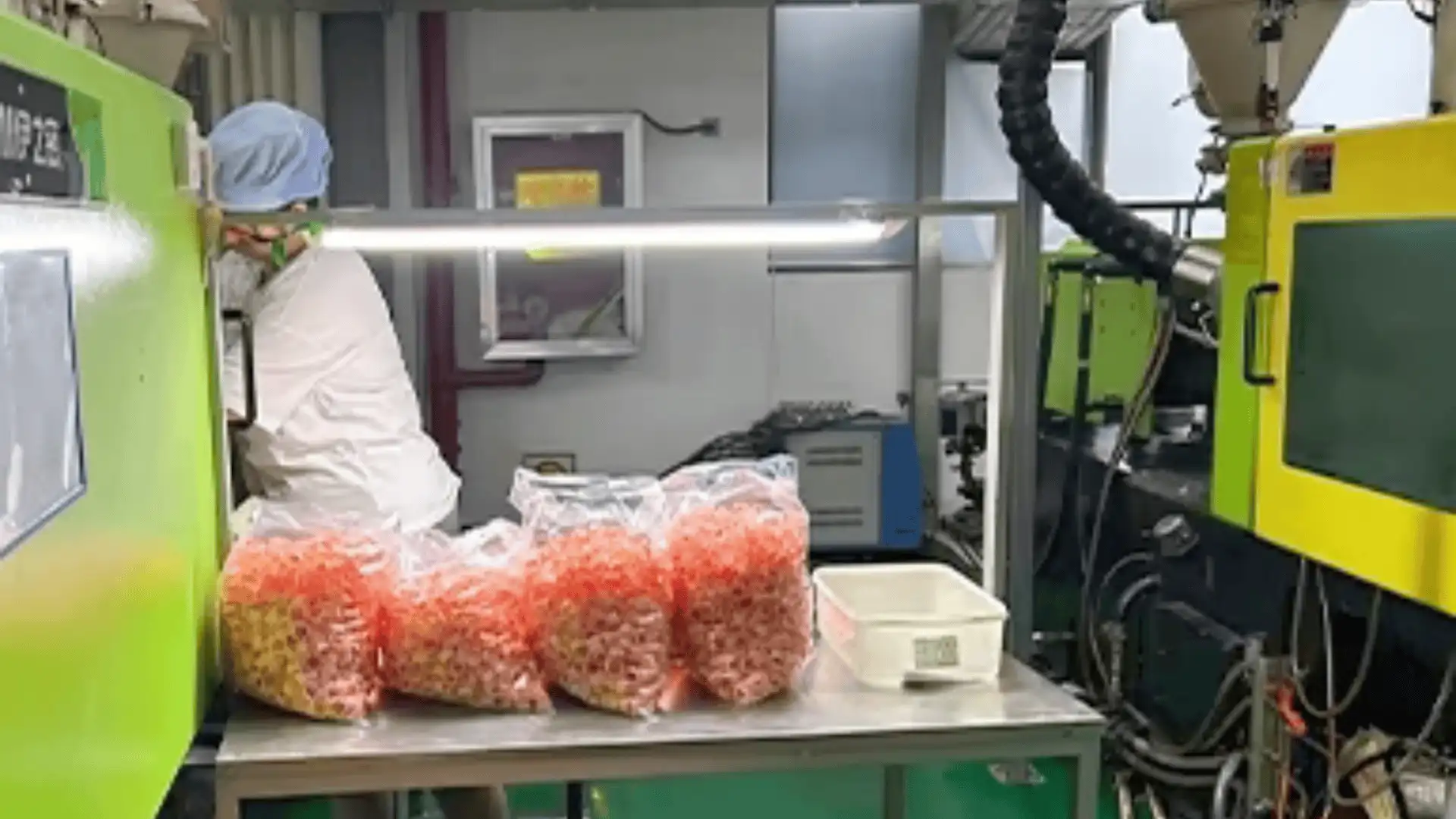
Assess gate locations and cold- or hot-runner options around resin, appearance, filling and maintenance requirements.
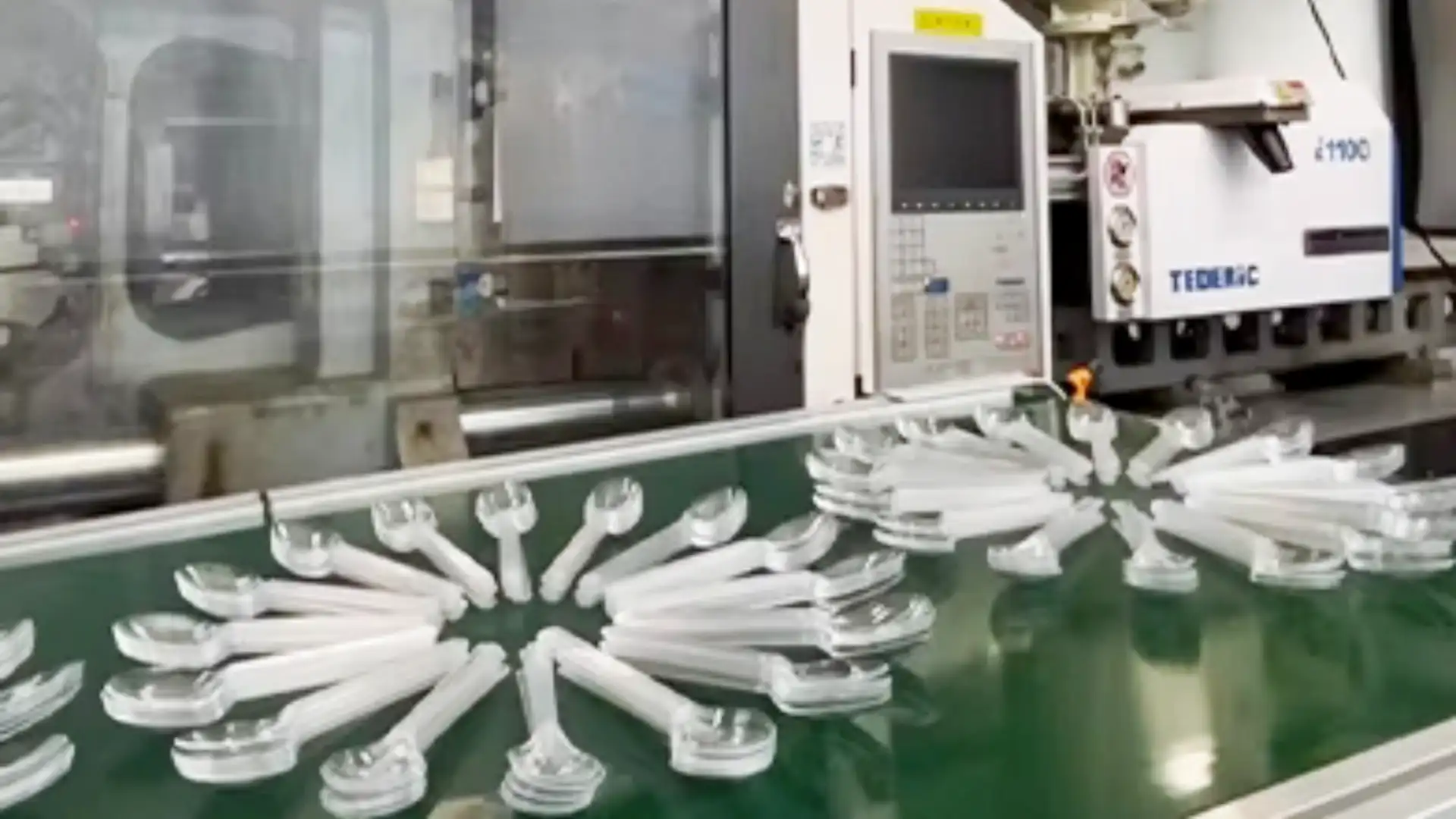
Review cooling access, ejection points and part-release requirements, including areas vulnerable to marking or distortion.
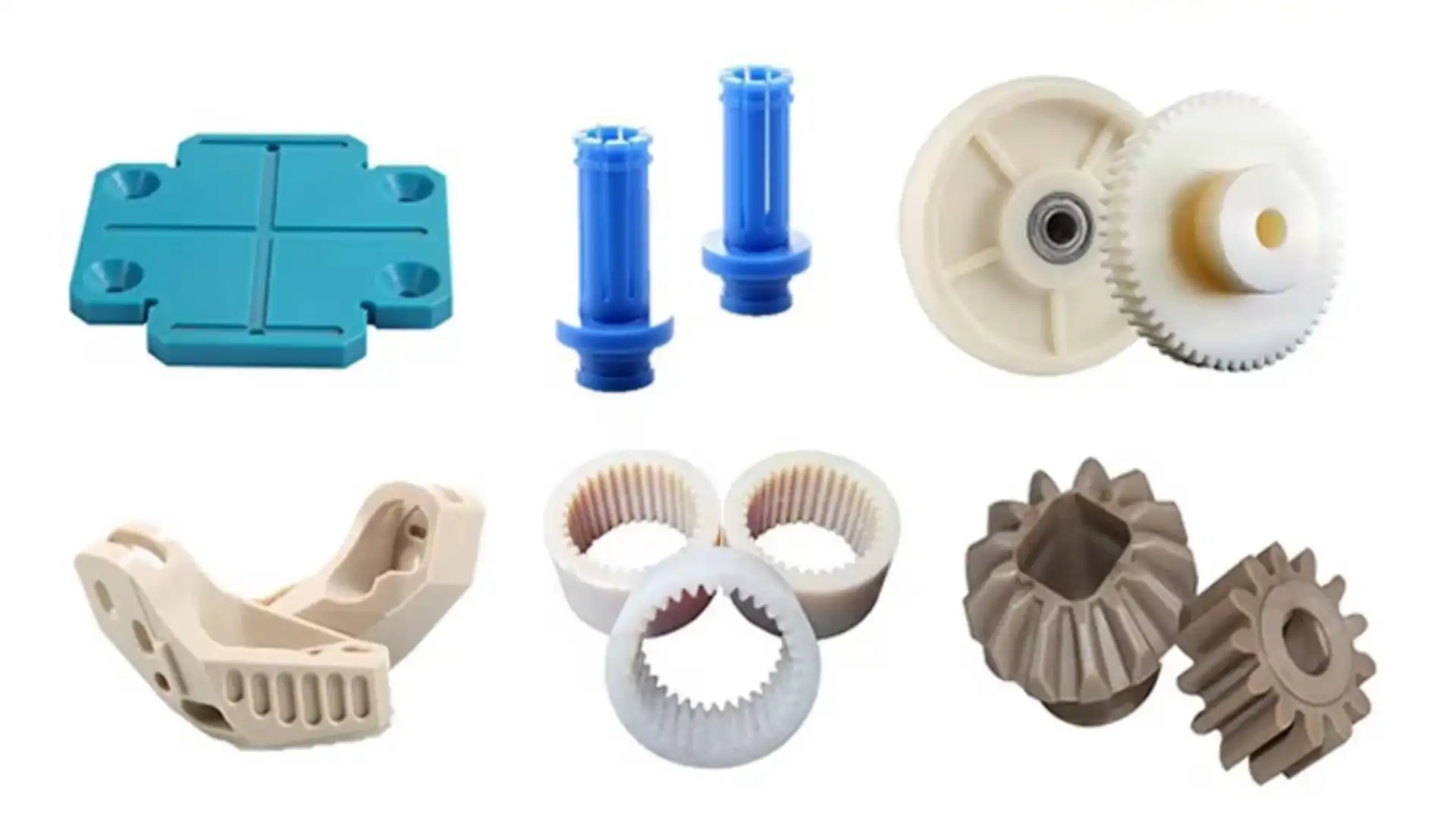
Select mold materials, inserts and specified components around resin characteristics, finish, wear and service requirements.
The tooling proposal states the configuration, assumptions and exclusions. Flow analysis and special mechanisms are included only where agreed.
Define what each trial review must establish, with corrections and approvals recorded against agreed requirements.
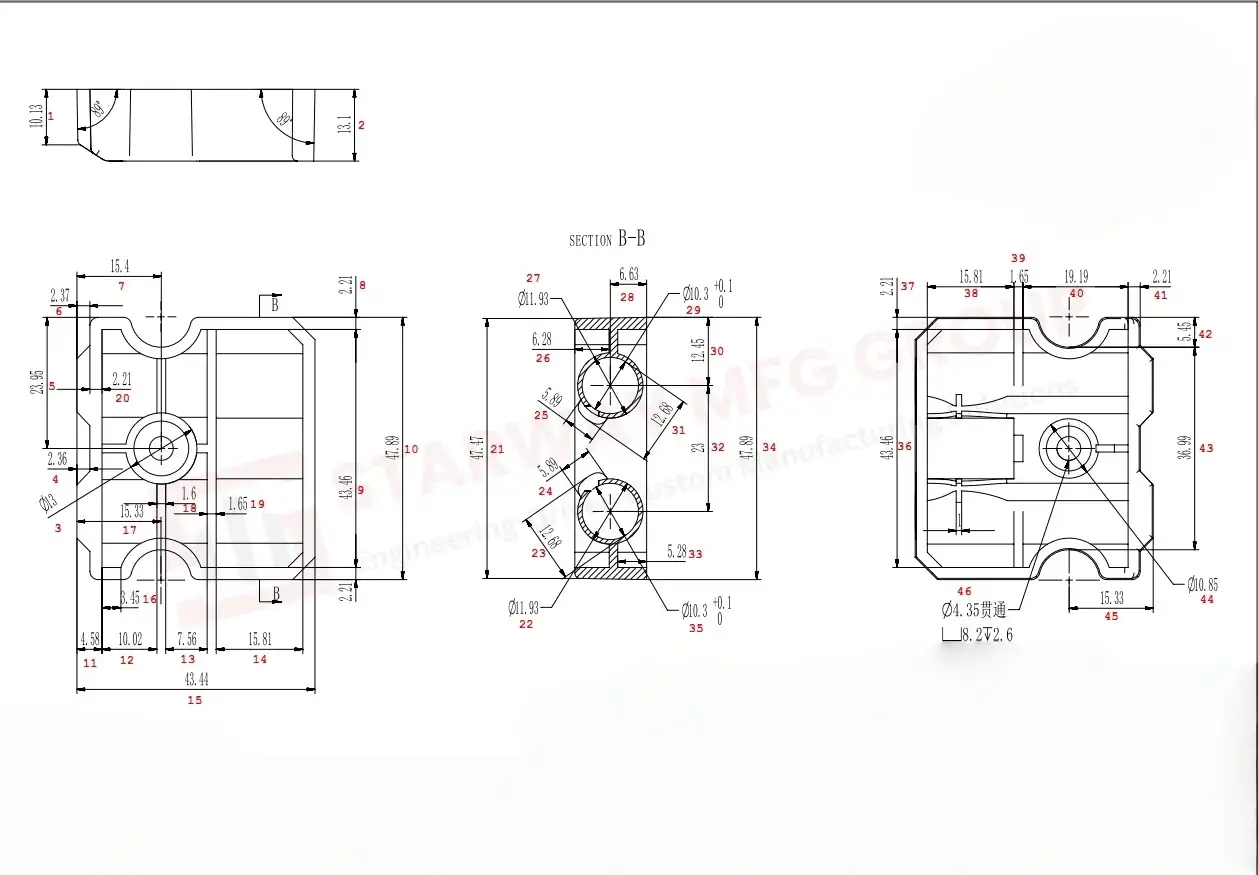
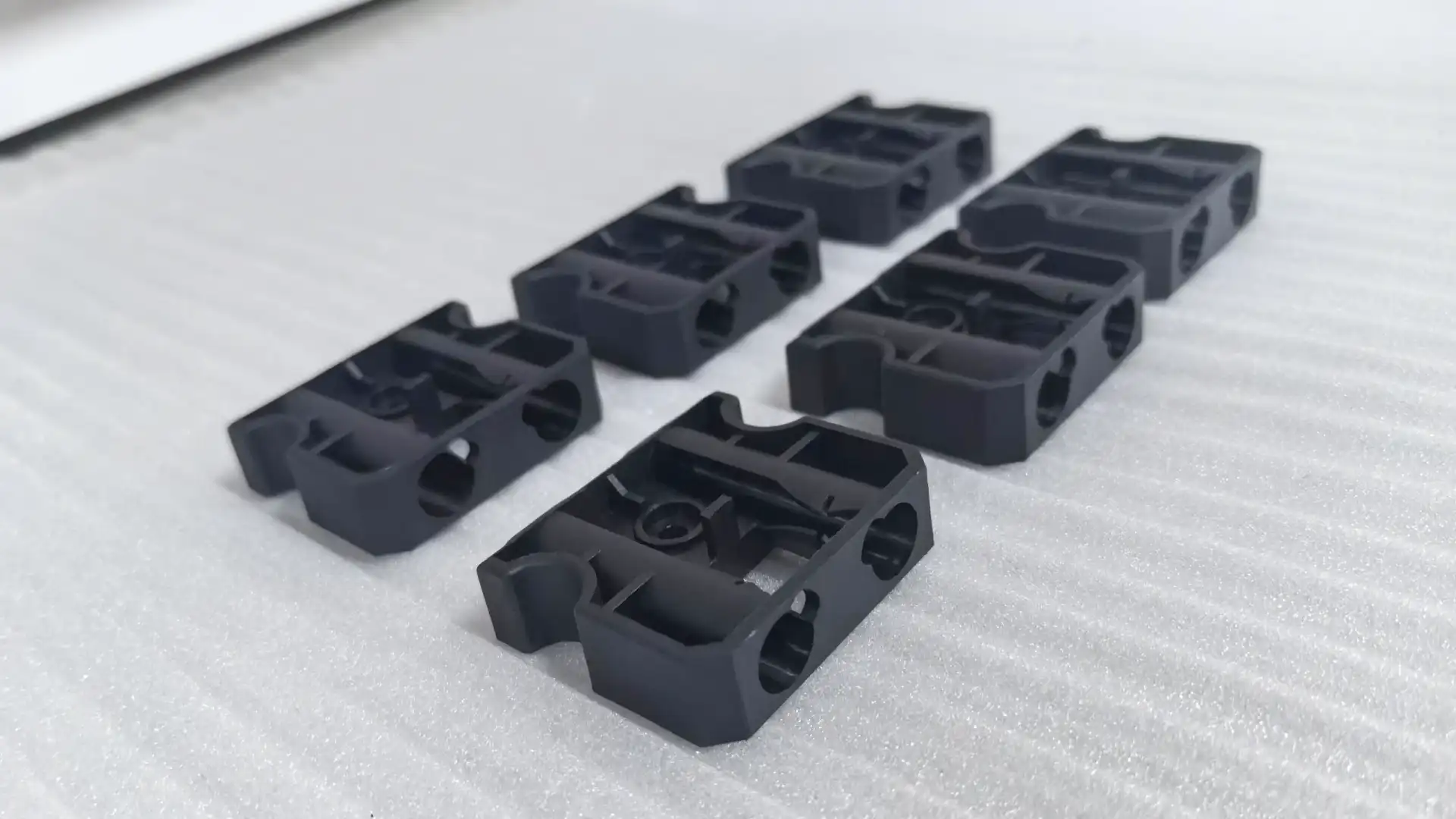
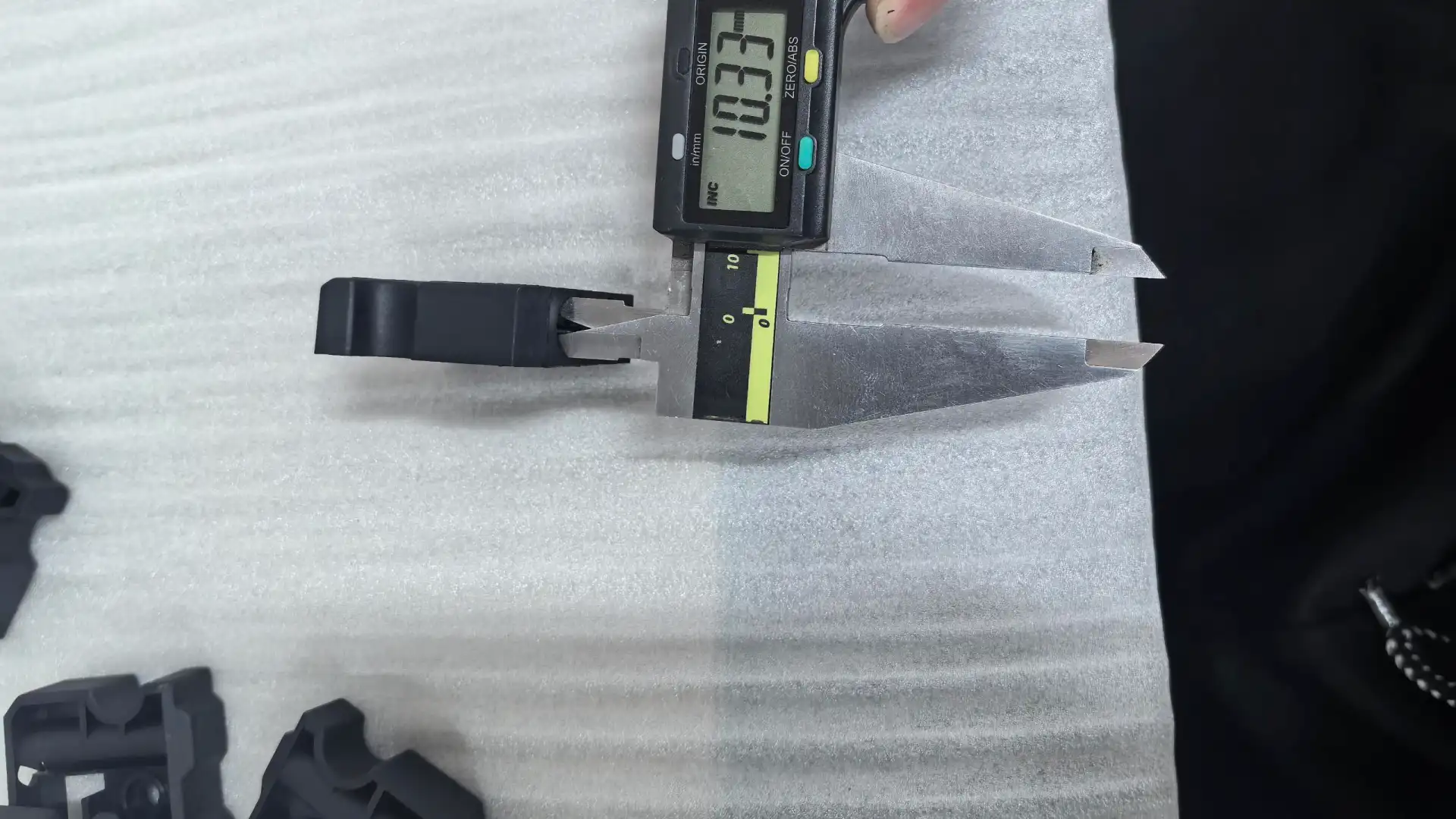
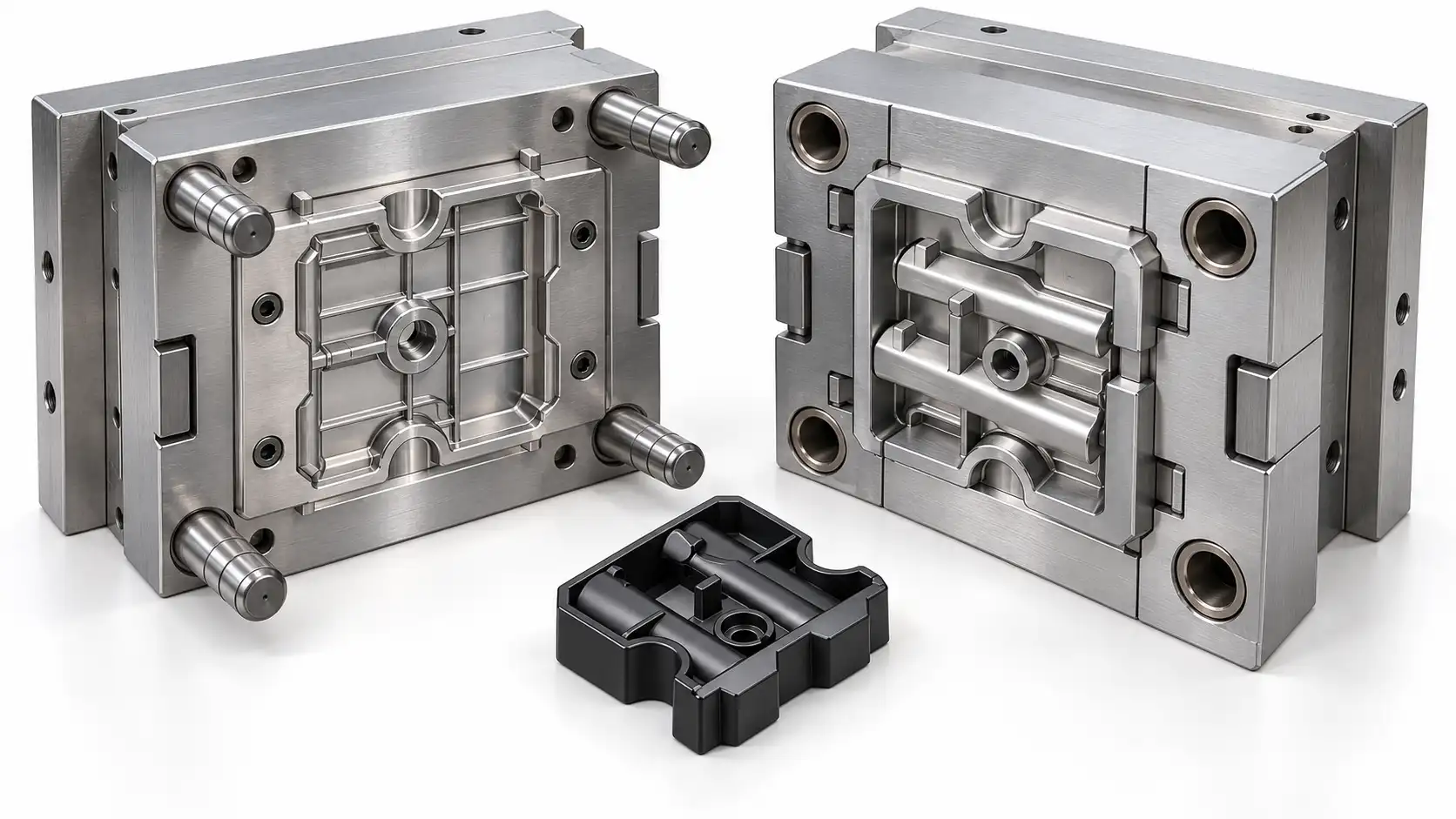
Trial labels such as T0 or T1 should have a defined project meaning. First trial completion does not automatically mean sample approval or production release.
Share the checks and records needed before you can approve the mold.
Send the current 3D CAD and drawing, intended resin, annual volume and batch requirements. Identify critical fits, appearance references, testing and target tool life where known. State the design status and production location. Unresolved requirements should be identified before mold manufacture is released.
DFM reviews how the part design affects molding, including wall sections, draft, undercuts, parting lines, gate access and ejection. Critical dimensions and appearance requirements are considered alongside the resin. Findings and proposed changes are documented for approval; DFM does not replace trial-sample validation.
Selection depends on geometry, resin, demand, appearance, production setup and maintenance requirements. More cavities or a hot runner are not automatically the best choice. The tooling proposal should explain the selected configuration, assumptions and scope, including any analysis or special components required.
Complexity, size, cavity strategy, mechanisms, mold materials, finish and trial requirements affect the quotation. Design readiness and approval timing also influence the schedule. Separate design review, construction, trials, corrections and release when planning the project. Cost and timing are confirmed for the agreed scope.
Agree on resin, sample quantity, cavity coverage and acceptance criteria before trials. Review specified dimensions, appearance, assembly and function using the required records. Findings lead to agreed corrective actions and rechecks. Trial completion alone does not constitute sample approval or production release.
State the expected production shots or lifetime demand and clarify the unit used. Tool life depends on resin, tool construction, operating conditions and maintenance. Target life is reviewed during design; any warranty, wear allowance or repair obligation must be expressly included in the agreement.
Ownership, custody, maintenance and transfer terms are agreed for the project. Clarify release conditions, storage, repair responsibilities and handover documentation before ordering. Ownership of the physical mold does not automatically include every design file or third-party right; required deliverables should be listed separately.
Yes, an existing mold can be assessed against the requested changes and its current condition. Provide authorized drawings, mold specifications, maintenance history and trial or defect records where available. Feasibility, compatibility, responsibilities and the need for further trials are confirmed before modification or production.

This website uses cookies to provide you with a personalized browsing experience and analyze website traffic. By clicking "Accept", you agree to our use of cookies.