
 Global
Review overall form, visible details and presentation needs. Define which surfaces need finishing and whether color or transparency is important. Visible Areas / Detail / Color / Finish


Sheet Metal Fabrication Design Engineering Project management Assembly Rapid Prototyping Packaging Shipping & Delivery
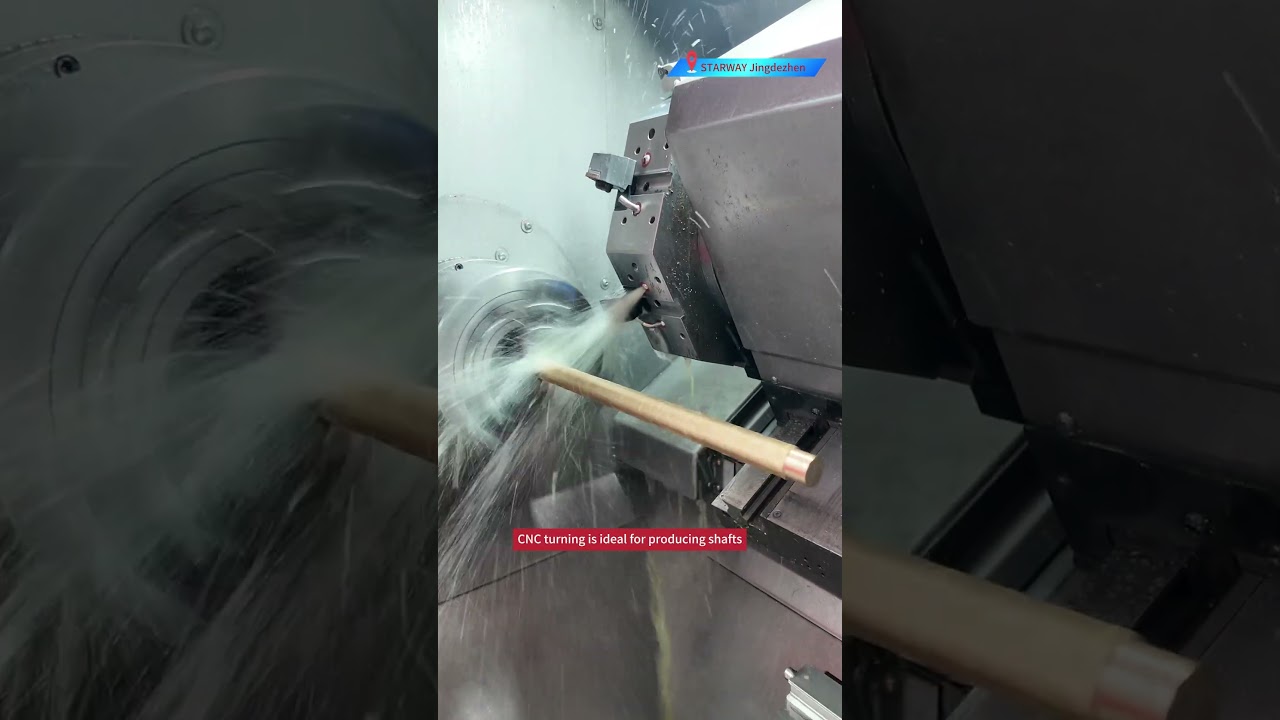
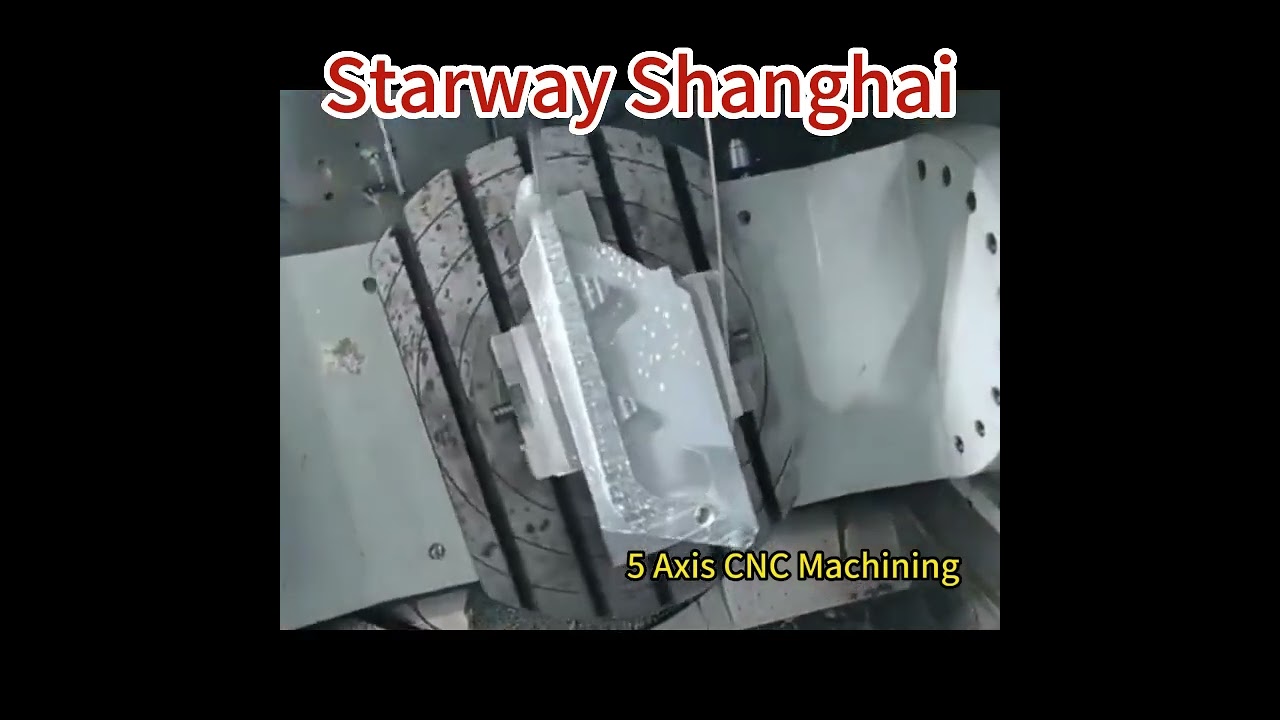
CNC Machining Design Engineering Project management Assembly Rapid Prototyping Packaging Shipping & Delivery
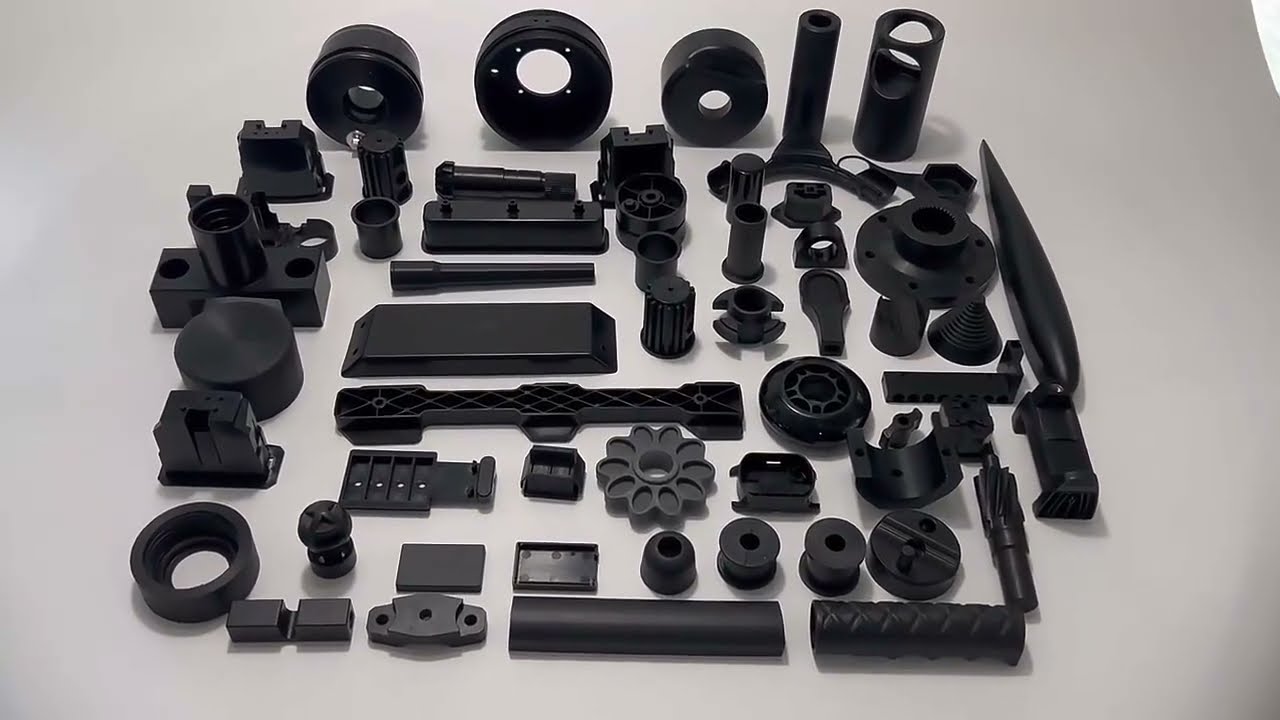
Plastic Injection Molding Design Engineering Project management Assembly Rapid Prototyping Packaging Shipping & Delivery
✓ Printing choices guided by your validation goal ✓ Critical features and test conditions reviewed ✓ Prototype limitations clarified before production

A useful prototype answers a specific question. Tell us what you need to evaluate so the sample can be planned around the right features and test conditions.
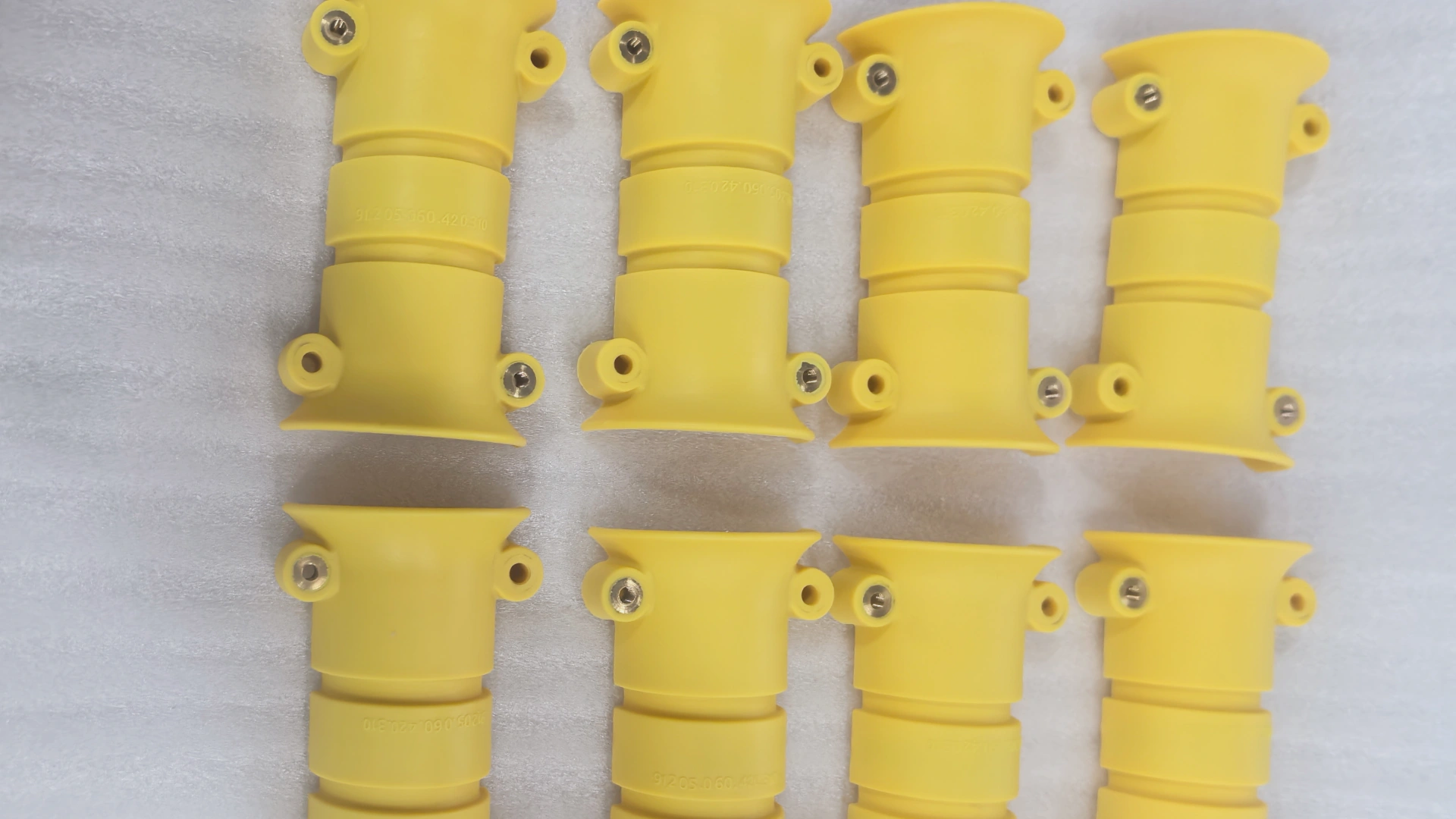
Review overall form, visible details and presentation needs. Define which surfaces need finishing and whether color or transparency is important. Visible Areas / Detail / Color / Finish
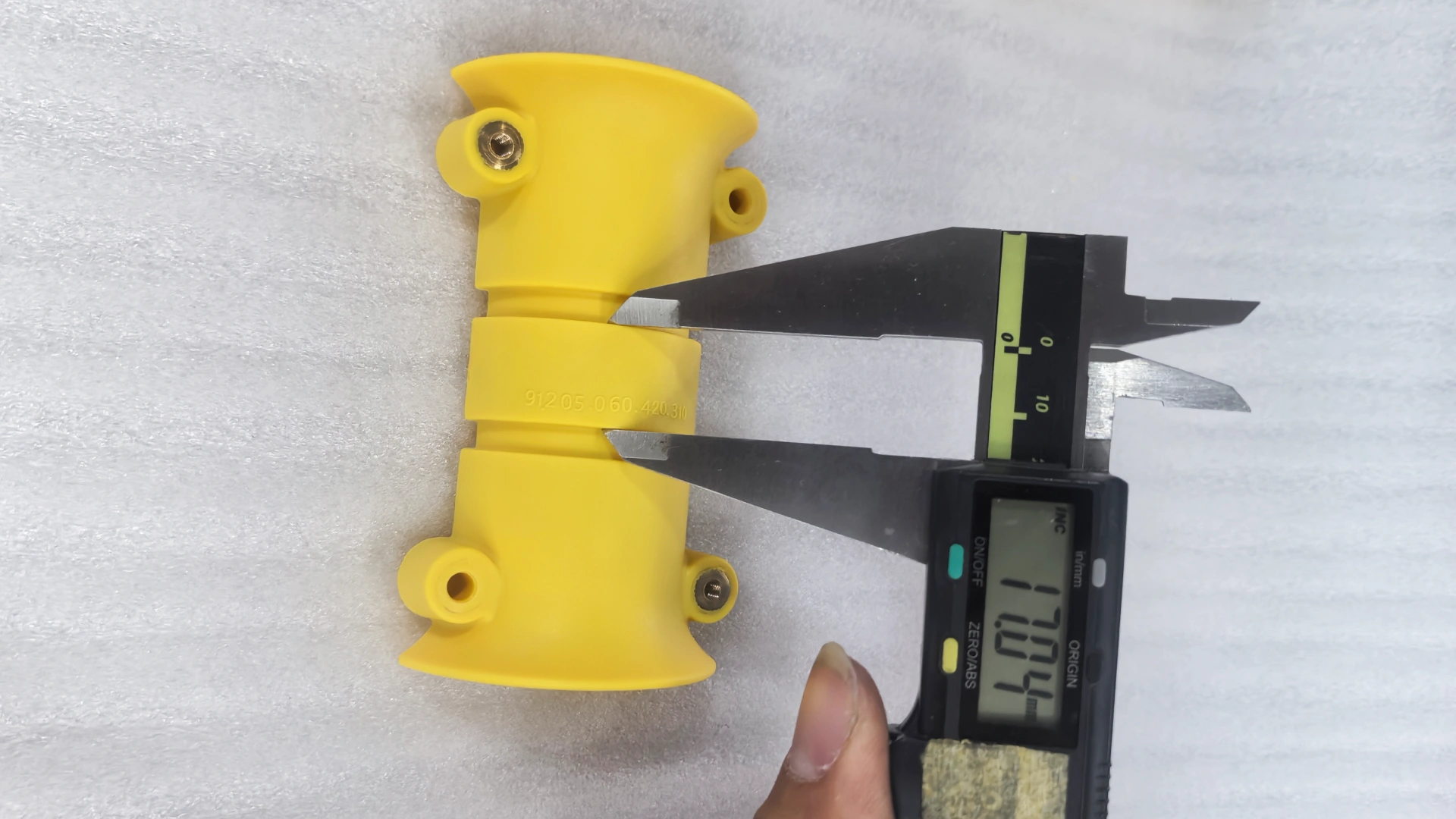
Check clearances, locating features and access with mating components. Identify the dimensions and interfaces that determine whether the assembly works. Mating Parts / Critical Dimensions / Clearances
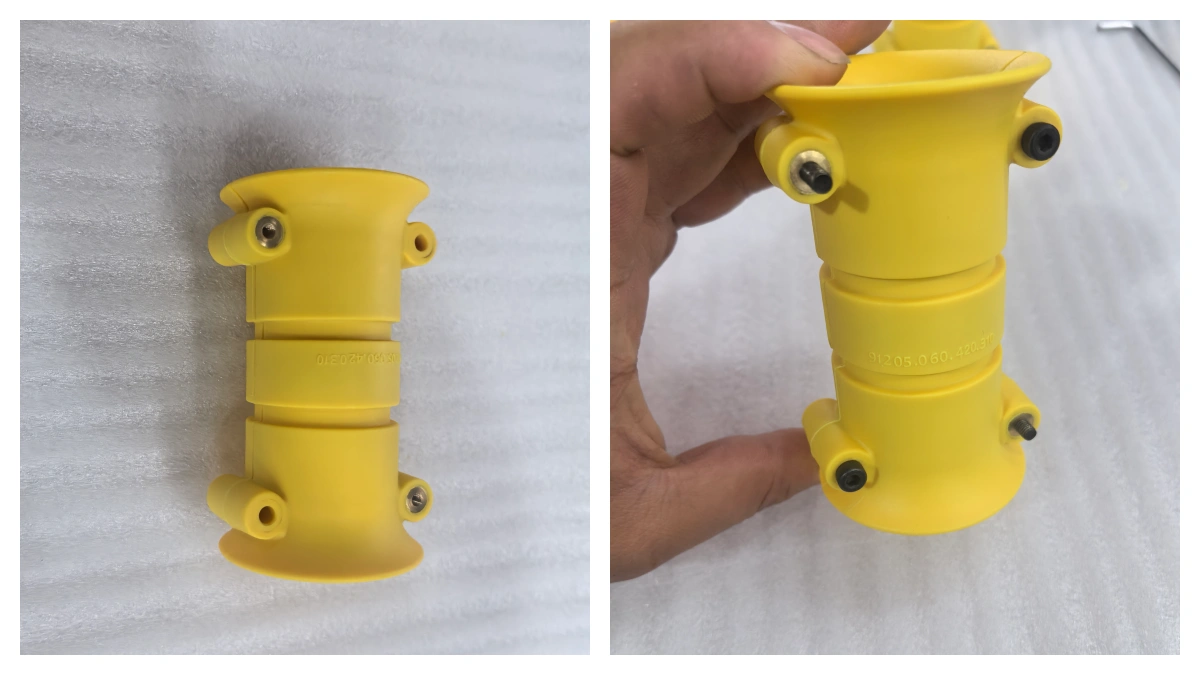
Define the loads, movement, temperature and exposure the prototype must experience. Material and build choices are reviewed around the intended test. Load / Test Duration / Temperature / Environment
Match the printing process, material, build orientation and post-processing to the features and test purpose.
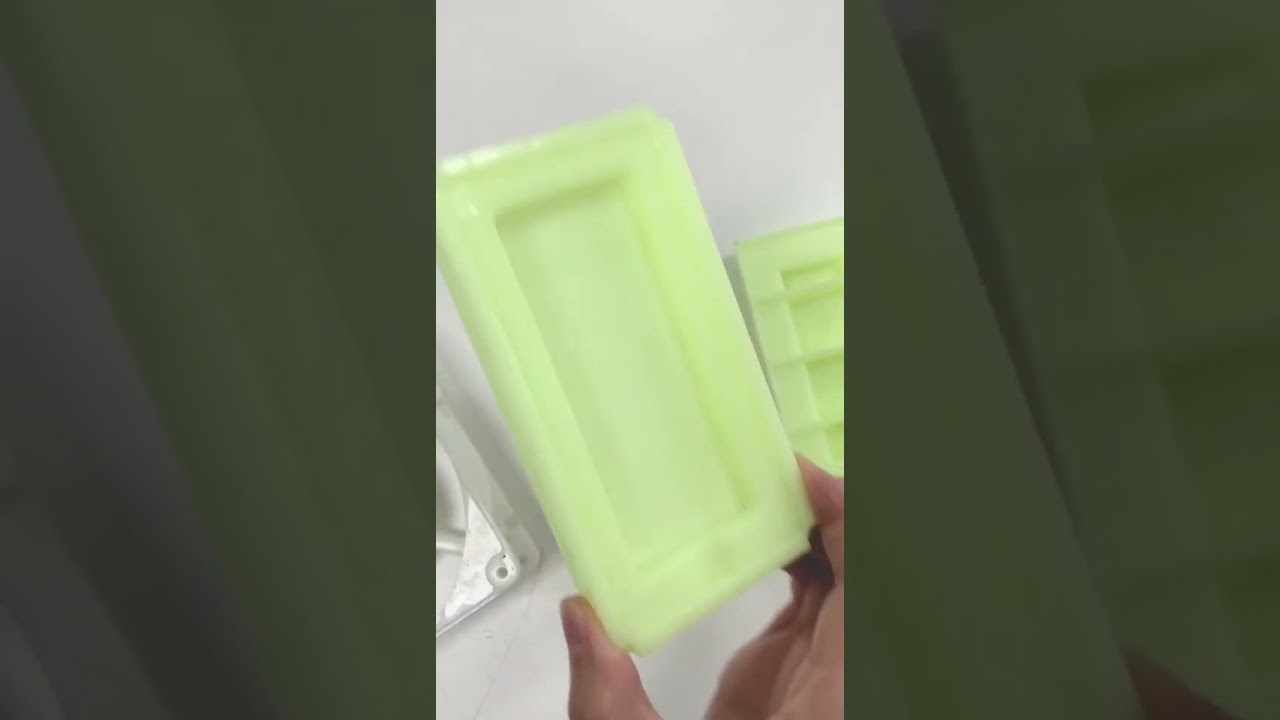
SLA 3D printing services can suit detailed visual models and selected fit checks. Review resin properties, support locations and curing requirements, particularly for thin features or loaded components.
Review Focus:
Fine Details / Visible Surfaces / Resin Properties / Support Marks
SLS 3D printing services can suit nylon prototypes with complex geometry and selected functional requirements. Review surface texture, powder removal and material behavior under the intended test conditions.
Review Focus:
Nylon Grade / Functional Features / Powder Removal / Surface Texture
FDM 3D printing services can suit concept models and selected functional checks using suitable thermoplastic filament. Layer direction, support removal and visible layer lines should be considered.
Review Focus:
Filament Grade / Build Direction / Layer Lines / Test Loads
3D Printing, also known as additive manufacturing, is a process of creating parts layer by layer from digital models.
It is widely used for rapid prototyping, functional testing, and low-volume production.
At Starway, we provide professional 3D printing services in China, delivering high-quality custom parts with fast turnaround and cost-effective solutions.

| Technology | Description | Typical XY Accuracy | Layer Thickness Range | Best For |
|---|---|---|---|---|
| SLA (Stereolithography) | UV-cured liquid photopolymer. | ±0.05 mm typical | 25–100 μm | Visual prototypes, dental, jewelry masters |
| DLP | Digital projector cures whole layer at once. | ±0.05 mm typical | 25–100 μm | Same as SLA, faster build |
| SLS (Selective Laser Sintering) | Laser fuses nylon powder bed. | ±0.1–±0.3 mm typical | 80–120 μm | Functional nylon parts |
| MJF (Multi Jet Fusion) | Fusing/detailing agents + IR heating on PA powder. | ±0.2–±0.3 mm typical | 80 μm | End-use parts, batch production |
| FDM (Fused Deposition Modeling) | Extruded thermoplastic filament. | ±0.2–±0.5 mm typical | 100–300 μm | Concept models, jigs, fixtures |
| DMLS / SLM (Metal PBF) | Laser melts metal powder layer by layer. | ±0.05–±0.1 mm typical | 20–60 μm | Aerospace brackets, medical implants |
| Binder Jetting | Liquid binder + powder; sintered after. | ±0.2 mm typical | 50–100 μm | Metal/ceramic batch production, sand cores |
| Material | Process | Typical Tensile (MPa) | Heat Resistance | Typical Use |
|---|---|---|---|---|
| PLA | FDM | 50–70 | ~60 °C | Concept models / display prototypes |
| Resin (SLA/DLP) | SLA / DLP | 30–80 (resin-dependent) | varies | High-detail visual prototypes |
| Nylon (PA12) | SLS / MJF | 45–55 | ~165 °C HDT | Functional end-use parts |
| TPU | SLS / FDM | 5–35 (flexible) | ~80 °C | Flexible seals, wearables |
| Aluminum (AlSi10Mg) | SLM / DMLS | 230–450 (as-built / HT) | >300 °C | Aerospace, lightweight structural |
| Stainless Steel (316L) | SLM / DMLS / BJ | 500–700 | >300 °C | Industrial / medical implants |
3D Printing works by slicing a 3D CAD model into layers and building the part layer by layer using materials such as plastic, resin, or metal.
This process allows for fast production of complex geometries without tooling.


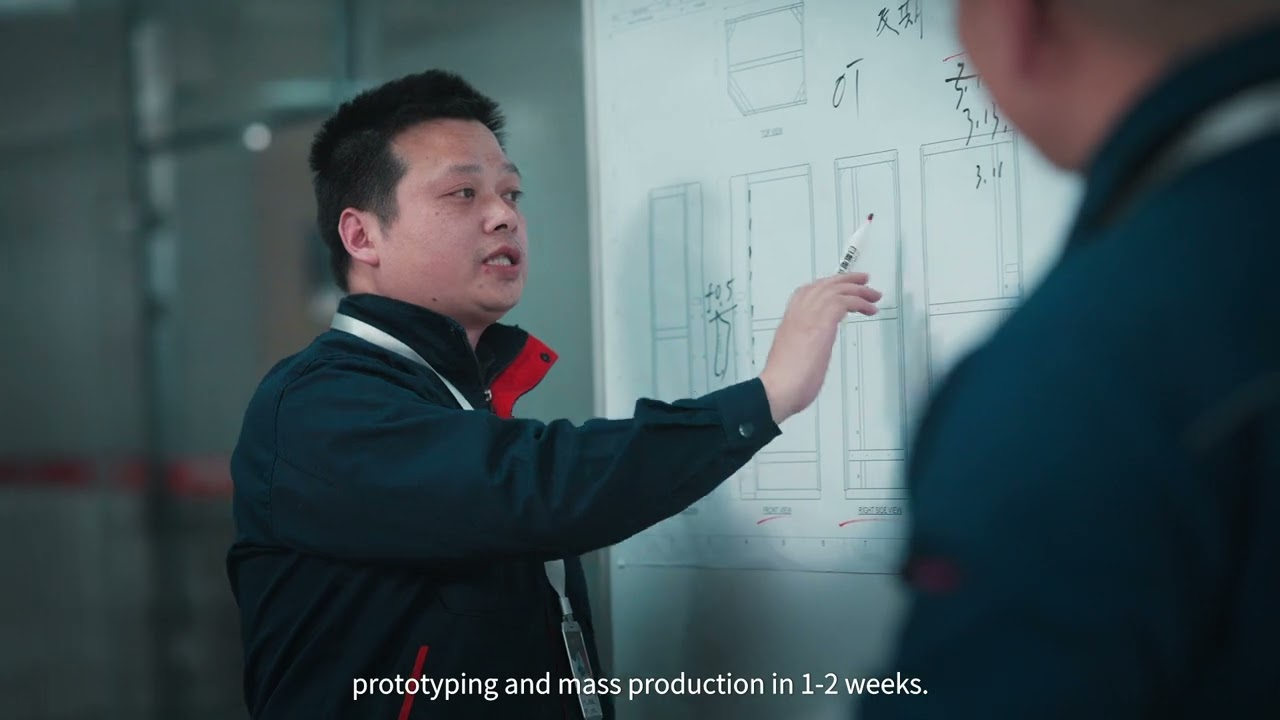
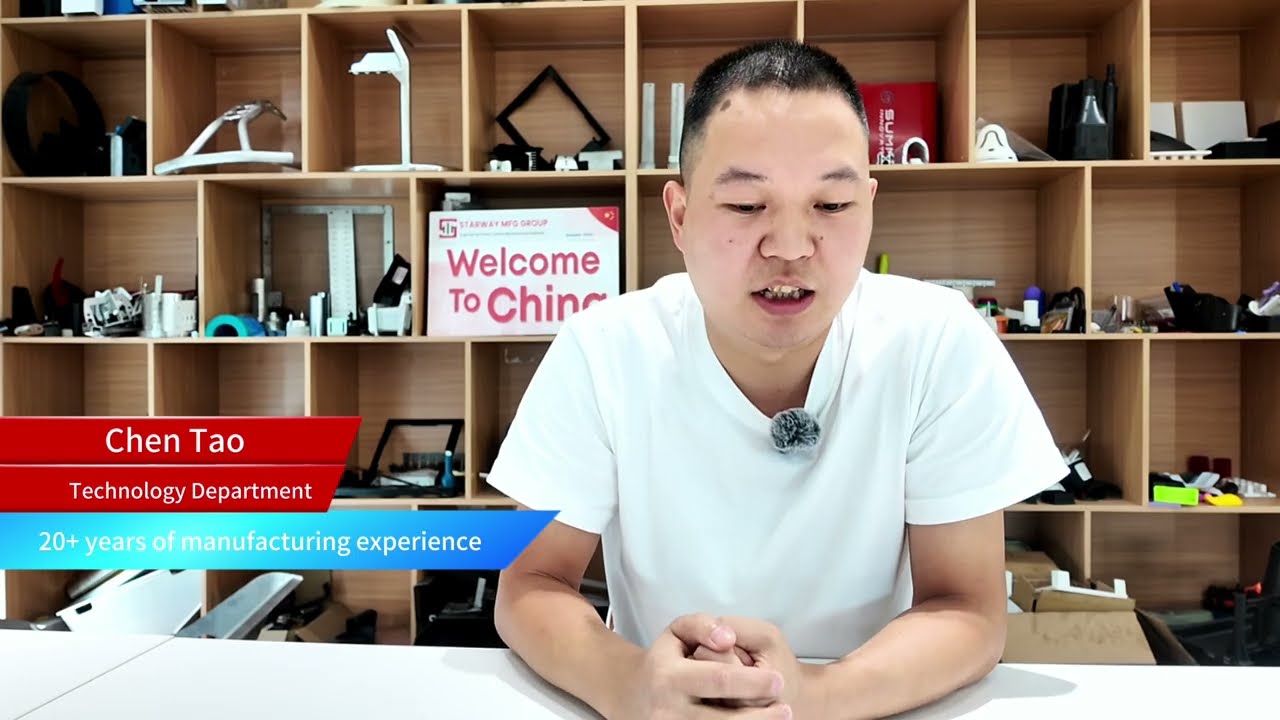
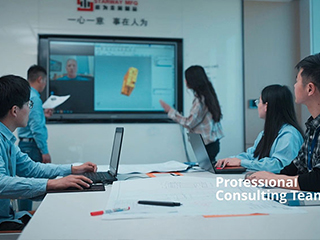
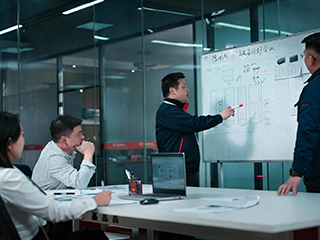
Engineering Consultation That Reduces Manufacturing Risk At Starway, engineering involvement starts before production begins. Our engineers work closely with customers to review drawings, tolerances, materials, and manufacturing feasibility, identifying potential risks early and proposing optimized solutions. By integrating engineering and sales teams, we ensure that technical decisions are accurately translated into cost, lead time, and production plans — avoiding surprises during execution.

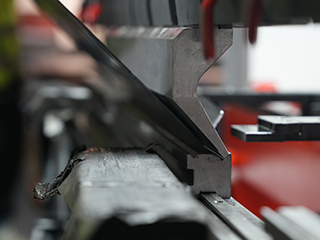
New project success depends on speed, accuracy, and adaptability. Starway operates a dedicated project development team combining engineering, prototyping, and quality control. This allows us to deliver prototypes within 1–2 weeks, validate manufacturability quickly, and resolve technical challenges through real production trials — not assumptions.
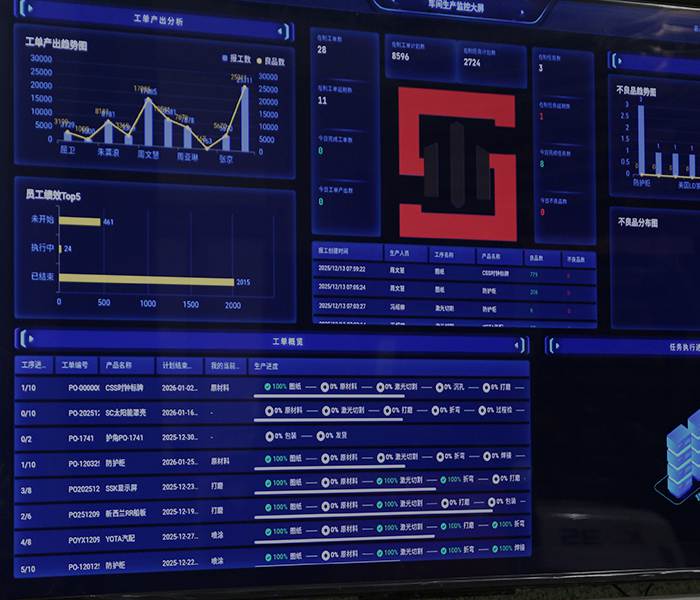
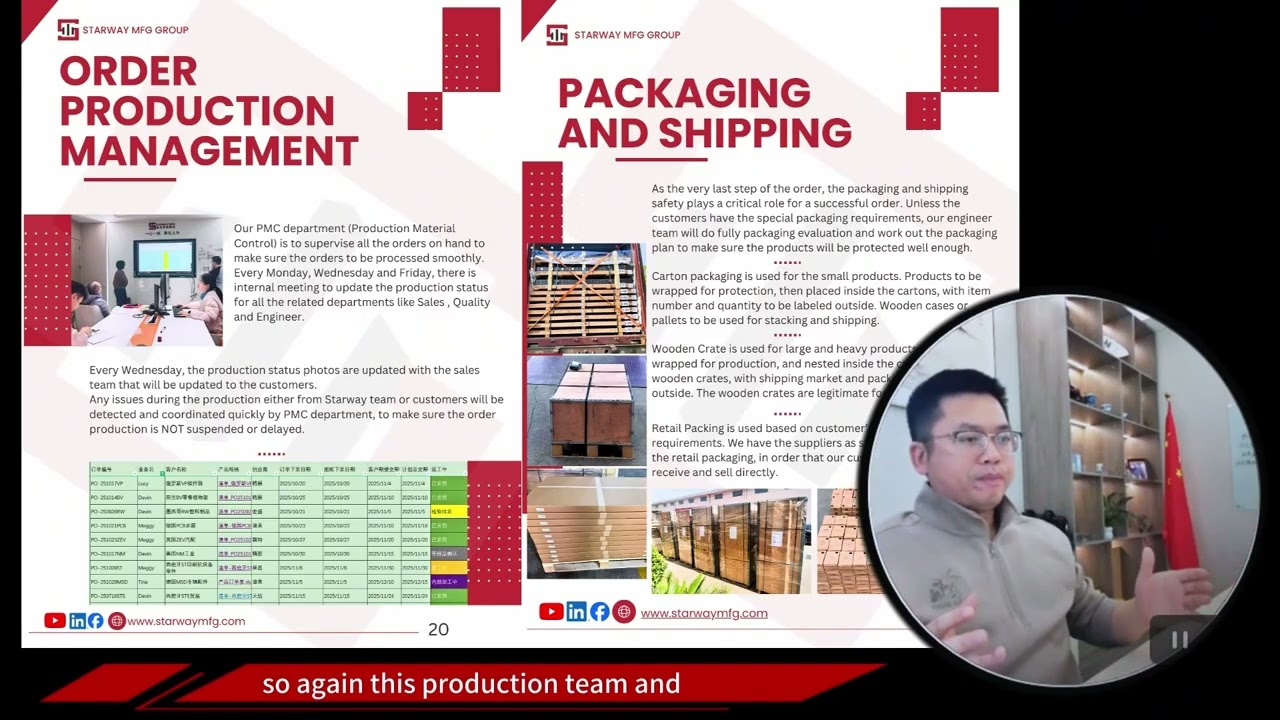
On-time delivery and consistent quality are not outcomes — they are engineered results. All orders are managed through our MES system, enabling real time production tracking, quality traceability, and cross department coordination. This system-driven approach allows us to proactively manage risks, maintain schedule integrity, and keep customers informed with accurate production data.

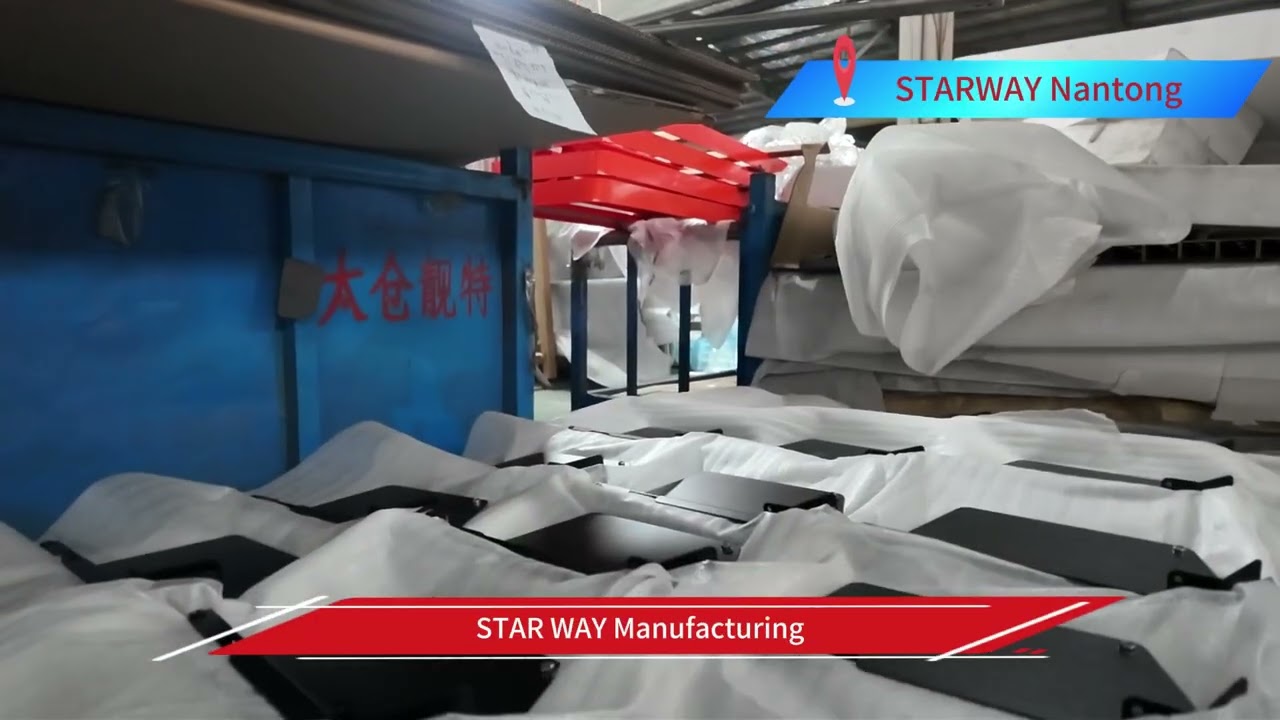
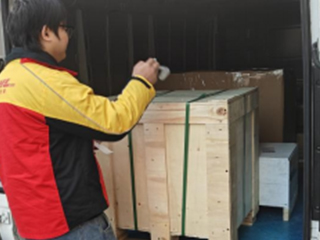
At Starway, Easy Shipping is another key advantage. Our goal is to make customers' shipping easy, safe, and fully trackable. Our professional logistics team helps our customers handle all types of shipments — both air and sea — including EXW, FOB, CIF, DDP, etc. Our shipping system enables us to track and monitor all shipments in transit, ensuring they arrive safely and on time. Our customers are updated regularly with their shipping status.
3D printing is widely used for rapid prototyping, product development, and low-volume production.
Materials include plastics, resins, and metals such as aluminum and stainless steel.
Typical tolerance is ±0.1 mm, with higher precision available depending on technology.
Costs depend on material, size, and complexity, but China offers cost-effective solutions.
Most prototypes can be completed within 1–3 days.
It depends on your needs: SLA for detail, SLS for strength, MJF for production.
Yes, we specialize in fast 3D printing prototyping in China.
Yes, 3D printing is ideal for small batch manufacturing.
Automotive, aerospace, medical, and electronics industries.
Yes, especially with SLS and MJF technologies.
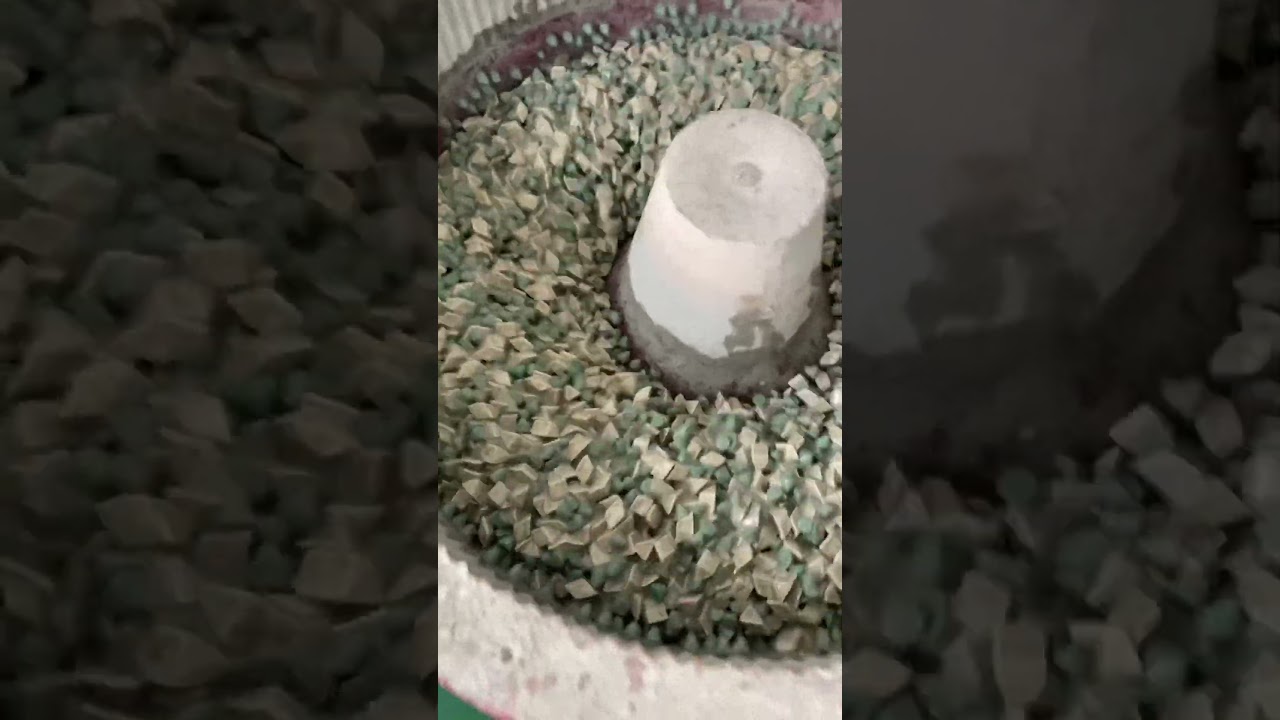
Polishing, painting, dyeing, and coating.
We use inspection and post-processing checks.
Yes, we deliver globally to USA, Europe, and Australia.
STL, STEP, IGES, and other CAD formats.
Yes, we offer hybrid manufacturing solutions.
It is best for low to medium volume production.
Upload your file to receive a fast quote within 24 hours.

This website uses cookies to provide you with a personalized browsing experience and analyze website traffic. By clicking "Accept", you agree to our use of cookies.