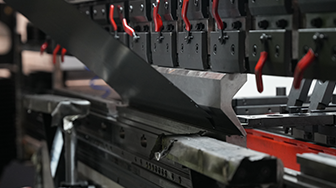

Sheet Metal Fabrication Design Engineering Project management Assembly Rapid Prototyping Packaging Shipping & Delivery
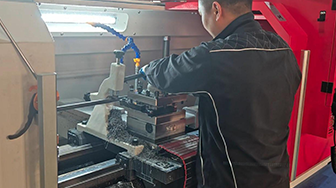
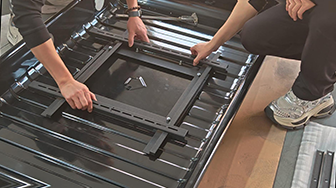
CNC Machining Design Engineering Project management Assembly Rapid Prototyping Packaging Shipping & Delivery
Plastic Injection Molding Design Engineering Project management Assembly Rapid Prototyping Packaging Shipping & Delivery
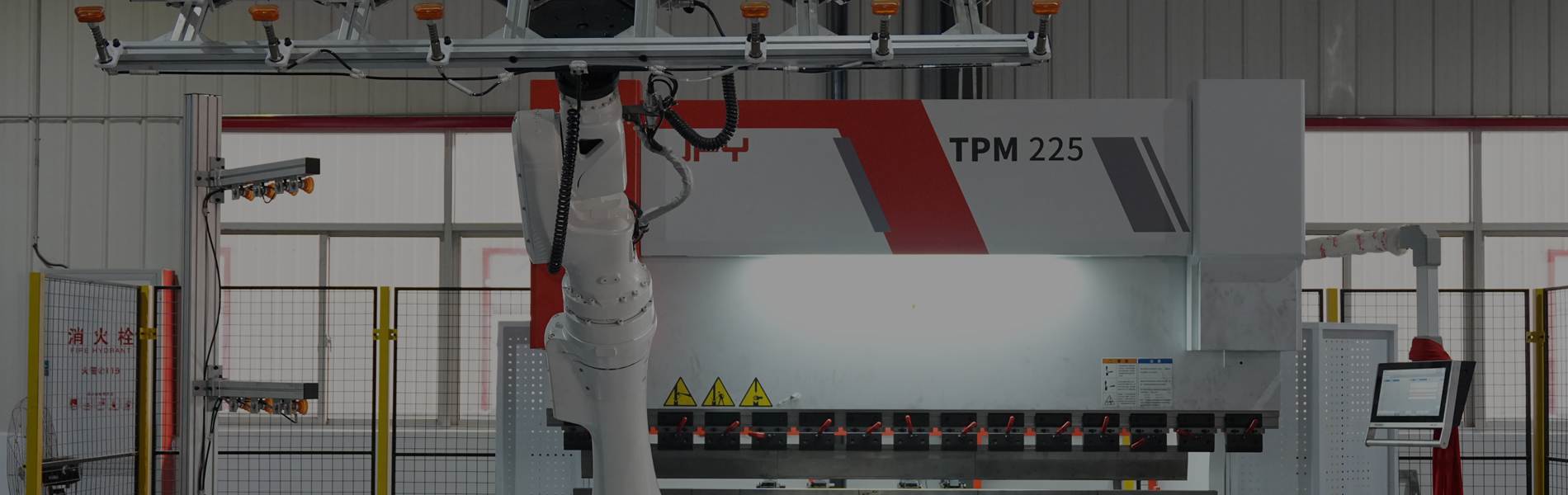
✓ Professional Consulting Team ✓ Fast Prototyping (1-2 weeks) ✓ Automated & Smart Manufacturing ✓ Easy Shipping (EXW, FOB, CIF, DDP) ✓ Global Markets Served

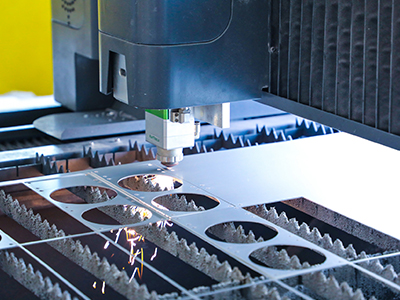
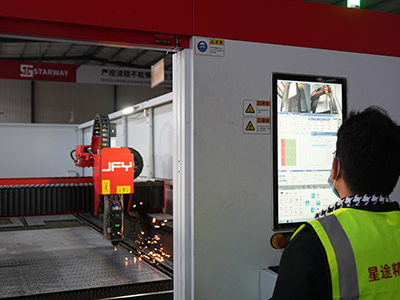
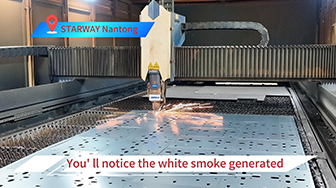
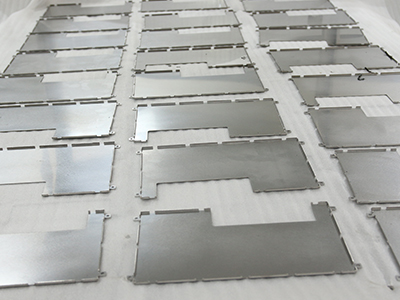
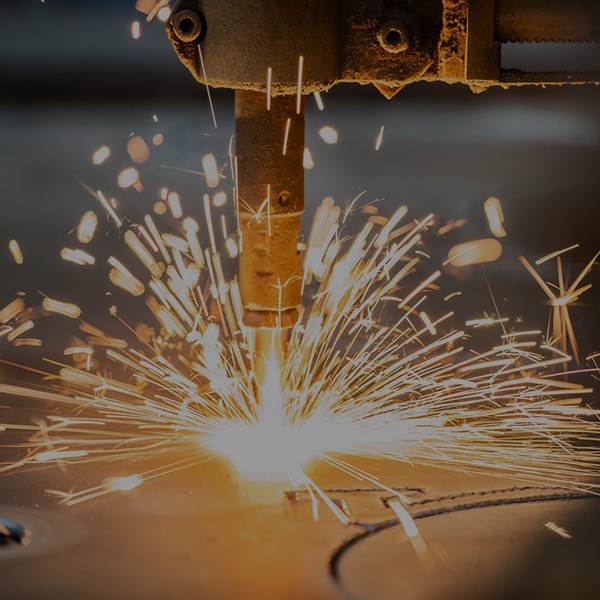
Laser cutting combines CNC control systems with high-powered laser sources to achieve accurate and repeatable results.

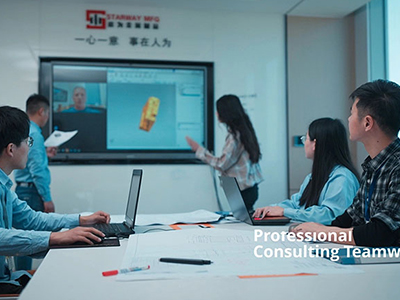
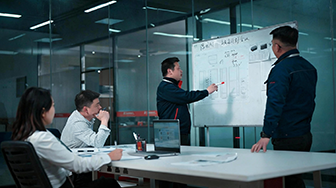
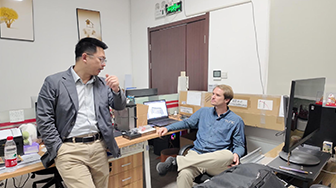
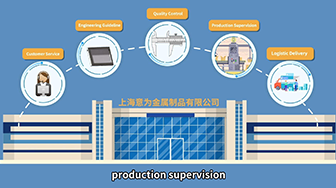
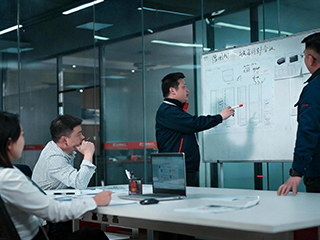
Engineering Consultation That Reduces Manufacturing Risk At Starway, engineering involvement starts before production begins. Our engineers work closely with customers to review drawings, tolerances, materials, and manufacturing feasibility, identifying potential risks early and proposing optimized solutions. By integrating engineering and sales teams, we ensure that technical decisions are accurately translated into cost, lead time, and production plans — avoiding surprises during execution.

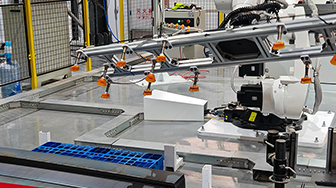
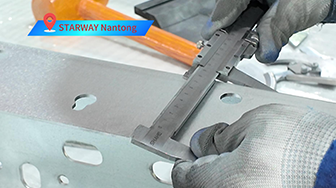
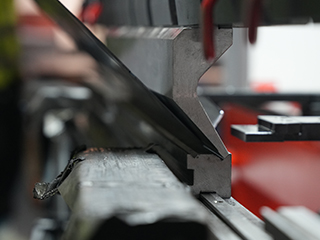
New project success depends on speed, accuracy, and adaptability. Starway operates a dedicated project development team combining engineering, prototyping, and quality control. This allows us to deliver prototypes within 1–2 weeks, validate manufacturability quickly, and resolve technical challenges through real production trials — not assumptions.
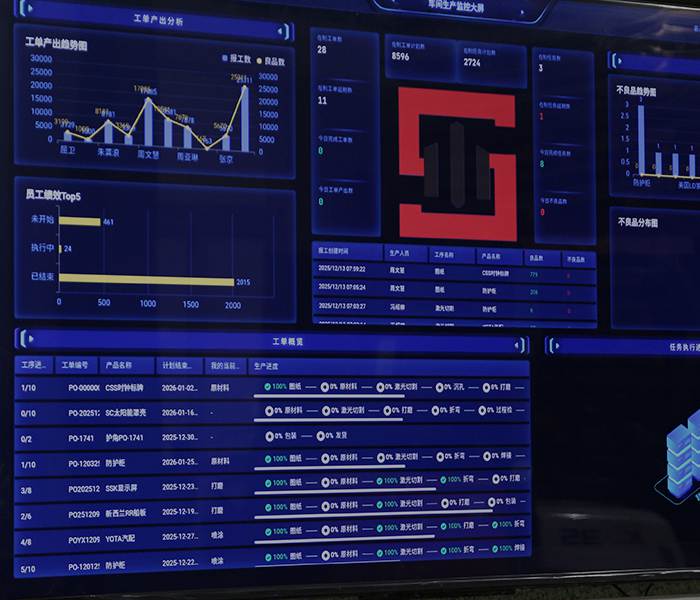
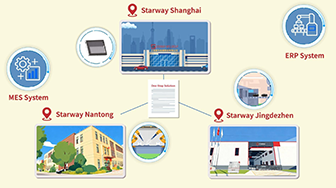
On-time delivery and consistent quality are not outcomes — they are engineered results. All orders are managed through our MES system, enabling real time production tracking, quality traceability, and cross department coordination. This system-driven approach allows us to proactively manage risks, maintain schedule integrity, and keep customers informed with accurate production data.

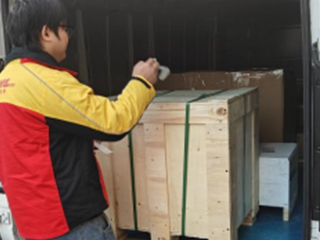
At Starway, Easy Shipping is another key advantage. Our goal is to make customers' shipping easy, safe, and fully trackable. Our professional logistics team helps our customers handle all types of shipments — both air and sea — including EXW, FOB, CIF, DDP, etc. Our shipping system enables us to track and monitor all shipments in transit, ensuring they arrive safely and on time. Our customers are updated regularly with their shipping status.
Stainless Steel (304 / 316)
Carbon Steel
Aluminum
Brass & Copper
Acrylic
Engineering plastics
| Parameter | Specification |
|---|---|
| Process | Fiber laser cutting (CO₂ available on request) |
| Maximum Sheet Length | Up to 6,000 mm (machine-table dependent) |
| Material Thickness — Carbon Steel | Up to 25 mm |
| Material Thickness — Stainless Steel | Up to 20 mm |
| Material Thickness — Aluminum | Up to 12 mm |
| Max Tube / Pipe Diameter | Up to φ350 mm (tube laser configuration) |
| Cutting Tolerance (typical) | ±0.1 mm general; ±0.05 mm achievable on thin (<3 mm) precision parts. |
| Kerf Width | 0.1 – 0.3 mm depending on material / thickness |
| Edge Quality | Smooth, minimal burr; Ra 3.2–12.5 μm on cut edges |
| Comparison Factor | Laser Cutting (Fiber) | Wire EDM |
|---|---|---|
| Process Mechanism | Thermal cutting via focused laser beam. | Electrical discharge erosion via thin charged wire (no contact). |
| Typical Tolerance | ±0.05 – ±0.1 mm | ±0.005 – ±0.02 mm |
| Material Thickness | Thin–medium sheets (0.5–25 mm). | Thick / hard blocks (up to ~300 mm). |
| Cost | Lower per part (sheet production). | Higher per part (slow process). |
| Geometry Capability | Complex 2D profiles, intricate patterns. | Complex 2D profiles in thick / hard materials. |
| Edge Quality | Smooth, minimal burr; small HAZ. | Excellent edge quality, no thermal stress. |
| Heat-Affected Zone (HAZ) | Small but present. | Effectively none (cold process). |
| Production Speed | Very fast for sheet metal nesting. | Slow (mm/min range). |
| Material Waste | Low (CAM nesting). | Minimal (kerf only). |
| Typical Materials | Carbon steel, stainless, aluminum, brass, copper. | Any conductive material — hardened tool steel, carbide, Inconel, titanium. |
| Ideal Use Case | Sheet metal panels, enclosures, structural parts. | Tool & die, precision punches/dies, turbine slots. |
Laser cutting is suitable for a wide range of materials, including stainless steel, carbon steel, aluminum, brass, and copper.
At Starway, we primarily focus on precision cutting of metal sheets for industrial applications, with optimized parameters for different material types to ensure stable quality and efficiency.
The maximum cutting thickness depends on the material and laser power.
At Starway, typical capabilities include:
Stainless steel: up to 20 mm
Carbon steel: up to 25 mm
Aluminum: up to 12 mm
For thicker materials, alternative processes such as plasma or flame cutting may be more suitable.
Laser cutting typically achieves tolerances of ±0.05 mm to ±0.1 mm, depending on material thickness and part geometry.
At Starway, we control tolerance through optimized cutting parameters, machine calibration, and in-process inspection.
Laser cutting is widely used for precision sheet metal parts, especially for applications requiring accurate hole positioning and consistent edge quality.
However, for ultra-tight tolerances or 3D features, CNC machining may be recommended.
Laser cutting generally produces minimal burrs compared to traditional cutting methods.
At Starway, we adjust cutting speed and assist gas parameters to reduce burr formation. Additional deburring can be applied if required by the application.
The kerf (cut width) is typically between 0.1 mm and 0.3 mm, depending on material type, thickness, and laser settings.
We account for kerf compensation during programming to ensure dimensional accuracy.
The heat-affected zone (HAZ) refers to the small area near the cut edge where material properties may change due to thermal input.
With modern fiber laser technology used at Starway, the HAZ is minimized and does not affect most industrial applications.
Yes. Laser cutting is ideal for rapid prototyping because it does not require tooling and allows quick design iterations.
At Starway, prototype parts can often be delivered within a few days depending on complexity.
Laser cutting is highly cost-effective for low to medium production volumes and complex geometries.
Since no tooling is required, it significantly reduces upfront costs compared to stamping or die-based processes.
We accept a variety of file formats, including:
DXF / DWG (preferred for 2D cutting)
STEP / IGES
PDF drawings
Our engineering team reviews all files to ensure manufacturability before production.
Yes. Laser cutting is often the first step in a complete manufacturing workflow.
At Starway, we provide integrated services including CNC bending, welding, surface finishing, and assembly to streamline production.
Laser cutting is one of the fastest methods for sheet metal processing.
Lead time depends on part complexity and quantity, but small batches and prototypes can typically be completed within a few days.
Laser cutting is widely used across multiple industries, including automotive, electronics, industrial equipment, and construction.
At Starway, we have experience supporting projects with varying precision and volume requirements.
Yes. Laser cutting is highly suitable for intricate patterns, small holes, and complex 2D geometries.
CNC-controlled systems ensure consistent accuracy even for detailed designs.
Common assist gases include:
Nitrogen (for clean, oxidation-free edges)
At Starway, gas selection is optimized based on material and quality requirements.
Laser cutting provides higher precision, finer edge quality, and better suitability for thin to medium materials.
Plasma cutting is more cost-effective for thicker materials but offers lower precision.
Simply upload your drawing (DXF, STEP, or PDF), and our engineering team will review your design and provide a quotation within 24 hours.
We also offer suggestions to optimize cost and manufacturability.



This website uses cookies to provide you with a personalized browsing experience and analyze website traffic. By clicking "Accept", you agree to our use of cookies.


 Global