
 Global

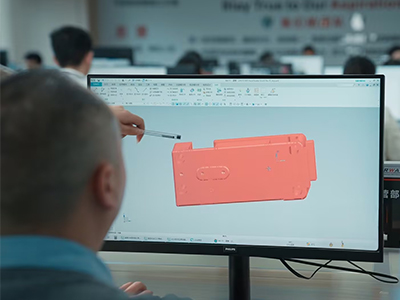
CAD Design
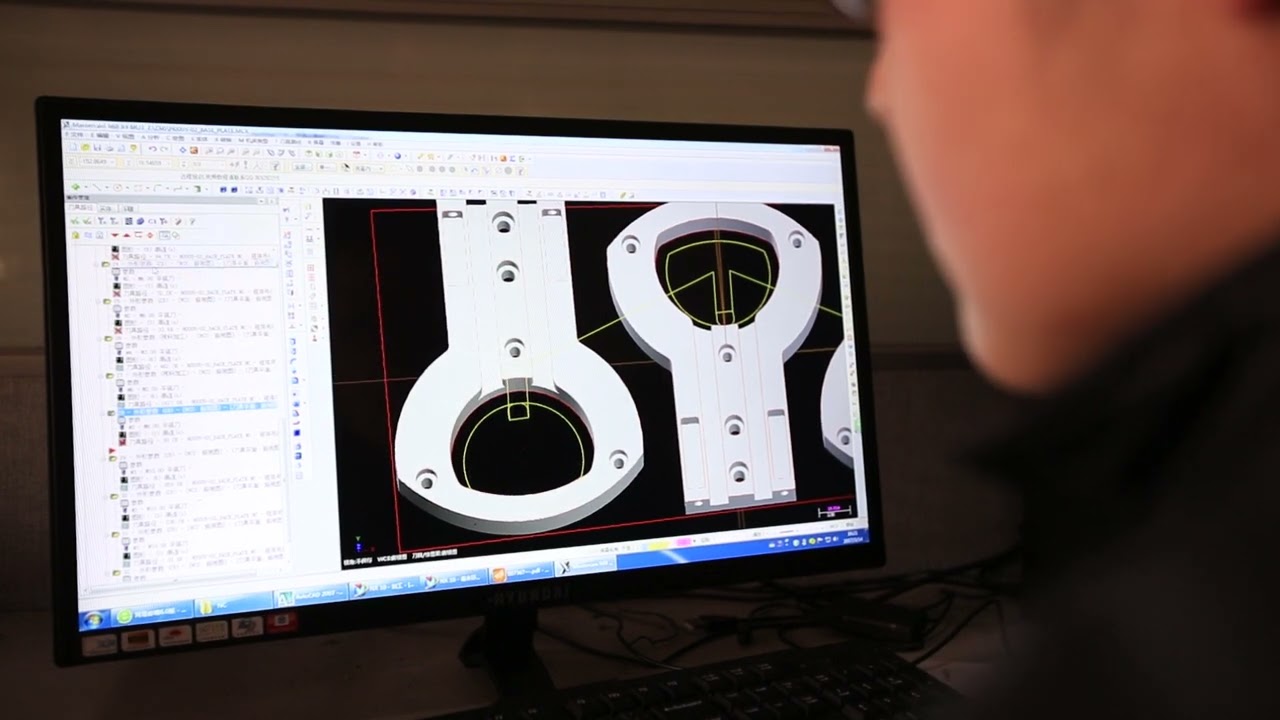
Review drawing revision, geometry and critical features.


Sheet Metal Fabrication Design Engineering Project management Assembly Rapid Prototyping Packaging Shipping & Delivery
CNC Machining Design Engineering Project management Assembly Rapid Prototyping Packaging Shipping & Delivery
Plastic Injection Molding Design Engineering Project management Assembly Rapid Prototyping Packaging Shipping & Delivery
Milling, turning, grinding and secondary operations, coordinated around your part geometry, material and critical fits.
Share your drawings, material and critical requirements for project review.
Geometry-led process selection
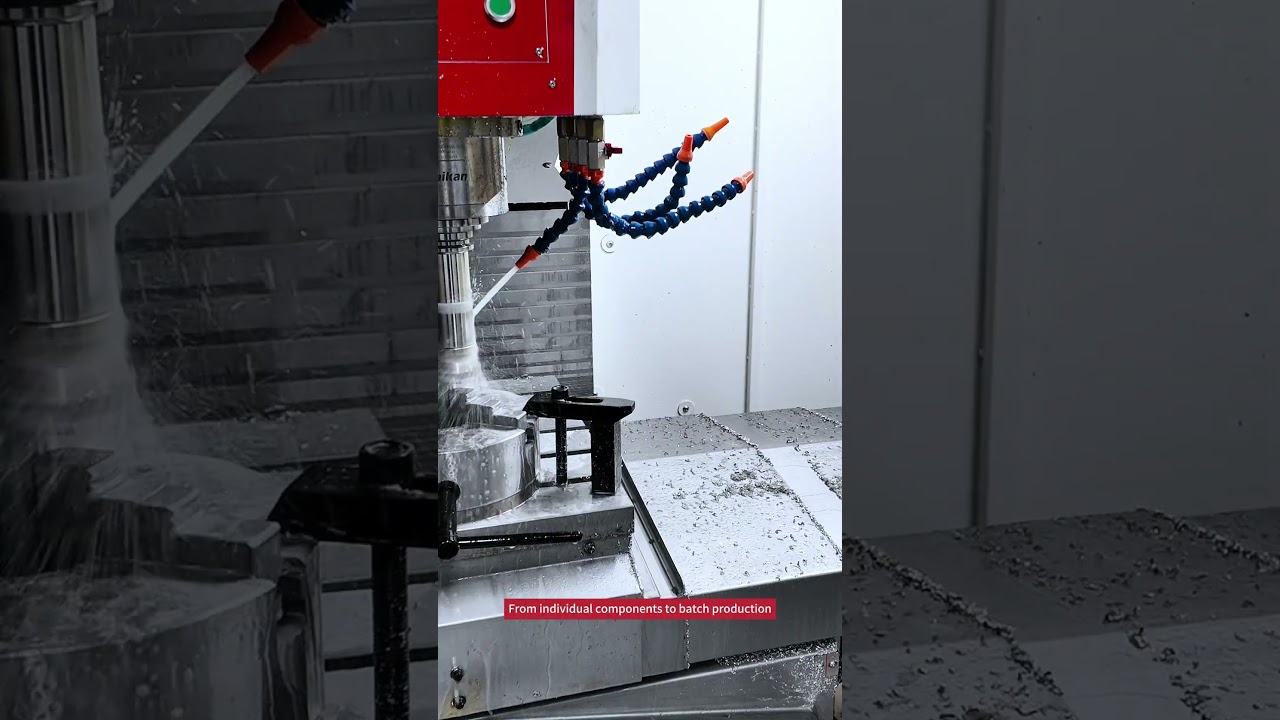
At STARWAY MFG GROUP, we review your part geometry, material and critical features before selecting a machining route. Our team coordinates CNC milling, turning, grinding and secondary operations so you receive consistent parts, inspection evidence and a clear path from prototype to production.
Request a CNC Machining QuoteFrom drawing to delivery
At STARWAY MFG GROUP, we review your part geometry, material and critical features before selecting a machining route. Our team coordinates CNC milling, turning, grinding and secondary operations around your drawing and delivery requirements. For prototypes, the review focuses on manufacturability and the features needed to evaluate fit and function. For production orders, it also considers repeatability, inspection checkpoints and finishing requirements. Share your current drawings, quantities and target schedule so we can discuss a practical route from initial samples to repeat orders, with inspection records defined for your project.
Review drawing revision, geometry and critical features.
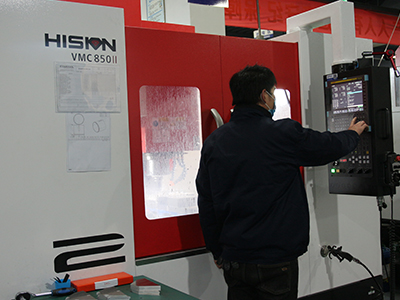
Plan setups, tooling, workholding and machining sequence.
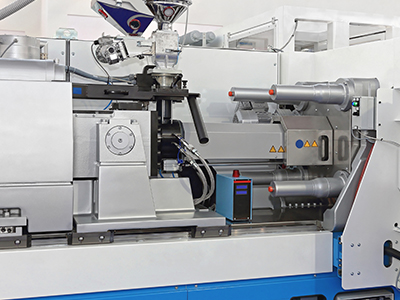
Machine the agreed features with controlled process parameters.
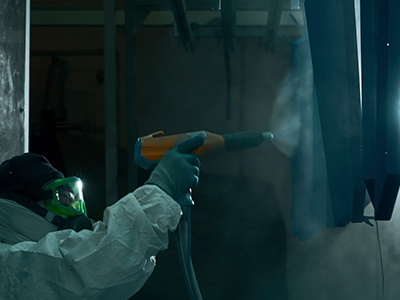
Apply the specified finish while protecting critical surfaces.
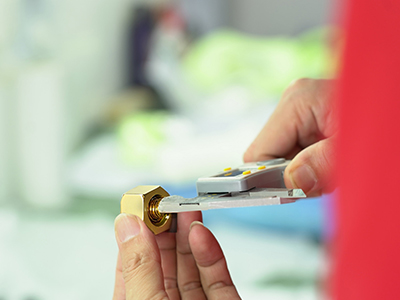
Complete agreed assembly and mating-part checks.
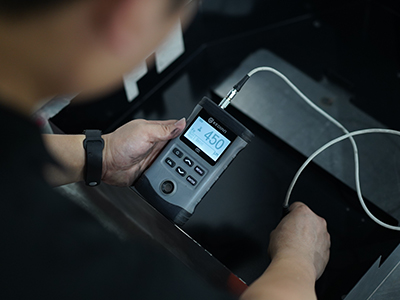
Verify dimensions, roughness, finish and records.
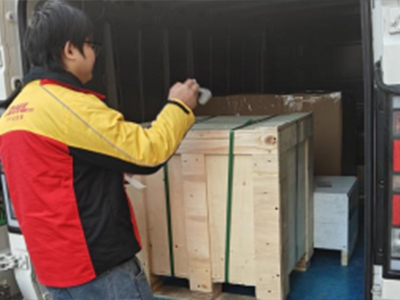
Protect, pack and release documented parts for shipment.
Match the route to the part
Start with part geometry, size, quantity and critical features; some parts need more than one operation.
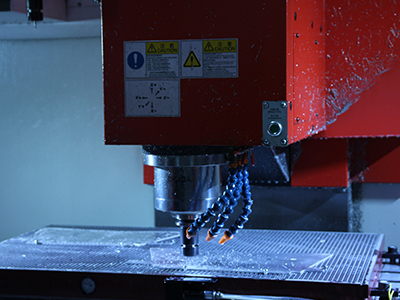
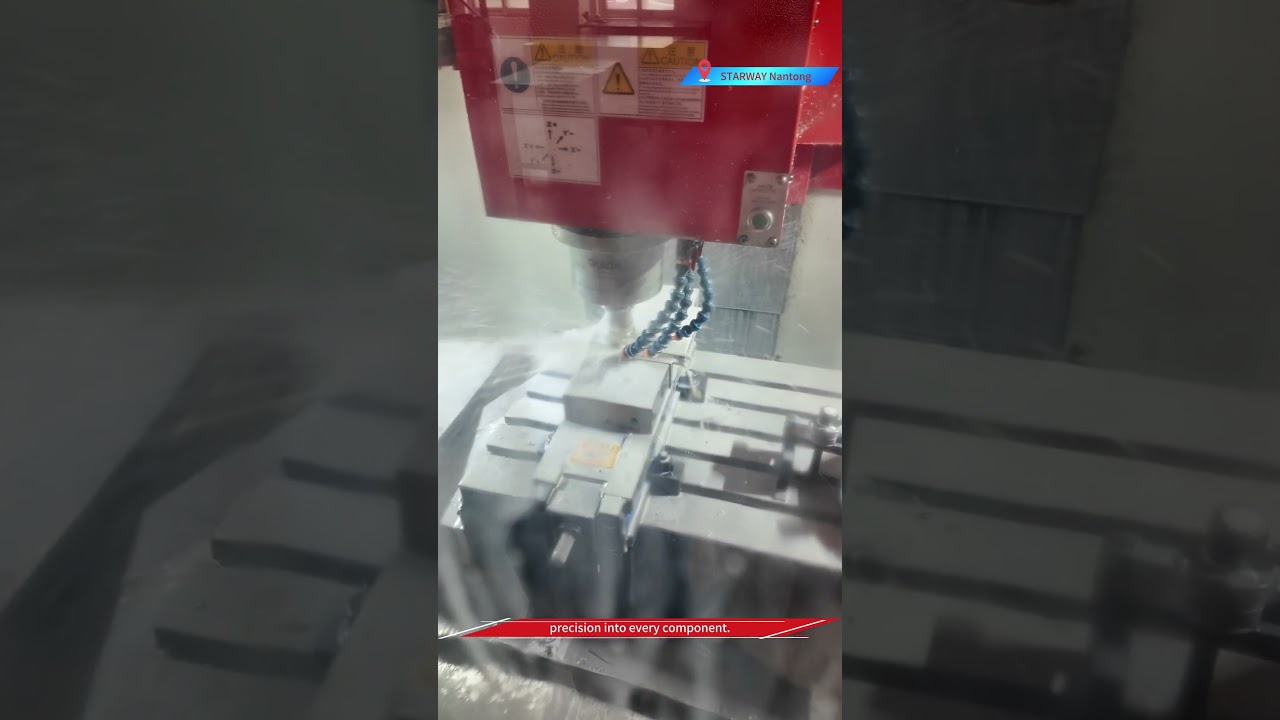
For housings, pockets, flat faces and multi-sided features. Review hole locations, tool access and the relationship between critical surfaces.
Explore CNC Milling →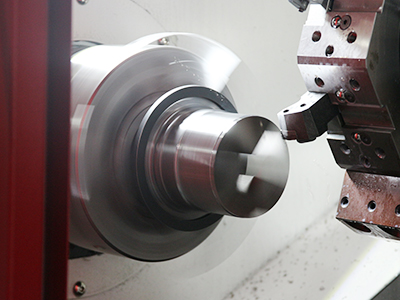
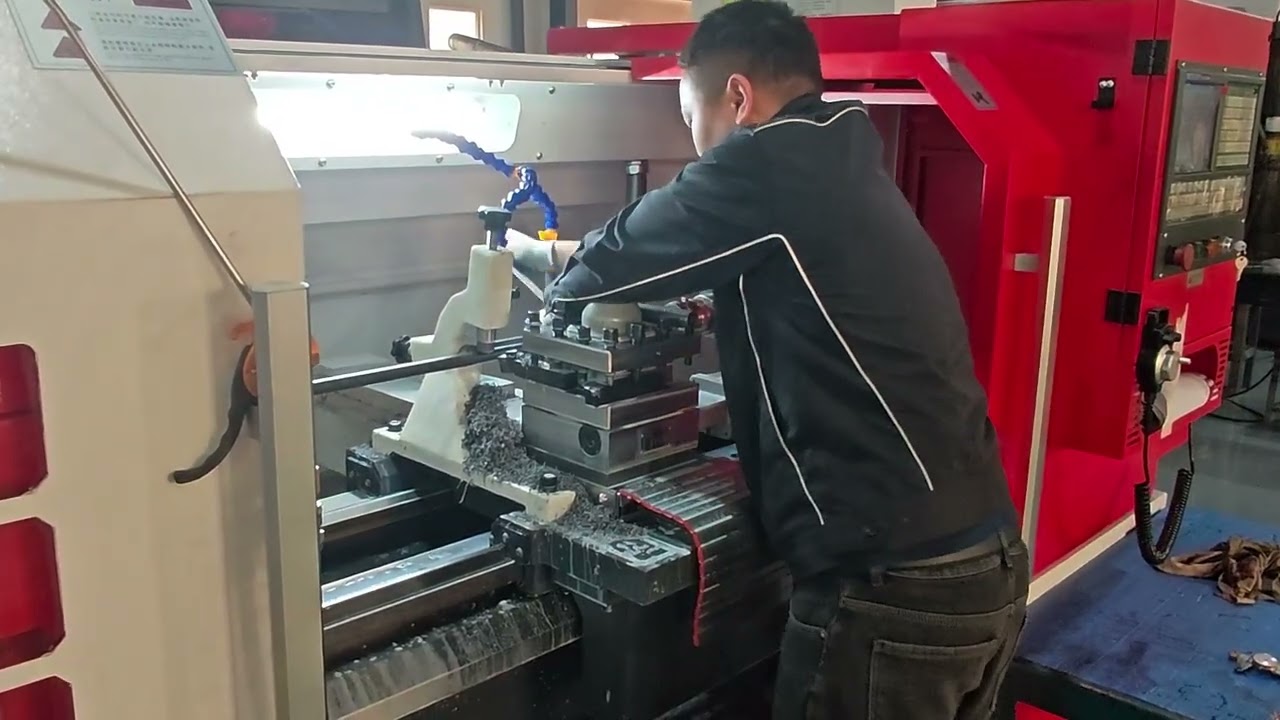
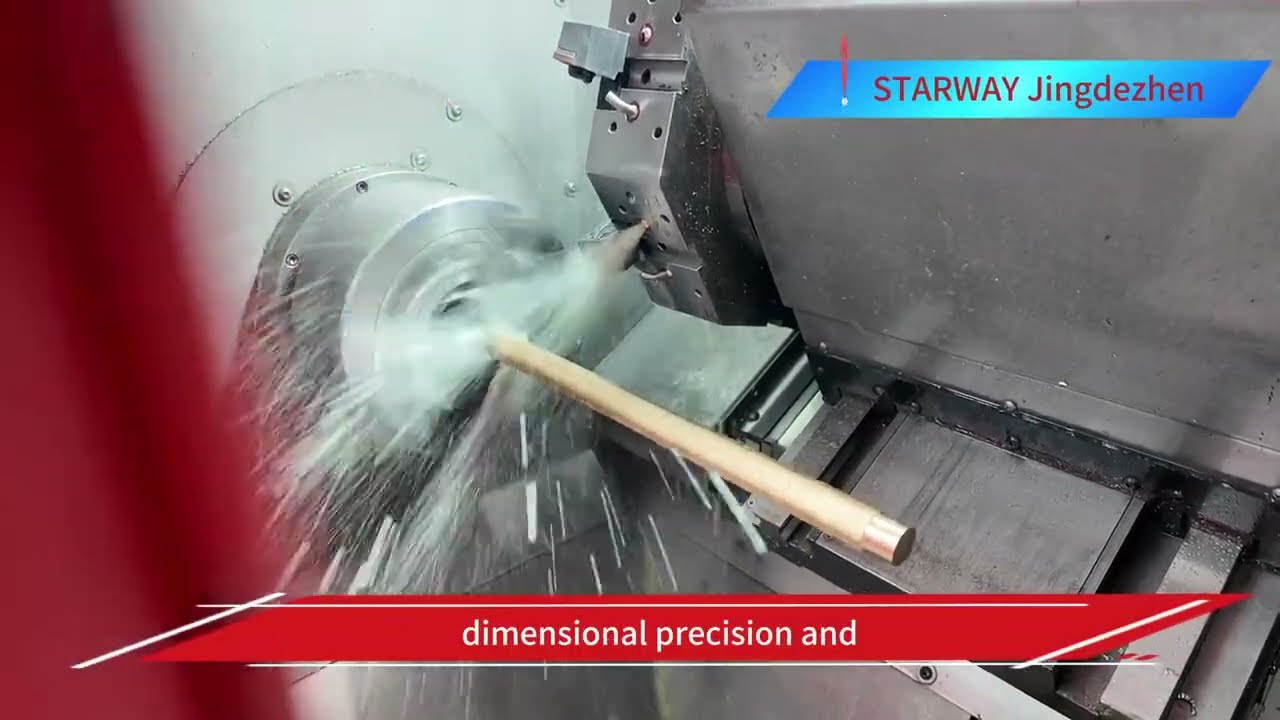
For shafts, sleeves, bores and threaded parts. Review stepped diameters, thread details and alignment between features sharing a common axis.
Explore CNC Turning →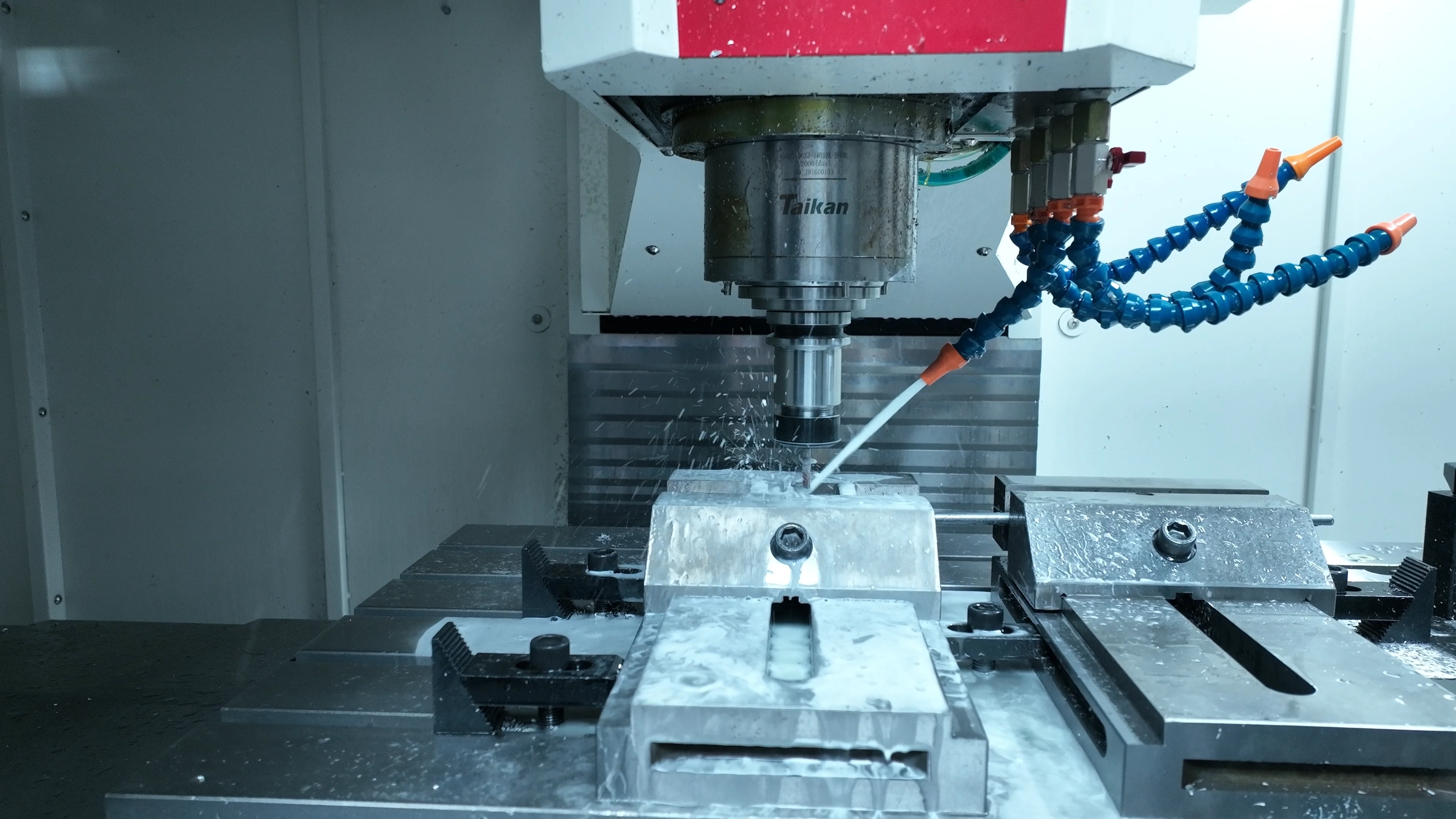
For critical flat or cylindrical mating surfaces. Review final dimensions, geometric tolerances, surface roughness and material condition.
Explore CNC Grinding →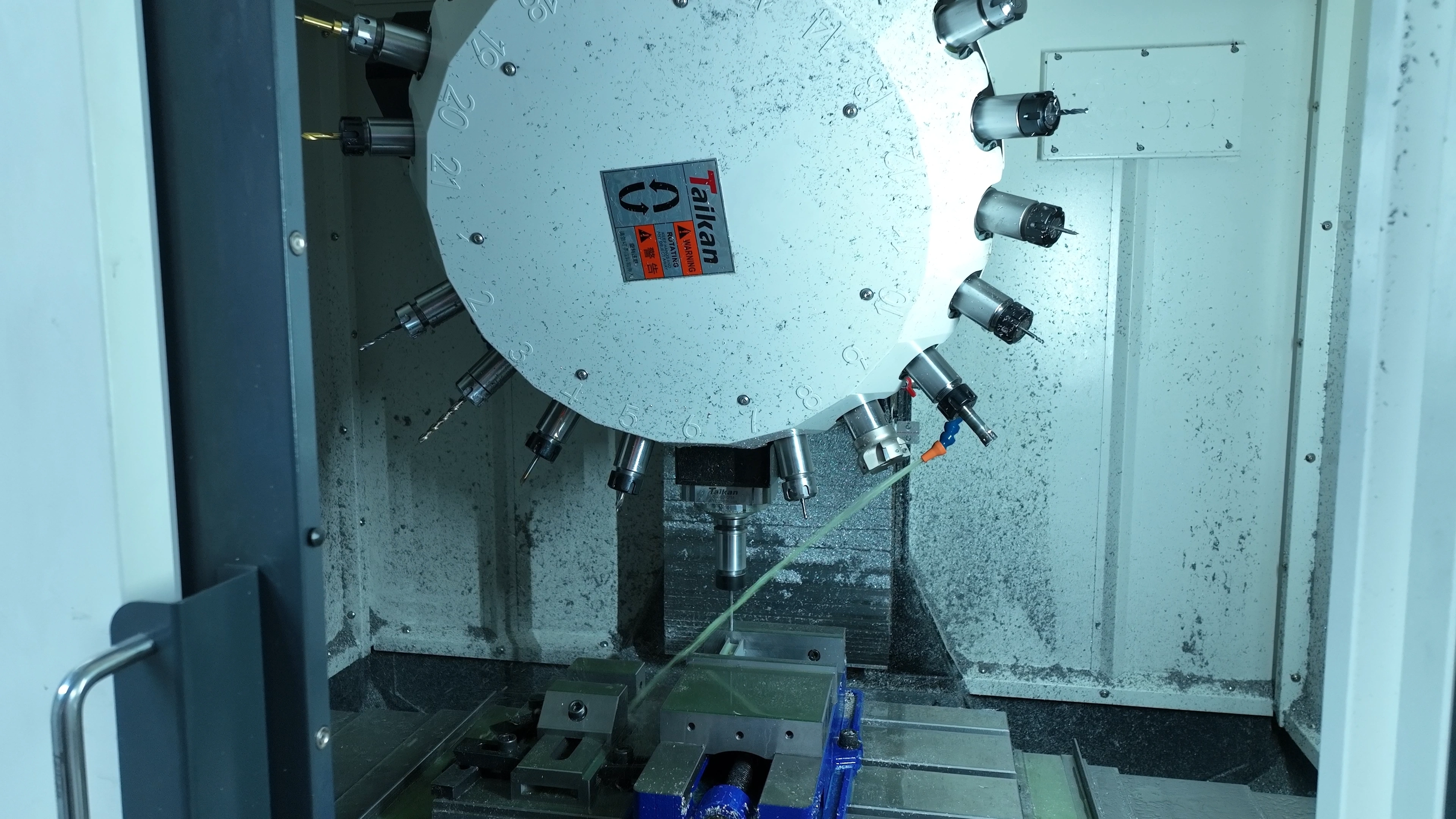
For features requiring additional operations, such as gear cutting or wire EDM. Review the feature geometry and its relationship to other machined surfaces.
Explore General Machining →Send your drawing with the material, quantity and critical features. Our team can review the machining route with you.
Project-ready specifications
Specify material grade, function and final delivery condition together—they shape machining, finishing and inspection.
| Material Group | Examples for Project Review |
|---|---|
| Aluminum | 6061, 6082, 7075 |
| Stainless Steel | 304, 316/316L, 17-4PH |
| Carbon and Alloy Steel | Grade 45 steel, 42CrMo |
| Brass and Copper | Specify the required alloy designation |
| Engineering Plastics | POM, ABS, PA, PEEK |
Material availability and suitability are confirmed during quotation review. Alternative grades require approval before use.
Mark critical bores, shaft diameters, hole positions, threads and mating faces. Include datums, geometric tolerances and surface roughness where required. Precision CNC machining requirements should be assigned to the relevant features rather than applied as one tolerance to the entire part.
State the exact grade, temper, hardness or supplied condition. Identify any heat treatment, certification or traceability requirements that affect machining and final acceptance.
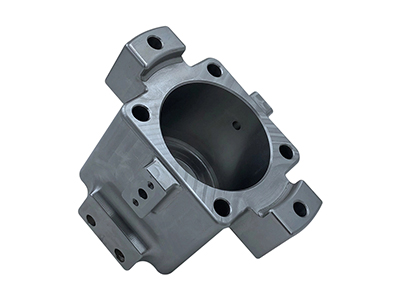
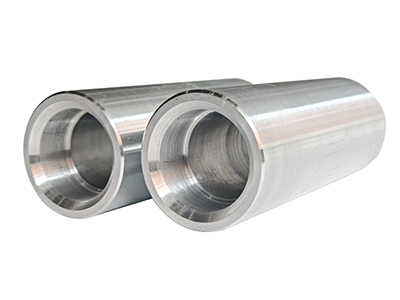
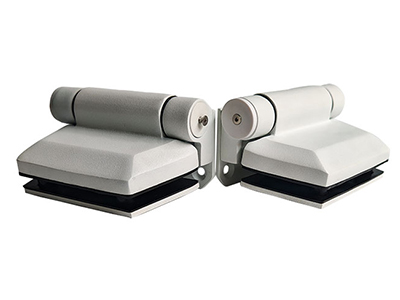
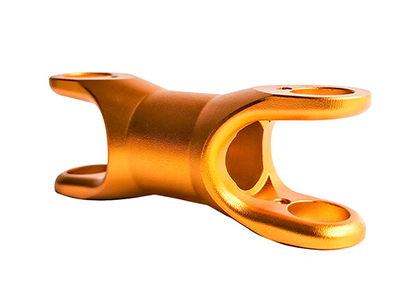
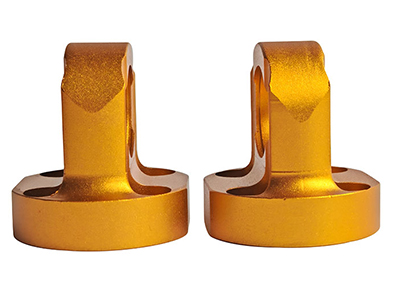
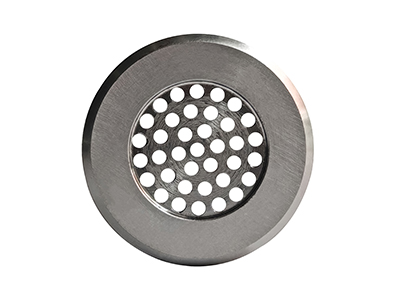
Specify the required finish and identify surfaces that need masking or protection. Anodizing, plating, black oxide, blasting, painting and powder coating must be reviewed for compatibility with the selected material and functional surfaces.
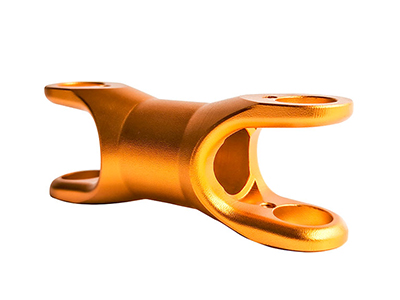
Anodizing
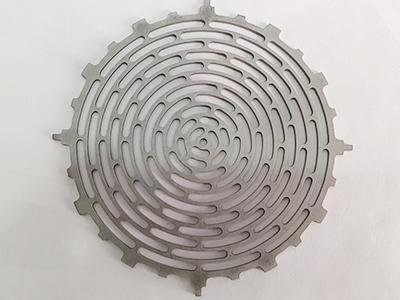
Bead Blasting
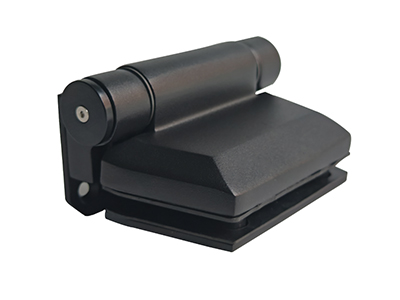
Black Oxide
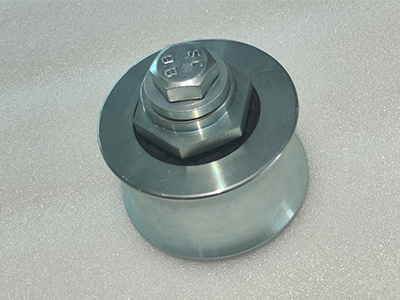
Electro Plating
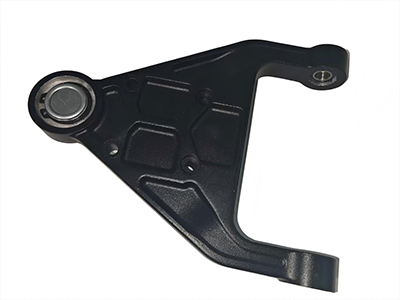
Painting
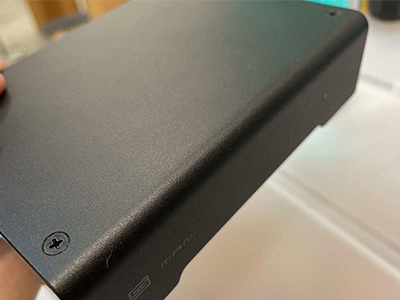
Powder Coating
Final fit: Confirm whether critical dimensions and roughness requirements apply before or after finishing. Coating thickness and heat treatment may affect final fit.
Inspection planned with the part
Plan CNC machining with inspection around the features that matter, with acceptance criteria and records agreed before production.

Features, tolerances and inspection methods.
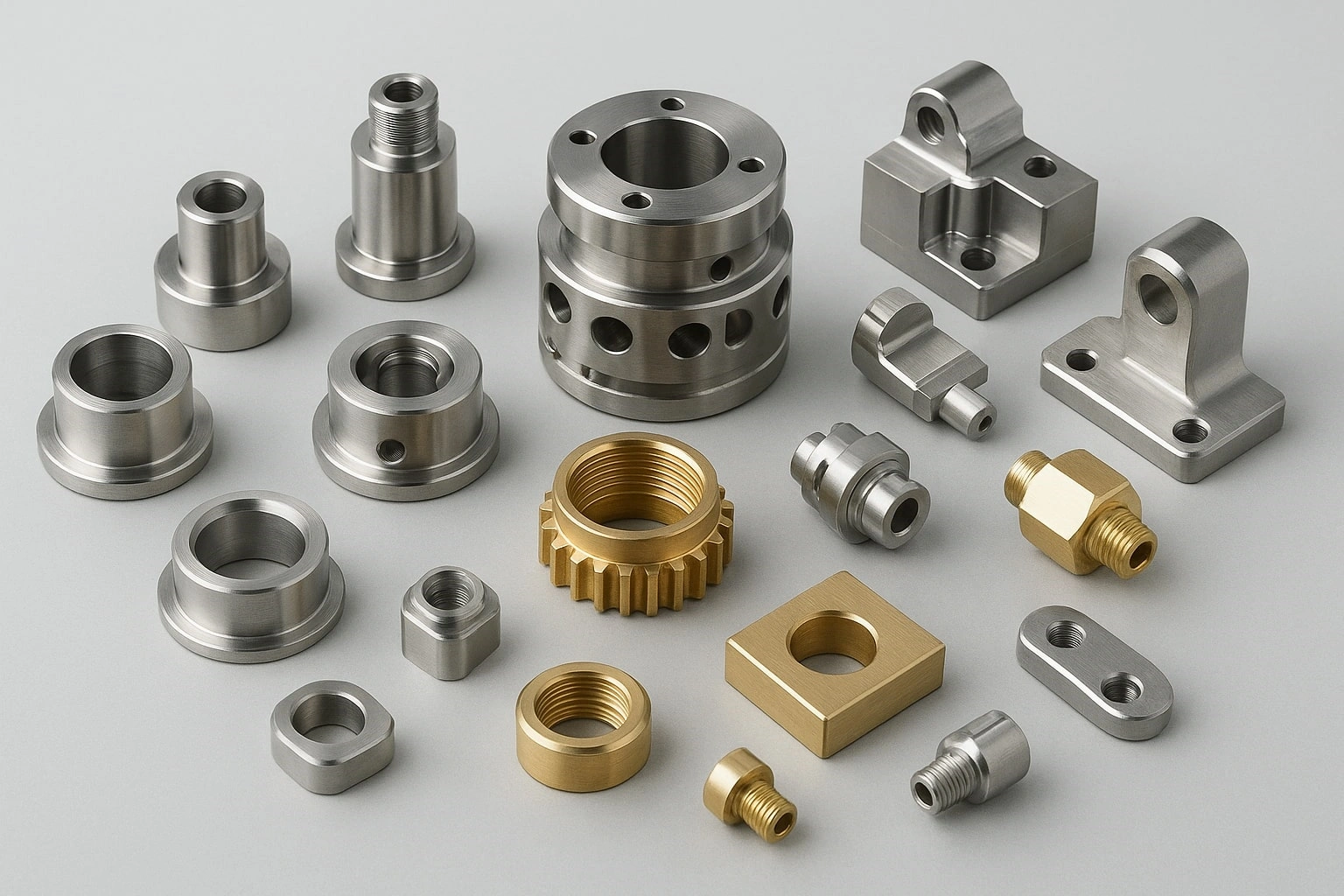
Required surfaces, values and measurement method.

Report format, material records and traceability scope.

Sampling frequency or specified 100% checks.
Project-specific inspection: Inspection scope and documentation are project-specific. Identify any first-article report, full dimensional report or special testing requirement during quotation.
A documented route
Follow a documented part from drawing review through machining, finishing and final inspection.
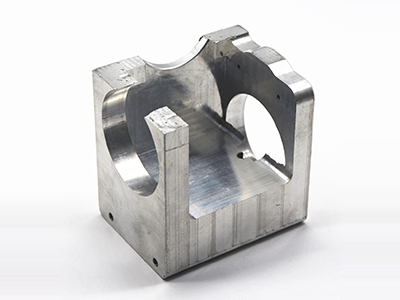
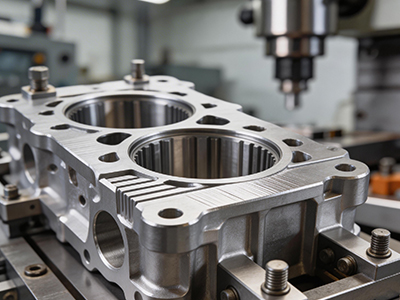
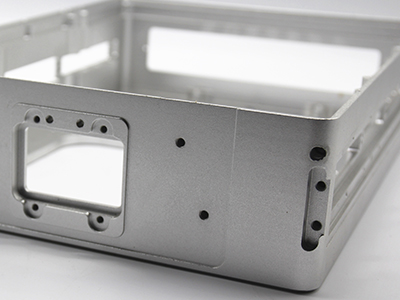

Share your drawing and critical features to review machining, finishing and inspection together.
Frequently asked questions
Milling generally suits pockets, flat faces and features on multiple sides. Turning suits shafts, sleeves and other rotational features. Grinding may be needed for specified mating surfaces, final dimensions or roughness. Share your drawing, overall dimensions, material and quantity so the required combination of operations can be reviewed.
We review aluminum, stainless steel, carbon and alloy steel, brass, copper and engineering plastics such as POM, ABS, PA and PEEK. Specify the exact grade, condition and any documentation requirements. Material availability and suitability are confirmed during quotation; substitutions require approval.
Achievable tolerances depend on the feature, material, dimensions, geometry and manufacturing sequence. Mark critical fits, datums, geometric tolerances and roughness on the drawing. We review these requirements individually and confirm the machining and inspection approach before accepting the order.
Yes. Prototype and production CNC machining can be reviewed for functional samples, pilot batches and repeat orders. Provide the quantity needed at each stage and identify the features used for evaluation. Drawing revisions, sample approval requirements and production inspection needs should be agreed before scaling.
Options for review include anodizing, blasting, plating, black oxide, painting and powder coating, depending on the material and application. Specify the finish, cosmetic areas and surfaces requiring protection. Confirm whether dimensions and roughness apply before or after finishing, particularly for threads and precision fits.
Inspection is planned against the approved drawing and agreed acceptance criteria. It may include first-article checks, in-process measurements and final verification of critical dimensions, roughness and finish. Specify report formats, traceability and any sampling or 100% inspection requirements during quotation review.
Lead time depends on drawing readiness, material availability, part complexity, quantity, finishing and inspection requirements. Provide your target delivery date when requesting a quote. The production schedule and any sample approval stages are confirmed after technical review; shipping time should be considered separately.
Send a 3D model and dimensioned 2D drawing where available, together with material grade, quantity and drawing revision. Identify critical tolerances, threads, surface roughness, finishing and inspection requirements. Include your target delivery date and mating-part information where it affects fit or acceptance.

This website uses cookies to provide you with a personalized browsing experience and analyze website traffic. By clicking "Accept", you agree to our use of cookies.