


 Global
Threads and Mounting Holes
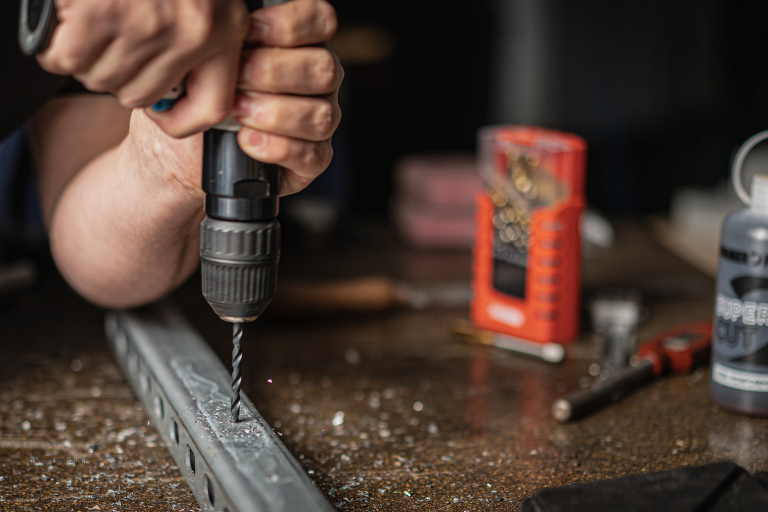
Specify thread sizes, hole dimensions and critical locations. Identify the features that locate or secure mating components.


Sheet Metal Fabrication Design Engineering Project management Assembly Rapid Prototyping Packaging Shipping & Delivery
CNC Machining Design Engineering Project management Assembly Rapid Prototyping Packaging Shipping & Delivery
Plastic Injection Molding Design Engineering Project management Assembly Rapid Prototyping Packaging Shipping & Delivery

Assembly-ready sheet metal
Complete custom parts with sheet metal secondary operations: tapping, drilling, self-clinching fastener installation and riveting. Share drawings and BOM for review.
Start with your requirements
Share your drawing, thread details and fastener list so we can review assembly requirements.
Define the assembly condition
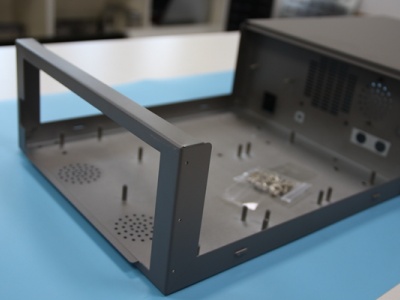
Assembly-ready sheet metal parts start with clear thread, hardware and connection details, consistent across drawing, BOM and assembly references.
Specify thread sizes, hole dimensions and critical locations. Identify the features that locate or secure mating components.

Provide the manufacturer, full part number and quantity for each installed fastener. Include specified material and finish requirements.
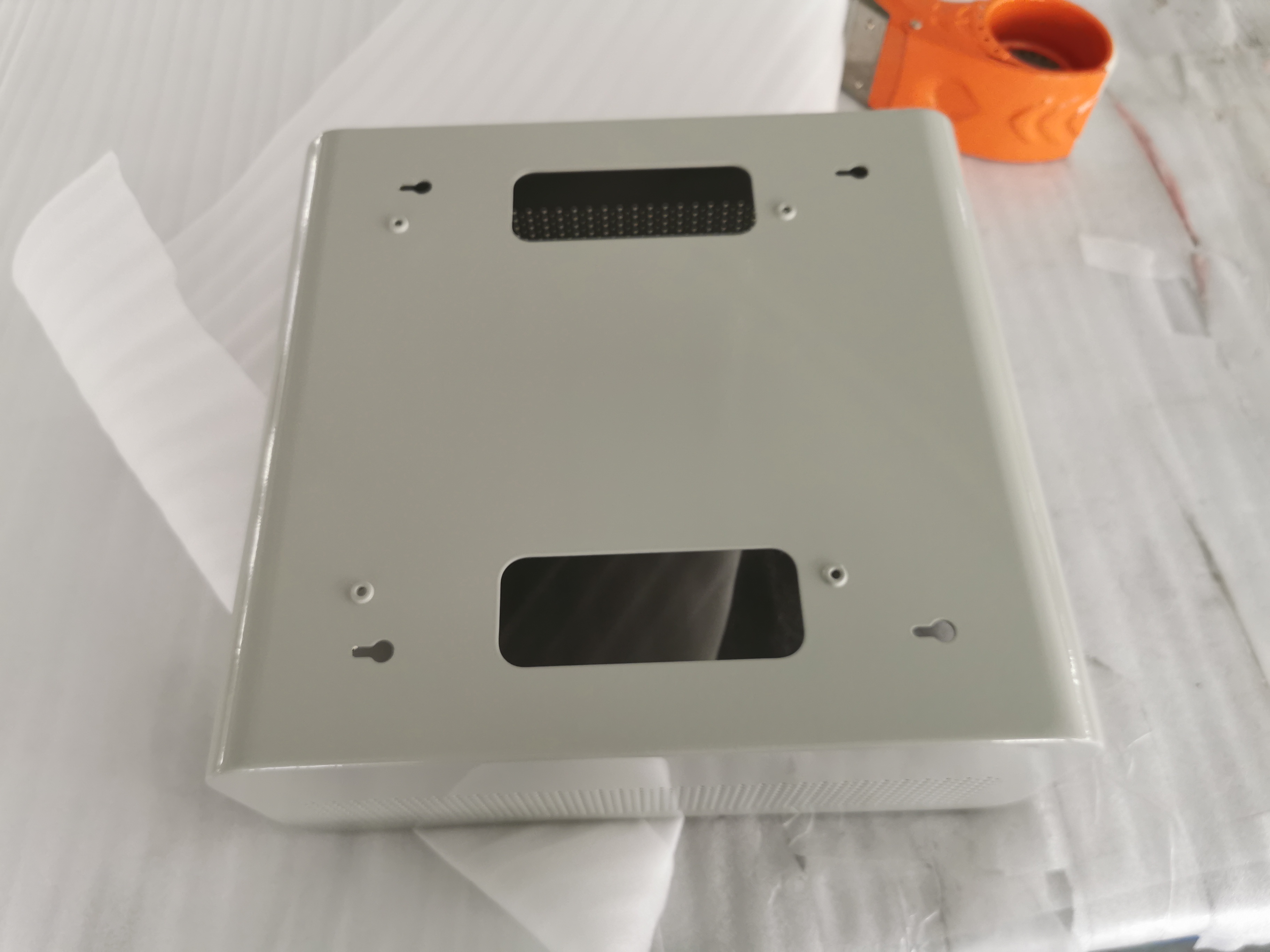
Match hardware items to the BOM and assembly drawing. Show installation locations, orientation and the current document revisions.
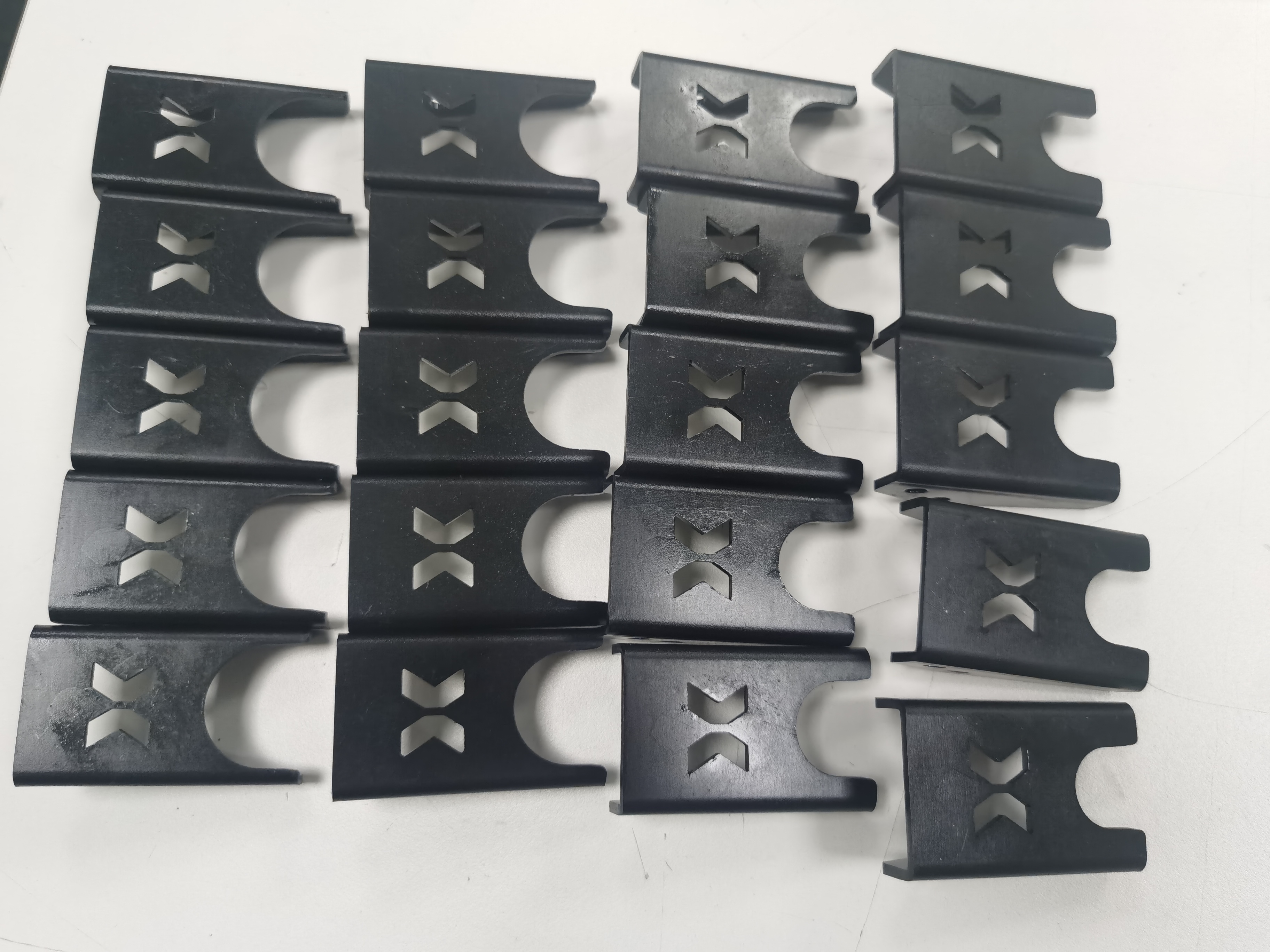
State whether hardware will be customer-supplied or sourced for the project. Confirm purchasing responsibilities and approval requirements for alternatives.
Hole and thread definition
Tapping and drilling for sheet metal parts should be reviewed around thread engagement, hole accuracy and access after forming.
For sheet metal tapping, provide the thread standard, size, pitch and tolerance class where required. Identify through or blind threads and the usable thread depth.
For sheet metal drilling, specify finished hole diameter, positional requirements and inspection datums. Identify any holes that require drilling or reaming after initial cutting.
Check available thread engagement against sheet thickness and connection requirements. Nearby bends, short flanges and restricted access may affect the operation or fastening choice.
Identify threads and mating surfaces that require protection during coating or finishing. Confirm inspection requirements for the final delivery condition.
Installed hardware
Review self-clinching fastener installation and sheet metal riveting against the sheet material, thickness and connection geometry.
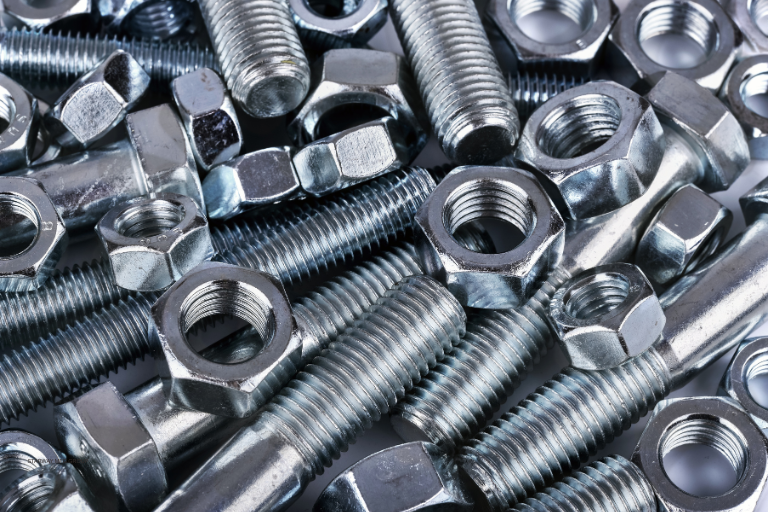
Add internal threads to sheet metal mounting points. Review the selected nut, sheet thickness, hardness and installation-hole requirements together.
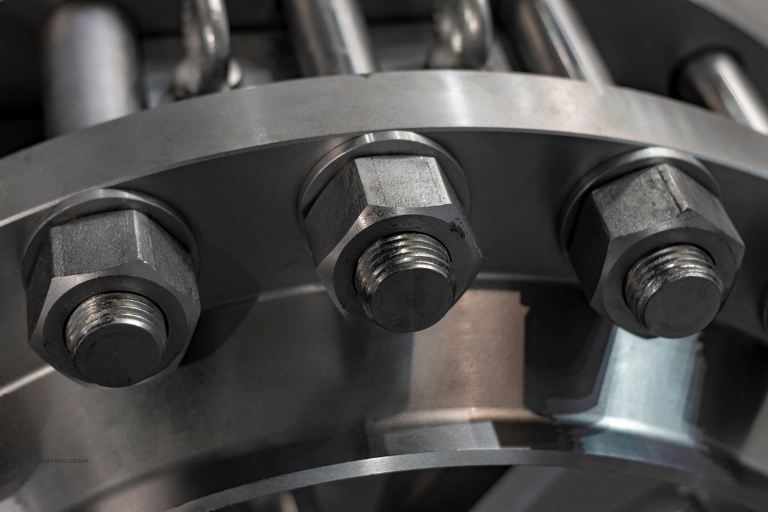
Provide fixed external threads for mounting components. Specify thread size, projection length, installation side and clearance.
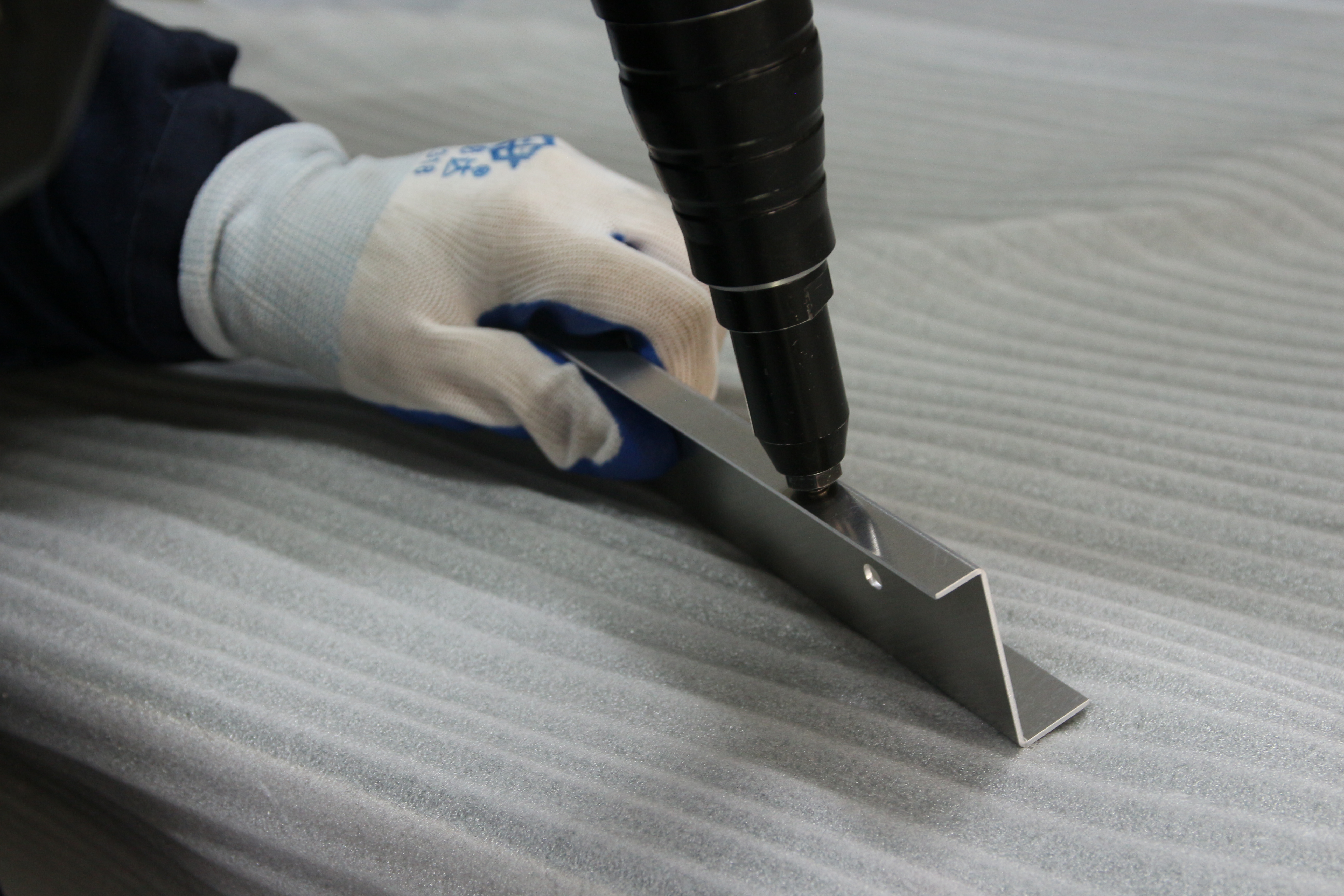
Create spacing between panels or mounted components. Confirm length, thread details, orientation and mating-part clearance.
Join sheet metal components using the specified rivet. Review total grip thickness, hole preparation and installation access.
Specified PEM Fasteners: For PEM fastener insertion, give the full part number and location. Installation follows the product's sheet and hole specifications.
Share your drawing and hardware list to discuss installation compatibility and assembly access.
Four-step review
Check assembly features against the approved drawing, BOM and agreed inspection requirements.
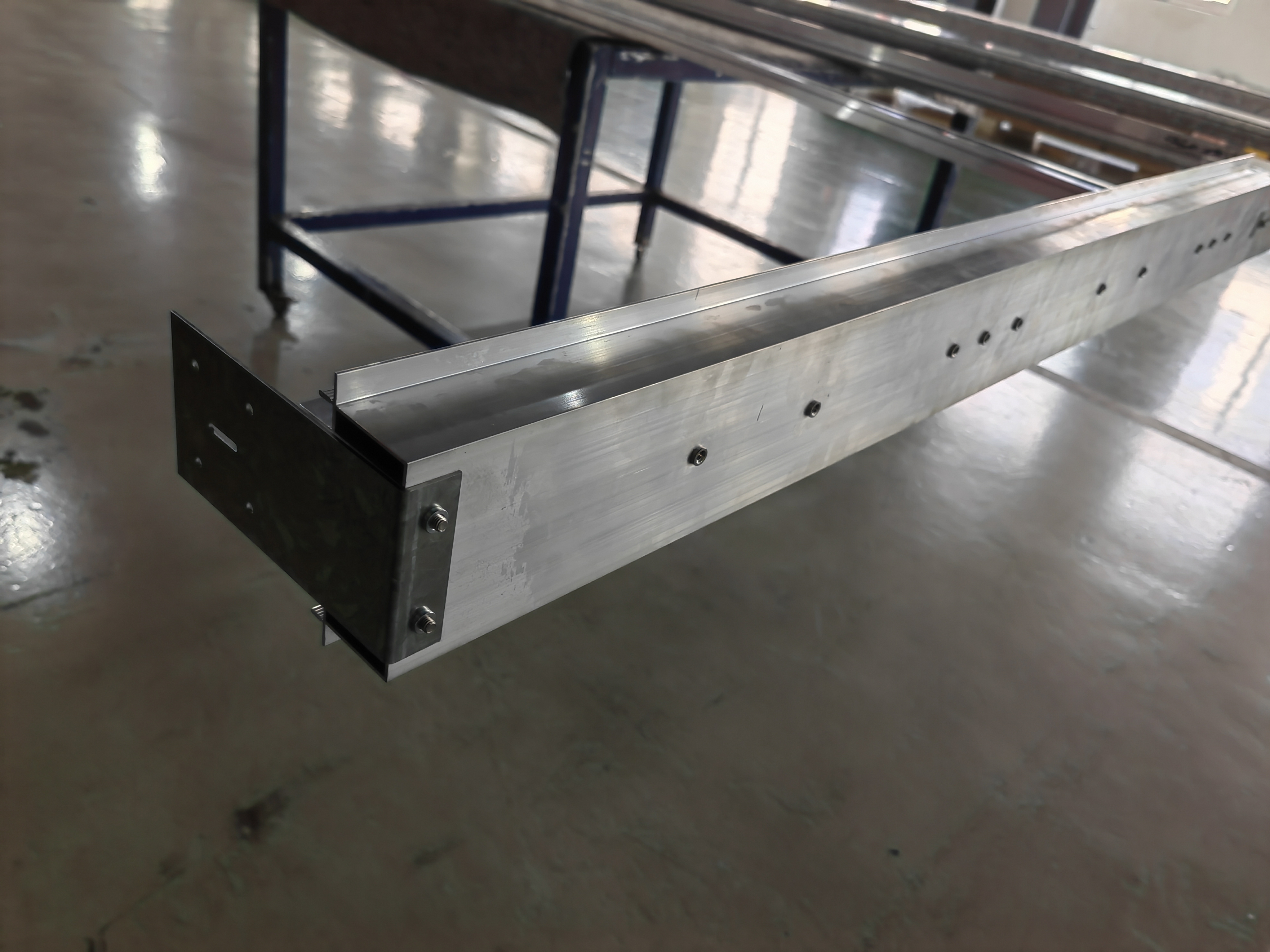
Confirm drawing revisions, thread specifications and fastener models.
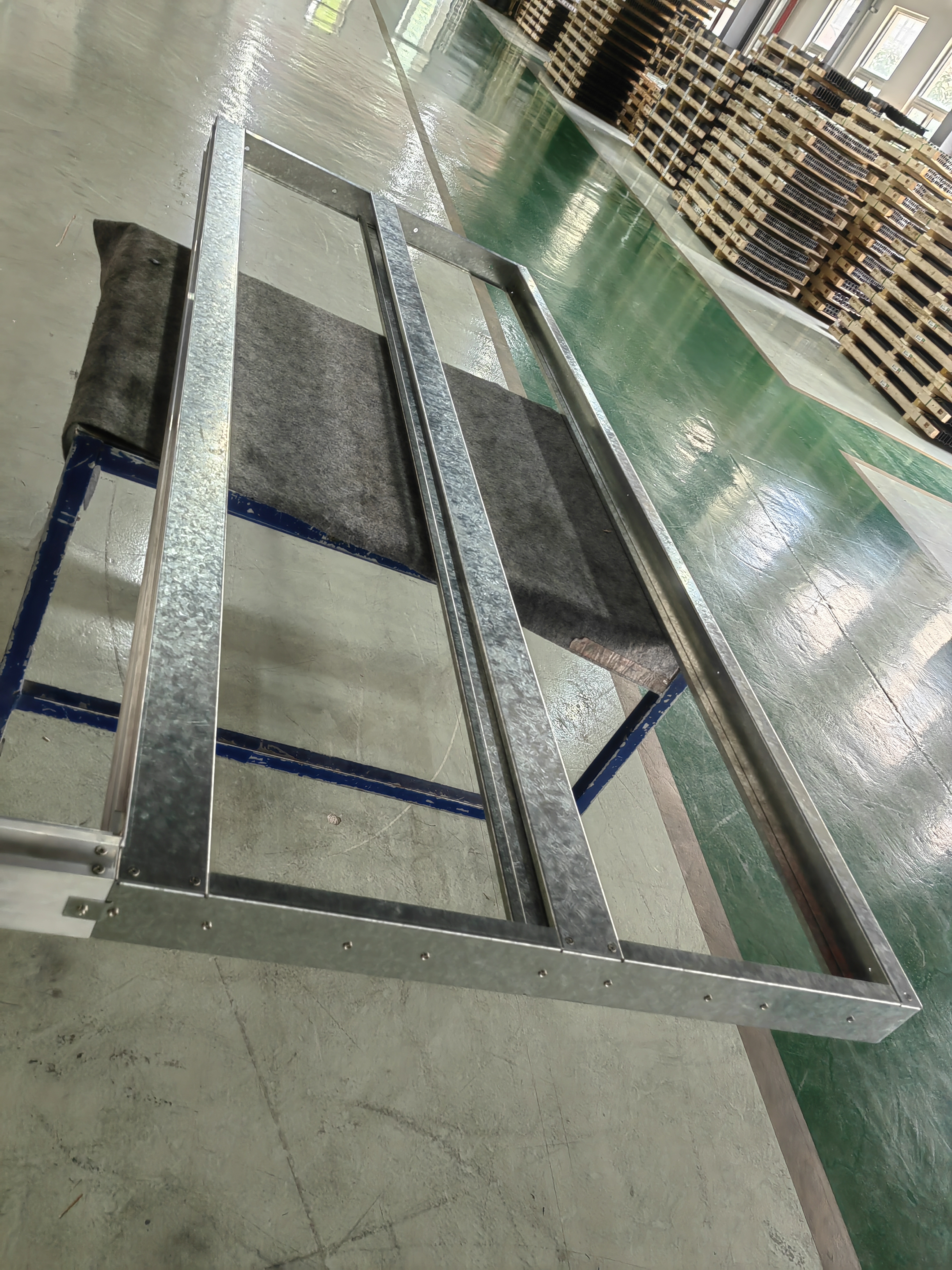
Inspect specified thread and hole features against the agreed criteria.
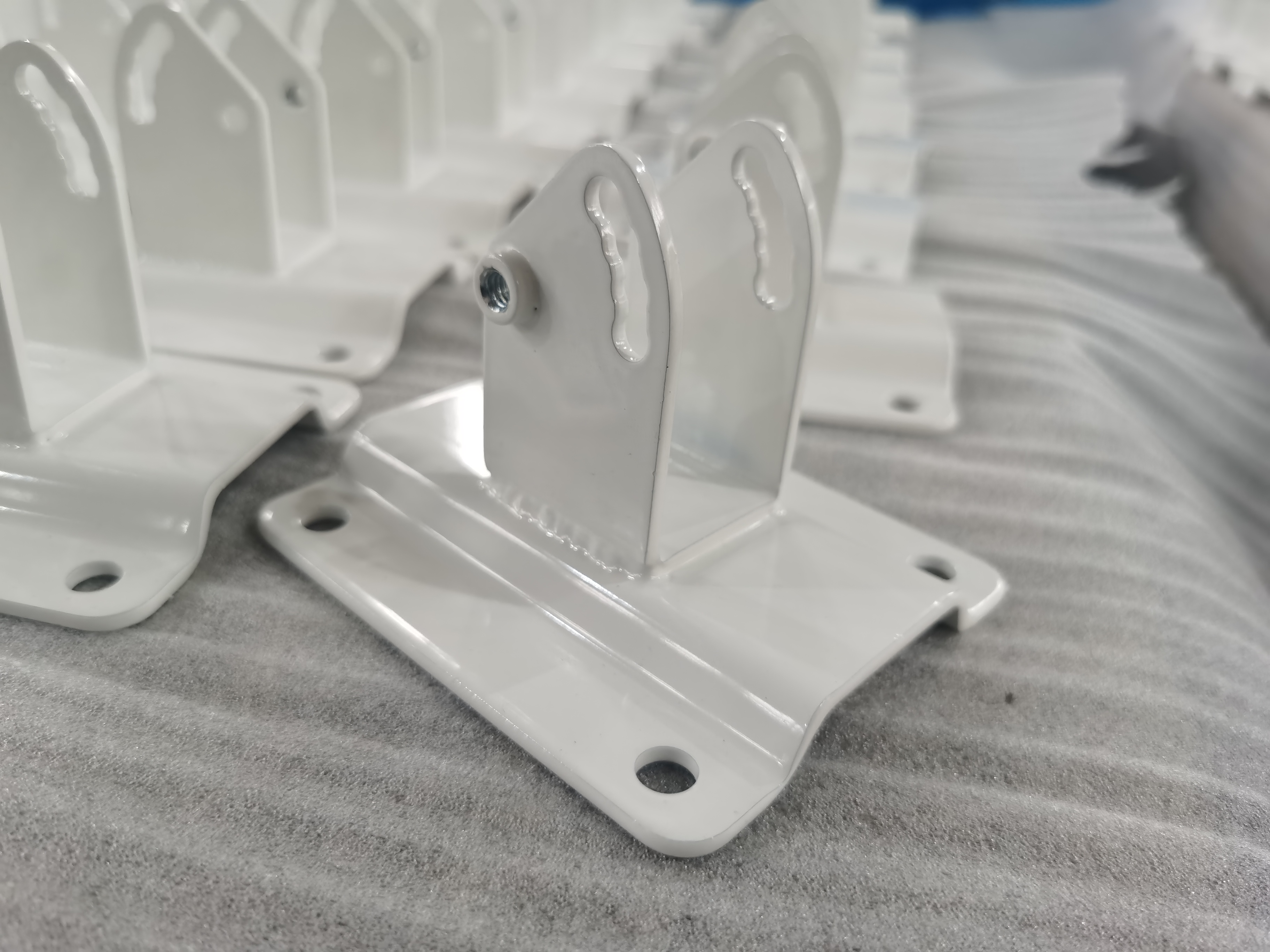
Check fastener quantity, orientation and seating against the drawing.
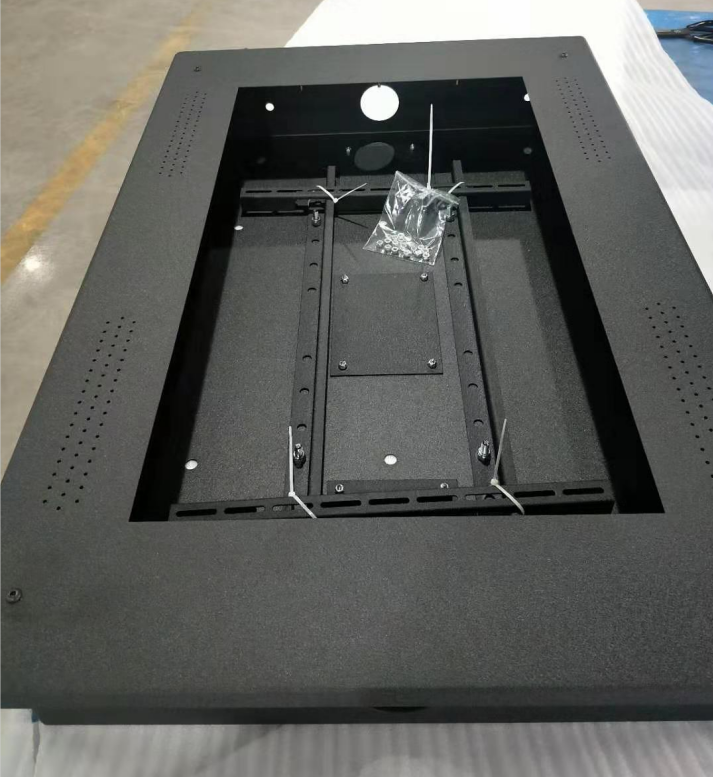
Check critical clearances and mating positions using the provided references.
Retention testing: Specify any push-out, torque-out or retention tests at quotation; methods and acceptance criteria are agreed before production.
Coordinated part specification
See how secondary operations for assembly-ready enclosures bring threaded features, installed hardware and mating interfaces into one coordinated part specification.
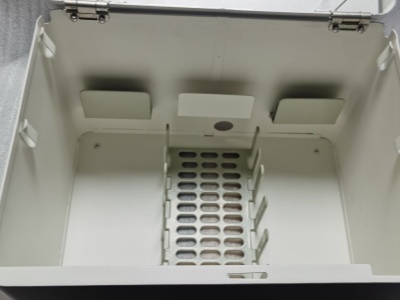
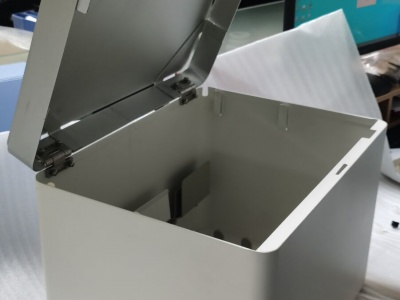
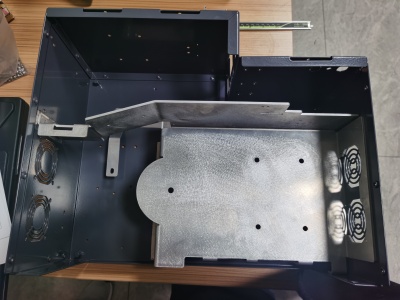
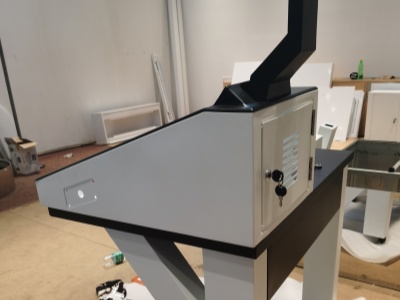
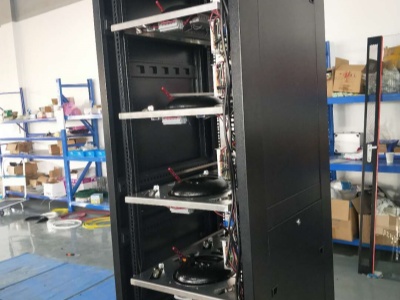
Send your drawing, BOM and hardware requirements to discuss the remaining operations.
Manufacturing videos
See sheet metal secondary operations, installed hardware and assembly inspection in production.
Project review
Upload your part drawing, BOM and assembly references to discuss sheet metal secondary operations for your project.
Frequently asked questions
STARWAY reviews sheet metal tapping, drilling, self-clinching fastener installation and riveting for custom parts. Share your drawings and assembly requirements so we can assess the operations, access and manufacturing sequence needed for the next assembly stage.
Specify thread standards, sizes, pitches and usable thread depths, together with finished hole dimensions and inspection datums. Identify through or blind features and critical mating locations. Nearby bends, sheet thickness and tool access should also be considered during review.
Suitability depends on material, thickness, required thread engagement and connection requirements. Direct tapping may not provide enough engagement for every application. Self-clinching nuts or other fastening options can be reviewed where additional thread engagement is needed.
Provide the complete PEM part number, quantity and installation location. Include sheet material, thickness, insertion side and required projection. Installation holes, edge distances and sheet-hardness limits must follow the selected product's specifications. Any alternative fastener requires approval.
Provide the rivet type, material, diameter and specified grip range, together with the combined thickness of the joined parts. Show hole locations, installation direction and available access. Include any load, sealing or cosmetic requirements for joint review.
The sequence depends on the fastener specifications, coating process and final assembly requirements. Review thread protection, coating buildup, installation marks and fastener seating before confirming the route. Mark cosmetic areas and mating surfaces that require protection.
Inspection follows the agreed drawing and BOM requirements. Checks can cover thread features, hole dimensions, hardware identity, quantity, seating and orientation. Mating references help verify assembly fit. Special retention testing requires agreed methods and acceptance criteria before production.
Send part drawings, material and thickness, quantity, thread specifications and the fastener list. Include the BOM, assembly drawing and current revisions where applicable. State the hardware supply arrangement, finishing and inspection requirements, and target delivery date. Each uploaded file must be smaller than 130 MB.

This website uses cookies to provide you with a personalized browsing experience and analyze website traffic. By clicking "Accept", you agree to our use of cookies.


