
 Global
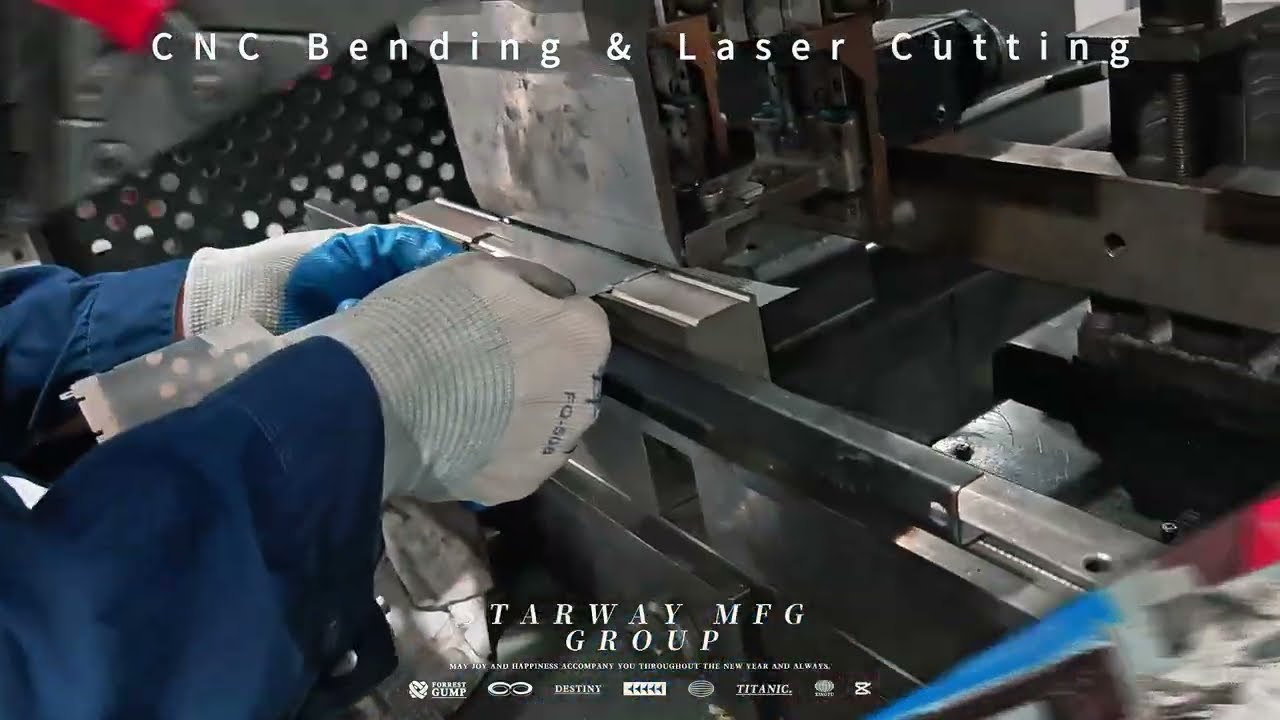
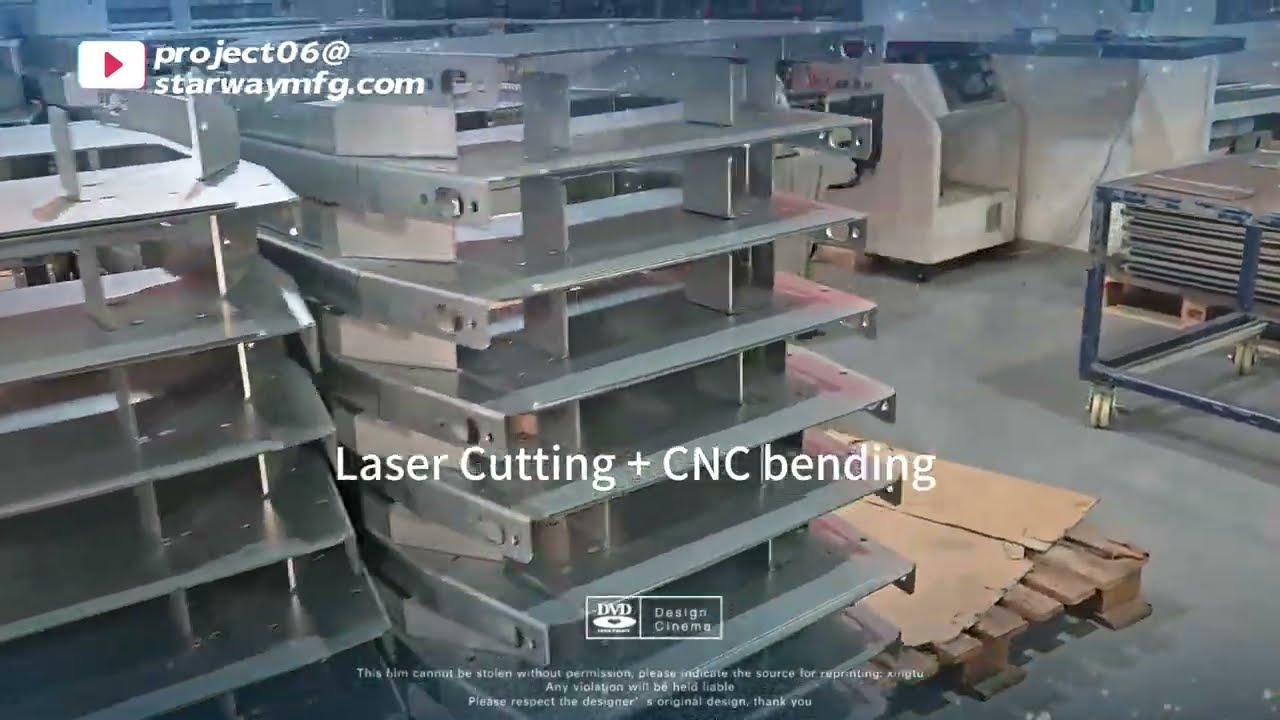
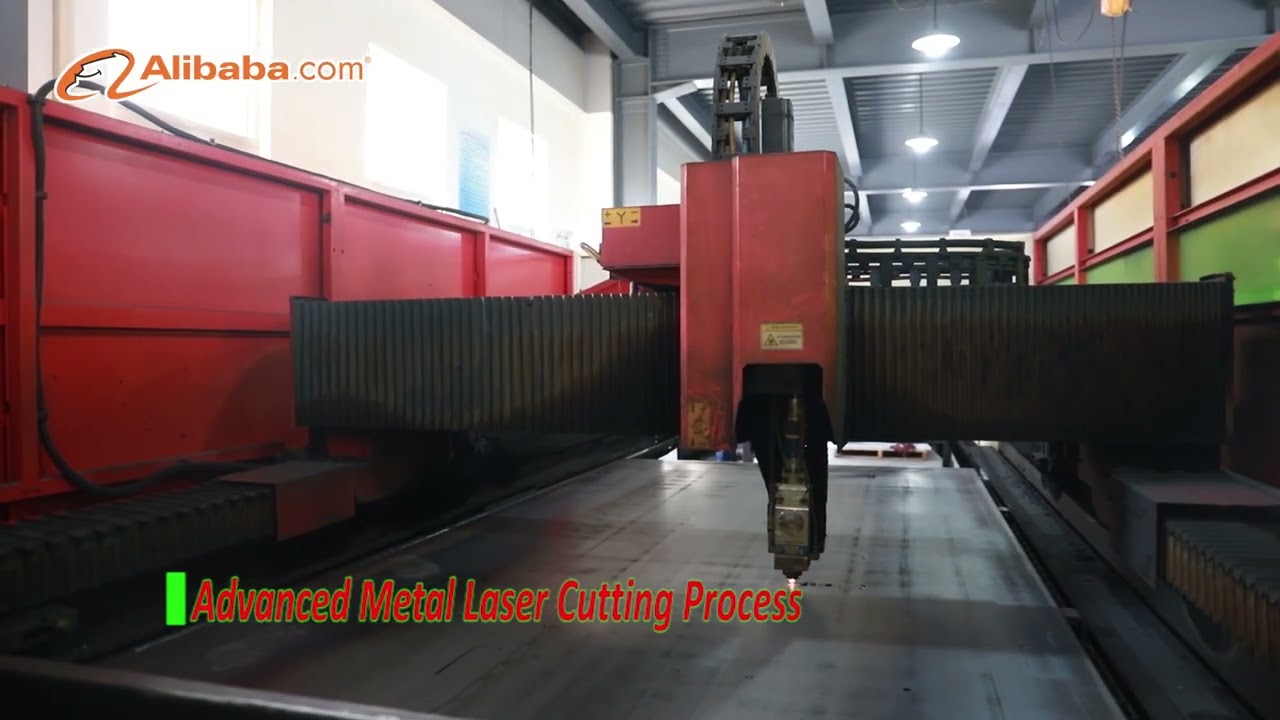
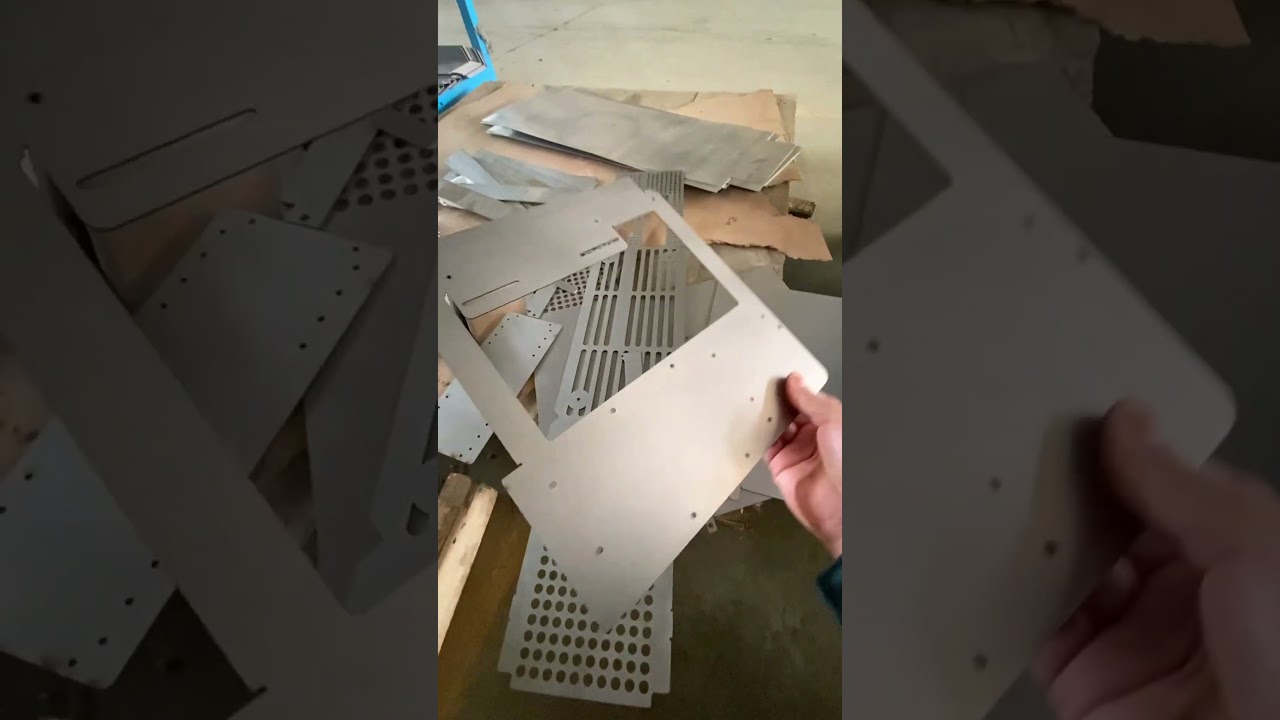
Compare laser cutting and bending with tooling-based options before committing to dedicated tooling.


Sheet Metal Fabrication Design Engineering Project management Assembly Rapid Prototyping Packaging Shipping & Delivery
CNC Machining Design Engineering Project management Assembly Rapid Prototyping Packaging Shipping & Delivery
Plastic Injection Molding Design Engineering Project management Assembly Rapid Prototyping Packaging Shipping & Delivery
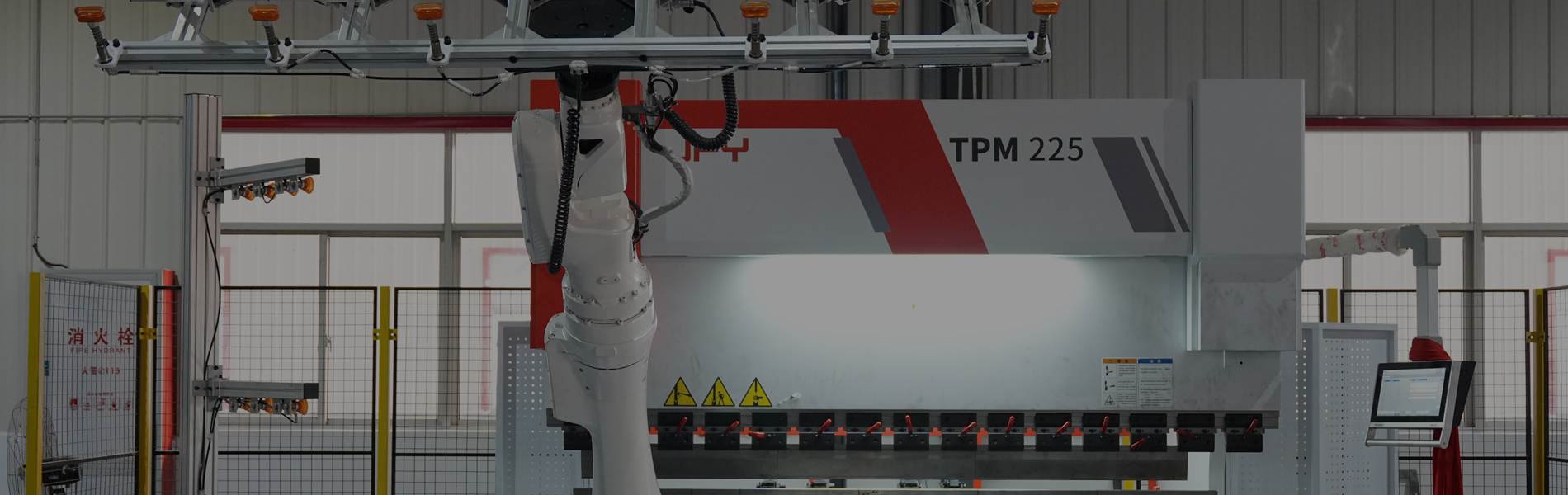
✓ Production volume and tooling review ✓ Sample approval before batch production ✓ Critical dimensions and repeat-order requirements

Order quantity is only one factor. Geometry, design stability, tooling and repeat demand decide whether stamping is a practical choice.
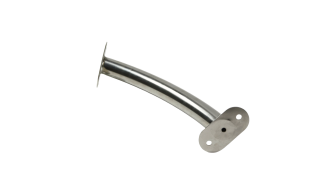
Compare laser cutting and bending with tooling-based options before committing to dedicated tooling.
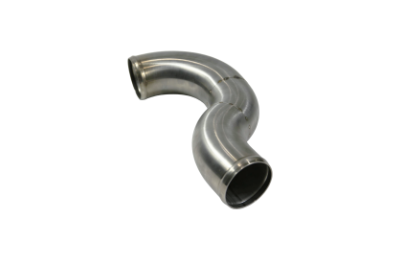
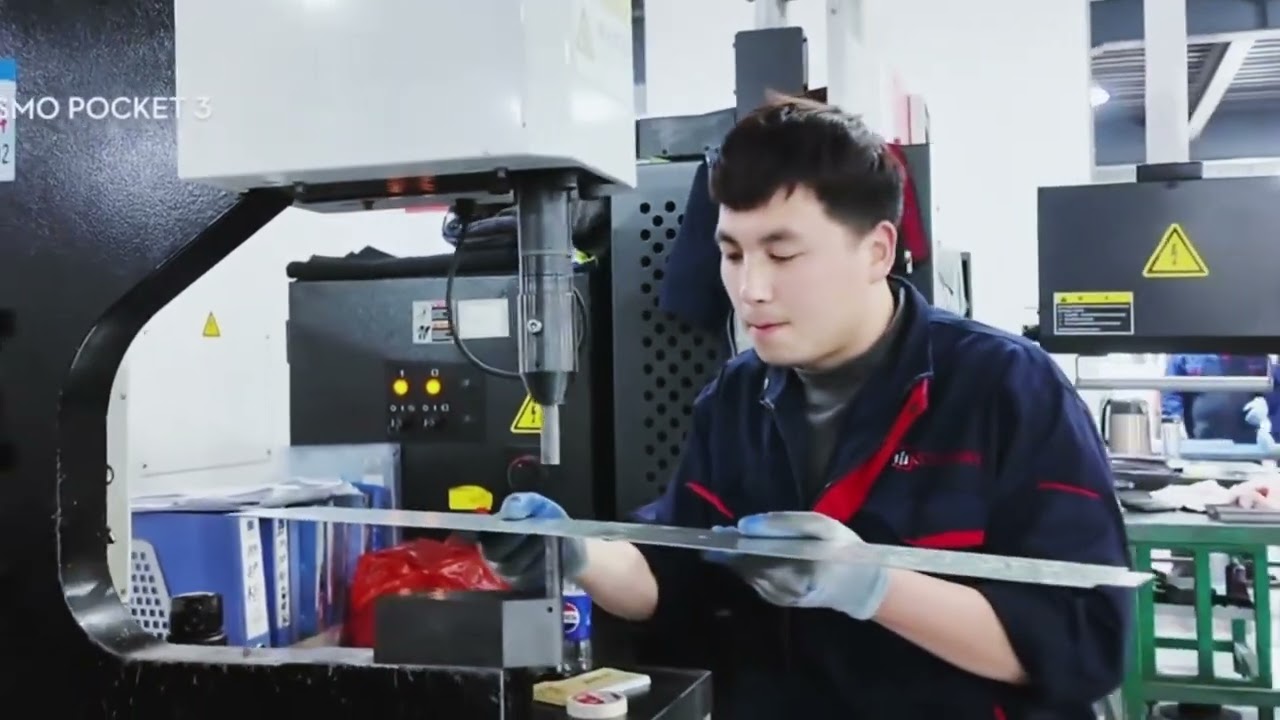
Check whether available punch and forming tools can produce the required features.
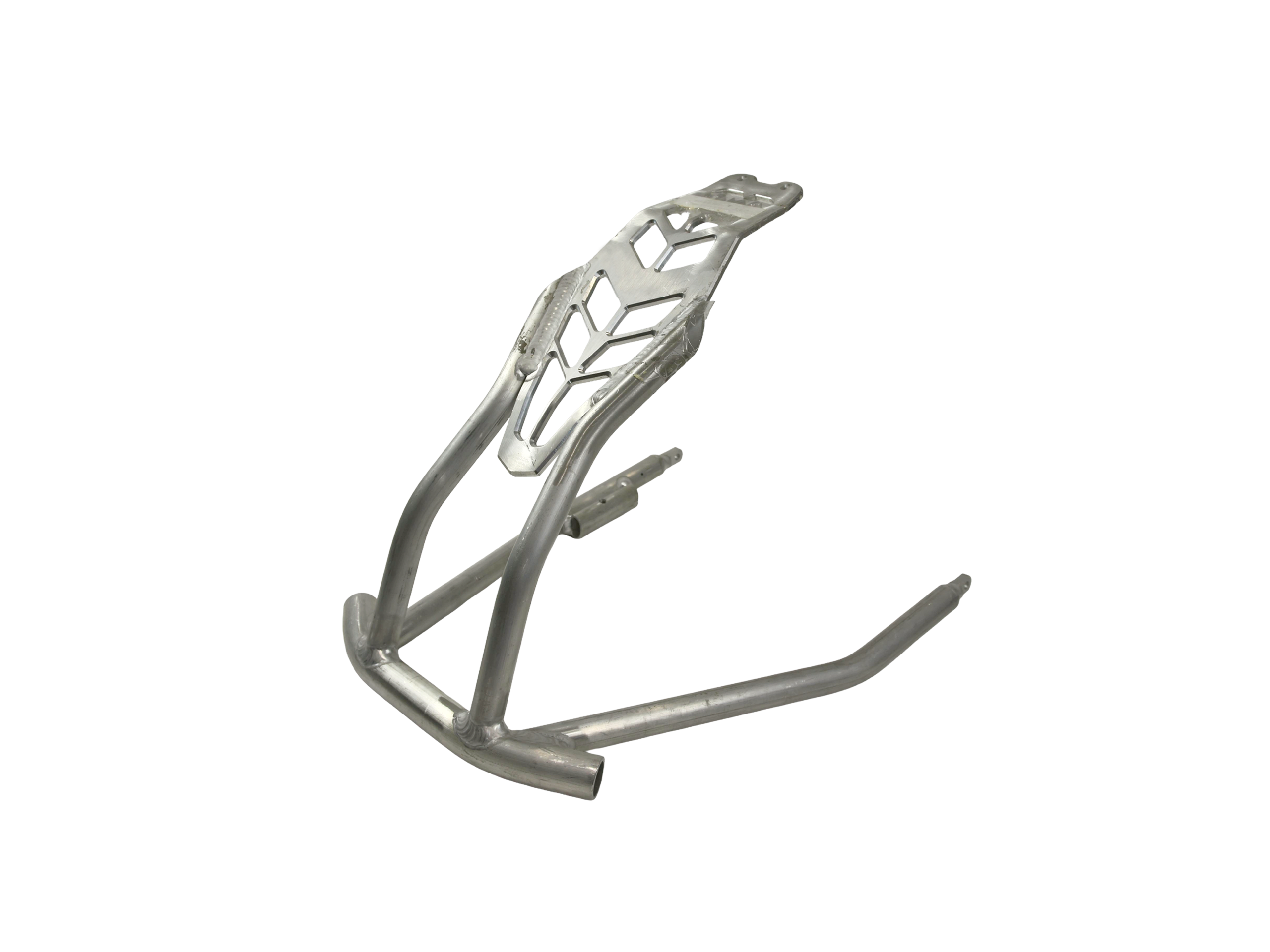
Evaluate dedicated tooling against annual volume, batch size, secondary operations and the expected production period.
Evaluate stamping tooling cost alongside recurring part cost. A clear quotation states tooling scope, sample requirements and production assumptions.
Share your drawing, annual demand and batch quantity to discuss tooling scope and production cost.

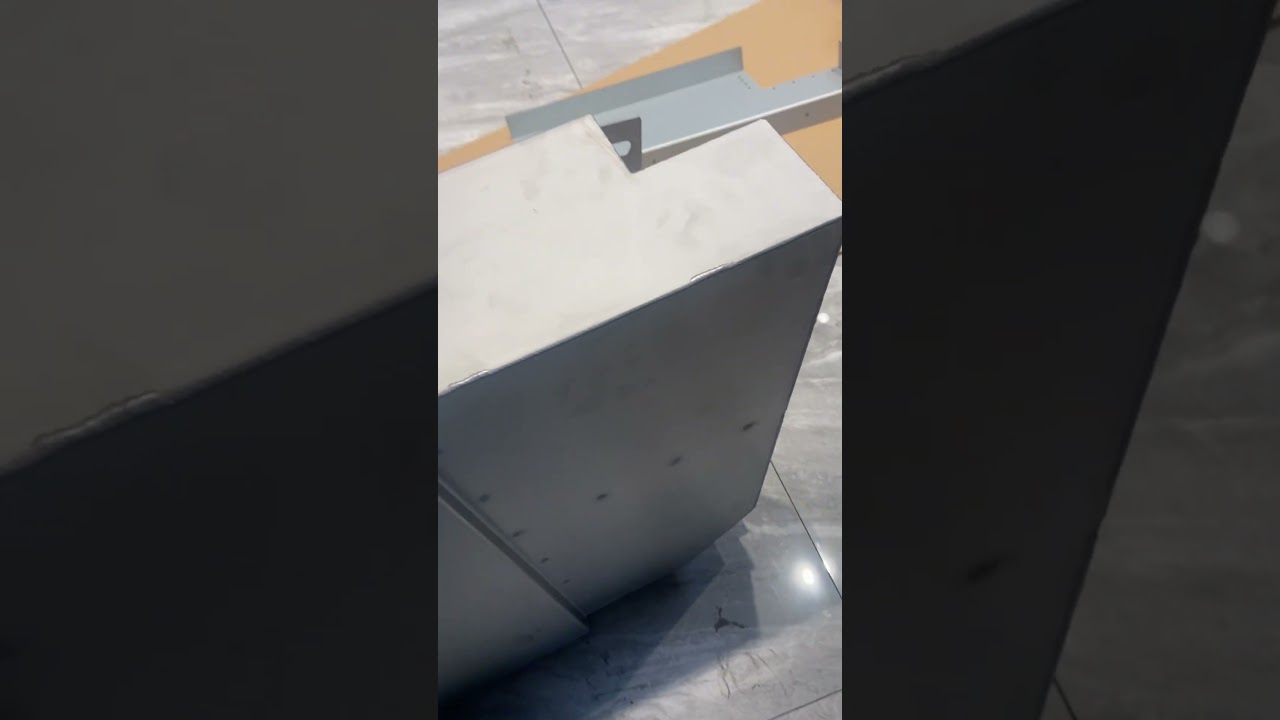
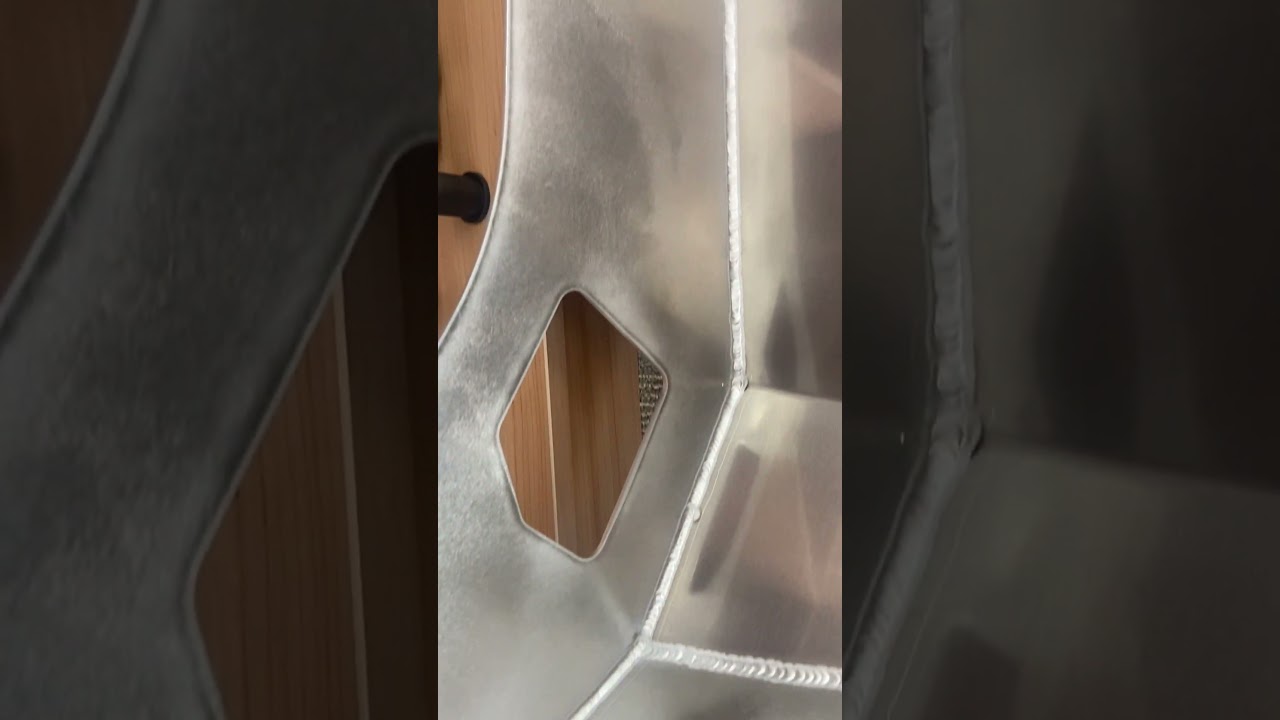
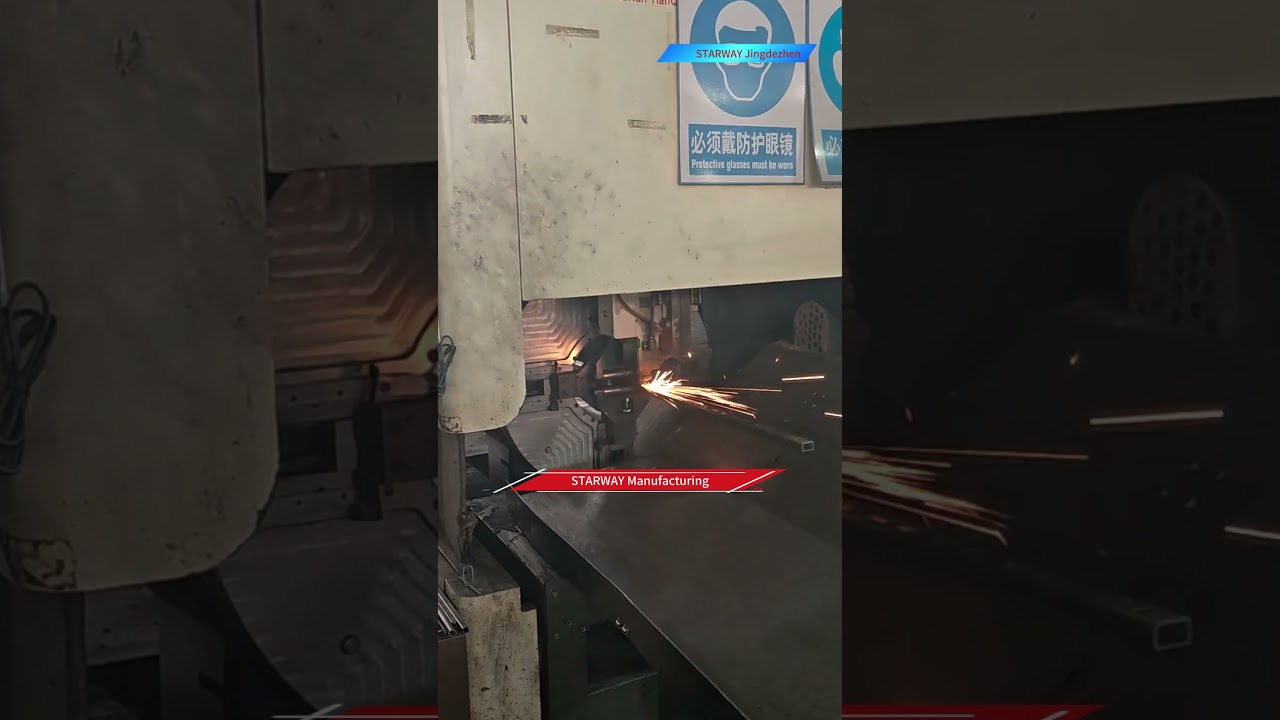
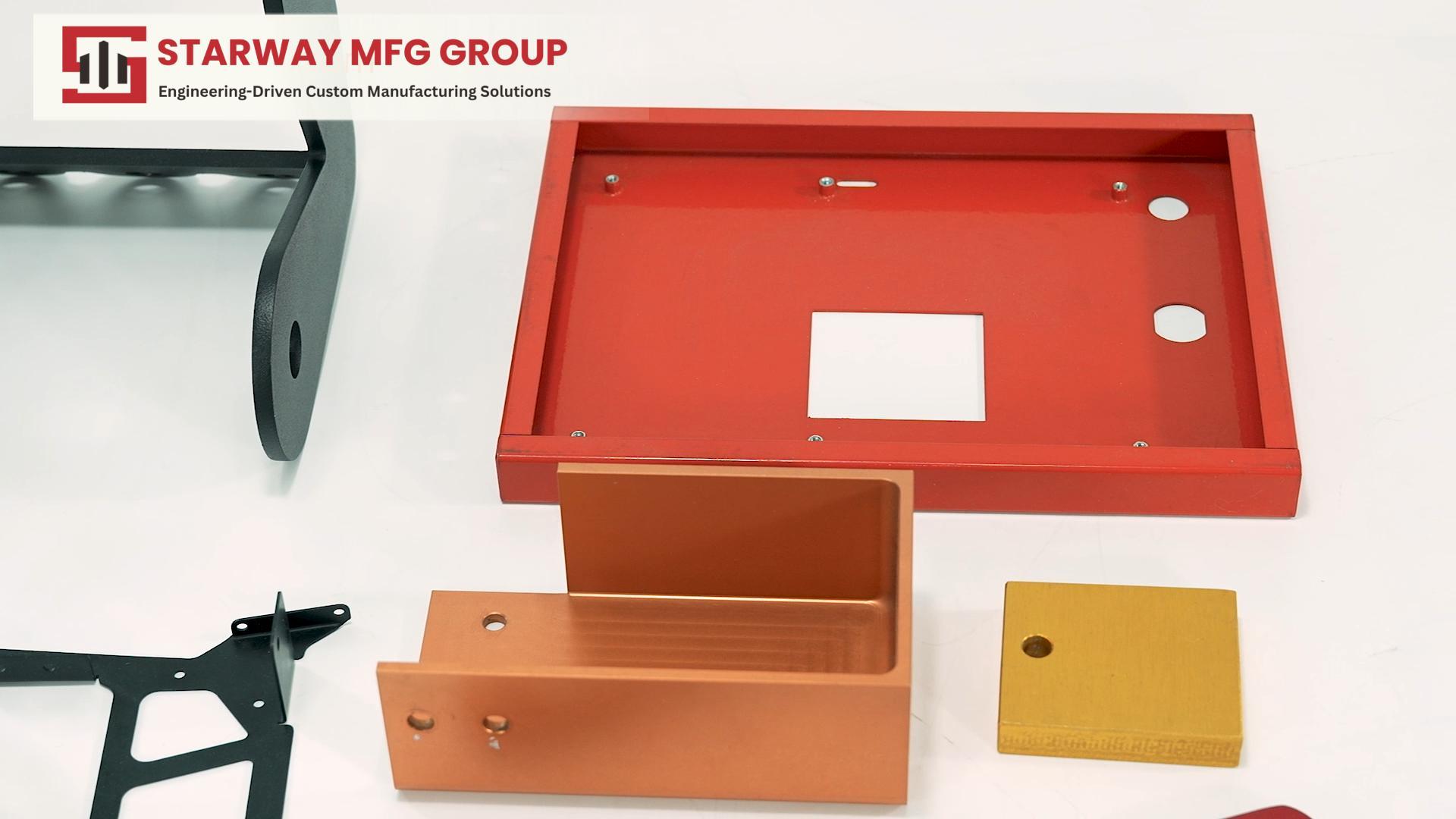
Sheet metal stamping services are reviewed around the finished part: material condition, formed features, edges and operations before assembly.
| Material Group | Information Needed for Review |
|---|---|
| Carbon and Cold-Rolled Steel | Grade, thickness, forming requirements and corrosion protection. |
| Stainless Steel | Grade, material condition, thickness and visible-surface requirements. |
| Aluminum | Alloy, temper, thickness and formed geometry. |
| Copper and Brass | Grade, temper, thickness and any electrical-contact or surface requirements. |
| Coated Sheet | Base material, coating specification and acceptable coating damage at cut or formed areas. |
Provide dimensions for holes, slots, louvers, embosses and other formed features. Existing tooling dimensions must be checked against the drawing; a different feature size or shape may require a new tool.
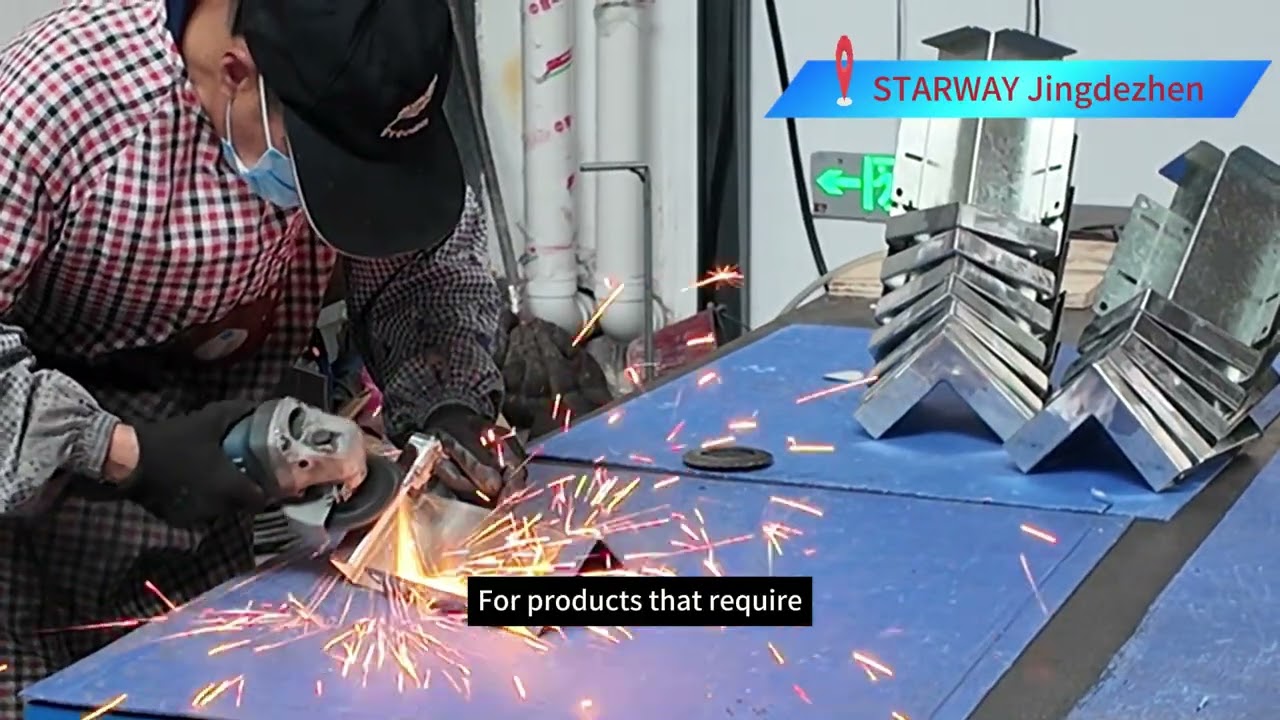
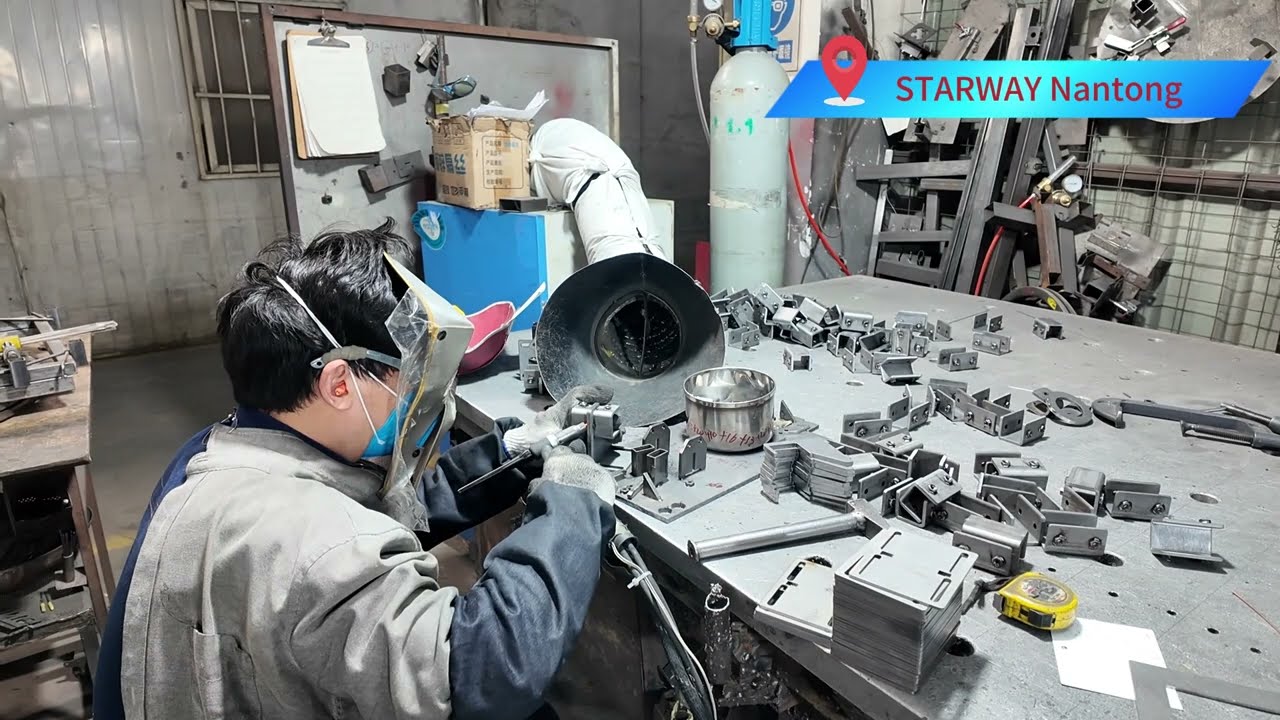
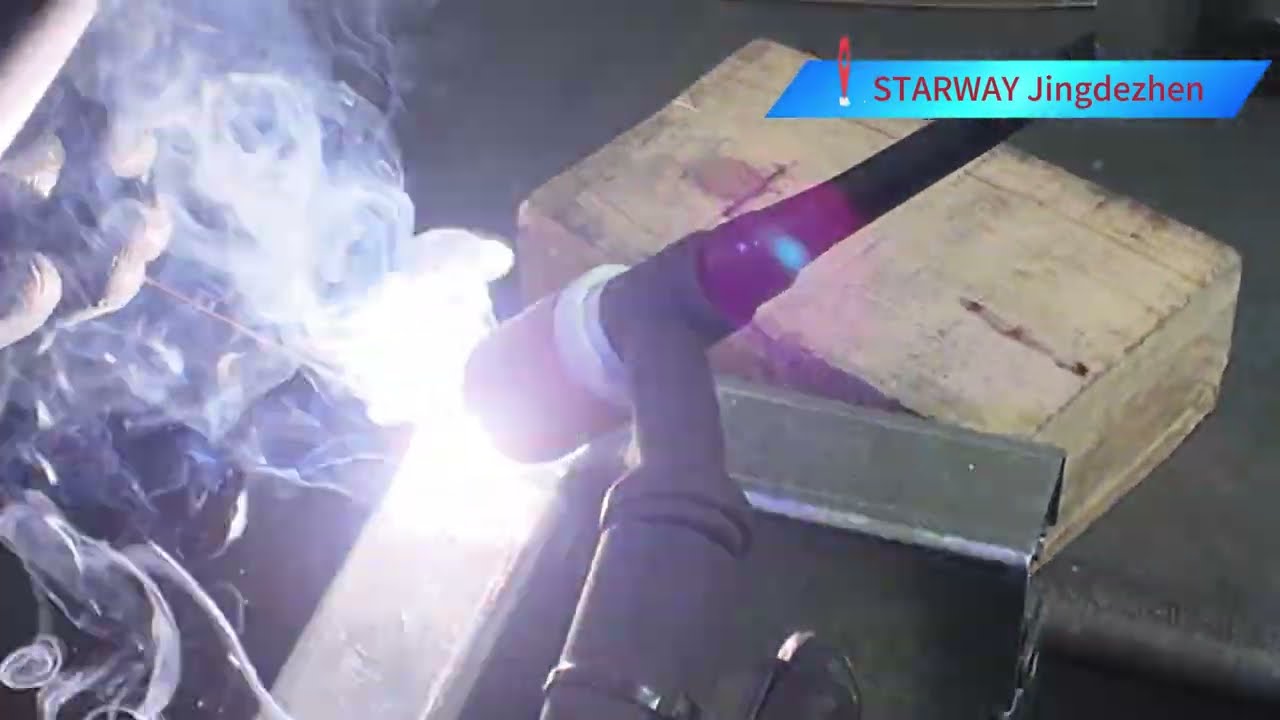
Identify burr direction, edge requirements, cosmetic surfaces and mating features. Include any tapping, welding, coating or assembly operations so the process sequence can account for access, fit and surface protection.

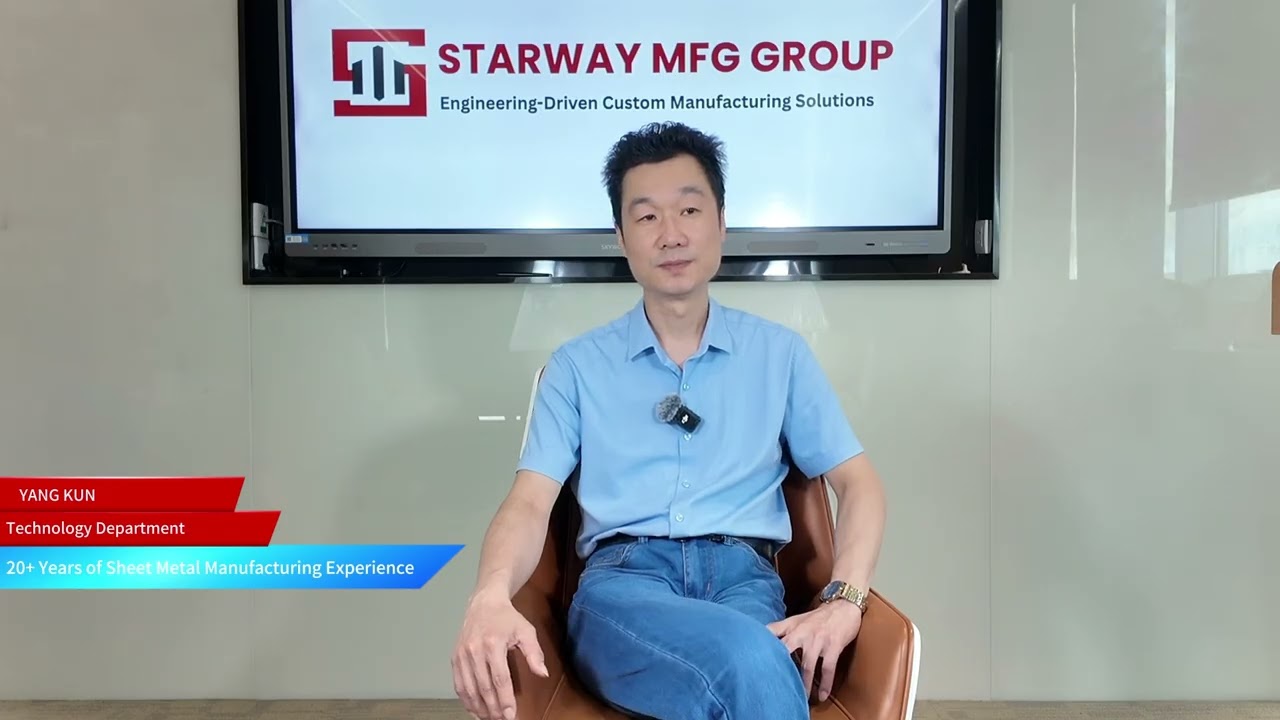
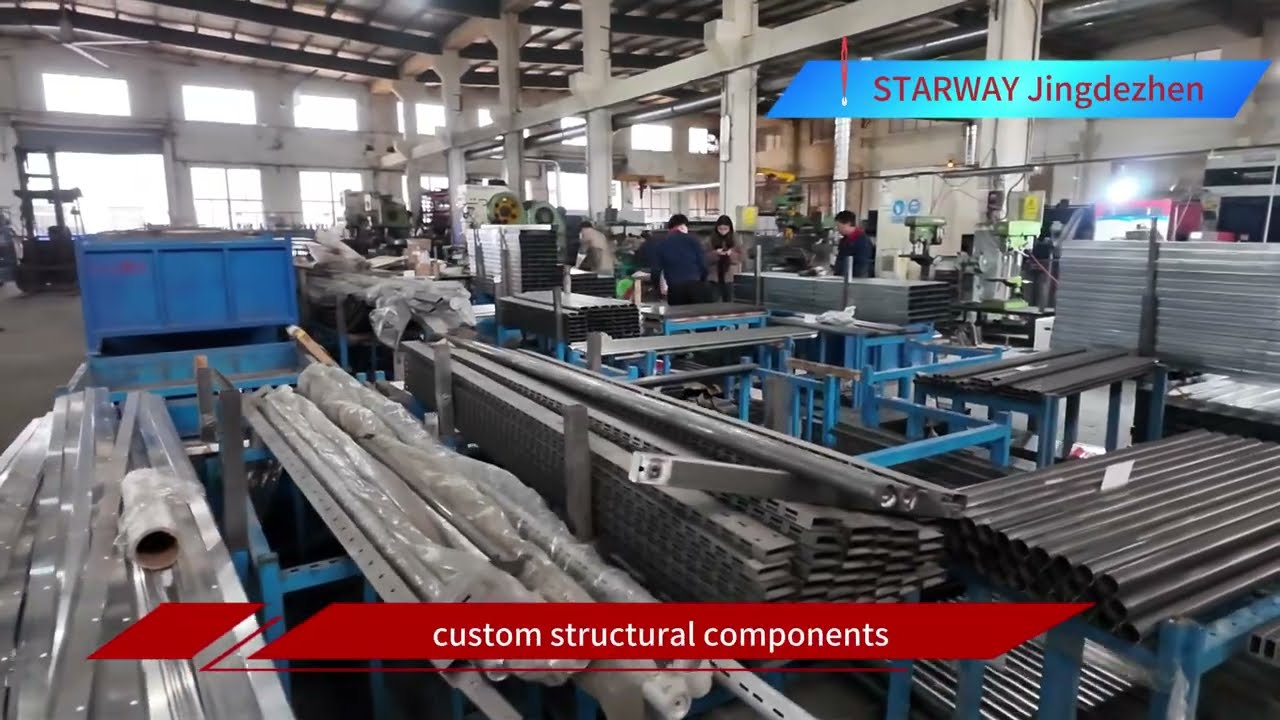
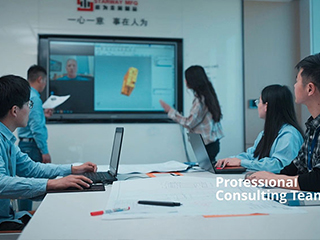
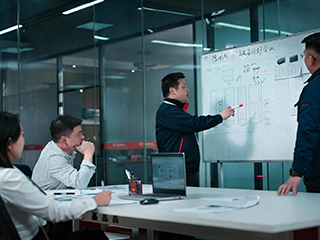
Engineering Consultation That Reduces Manufacturing Risk At Starway, engineering involvement starts before production begins. Our engineers work closely with customers to review drawings, tolerances, materials, and manufacturing feasibility, identifying potential risks early and proposing optimized solutions. By integrating engineering and sales teams, we ensure that technical decisions are accurately translated into cost, lead time, and production plans — avoiding surprises during execution.

New project success depends on speed, accuracy, and adaptability. Starway operates a dedicated project development team combining engineering, prototyping, and quality control. This allows us to deliver prototypes within 1–2 weeks, validate manufacturability quickly, and resolve technical challenges through real production trials — not assumptions.
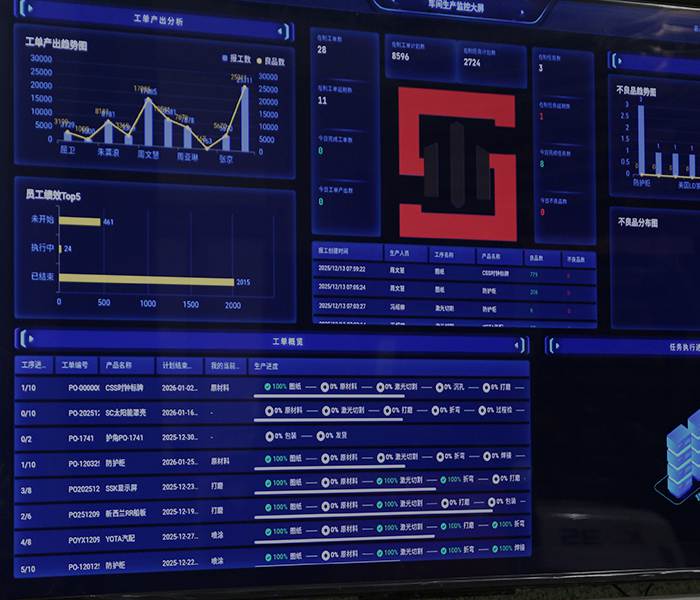
On-time delivery and consistent quality are not outcomes — they are engineered results. All orders are managed through our MES system, enabling real time production tracking, quality traceability, and cross department coordination. This system-driven approach allows us to proactively manage risks, maintain schedule integrity, and keep customers informed with accurate production data.

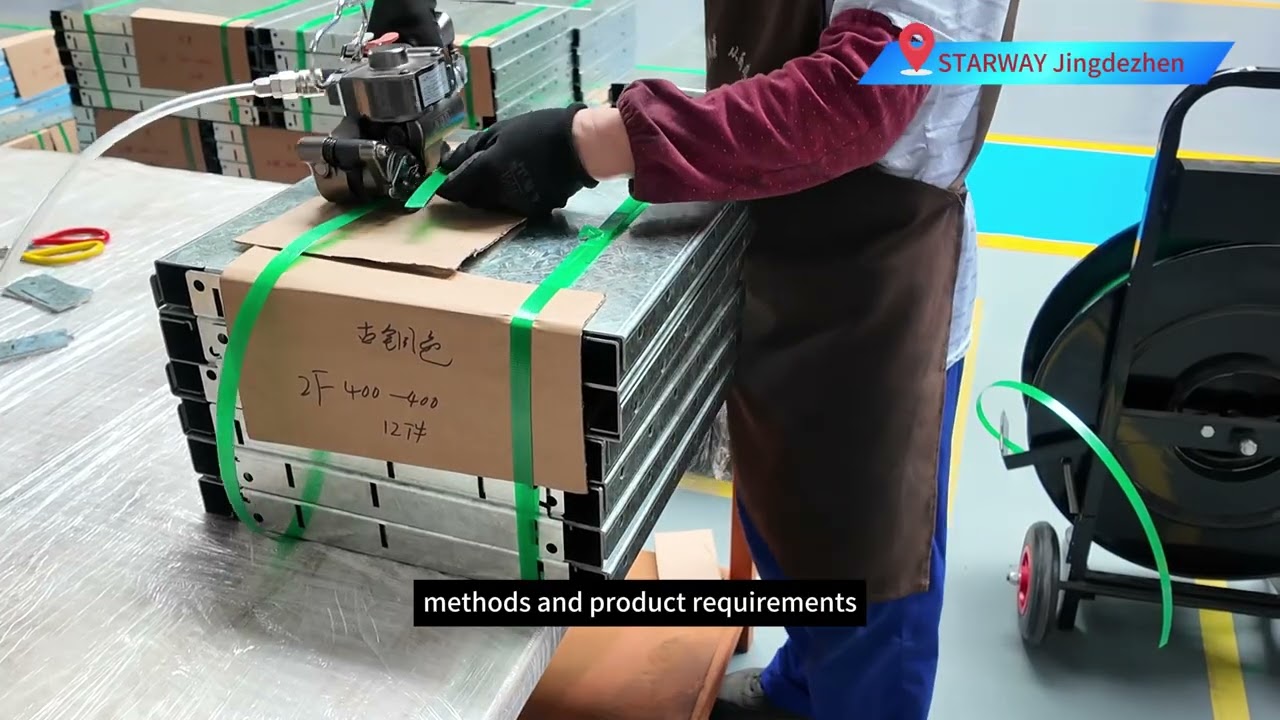
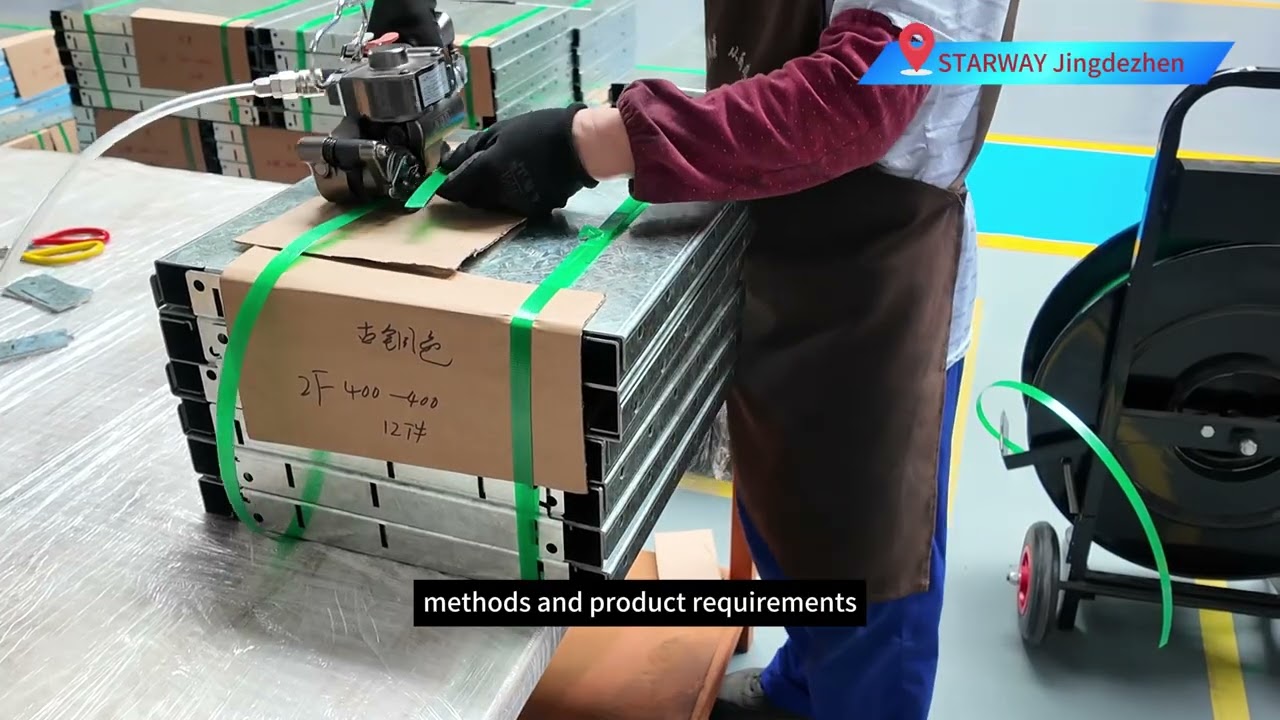
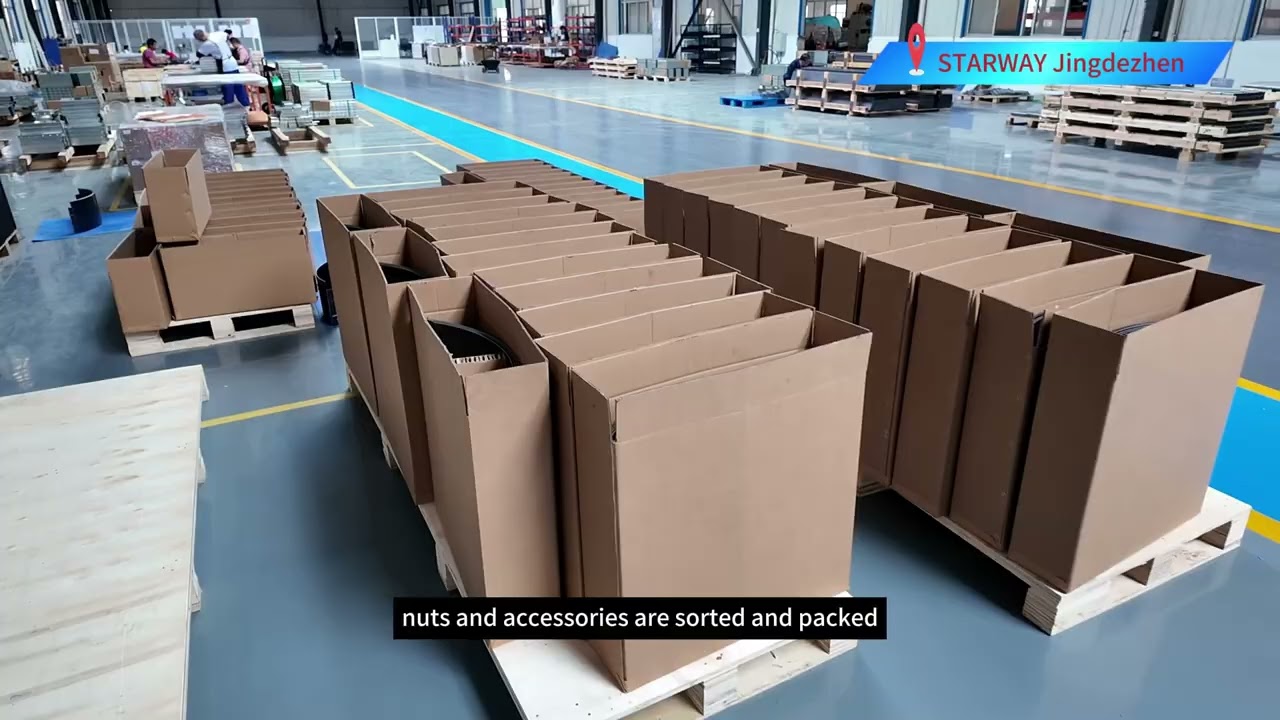
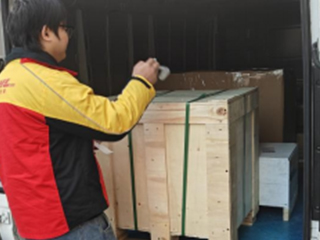
At Starway, Easy Shipping is another key advantage. Our goal is to make customers' shipping easy, safe, and fully trackable. Our professional logistics team helps our customers handle all types of shipments — both air and sea — including EXW, FOB, CIF, DDP, etc. Our shipping system enables us to track and monitor all shipments in transit, ensuring they arrive safely and on time. Our customers are updated regularly with their shipping status.
Confirm drawings and sample acceptance requirements before production, then use them to guide repeat orders.
Stainless Steel Metal Stamping
Grades: 304, 316
Features: High strength, corrosion resistance
Applications: Enclosures, brackets, food-grade equipment
Carbon Steel Grades: Q235, SPCC
Aluminum Metal Stamping Grades: 5052, 6061
Brass Metal Stamping Features: Excellent conductivity, aesthetic
Galvanized Steel
Tensile Strength: 270 – 500 MPa
Yield Strength: 140 – 300 MPa
Elongation: 20 – 38%
Cold Rolled Steel (CRS) Tensile Strength: 300 – 550 MPa
Hot Rolled Steel (HRS) Tensile Strength: 370 – 700 MPa


Metal stamping is used to manufacture high-volume metal parts for automotive, electronics, and industrial applications.
Common materials include steel, aluminum, copper, and brass.
Costs depend on tooling, material, and production volume.
It is more cost-effective for medium to large production runs.
Typically ±0.05 mm, with precision up to ±0.01 mm.
Tooling: 2–4 weeks; production: depends on volume.
Yes, we offer in-house mold design and manufacturing.
A continuous stamping process using multiple stations in one die.
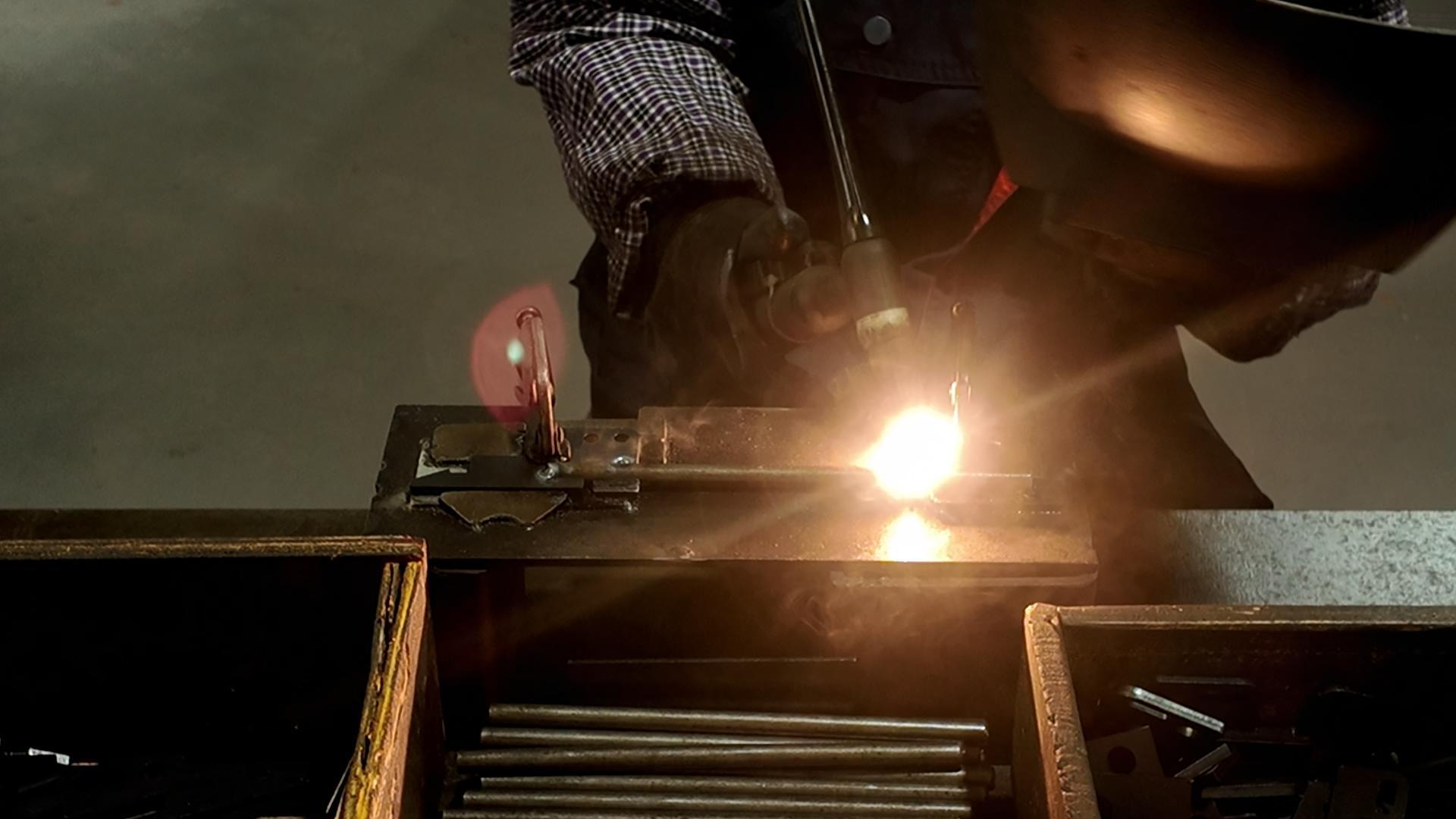
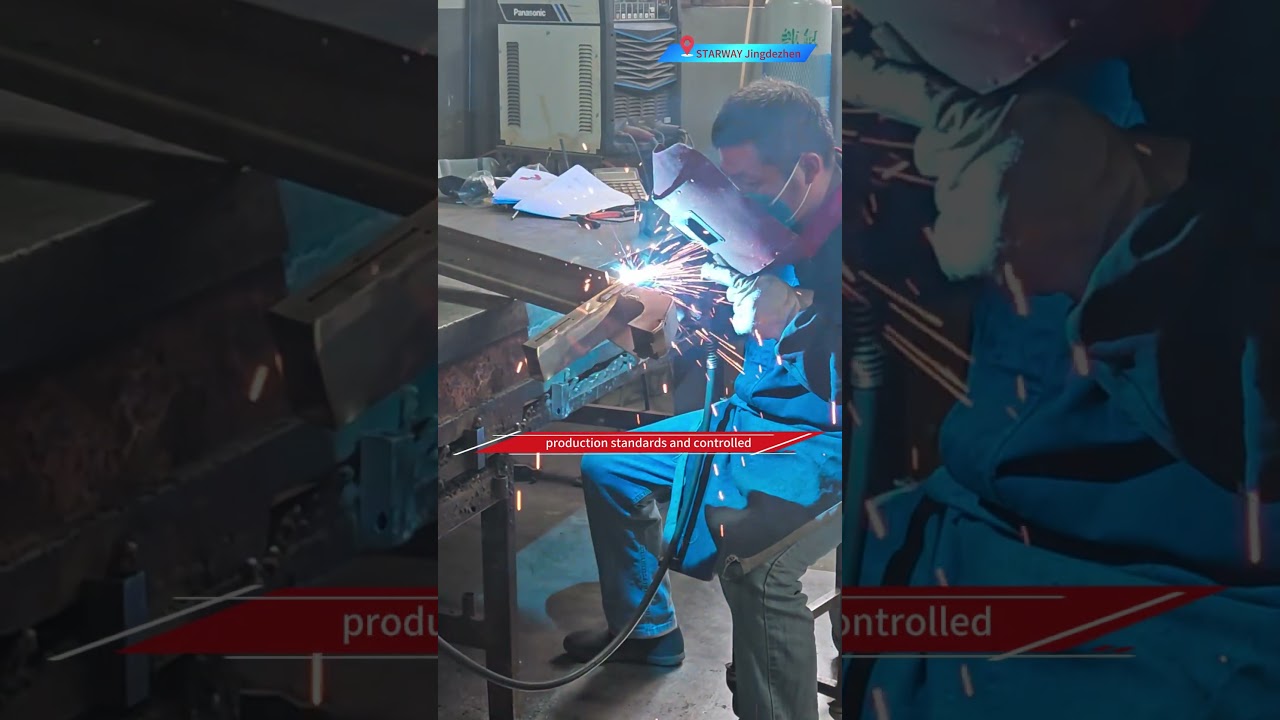
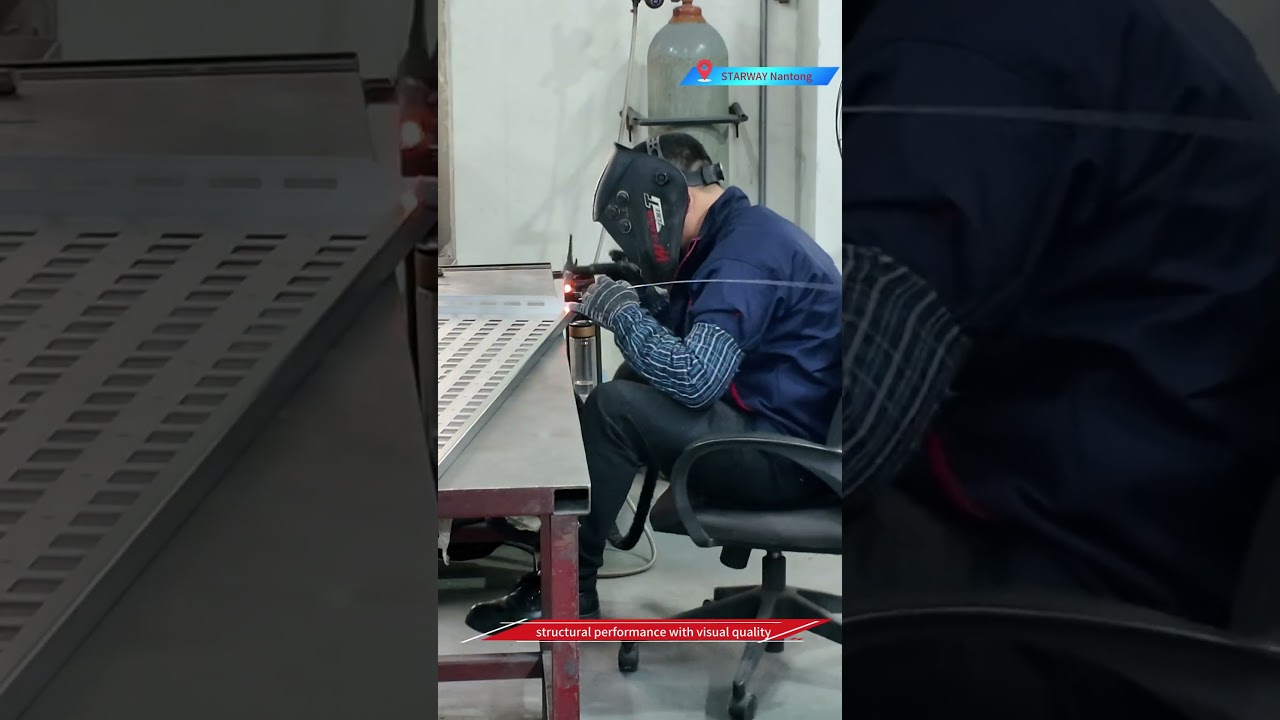
Yes, we offer welding and assembly services.
Automotive, electronics, aerospace, medical, and more.
Yes, including powder coating, plating, anodizing, etc.
Through strict QC, inspection reports, and testing.
Yes, all parts are fully customized.
STEP, IGES, DWG, PDF.
Yes, we provide rapid prototyping services.
Stamping is faster for mass production; laser cutting is better for prototypes.
Yes, we support worldwide shipping.

This website uses cookies to provide you with a personalized browsing experience and analyze website traffic. By clicking "Accept", you agree to our use of cookies.